 Vorschau anzeigen
 Versenden
 Teilen
 Details anzeigen

 Herunterladen
 Ähnliche Objekte
 Röntgenaufnahme
 Diashow
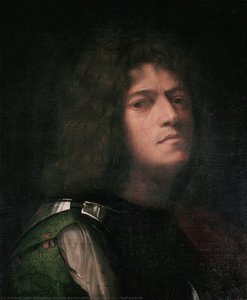
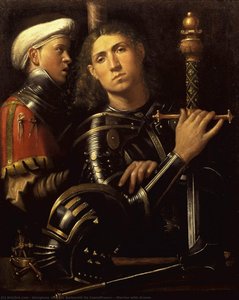
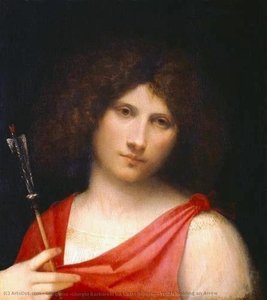
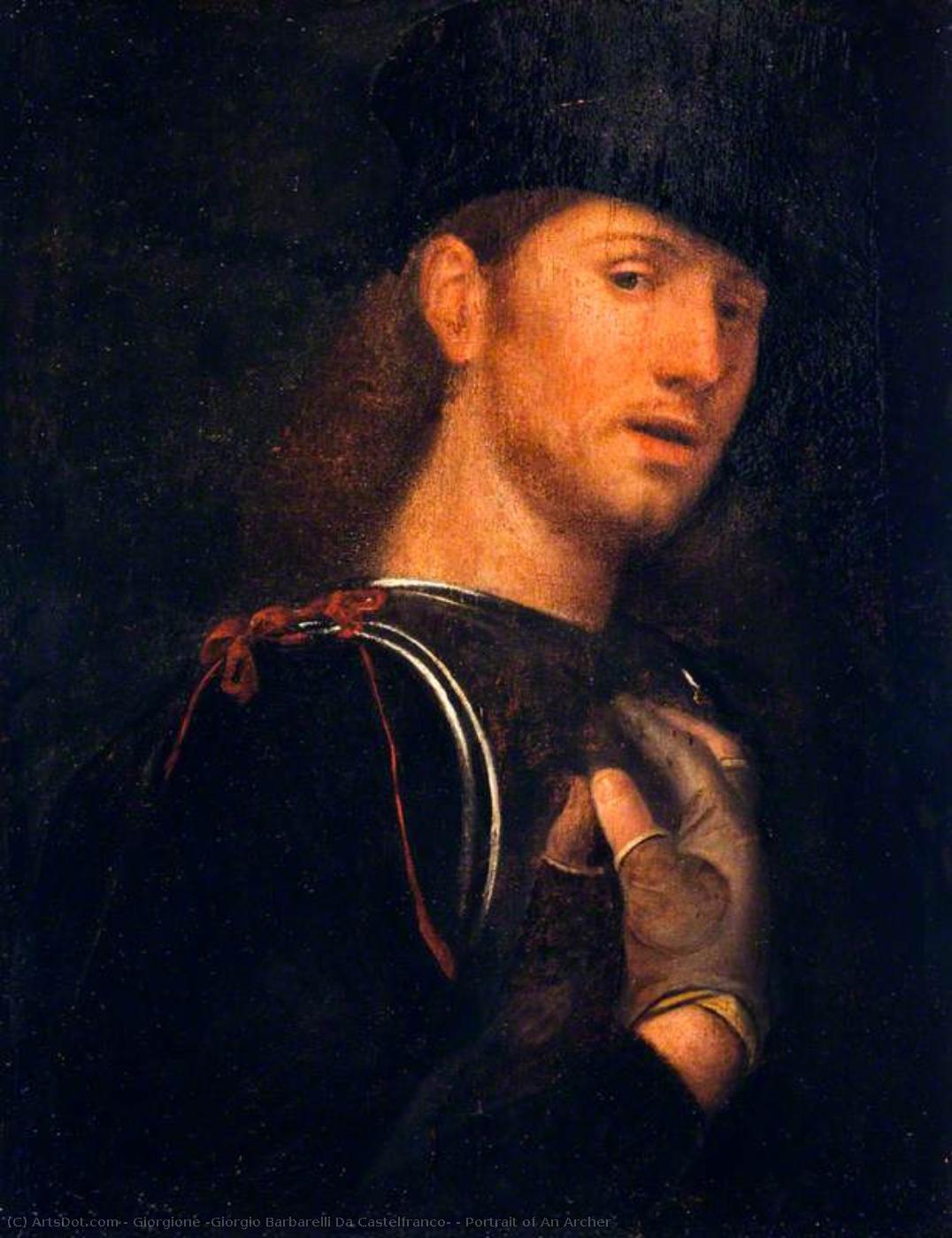
Portrait of An Archer
 Oil
Oil- WallArt
- Renaissance Venetian
 Renaissance
 54.0 x 42.0 cm
 Weiterlesen
Giclée / Kunstdruck
Giclée- oder Leinwanddruck in Museumsqualität mit schneller Produktion und flexiblen Veredelungsoptionen. ( Handgemalte Reproduktion bestellen Bild kaufen)




P118B $10

P118H $10

P118W $10

P438Z $10

P508JH $12

P508YH $12

P805H $10

P805Z $10

P919BZ $10

P919G $10

P919XJ $10

P959ZH $10

P968JZ $12

W106C $8

W218G $10

W218JH $8

W218Y $10

W307PJ $10

W316G $10

W316PJ $8

W316Y $10

W398PJ $8

W4111J $10

W500HY $15

W500JH $15

W692G $12

W849H $8

W940BG $15

W953PJ $8




Wählen Sie aus unseren vordefinierten Formaten, die den ursprünglichen Proportionen des Kunstwerks entsprechen.

Sie können Ihre eigenen Maße eingeben, um ein bestimmtes Format oder einen speziellen Platz einzupassen. Wenn das von Ihnen gewählte Format nicht den Proportionen des Originalbildes entspricht, werden wir das Kunstwerk entweder beschneiden oder das Bild mit einem gespiegelten oder einfarbigen Rand erweitern. Ein digitaler Entwurf wird Ihnen zur Genehmigung zugesandt, bevor die Produktion beginnt.
Bitte beachten Sie, dass die Vorschau auf dem Bildschirm nicht den tatsächlichen Zuschnitt oder die Erweiterung widerspiegelt. Nur der Entwurf zeigt die endgültige Komposition präzise an.
Obwohl Sondermaße verfügbar sind, empfehlen wir die Auswahl eines Maßes aus der vordefinierten Liste, um die ursprünglichen Proportionen zu bewahren.
Weltweiter Versand () innerhalb von 2 Wochen statt der üblichen 4/5 Wochen. (24 August)

Kostenloser weltweiter Expressversand

Hochwertige Leinenleinwand

Umfassender Versicherungsschutz beim Versand

Zollgebühren-Rückerstattungsgarantie

Garantie für exakte Farbtreue

60 Tage Rückgaberecht (nur bei Mängeln)

100% Geld-zurück-Garantie

Mengenrabatt verfügbar
 Die Glasoption ist nur für Größen unter 110 cm verfügbar.

Portrait of An Archer
Giclée / Kunstdruck
Format der Reproduktion
-


Gesamtpreis
$ 62
Sammlerstück-Beschreibung
A Venetian Portrait Steeped in Mystery
The painting “Portrait of An Archer,” attributed to Giorgione (c. 1477 – 1510), stands as an enduring testament to the artistic spirit of Renaissance Venice—a city renowned for its patronage, humanist ideals, and breathtaking visual splendor. Though shrouded in obscurity regarding biographical details, Giorgione’s legacy rests firmly on his singular contribution to Venetian painting, specifically his masterful manipulation of color and light, qualities that elevate this seemingly simple portrait beyond mere likeness into a profound meditation on human dignity and contemplation.Subject Matter and Composition
At its core, the artwork depicts a man dressed in black attire—a jacket adorned with a gold chain—who gazes directly at the viewer with an expression of serene composure. He wears a hat embellished with a feather, a detail that speaks to both fashion trends of the period and perhaps a subtle allusion to nobility or martial prowess. Alongside him stand two additional figures, positioned on either side of the central subject. Their presence isn’t merely decorative; it establishes a dynamic interplay between individual identity and broader social context—a hallmark of Giorgione's artistic sensibility. The positioning of these companions invites speculation about their relationship to the archer, fostering an atmosphere of quiet observation and unspoken narrative.Style and Technique: Venetian Colorism
Giorgione’s distinctive style is characterized by what scholars term “Venetian colorism.” Unlike his predecessors who prioritized meticulous detail and anatomical accuracy—a preoccupation prevalent in Florentine art—Giorgione favored a looser brushstroke technique, prioritizing the expressive power of color over precise representation. He employed subtle gradations of hue and tone to create an ethereal luminescence that permeates the entire canvas. This masterful use of light is particularly evident in the illumination of the man’s chest, where a soft glow emanates outwards, suggesting not just physical presence but also inner radiance—a concept deeply rooted in humanist philosophy. The muted palette contributes significantly to the painting's contemplative mood and reinforces its timeless beauty.Historical Context: Venice at Its Zenith
Painted during the High Renaissance, “Portrait of An Archer” reflects the intellectual ferment of Venice at the apex of its maritime empire and artistic flourishing. Venetian artists were deeply influenced by classical ideals and humanist thought, seeking to capture not only physical appearance but also psychological depth. Giorgione’s work aligns perfectly with this trend, embodying a desire to portray human experience in all its complexity—a fascination for beauty and contemplation that distinguishes it from the more overtly celebratory art of other European courts. The painting's creation coincided with a period of unprecedented artistic experimentation and innovation, cementing Giorgione’s place as one of Venice’s most influential painters.Symbolism: Hints of Nobility and Contemplation
The feather on the man’s hat is more than just an ornamental element; it symbolizes nobility and honor—values highly esteemed in Venetian society during Giorgione's time. The gaze of the archer, unwavering and direct, speaks to a profound engagement with the viewer, inviting us to contemplate themes of introspection and self-awareness. Furthermore, the inclusion of two additional figures adds layers of symbolic meaning, prompting viewers to consider questions of social hierarchy and interpersonal relationships. Ultimately, “Portrait of An Archer” transcends its formal depiction, becoming an emblem of humanist ideals—a celebration of human dignity and a testament to Giorgione’s artistic genius.Ähnliche Kunstwerke
Über den Künstler
Ein kurzer, aber brillanter Werdegang im Hochrenaissance
Giorgio (1477/78 oder 1473/74 – 1510), ein illustrer Maler der Hochrenaissance aus der venezianischen Schule, hat trotz seiner kurzen Karriere und begrenzter bestätigter Werke einen unauslöschlichen Eindruck in der Kunstwelt hinterlassen. Seine Gemälde werden für ihre lyrischen und rätselhaften Qualitäten gelobt, wobei nur eine Handvoll zweifelsfrei ihm zugeschrieben werden können.Beitrag zum venezianischen Malstil
Giorgios Beitrag, zusammen mit dem legendären Tizian, legte die Grundlagen für den venezianischen Malstil, der sich durch seinen Schwerpunkt auf Farbe und Atmosphäre im Gegensatz zum linienorientierten Ansatz florentinischer Kunst auszeichnete. Dieser innovative Ansatz ebnete den Weg für zukünftige Generationen von Künstlern.Bekannte Werke und ihre Bedeutung
- Porträt eines venezianischen Herrn (76 x 64 cm, Hochrenaissance, Öl auf Leinwand): Ein Meisterwerk, das Giorgios Können bei der Erfassung der Essenz seiner Sujets demonstriert.
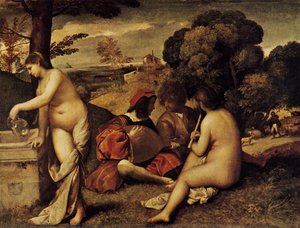
- Pastoraler Konzert (Fête Champêtre) (110 x 138 cm, Musée du Louvre, Paris, Frankreich, Hochrenaissance, Öl auf Leinwand): Demonstriert Giorgios Fähigkeit, Emotionen durch seine Arbeit hervorzurufen.
- Judith (1504) (Öl auf Leinwand, von einer Platte übertragen, 144 x 68 cm, Hermitage, St. Petersburg): Ein frühes Gemälde des Künstlers, das ursprünglich Raffael zugeschrieben wurde, und zeigt Giorgios Wachstum und Experimentierfreude.
Vermächtnis und Einfluss
Giorgio bleibt eine rätselhafte Figur in der Kunstgeschichte, wobei sein Leben und seine Werke im Dunkeln liegen, was die Faszination und Tiefe seines künstlerischen Erbes verstärkt. Sein Einfluss ist in den Werken nachfolgender Künstlerinnen und Künstler zu sehen, die auf den Grundstein aufbauten, den er in der venezianischen Schule legte. Erfahren Sie mehr über Giorgios Werke auf ArtsDot: * Giorgio (Giorgio Barbarelli da Castelfranco) * Porträt eines venezianischen Herrn * Pastoraler Konzert (Fête Champêtre) Entdecken Sie die venezianische Malbewegung auf ArtsDot: * Die venezianische Malbewegung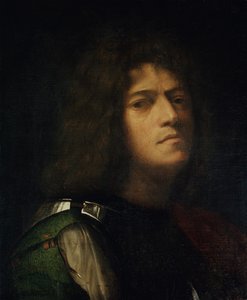
Giorgione
1477 - 1510 , Italien
Kurzinfos
- Beeinflusste Künstler: ['Titian']
- Bemerkenswerte Werke:
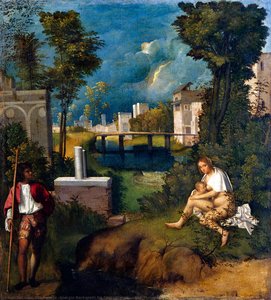
- Der Sturm
- Landliches Konzert
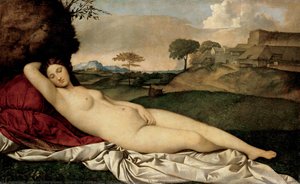
- Schlafende Venus
- Judith
- Porträt eines Venezianers
- Geburtsdatum: 1477/78 oder 1473/74
- Geburtsort: Castel Franco Veneto, Italien
- Künstlerische Bewegung: Hochrenaissance, Venetianischer Stil
- Künstlerische Einflüsse:
- Giovanni Bellini
- Mantegna
- Nationalität: Italienisch
- Sterbedatum: 1510
- Vollständiger Name: Giorgione (Giorgio Barbarelli)
Ähnliche Artikel

Weiße Meisterwerke: Die Top 10 berühmtesten Gemälde und ihre zeitlose Eleganz
Entdecken Sie die Top 10 berühmter Gemälde, dominiert von Weiß! Von Malewitsch bis Rothko – erfahren Sie Geschichten hinter ikonischen Kunstwerke und lassen Sie sich für Ihre Wohnraumgestaltung inspirieren. Kunstreproduktionen in Museumsqualiät auf

Giclée Prints: Archival Quality & Aesthetic Nuances for the Discerning Collector
Explore the world of giclée prints with ArtsDot. Learn about archival quality, aesthetic nuances & investment potential. Expert guidance for discerning art collectors seeking museum-quality reproductions and lasting value.

Die Top 10 berühmter Gemälde im Reich der dunklen Töne |
Entdecken Sie die Top 10 berühmter Gemälde, beherrscht von dunklen Tönen! Von Caravaggio bis Manet – erfahren Sie die Geschichten hinter Meisterwerken der Kunstgeschichte. Finden Sie Ihre perfekte Reproduktion auf .

Monochrome Visions: Exploring the Aesthetic & Historical Significance of Black & White Photography
Explore the rich history & artistic power of black and white photography. From early techniques to iconic masters like Ansel Adams, discover why monochrome continues to captivate art lovers today. Expert insights for collectors.

The Enduring Legacy of Fine Art Prints: Technique, History & Aesthetic Impact
Explore the rich history & techniques of fine art prints. Discover investment potential, assess authenticity, and learn how to preserve your collection with expert guidance. Trusted insights for discerning collectors.