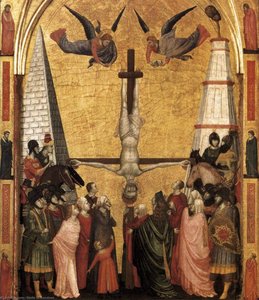
![Das Leben Des Heiligen Johannes Evangelisten - [02] - Aufhebung Von Drusiana — Giotto Di Bondone](/media/artworks/images-full/1e/7a/1e7adebb3ad372d4dc66b8268429e856.jpg)
 Versenden
 Teilen
 Details anzeigen

 Herunterladen
 Ähnliche Objekte
 Diashow
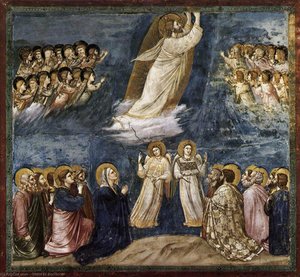
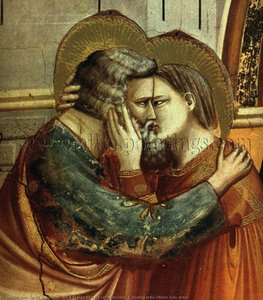
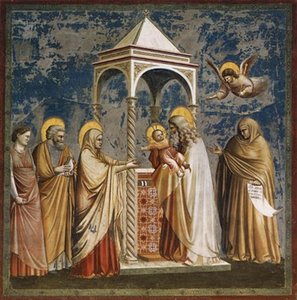
Das Leben des Heiligen Johannes Evangelisten - [02] - Aufhebung von Drusiana


 Weiterlesen
Handgefertigte Ölreproduktion
Handgemaltes Ölgemälde auf Leinwand in Ihrer Wunschgröße und mit Rahmen, auf Bestellung von unseren Künstlern angefertigt. ( Druck bestellen Bild kaufen)




































Wählen Sie aus unseren vordefinierten Formaten, die den ursprünglichen Proportionen des Kunstwerks entsprechen.

Sie können Ihre eigenen Maße eingeben, um einen bestimmten Rahmen oder Platz auszufüllen. Wenn die gewählte Größe nicht den Proportionen des Originalbildes entspricht, werden wir das Kunstwerk entweder beschneiden oder das Gemälde durch zusätzliche, handgemalte Elemente erweitern. Ein digitales Mockup wird Ihnen zur Genehmigung zugesandt, bevor die Produktion beginnt.
Bitte beachten Sie, dass die Bildschirmvorschau nicht die tatsächliche Beschneidung oder Erweiterung widerspiegelt. Nur das Mockup zeigt die endgültige Komposition exakt an.
Obwohl Sondermaße verfügbar sind, empfehlen wir, eine Größe aus der vordefinierten Liste zu wählen, um die ursprünglichen Proportionen beizubehalten.
Nach der Bestellung wird das ArtsDot.com-Team dem Kunden Anweisungen per E-Mail zusenden und eine Mockup-Vorschau bereitstellen.
Weltweiter Versand () in nur 3 bis 4 Wochen statt der üblichen 5 Wochen. (24 August). Keine Kompromisse bei der Qualität.

Kostenloser weltweiter Expressversand

Hochwertige Leinenleinwand

Umfassender Versicherungsschutz beim Versand

Zollgebühren-Rückerstattungsgarantie

Garantie für exakte Farbtreue

60 Tage Rückgaberecht (nur bei Mängeln)

100% Geld-zurück-Garantie

Mengenrabatt verfügbar
 Die Glasoption ist nur für Größen unter 110 cm verfügbar.

Das Leben des Heiligen Johannes Evangelisten - [02] - Aufhebung von Drusiana
Art der Reproduktion
Format der Reproduktion
-


Gesamtpreis
$ 263
Beschreibung des Kunstwerks
Giotto Di Bondone: The Dawn of Naturalism in Painting
Before Giotto di Bondone, European painting adhered rigidly to Byzantine conventions—flattened perspectives, stylized figures draped in shimmering robes, and a pervasive aura of spirituality that prioritized symbolic representation over realistic depiction. Giotto shattered this established order around 1267 in Colle Vespignano, Florence, marking the genesis of what would become known as Proto-Renaissance art and irrevocably altering the course of Western artistic history.
His early life remains shrouded in legend—a shepherd boy discovered sketching remarkably lifelike sheep on rocks, capturing the discerning eye of Cimabue, his mentor. Whether fact or folklore, this tale encapsulates Giotto’s innate genius: an instinctive ability to translate the natural world onto canvas with unprecedented accuracy and emotional depth.
Cimabue recognized Giotto's extraordinary talent and welcomed him into his workshop, fostering a relationship that propelled Giotto beyond his teacher’s stylistic limitations. Cimabue’s influence instilled in Giotto a profound appreciation for observation—a cornerstone of the burgeoning Renaissance aesthetic. This dedication to realism would distinguish Giotto from his contemporaries and solidify his legacy as the father of Western painting.
The Arena Chapel: A Revolutionary Vision
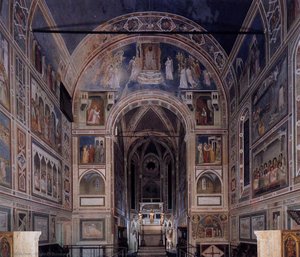
Giotto's magnum opus is undeniably the decoration of the Scrovegni Chapel, commonly referred to as the Arena Chapel, in Padua. Completed around 1305, this monumental fresco cycle represents a radical departure from Byzantine tradition and embodies Giotto’s groundbreaking innovation.
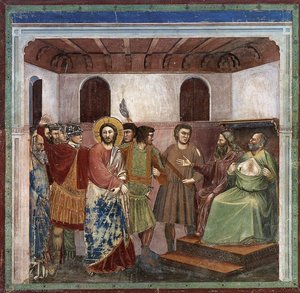
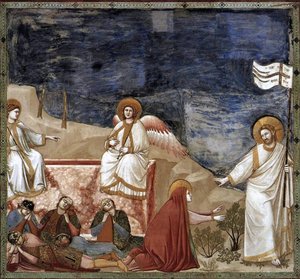
The chapel’s walls are adorned with twenty-seven frescoes depicting scenes from the Life of St John the Evangelist—a narrative chosen deliberately to honor Saint John's patronage of Padua. Giotto meticulously rendered human figures with astonishing anatomical precision, capturing subtle expressions and movements that conveyed profound emotion.
Unlike previous artists who prioritized idealized forms and symbolic gestures, Giotto sought to portray individuals as they appeared in reality—a daring undertaking that demanded a mastery of perspective and shading techniques previously unheard of. This commitment to naturalism profoundly impacted subsequent generations of painters, establishing Giotto as the undisputed champion of artistic innovation.
Oil Painting Technique: A Breakthrough in Color and Depth
Giotto’s masterful use of oil paint constituted a pivotal advancement in painting technology. Prior to Giotto's time, tempera—pigments bound in egg yolk—dominated fresco painting—resulting in muted colors and limited depth.
Oil paint allowed artists to achieve richer hues, greater luminosity, and unparalleled textural nuance—transforming the visual experience of art. Giotto skillfully exploited these qualities to imbue his frescoes with an ethereal beauty that captivated viewers and cemented his reputation as a visionary artist.
The resulting effect was transformative: Giotto’s figures possessed palpable volume and weight, conveying a sense of immediacy and psychological realism previously unattainable. This breakthrough technique irrevocably elevated the standards of artistic excellence and ushered in a new era of expressive painting—a legacy that continues to inspire artists today.
Symbolism and Emotional Impact
Beyond its technical brilliance, Giotto’s Arena Chapel resonates deeply with viewers due to its profound symbolic significance. The chapel's frescoes convey not merely historical narratives but also spiritual truths—illuminating the human condition through depictions of compassion, humility, and divine grace.
Giotto’s masterful portrayal of emotion—particularly sorrow and grief—challenged conventional artistic conventions and elevated painting to a medium capable of conveying complex psychological states. This humanist sensibility foreshadowed the Renaissance preoccupation with human experience and solidified Giotto's place as one of the most influential artists in Western history.
The Arena Chapel remains an enduring testament to Giotto’s genius—a masterpiece that exemplifies the transformative power of art to inspire contemplation, evoke emotion, and communicate universal truths. Its influence continues to reverberate through centuries of artistic endeavor—affirming Giotto's indelible mark on the annals of Western culture.
Ähnliche Kunstwerke
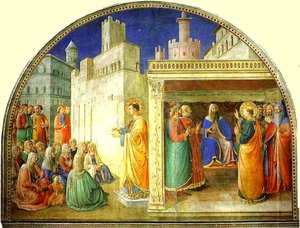
![Scrovegni - [12] - Hochzeitszug — Giotto Di Bondone, Proto-renaissance](/media/artworks/images-thumb/c6/73/c6736271740d6a4ae45df5c606277c3f.jpg)
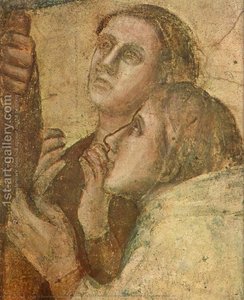
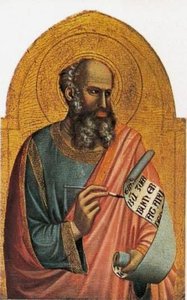
![Leben Des Heiligen Johannes Des Evangelisten - [03] - Himmelfahrt Des Evangelisten — Giotto Di Bondone, Proto-renaissance-malerei](/media/artworks/images-thumb/ab/15/ab151a8ad105b1ef78444cd367849cb4.jpg)
![Legende Des Heiligen Franziskus - [23] - Der Heilsame Franziskus Wird Von Der Heiligen Klara Beweint — Giotto Di Bondone, Gotik](/media/artworks/images-thumb/17/1c/171c284c41dc3ef8bca83e51c1e1e531.jpg)
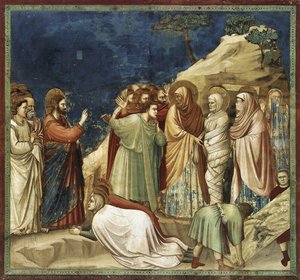
![Scrovegni – [25] – Das Erheben Des Lazaretts — Giotto Di Bondone, Proto-renaissance](/media/artworks/images-thumb/37/44/3744767361485ca6233b9968ccf28710.jpg)
Über den Künstler
**Ein Leben der Innovation und künstlerischer Revolution**
Giotto di Bondone, der renommierte italienische Maler und Architekt, hinterließ einen unauslöschlichen Eindruck auf die Kunstwelt mit seinen wegweisenden Beiträgen zur proto-renaissance und gotischen Periode. Geboren 1267 in Florenz, Italien, bleibt das Leben Giottos bis heute weitgehend ein Rätsel, doch sein künstlerisches Erbe ist unbestreitbar.**Künstlerische Beiträge und Innovationen**
Giottos bekannteste Arbeit, die Scrovegni-Kapelle (oder Arena-Kapelle) in Padua, die um 1305 fertiggestellt wurde, ist ein Beweis für seinen innovativen Geist. Diese Freskenzyklis, die das Leben der Jungfrau und das Leben Christi darstellt, zeigt nicht nur sein künstlerisches Genie, sondern demonstriert auch eine Erzähfkraft, die einen bedeutenden Abgang von der stilisierten byzantinischen Herangehensweise darstellte.- Revolutionierung der Malerei: Giottos Betonung auf Naturalismus, Aufmerksamkeit für menschliche Emotionen und Erforschung räumlicher und volumetrischer Figuren in der Malerei legten den Grundstein für die Entwicklungen in der westlichen Kunst, die im Anschluss kamen.
- Architektonische Beiträge: Seine Beauftragung im Jahr 1334 durch die Florentiner Kommune zur Gestaltung des neuen Glockenturms (Campanile) der Florentinischen Kathedrale bekräftigt sein duales Talent als Künstler und Architekt.
**Bekannte Werke und ihre Bedeutung**
- Die Verkündigung: Die Jungfrau empfängt die Botschaft (ansicht auf ArtsDot.com): ein Paradebeispiel für Giottos proto-renaissance Stil, der durch seine Verwendung von Naturalismus und Detailgenauigkeit gekennzeichnet ist.
- Die Geburt Christi (ansicht auf ArtsDot.com): demonstriert Giottos Fähigkeit, komplexe Erzählungen durch seine Fresken zu vermitteln, ein Markenzeichen der proto-renaissance Periode.
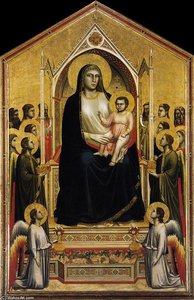
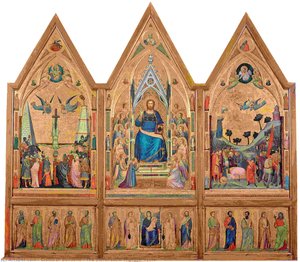
- Madonna in Maest (Ognissanti Madonna) (ansicht auf ArtsDot.com): Dieses Altarbild, das von der Ognissanti Kirche in Florenz bestellt wurde, ist ein bedeutendes Beispiel für Giottos Panelmalerei und seine Verwendung von Tempera.
**Vermächtnis und Einfluss**
Giottos Einfluss auf die westliche Kunst ist tiefgreifend und legte den Grundstein für die Renaissance-Kunstbewegung. Seine Betonung auf Naturalismus, menschliche Emotionen und räumliches Bewusstsein in der Malerei hat Bestand, wodurch er seine Position als eine grundlegende Figur in der europäischen Kunstgeschichte gesichert hat. Erfahren Sie mehr über Giottos Werke und Vermächtnis auf ArtsDot.com.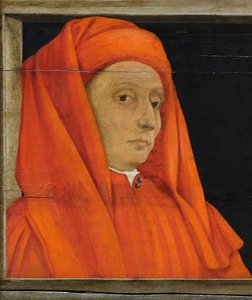
Giotto di Bondone
1267 - 1337 , Italien
Kurzinfos
- Beeinflusste Künstler: ['Cimabue']
- Bemerkenswerte Werke:
- Scrovegni Kapelle
- Ognissanti Madonna
- Geburtsdatum: 1267
- Geburtsort: Florenz, Italien
- Künstlerische Bewegung: Proto-Renaissance, Gotik
- Nationalität: Italienisch
- Todatum: 1337
- Vollständiger Name: Giotto di Bondone
- Von Künstlern Beeinflusst: ['Byzantinische Kunst']
Ähnliche Artikel
Giotto di Bondone: Die 25 Meisterwerke des Frührenaissance – Kunst für Ihr Zuhause
Entdecken Sie die 25 Meisterwerke von Giotto di Bondone! Erleben Sie die Frührenaissance, religiöse Kunst & ikonische Fresken wie in der Scrovegni Kapelle. Hochwertige Kunstdrucke online bei ArtsDot.com – für zeitlose Eleganz in Ihrem Zuhause.

Das Familienerbe an die Wand bringen: Wandgemälde als Generationenschatz
Verwandeln Sie Ihre Familiengeschichte in ein beeindruckendes Wandgemälde! Expertenrat & hochwertige Handwerkskunst für einzigartige Kunstwerke, die Generationen verbinden. Entdecken Sie jetzt!

John Singer Sargent: Die 25 Meisterwerke des Porträts – Kunst für Ihr Zuhause | ArtsDot
Entdecken Sie die 25 Meisterwerke von John Singer Sargent! Tauchen Sie ein in die Welt der Porträtmalerei, des Impressionismus & der Belle Époque. Hochwertige Kunstdrucke & Reproduktionen für Ihr Zuhause – jetzt auf ArtsDot.com!

John Constable: Die 25 Meisterwerke des englischen Landschaftsgenies – ArtsDot
Entdecken Sie die 25 Meisterwerke von John Constable! Erleben Sie englische Landschaftsmalerei vom Hay Wain bis zur Stour Valley. Hochwertige Reproduktionen & Kunst für Ihr Zuhause auf ArtsDot.com.

The Enduring Legacy of Fresco Painting: Techniques, History & Contemporary Relevance
Explore the rich history & enduring artistry of fresco painting – from Giotto to Michelangelo! Discover techniques, conservation efforts, & modern applications. Learn how ArtsDot brings this timeless art form to your home.
![Scrovegni - [05] - Joachims Traum](/media/artworks/images-thumb/8f/67/8f67bb5da87296bd452b3f0b237b528d.jpg)