 Versenden
 Teilen
 Details anzeigen

 Herunterladen
 Ähnliche Objekte
 Diashow
 Statistiken
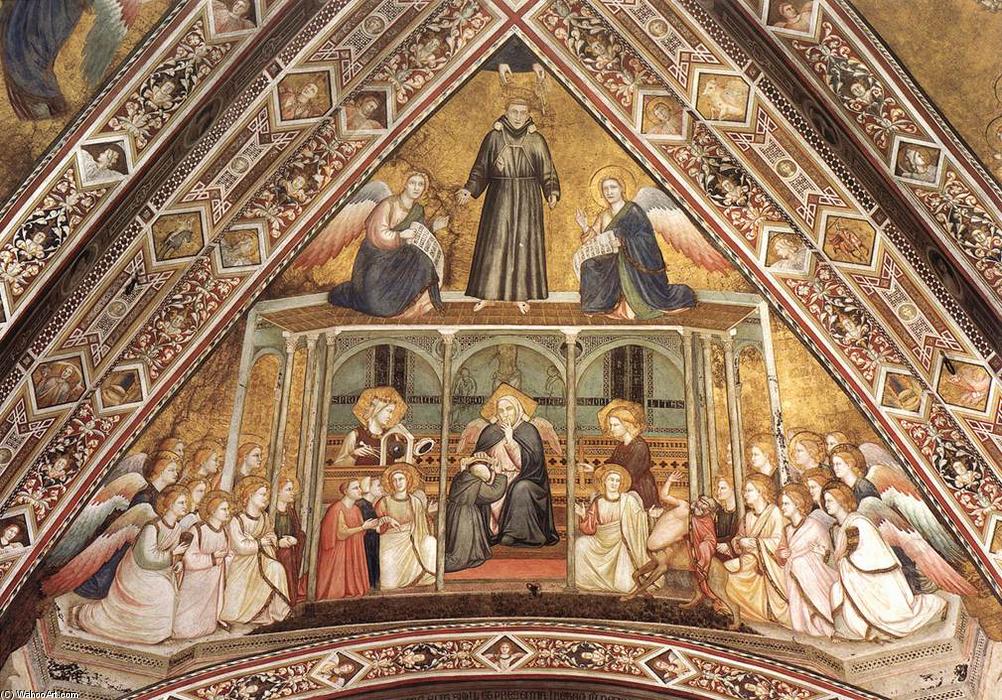
Franciscan Allegories: Allegory of Obedience


 Weiterlesen
Giclée / Kunstdruck
Giclée- oder Leinwanddruck in Museumsqualität mit schneller Produktion und flexiblen Veredelungsoptionen. ( Handgemalte Reproduktion bestellen Zum digitalen Bild wechseln)




































Wählen Sie aus unseren vordefinierten Formaten, die den ursprünglichen Proportionen des Kunstwerks entsprechen.

Sie können Ihre eigenen Maße eingeben, um ein bestimmtes Format oder einen speziellen Platz einzupassen. Wenn das von Ihnen gewählte Format nicht den Proportionen des Originalbildes entspricht, werden wir das Kunstwerk entweder beschneiden oder das Bild mit einem gespiegelten oder einfarbigen Rand erweitern. Ein digitaler Entwurf wird Ihnen zur Genehmigung zugesandt, bevor die Produktion beginnt.
Bitte beachten Sie, dass die Vorschau auf dem Bildschirm nicht den tatsächlichen Zuschnitt oder die Erweiterung widerspiegelt. Nur der Entwurf zeigt die endgültige Komposition präzise an.
Obwohl Sondermaße verfügbar sind, empfehlen wir die Auswahl eines Maßes aus der vordefinierten Liste, um die ursprünglichen Proportionen zu bewahren.
Weltweiter Versand () innerhalb von 2 Wochen statt der üblichen 4/5 Wochen. (13 September)

Kostenloser weltweiter Expressversand

Hochwertige Leinenleinwand

Umfassender Versicherungsschutz beim Versand

Zollgebühren-Rückerstattungsgarantie

Garantie für exakte Farbtreue

100-Tage-Rückgaberecht (nur bei Mängeln)

100% Geld-zurück-Garantie

Mengenrabatt verfügbar
 Die Glasoption ist nur für Größen unter 110 cm verfügbar.

Franciscan Allegories: Allegory of Obedience
Giclée / Kunstdruck
Format der Reproduktion
-


Gesamtpreis
$ 62
The Heart of Obedience: Giotto's "Allegory of Obedience"
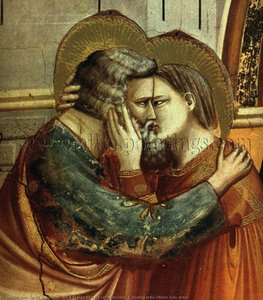
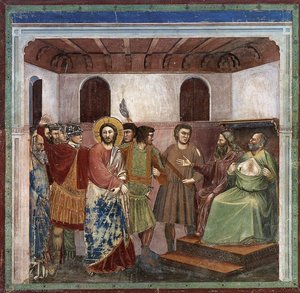
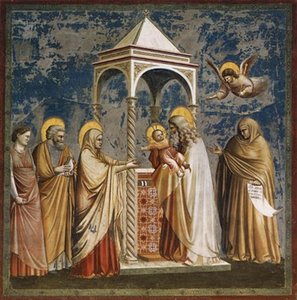
Giotto di Bondone’s “Franciscan Allegories: Allegory of Obedience,” painted in 1330, isn’t merely a fresco; it’s a profound meditation on faith rendered with an unprecedented sensitivity to human emotion and the natural world. Created for the Pieve di Santa Maria in Arezzo, Italy, this work represents a watershed moment in art history – a bridge between the stylized conventions of medieval Byzantine art and the burgeoning realism that would define the Renaissance. The scene unfolds with a quiet intensity: a central figure, draped in black, stands upon a simple platform, surrounded by a group engaged in conversation and contemplation. This isn’t a dramatic spectacle; it's an intimate tableau, inviting viewers to consider the very essence of obedience within a deeply spiritual context.
- The Artist: Giotto di Bondone (1267-1337) – A Revolutionary Visionary
- Date: 1330 – The Height of Early Renaissance Innovation
- Location: Pieve di Santa Maria, Arezzo, Italy – A Romanesque Sanctuary
The painting’s power resides not just in its subject matter but also in Giotto's masterful technique. As a pioneer of fresco painting, he employed the wet plaster method to apply pigments directly onto the wall, creating an enduring image that has survived for centuries. The colors are rich and luminous, achieved through careful layering and blending – a testament to his meticulous approach. Notice the subtle gradations in tone, particularly in the drapery, which adds a remarkable sense of volume and texture. Giotto’s use of perspective, though still nascent compared to later Renaissance masters, is remarkably sophisticated for its time, creating a believable spatial depth that draws the viewer into the scene.
Symbolism and Narrative
At the heart of the composition lies the central figure, often interpreted as representing Jesus Christ or another revered religious authority. His posture exudes quiet dignity and authority, while his gaze invites contemplation. The surrounding figures – men and women engaged in dialogue – embody different facets of obedience: some listening attentively, others offering advice, and still others seemingly absorbed in thought. A simple bench sits nearby, suggesting a space for reflection and deliberation. This isn’t a hierarchical depiction; it's a community united by a shared commitment to faith and the principles of obedience.
The allegorical nature of the work is crucial to its interpretation. Obedience, in this context, transcends mere adherence to rules; it represents a willingness to submit one’s will to a higher power – a cornerstone of Franciscan theology. The painting speaks to the importance of humility, trust, and service within the Christian faith.
Historical Context and Influence
"Allegory of Obedience" was created during a period of immense social and religious change in Italy. The rise of the Franciscan Order, with its emphasis on personal piety and direct engagement with the common people, profoundly influenced Giotto’s artistic vision. This fresco reflects the spirit of the time – a desire to reconnect faith with everyday life. Furthermore, it stands as a pivotal work within the broader narrative of Italian art, influencing generations of artists who followed in Giotto's footsteps.
Artists like Giovanni Battista Cima Da Conegliano and Annibale Carracci were deeply impacted by Giotto’s innovations, carrying forward his legacy through their own explorations of religious themes. The enduring appeal of “Allegory of Obedience” lies not only in its artistic merit but also in its profound spiritual message – a timeless reminder of the importance of faith, humility, and obedience.
Capturing the Essence: A Hand-Painted Reproduction
ArtsDot offers meticulously crafted hand-painted reproductions of Giotto’s “Allegory of Obedience,” allowing you to bring this masterpiece into your home or office. Our skilled artisans employ traditional fresco techniques, faithfully recreating Giotto's nuanced color palette and masterful brushwork. Each reproduction is a unique work of art, capturing the emotional depth and spiritual significance of the original. Whether you are an art collector, interior designer, or simply someone seeking to infuse their space with beauty and inspiration, a ArtsDot reproduction of “Allegory of Obedience” offers a timeless connection to one of history’s greatest artistic achievements.
Ähnliche Kunstwerke

Über den Künstler
**Ein Leben der Innovation und künstlerischer Revolution**
Giotto di Bondone, der renommierte italienische Maler und Architekt, hinterließ einen unauslöschlichen Eindruck auf die Kunstwelt mit seinen wegweisenden Beiträgen zur proto-renaissance und gotischen Periode. Geboren 1267 in Florenz, Italien, bleibt das Leben Giottos bis heute weitgehend ein Rätsel, doch sein künstlerisches Erbe ist unbestreitbar.**Künstlerische Beiträge und Innovationen**
Giottos bekannteste Arbeit, die Scrovegni-Kapelle (oder Arena-Kapelle) in Padua, die um 1305 fertiggestellt wurde, ist ein Beweis für seinen innovativen Geist. Diese Freskenzyklis, die das Leben der Jungfrau und das Leben Christi darstellt, zeigt nicht nur sein künstlerisches Genie, sondern demonstriert auch eine Erzähfkraft, die einen bedeutenden Abgang von der stilisierten byzantinischen Herangehensweise darstellte.- Revolutionierung der Malerei: Giottos Betonung auf Naturalismus, Aufmerksamkeit für menschliche Emotionen und Erforschung räumlicher und volumetrischer Figuren in der Malerei legten den Grundstein für die Entwicklungen in der westlichen Kunst, die im Anschluss kamen.
- Architektonische Beiträge: Seine Beauftragung im Jahr 1334 durch die Florentiner Kommune zur Gestaltung des neuen Glockenturms (Campanile) der Florentinischen Kathedrale bekräftigt sein duales Talent als Künstler und Architekt.
**Bekannte Werke und ihre Bedeutung**
- Die Verkündigung: Die Jungfrau empfängt die Botschaft (ansicht auf ArtsDot.com): ein Paradebeispiel für Giottos proto-renaissance Stil, der durch seine Verwendung von Naturalismus und Detailgenauigkeit gekennzeichnet ist.
- Die Geburt Christi (ansicht auf ArtsDot.com): demonstriert Giottos Fähigkeit, komplexe Erzählungen durch seine Fresken zu vermitteln, ein Markenzeichen der proto-renaissance Periode.
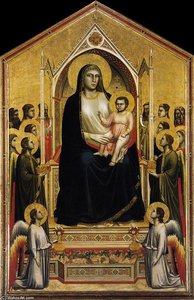
- Madonna in Maest (Ognissanti Madonna) (ansicht auf ArtsDot.com): Dieses Altarbild, das von der Ognissanti Kirche in Florenz bestellt wurde, ist ein bedeutendes Beispiel für Giottos Panelmalerei und seine Verwendung von Tempera.
**Vermächtnis und Einfluss**
Giottos Einfluss auf die westliche Kunst ist tiefgreifend und legte den Grundstein für die Renaissance-Kunstbewegung. Seine Betonung auf Naturalismus, menschliche Emotionen und räumliches Bewusstsein in der Malerei hat Bestand, wodurch er seine Position als eine grundlegende Figur in der europäischen Kunstgeschichte gesichert hat. Erfahren Sie mehr über Giottos Werke und Vermächtnis auf ArtsDot.com.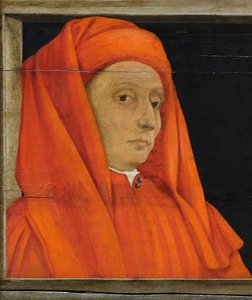
Giotto di Bondone
1267 - 1337 , Italien
Kurzinfos
- Beeinflusste Künstler: ['Cimabue']
- Bemerkenswerte Werke:
- Scrovegni Kapelle
- Ognissanti Madonna
- Geburtsdatum: 1267
- Geburtsort: Florenz, Italien
- Künstlerische Bewegung: Proto-Renaissance, Gotik
- Nationalität: Italienisch
- Todatum: 1337
- Vollständiger Name: Giotto di Bondone
- Von Künstlern Beeinflusst: ['Byzantinische Kunst']
Ähnliche Artikel
Proto-Renaissance Meisterwerke: Die 10 Kunstwerke, die eine Epoche prägten | ArtsDot
Entdecken Sie die 10 prägendsten Meisterwerke der Proto-Renaissance! Von Giotto bis Duccio – erleben Sie die Geschichten, Techniken & zeitlose Schönheit italienischer Frührenaissance Kunst. Hochwertige Reproduktionen auf ArtsDot.com.

The Enduring Legacy of Fresco Painting: Techniques, History & Contemporary Relevance
Explore the rich history & enduring artistry of fresco painting – from Giotto to Michelangelo! Discover techniques, conservation efforts, & modern applications. Learn how ArtsDot brings this timeless art form to your home.

Giotto di Bondone: Die 25 Meisterwerke des Frührenaissance – Kunst für Ihr Zuhause
Entdecken Sie die 25 Meisterwerke von Giotto di Bondone! Erleben Sie die Frührenaissance, religiöse Kunst & ikonische Fresken wie in der Scrovegni Kapelle. Hochwertige Kunstdrucke online bei ArtsDot.com – für zeitlose Eleganz in Ihrem Zuhause.

The Enduring Legacy of Fresco: Technique, History & Artistic Expression Across Cultures
Explore the rich history & enduring legacy of fresco painting! Discover ancient techniques, Giotto's masterpieces, and modern applications. Expert insights for art lovers & professionals.

Das Familienerbe an die Wand bringen: Wandgemälde als Generationenschatz
Verwandeln Sie Ihre Familiengeschichte in ein beeindruckendes Wandgemälde! Expertenrat & hochwertige Handwerkskunst für einzigartige Kunstwerke, die Generationen verbinden. Entdecken Sie jetzt!
![Scrovegni - [05] - Joachims Traum](/media/artworks/images-thumb/8f/67/8f67bb5da87296bd452b3f0b237b528d.jpg)