 Versenden
 Teilen
 Details anzeigen

 Herunterladen
 Ähnliche Objekte
 Diashow
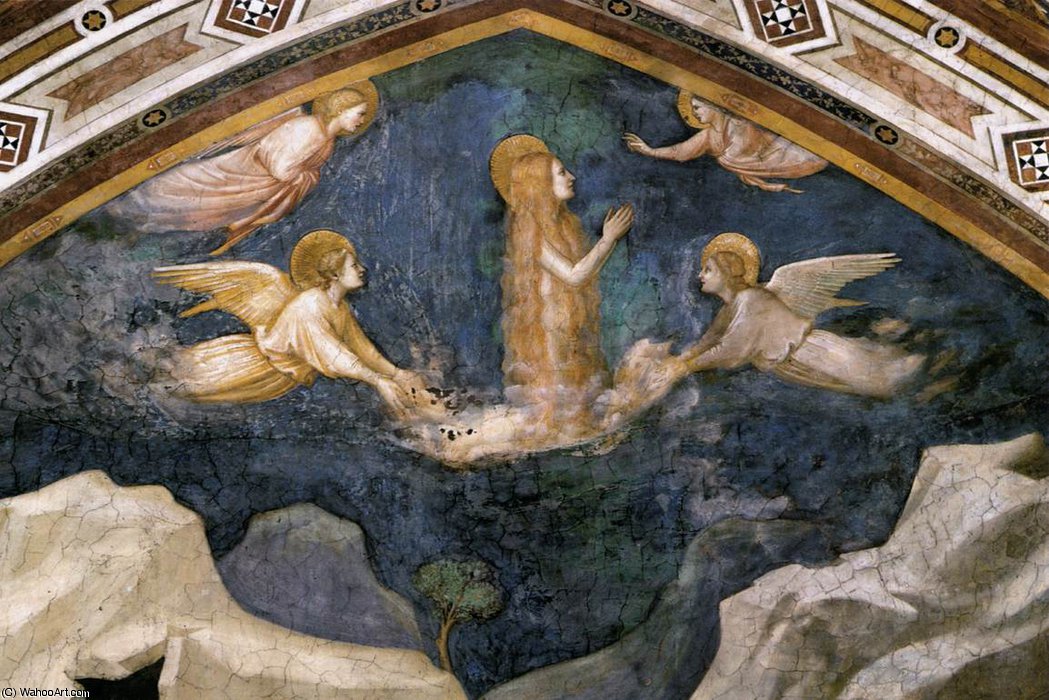
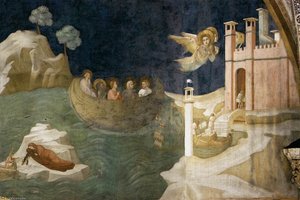
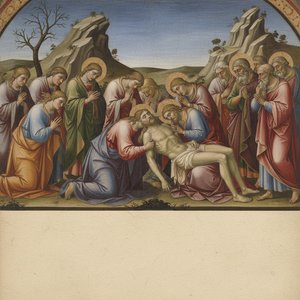
Mary Magdalene Speaking to the Angels


 Weiterlesen
Handgefertigte Ölreproduktion
Handgemaltes Ölgemälde auf Leinwand in Ihrer Wunschgröße und mit Rahmen, auf Bestellung von unseren Künstlern angefertigt. ( Druck bestellen Bild kaufen)




































Wählen Sie aus unseren vordefinierten Formaten, die den ursprünglichen Proportionen des Kunstwerks entsprechen.

Sie können Ihre eigenen Maße eingeben, um einen bestimmten Rahmen oder Platz auszufüllen. Wenn die gewählte Größe nicht den Proportionen des Originalbildes entspricht, werden wir das Kunstwerk entweder beschneiden oder das Gemälde durch zusätzliche, handgemalte Elemente erweitern. Ein digitales Mockup wird Ihnen zur Genehmigung zugesandt, bevor die Produktion beginnt.
Bitte beachten Sie, dass die Bildschirmvorschau nicht die tatsächliche Beschneidung oder Erweiterung widerspiegelt. Nur das Mockup zeigt die endgültige Komposition exakt an.
Obwohl Sondermaße verfügbar sind, empfehlen wir, eine Größe aus der vordefinierten Liste zu wählen, um die ursprünglichen Proportionen beizubehalten.
Nach der Bestellung wird das ArtsDot.com-Team dem Kunden Anweisungen per E-Mail zusenden und eine Mockup-Vorschau bereitstellen.
Weltweiter Versand () in nur 3 bis 4 Wochen statt der üblichen 5 Wochen. (22 August). Keine Kompromisse bei der Qualität.

Kostenloser weltweiter Expressversand

Hochwertige Leinenleinwand

Umfassender Versicherungsschutz beim Versand

Zollgebühren-Rückerstattungsgarantie

Garantie für exakte Farbtreue

60 Tage Rückgaberecht (nur bei Mängeln)

100% Geld-zurück-Garantie

Mengenrabatt verfügbar
 Die Glasoption ist nur für Größen unter 110 cm verfügbar.

Mary Magdalene Speaking to the Angels
Art der Reproduktion
Format der Reproduktion
-


Gesamtpreis
$ 263
Beschreibung des Kunstwerks
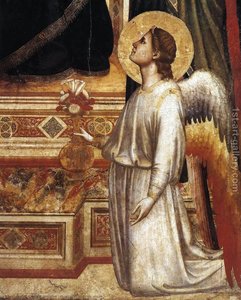
A Moment of Revelation: Giotto's "Mary Magdalene Speaking to the Angels"
Giotto di Bondone’s “Mary Magdalene Speaking to the Angels” stands as a monumental achievement, not merely in its scale but in its profound shift toward a more humanistic and emotionally resonant depiction of religious narrative. Painted around 1308-1310, this fresco, though lost to time and subsequent alterations, represents a crucial bridge between the stylized conventions of Byzantine art and the burgeoning realism that would define the Renaissance. Giotto’s genius lay in his ability to imbue biblical scenes with palpable emotion, moving beyond purely symbolic representation towards a deeply felt understanding of human experience – a revolutionary concept for his era.
- Subject Matter: The fresco portrays Mary Magdalene in a moment of intense spiritual communication. She stands at the heart of the composition, engaged in dialogue with two angelic figures who hover above her, seemingly offering guidance or solace.
- Compositional Innovation: Giotto’s masterful use of space and perspective is immediately apparent. Unlike the flattened, symbolic spaces favored by Byzantine artists, he creates a sense of depth and volume, drawing the viewer into the scene with remarkable immediacy. The figures are not rigidly posed; they possess a naturalistic grace that reflects Giotto's meticulous observation of human anatomy and movement.
Technique and Materials: Fresco Painting at its Finest
Giotto employed the traditional technique of fresco painting, a process demanding immense skill and precision. The pigments – primarily derived from minerals like ochre, azurite, and malachite – were mixed with water and applied to a freshly plastered wall. This ‘carbonized’ plaster reacted with the heat of the kiln during firing, permanently binding the paint to the surface. The resulting image is remarkably durable, testament to Giotto's mastery and the inherent strength of fresco itself. The subtle gradations of color and the delicate modeling of the figures demonstrate his profound understanding of light and shadow – a key element in creating the illusion of three-dimensionality.
- Color Palette: The palette is dominated by earthy tones—ochres, siennas, and umbers—creating a sense of solemnity and spiritual weight. The use of blues, particularly azurite, evokes the heavens and the divine presence of the angels.
- Texture: Giotto’s skillful manipulation of texture adds to the realism of the scene. The rough fabric of Mary Magdalene's garments contrasts with the smooth surfaces of the angelic figures, further enhancing their visual impact.
Symbolism and Emotional Impact
Beyond its technical brilliance, “Mary Magdalene Speaking to the Angels” is rich in symbolic meaning. The presence of the birds – carefully placed throughout the composition – adds another layer of interpretation. Birds have long been associated with spiritual ascension, messengers between heaven and earth, and symbols of hope and redemption. Mary Magdalene’s posture—open, vulnerable, yet resolute—suggests a profound acceptance of her past and a willingness to embrace divine grace. The scene powerfully conveys a sense of emotional intensity – the vulnerability of human faith juxtaposed with the serene authority of the angelic realm. Giotto's ability to capture this complex interplay of emotions is what elevates this fresco beyond mere religious illustration, transforming it into a timeless meditation on humanity’s relationship with the divine.
A Legacy of Innovation
Giotto’s influence on subsequent generations of artists was immense. He established new standards for naturalism, emotional expression, and spatial representation, paving the way for the revolutionary work of Masaccio, Michelangelo, and countless others. Today, a hand-painted reproduction of “Mary Magdalene Speaking to the Angels” offers a unique opportunity to experience firsthand the genius of this pivotal figure in art history – a testament to his unwavering commitment to truth, beauty, and the profound mysteries of faith.
Ähnliche Kunstwerke
Über den Künstler
**Ein Leben der Innovation und künstlerischer Revolution**
Giotto di Bondone, der renommierte italienische Maler und Architekt, hinterließ einen unauslöschlichen Eindruck auf die Kunstwelt mit seinen wegweisenden Beiträgen zur proto-renaissance und gotischen Periode. Geboren 1267 in Florenz, Italien, bleibt das Leben Giottos bis heute weitgehend ein Rätsel, doch sein künstlerisches Erbe ist unbestreitbar.**Künstlerische Beiträge und Innovationen**
Giottos bekannteste Arbeit, die Scrovegni-Kapelle (oder Arena-Kapelle) in Padua, die um 1305 fertiggestellt wurde, ist ein Beweis für seinen innovativen Geist. Diese Freskenzyklis, die das Leben der Jungfrau und das Leben Christi darstellt, zeigt nicht nur sein künstlerisches Genie, sondern demonstriert auch eine Erzähfkraft, die einen bedeutenden Abgang von der stilisierten byzantinischen Herangehensweise darstellte.- Revolutionierung der Malerei: Giottos Betonung auf Naturalismus, Aufmerksamkeit für menschliche Emotionen und Erforschung räumlicher und volumetrischer Figuren in der Malerei legten den Grundstein für die Entwicklungen in der westlichen Kunst, die im Anschluss kamen.
- Architektonische Beiträge: Seine Beauftragung im Jahr 1334 durch die Florentiner Kommune zur Gestaltung des neuen Glockenturms (Campanile) der Florentinischen Kathedrale bekräftigt sein duales Talent als Künstler und Architekt.
**Bekannte Werke und ihre Bedeutung**
- Die Verkündigung: Die Jungfrau empfängt die Botschaft (ansicht auf ArtsDot.com): ein Paradebeispiel für Giottos proto-renaissance Stil, der durch seine Verwendung von Naturalismus und Detailgenauigkeit gekennzeichnet ist.
- Die Geburt Christi (ansicht auf ArtsDot.com): demonstriert Giottos Fähigkeit, komplexe Erzählungen durch seine Fresken zu vermitteln, ein Markenzeichen der proto-renaissance Periode.
- Madonna in Maest (Ognissanti Madonna) (ansicht auf ArtsDot.com): Dieses Altarbild, das von der Ognissanti Kirche in Florenz bestellt wurde, ist ein bedeutendes Beispiel für Giottos Panelmalerei und seine Verwendung von Tempera.
**Vermächtnis und Einfluss**
Giottos Einfluss auf die westliche Kunst ist tiefgreifend und legte den Grundstein für die Renaissance-Kunstbewegung. Seine Betonung auf Naturalismus, menschliche Emotionen und räumliches Bewusstsein in der Malerei hat Bestand, wodurch er seine Position als eine grundlegende Figur in der europäischen Kunstgeschichte gesichert hat. Erfahren Sie mehr über Giottos Werke und Vermächtnis auf ArtsDot.com.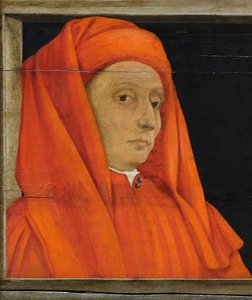
Giotto di Bondone
1267 - 1337 , Italien
Kurzinfos
- Beeinflusste Künstler: ['Cimabue']
- Bemerkenswerte Werke:
- Scrovegni Kapelle
- Ognissanti Madonna
- Geburtsdatum: 1267
- Geburtsort: Florenz, Italien
- Künstlerische Bewegung: Proto-Renaissance, Gotik
- Nationalität: Italienisch
- Todatum: 1337
- Vollständiger Name: Giotto di Bondone
- Von Künstlern Beeinflusst: ['Byzantinische Kunst']
Ähnliche Artikel
Giotto di Bondone: Die 25 Meisterwerke des Frührenaissance – Kunst für Ihr Zuhause
Entdecken Sie die 25 Meisterwerke von Giotto di Bondone! Erleben Sie die Frührenaissance, religiöse Kunst & ikonische Fresken wie in der Scrovegni Kapelle. Hochwertige Kunstdrucke online bei ArtsDot.com – für zeitlose Eleganz in Ihrem Zuhause.
Proto-Renaissance Meisterwerke: Die 10 Kunstwerke, die eine Epoche prägten | ArtsDot
Entdecken Sie die 10 prägendsten Meisterwerke der Proto-Renaissance! Von Giotto bis Duccio – erleben Sie die Geschichten, Techniken & zeitlose Schönheit italienischer Frührenaissance Kunst. Hochwertige Reproduktionen auf ArtsDot.com.
Giotto di Bondone: Revolutionierung der spätmittelalterlichen Malerei durch narrative Innovation
Entdecken Sie Giotto di Bondones revolutionäre Malerei! Erfahren Sie mehr über seine bahnbrechenden Fresken, den Übergang zur Renaissance und seinen Einfluss auf die Kunstgeschichte. Expertenwissen von ArtsDot.

Das Familienerbe an die Wand bringen: Wandgemälde als Generationenschatz
Verwandeln Sie Ihre Familiengeschichte in ein beeindruckendes Wandgemälde! Expertenrat & hochwertige Handwerkskunst für einzigartige Kunstwerke, die Generationen verbinden. Entdecken Sie jetzt!

The Enduring Legacy of Fresco Painting: Techniques, History & Contemporary Relevance
Explore the rich history & enduring artistry of fresco painting – from Giotto to Michelangelo! Discover techniques, conservation efforts, & modern applications. Learn how ArtsDot brings this timeless art form to your home.