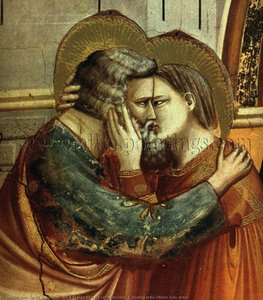
![Scrovegni - [32] - Christus Vor Kaiaphas — Giotto Di Bondone](/media/artworks/images-full/70/35/703548fcd66b84a9ded52ca95ac3da1b.jpg)
 Versenden
 Teilen
 Details anzeigen

 Herunterladen
 Ähnliche Objekte
 Diashow
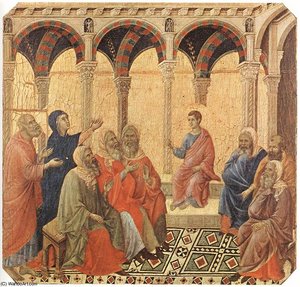
Scrovegni - [32] - Christus vor Kaiaphas


 Weiterlesen
Giclée / Kunstdruck
Giclée- oder Leinwanddruck in Museumsqualität mit schneller Produktion und flexiblen Veredelungsoptionen. ( Handgemalte Reproduktion bestellen Bild kaufen)




































Wählen Sie aus unseren vordefinierten Formaten, die den ursprünglichen Proportionen des Kunstwerks entsprechen.

Sie können Ihre eigenen Maße eingeben, um ein bestimmtes Format oder einen speziellen Platz einzupassen. Wenn das von Ihnen gewählte Format nicht den Proportionen des Originalbildes entspricht, werden wir das Kunstwerk entweder beschneiden oder das Bild mit einem gespiegelten oder einfarbigen Rand erweitern. Ein digitaler Entwurf wird Ihnen zur Genehmigung zugesandt, bevor die Produktion beginnt.
Bitte beachten Sie, dass die Vorschau auf dem Bildschirm nicht den tatsächlichen Zuschnitt oder die Erweiterung widerspiegelt. Nur der Entwurf zeigt die endgültige Komposition präzise an.
Obwohl Sondermaße verfügbar sind, empfehlen wir die Auswahl eines Maßes aus der vordefinierten Liste, um die ursprünglichen Proportionen zu bewahren.
Weltweiter Versand () innerhalb von 2 Wochen statt der üblichen 4/5 Wochen. (22 August)

Kostenloser weltweiter Expressversand

Hochwertige Leinenleinwand

Umfassender Versicherungsschutz beim Versand

Zollgebühren-Rückerstattungsgarantie

Garantie für exakte Farbtreue

60 Tage Rückgaberecht (nur bei Mängeln)

100% Geld-zurück-Garantie

Mengenrabatt verfügbar
 Die Glasoption ist nur für Größen unter 110 cm verfügbar.

Scrovegni - [32] - Christus vor Kaiaphas
Giclée / Kunstdruck
Format der Reproduktion
-


Gesamtpreis
$ 62
Sammlerstück-Beschreibung
Christ Before Caiaphas: A Dramatic Turning Point in Giotto’s Scrovegni Chapel
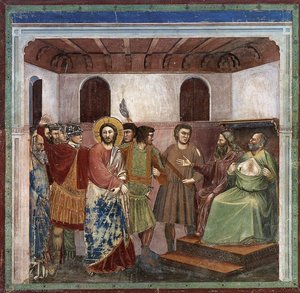
Giotto di Bondone's *Christ Before Caiaphas* stands as an undeniable cornerstone of Western art history, residing within the breathtaking panorama of the Scrovegni Chapel in Padua, Italy. Completed around 1305, this monumental fresco transcends mere depiction; it embodies a revolutionary artistic vision that irrevocably altered the trajectory of painting and cemented Giotto’s legacy as one of the progenitors of the Renaissance. More than just illustrating a biblical narrative—the confrontation between Jesus and Caiaphas during his trial—it's an immersive experience of emotional depth, masterful composition, and groundbreaking stylistic innovation.A Scene Charged with Tension
The fresco captures the palpable anxiety surrounding Christ’s arrest. Giotto meticulously orchestrates the visual drama: Jesus occupies the central axis of the composition, radiating a serene dignity that sharply contrasts with the agitated figures encircling him—priests, soldiers, and witnesses consumed by suspicion and indignation. Caiaphas, positioned slightly off-center, directs his gaze and gestures emphatically, embodying the relentless pressure of accusation. The artist’s deliberate arrangement compels our eye to linger on Christ's impassive countenance, emphasizing his unwavering faith amidst the turbulent atmosphere of the Sanhedrin courtroom. This careful attention to detail speaks volumes about Giotto’s commitment to conveying not just what was seen but how it *felt*.Giotto’s Revolutionary Style
What distinguishes *Christ Before Caiaphas* is Giotto's decisive break from Byzantine artistic conventions. Rejecting the flattened, stylized figures characteristic of his predecessors, he embraced naturalism—a radical departure that prioritized accurate representation of human anatomy and emotion. Observe how Giotto imbues each character with individualized expression through nuanced gestures and facial expressions; these are amplified by his pioneering use of *chiaroscuro*, the dramatic interplay of light and shadow. This technique sculpts forms, creating a palpable sense of volume and depth—a feat previously unattainable in medieval painting. While perspective isn’t fully developed as it would become during the Renaissance, Giotto skillfully employs spatial cues—overlapping figures and diminishing size—to suggest depth within the chapel's architectural setting. The arched windows and vaulted ceiling contribute to this illusionistic space, grounding the scene in a believable environment.Symbolism and Narrative Power
The fresco’s symbolism resonates powerfully across centuries. Christ’s calm composure symbolizes acceptance of his fate and unwavering devotion—a poignant counterpoint to Caiaphas's aggressive posture, which embodies injustice and malice. The diverse reactions of the crowd reflect the complex human response to this pivotal moment in Jesus’s life story. Giotto doesn’t merely recount a tale; he invites contemplation and evokes empathy. He achieves this through masterful body language and facial expressions, ensuring that the scene remains emotionally relevant for viewers today.Historical Context & The Trecento Movement
*Christ Before Caiaphas* emerged during the *Trecento*, a transformative period in Italian art marked by an increasing interest in classical ideals and a burgeoning desire to depict human experience with greater realism. Giotto’s work served as a catalyst for this movement, influencing generations of artists who followed him. He fundamentally reshaped artistic technique and aesthetic sensibilities—establishing a precedent for the Renaissance that would redefine Western art for centuries to come. The Scrovegni Chapel itself was commissioned by Enrico Scrovegni as an act of penitence, adding another layer of significance to the frescoes’ devotional purpose.- Style: Proto-Renaissance
- Technique: Fresco painting
- Location: Scrovegni Chapel, Padua, Italy
- Key Features: Dramatic composition, emotional realism, innovative use of light and shadow; pioneering perspective techniques.
Photo Description: --Overall Impression-- The artwork is a tempera painting depicting a religious scene, likely the Crowning of Christ. It’s a fresco style work, evident in the slightly textured appearance and integration with the wall surface. The composition is tightly arranged, featuring a central group of figures surrounding a seated Christ and a kneeling Pontius Pilate. The scene unfolds within an architectural interior – a room with arched windows and a vaulted ceiling. The perspective is somewhat flattened, typical of Renaissance painting, creating a sense of depth through layering and spatial relationships rather than dramatic vanishing points. Lines are predominantly straight and geometric, defining the architecture and clothing folds. Shapes are largely rectangular and oval, reflecting the figures’ bodies and architectural elements. Textures vary from smooth areas on the walls to more pronounced brushstrokes in the drapery and facial details. Lighting appears to be diffused, illuminating the scene evenly without strong shadows, contributing to a somewhat solemn atmosphere. The color palette is dominated by earthy tones – ochre, terracotta, and muted greens – with touches of red and blue.
Size: Unknown Date: Unknown ARTIST INFORMATION: ================== Artist: Giotto di Bondone Birth Year: 1267 Death Year: 1337 Birth City: Florence Birth Country: Italy Biography:The Shepherd Boy of Florence: Giotto’s Revolutionary Vision
Born around 1267 in the rolling hills near Florence, Italy, Giotto di Bondone emerged from humble beginnings to become arguably the most pivotal figure in the transition from medieval artistic conventions toward the Renaissance. His early life is steeped in legend – a shepherd boy discovered sketching remarkably lifelike sheep on rocks, catching the discerning eye of the Florentine master Cimabue. Whether fact or folklore, this tale encapsulates the essence of Giotto’s genius: an innate ability to capture the natural world with unprecedented realism and emotional depth. Taken as an apprentice by Cimabue, Giotto quickly surpassed his teacher, absorbing technical skills but forging a path distinctly his own. The Byzantine style, dominant at the time, favored stylized figures, flattened perspectives, and lavish gold backgrounds – symbols of spiritual transcendence rather than earthly represen
Ähnliche Kunstwerke
![Scrovegni - [46] - Hoffnung — Giotto Di Bondone, Early Gothic Style](/media/artworks/images-thumb/fe/5d/fe5d829dfc3f51df7d9e5d895accc948.jpg)
![Scrovegni - [33] - Flagellation — Giotto Di Bondone, Gothic](/media/artworks/images-thumb/88/35/883574b661a3e690cc33bcd718531169.jpg)
Über den Künstler
**Ein Leben der Innovation und künstlerischer Revolution**
Giotto di Bondone, der renommierte italienische Maler und Architekt, hinterließ einen unauslöschlichen Eindruck auf die Kunstwelt mit seinen wegweisenden Beiträgen zur proto-renaissance und gotischen Periode. Geboren 1267 in Florenz, Italien, bleibt das Leben Giottos bis heute weitgehend ein Rätsel, doch sein künstlerisches Erbe ist unbestreitbar.**Künstlerische Beiträge und Innovationen**
Giottos bekannteste Arbeit, die Scrovegni-Kapelle (oder Arena-Kapelle) in Padua, die um 1305 fertiggestellt wurde, ist ein Beweis für seinen innovativen Geist. Diese Freskenzyklis, die das Leben der Jungfrau und das Leben Christi darstellt, zeigt nicht nur sein künstlerisches Genie, sondern demonstriert auch eine Erzähfkraft, die einen bedeutenden Abgang von der stilisierten byzantinischen Herangehensweise darstellte.- Revolutionierung der Malerei: Giottos Betonung auf Naturalismus, Aufmerksamkeit für menschliche Emotionen und Erforschung räumlicher und volumetrischer Figuren in der Malerei legten den Grundstein für die Entwicklungen in der westlichen Kunst, die im Anschluss kamen.
- Architektonische Beiträge: Seine Beauftragung im Jahr 1334 durch die Florentiner Kommune zur Gestaltung des neuen Glockenturms (Campanile) der Florentinischen Kathedrale bekräftigt sein duales Talent als Künstler und Architekt.
**Bekannte Werke und ihre Bedeutung**
- Die Verkündigung: Die Jungfrau empfängt die Botschaft (ansicht auf ArtsDot.com): ein Paradebeispiel für Giottos proto-renaissance Stil, der durch seine Verwendung von Naturalismus und Detailgenauigkeit gekennzeichnet ist.
- Die Geburt Christi (ansicht auf ArtsDot.com): demonstriert Giottos Fähigkeit, komplexe Erzählungen durch seine Fresken zu vermitteln, ein Markenzeichen der proto-renaissance Periode.
- Madonna in Maest (Ognissanti Madonna) (ansicht auf ArtsDot.com): Dieses Altarbild, das von der Ognissanti Kirche in Florenz bestellt wurde, ist ein bedeutendes Beispiel für Giottos Panelmalerei und seine Verwendung von Tempera.
**Vermächtnis und Einfluss**
Giottos Einfluss auf die westliche Kunst ist tiefgreifend und legte den Grundstein für die Renaissance-Kunstbewegung. Seine Betonung auf Naturalismus, menschliche Emotionen und räumliches Bewusstsein in der Malerei hat Bestand, wodurch er seine Position als eine grundlegende Figur in der europäischen Kunstgeschichte gesichert hat. Erfahren Sie mehr über Giottos Werke und Vermächtnis auf ArtsDot.com.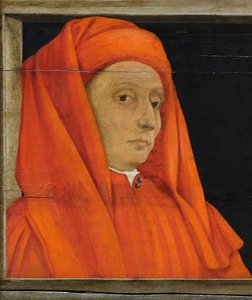
Giotto di Bondone
1267 - 1337 , Italien
Kurzinfos
- Beeinflusste Künstler: ['Cimabue']
- Bemerkenswerte Werke:
- Scrovegni Kapelle
- Ognissanti Madonna
- Geburtsdatum: 1267
- Geburtsort: Florenz, Italien
- Künstlerische Bewegung: Proto-Renaissance, Gotik
- Nationalität: Italienisch
- Todatum: 1337
- Vollständiger Name: Giotto di Bondone
- Von Künstlern Beeinflusst: ['Byzantinische Kunst']
Ähnliche Artikel

Giotto di Bondone: Die 25 Meisterwerke des Frührenaissance – Kunst für Ihr Zuhause
Entdecken Sie die 25 Meisterwerke von Giotto di Bondone! Erleben Sie die Frührenaissance, religiöse Kunst & ikonische Fresken wie in der Scrovegni Kapelle. Hochwertige Kunstdrucke online bei ArtsDot.com – für zeitlose Eleganz in Ihrem Zuhause.
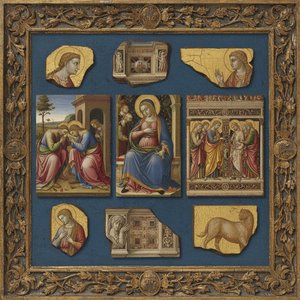
Proto-Renaissance Meisterwerke: Die 10 Kunstwerke, die eine Epoche prägten | ArtsDot
Entdecken Sie die 10 prägendsten Meisterwerke der Proto-Renaissance! Von Giotto bis Duccio – erleben Sie die Geschichten, Techniken & zeitlose Schönheit italienischer Frührenaissance Kunst. Hochwertige Reproduktionen auf ArtsDot.com.
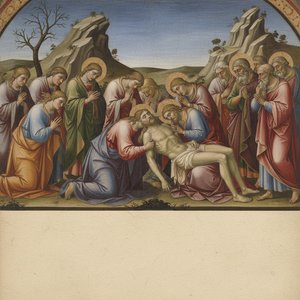
Giotto di Bondone: Revolutionierung der spätmittelalterlichen Malerei durch narrative Innovation
Entdecken Sie Giotto di Bondones revolutionäre Malerei! Erfahren Sie mehr über seine bahnbrechenden Fresken, den Übergang zur Renaissance und seinen Einfluss auf die Kunstgeschichte. Expertenwissen von ArtsDot.
The Dawn of a New Vision: Proto-Renaissance Art & the Seeds of Artistic Revolution
Explore the Proto-Renaissance – the pivotal era bridging medieval and Renaissance art. Discover Giotto's revolutionary frescoes & the artistic innovations that shaped a new vision. Expert insights from ArtsDot.
Spätmittelalterliche Meisterwerke: 10 Kunstwerke für Ihr Zuhause | ArtsDot
Entdecken Sie die 10 bedeutendsten Meisterwerke des Spätmittelalters! Erfahren Sie die Geschichten hinter Jan van Eyck, Rogier van der Weyden & mehr. Hochwertige Kunst Reproduktionen für Ihr Zuhause – jetzt auf ArtsDot.com!