 Versenden
 Teilen
 Details anzeigen

 Herunterladen
 Ähnliche Objekte
 Diashow
 Statistiken
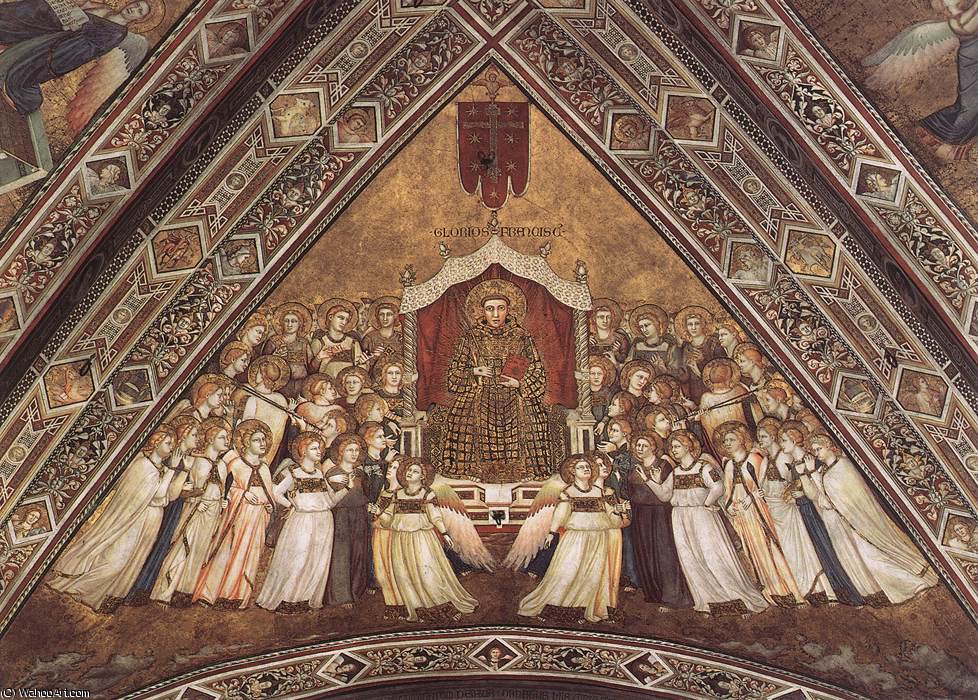
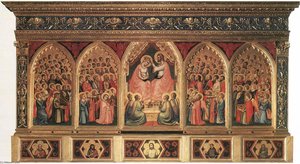
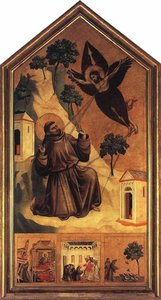
St Francis in Glory

 Weiterlesen
Giclée / Kunstdruck
Giclée- oder Leinwanddruck in Museumsqualität mit schneller Produktion und flexiblen Veredelungsoptionen. ( Handgemalte Reproduktion bestellen Zum digitalen Bild wechseln)




































Wählen Sie aus unseren vordefinierten Formaten, die den ursprünglichen Proportionen des Kunstwerks entsprechen.

Sie können Ihre eigenen Maße eingeben, um ein bestimmtes Format oder einen speziellen Platz einzupassen. Wenn das von Ihnen gewählte Format nicht den Proportionen des Originalbildes entspricht, werden wir das Kunstwerk entweder beschneiden oder das Bild mit einem gespiegelten oder einfarbigen Rand erweitern. Ein digitaler Entwurf wird Ihnen zur Genehmigung zugesandt, bevor die Produktion beginnt.
Bitte beachten Sie, dass die Vorschau auf dem Bildschirm nicht den tatsächlichen Zuschnitt oder die Erweiterung widerspiegelt. Nur der Entwurf zeigt die endgültige Komposition präzise an.
Obwohl Sondermaße verfügbar sind, empfehlen wir die Auswahl eines Maßes aus der vordefinierten Liste, um die ursprünglichen Proportionen zu bewahren.
Weltweiter Versand () innerhalb von 2 Wochen statt der üblichen 4/5 Wochen. (13 September)

Kostenloser weltweiter Expressversand

Hochwertige Leinenleinwand

Umfassender Versicherungsschutz beim Versand

Zollgebühren-Rückerstattungsgarantie

Garantie für exakte Farbtreue

100-Tage-Rückgaberecht (nur bei Mängeln)

100% Geld-zurück-Garantie

Mengenrabatt verfügbar
 Die Glasoption ist nur für Größen unter 110 cm verfügbar.

St Francis in Glory
Giclée / Kunstdruck
Format der Reproduktion
-


Gesamtpreis
$ 62
A Vision of Grace: Giotto’s St Francis in Glory
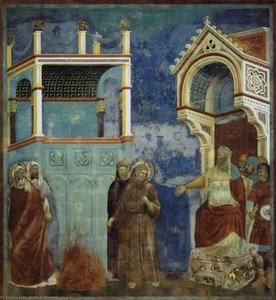
Giotto di Bondone's St Francis in Glory stands as a monumental achievement, not merely a depiction of the saint but a profound articulation of faith and humanity. Painted around 1305-1320, this fresco, though lost to time and now meticulously recreated for ArtsDot.com, embodies Giotto’s revolutionary approach to art – one that moved decisively away from the stylized conventions of Byzantine iconography towards a nascent realism deeply rooted in observation and emotion. The scene captures St. Francis seated in a chair, an unexpected gesture that immediately draws the viewer into his presence, arms outstretched as if embracing all those who gather before him. This posture is not simply pious; it’s profoundly human – a gesture of welcome, compassion, and unconditional love, qualities central to Francis's legacy.
- Subject Matter: The fresco centers on St. Francis of Assisi, the founder of the Franciscan Order, a figure revered for his humility, poverty, and dedication to service.
- Composition: Giotto masterfully employs a pyramidal composition, drawing the eye upwards towards the central figure of St. Francis while simultaneously creating a sense of depth through the arrangement of angels and kneeling figures.
- Setting: The backdrop is a meticulously rendered church ceiling, a common feature in Franciscan art, symbolizing both the sacred space and the saint’s connection to the divine.
The Dawn of Naturalism
Giotto's genius lay in his ability to imbue his figures with palpable humanity – a radical departure from the often-rigid and ethereal representations prevalent at the time. Observe how he renders St. Francis’s face: not idealized, but marked by a gentle serenity, a hint of melancholy, and an expression that speaks volumes about his spiritual journey. The angels surrounding him are similarly rendered with nuanced detail, their wings subtly textured, their faces conveying a range of emotions – awe, reverence, and perhaps even a touch of sorrow. This attention to naturalism was groundbreaking; Giotto wasn’t simply painting saints; he was painting people, imbued with the capacity for both profound faith and deeply felt human experience.
This shift towards realism was fueled by Giotto's travels and observations. He spent time in Southern Italy, where he encountered Romanesque churches adorned with frescoes that showcased a more naturalistic style. These influences combined with his own innate talent to forge a new artistic language – one that would profoundly impact the course of Western art.
Symbolism and Devotion
The fresco is rich in symbolic meaning, reflecting the core tenets of Franciscan spirituality. The kneeling figures represent the faithful, seeking solace and guidance from St. Francis. The angels, traditionally messengers of God, underscore the saint’s divine connection. The act of embracing symbolizes Francis's compassion for all creation, a central theme of his life. The use of color is also significant; rich blues and golds evoke a sense of heavenly glory, while warmer tones represent earthly devotion.
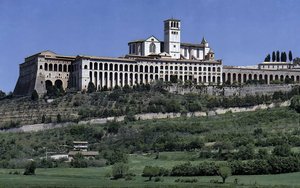
Giotto’s work was commissioned for the Basilica of San Francesco in Assisi, a testament to the saint's enduring influence and the importance of Franciscan ideals. The fresco served as a powerful visual sermon, reinforcing the order’s core values and inspiring generations of followers.
A Timeless Masterpiece – Reimagined
ArtsDot.com is proud to offer meticulously crafted hand-painted reproductions of Giotto's St Francis in Glory. Each reproduction captures the essence of this iconic work, faithfully recreating Giotto’s masterful technique and emotional depth. Whether you are an art collector seeking a significant addition to your collection or an interior designer looking for a statement piece that embodies grace and devotion, our reproductions offer a unique opportunity to experience the power and beauty of one of the Renaissance's most influential artists. Bring this timeless masterpiece into your home and connect with the profound spirituality at its heart.
Ähnliche Kunstwerke
![Legende Des Heiligen Franziskus - [02] - St. Franziskus Gibt Seinen Mantel An Einen Armen Mann — Giotto Di Bondone, Proto-renaissance](/media/artworks/images-thumb/1f/84/1f842a0319a02eaaa27d431c94a53fd1.jpg)
![Legende Des Heiligen Franziskus - [23] - Der Heilsame Franziskus Wird Von Der Heiligen Klara Beweint — Giotto Di Bondone, Gotik](/media/artworks/images-thumb/17/1c/171c284c41dc3ef8bca83e51c1e1e531.jpg)
![Legende Von St Franz - [11] - St Franz Vor Dem Sultan (feuerprobe) — Giotto Di Bondone, Early Renaissance](/media/artworks/images-thumb/0d/32/0d328acfb6c90f7ef32707586e86044b.jpg)
Über den Künstler
**Ein Leben der Innovation und künstlerischer Revolution**
Giotto di Bondone, der renommierte italienische Maler und Architekt, hinterließ einen unauslöschlichen Eindruck auf die Kunstwelt mit seinen wegweisenden Beiträgen zur proto-renaissance und gotischen Periode. Geboren 1267 in Florenz, Italien, bleibt das Leben Giottos bis heute weitgehend ein Rätsel, doch sein künstlerisches Erbe ist unbestreitbar.**Künstlerische Beiträge und Innovationen**
Giottos bekannteste Arbeit, die Scrovegni-Kapelle (oder Arena-Kapelle) in Padua, die um 1305 fertiggestellt wurde, ist ein Beweis für seinen innovativen Geist. Diese Freskenzyklis, die das Leben der Jungfrau und das Leben Christi darstellt, zeigt nicht nur sein künstlerisches Genie, sondern demonstriert auch eine Erzähfkraft, die einen bedeutenden Abgang von der stilisierten byzantinischen Herangehensweise darstellte.- Revolutionierung der Malerei: Giottos Betonung auf Naturalismus, Aufmerksamkeit für menschliche Emotionen und Erforschung räumlicher und volumetrischer Figuren in der Malerei legten den Grundstein für die Entwicklungen in der westlichen Kunst, die im Anschluss kamen.
- Architektonische Beiträge: Seine Beauftragung im Jahr 1334 durch die Florentiner Kommune zur Gestaltung des neuen Glockenturms (Campanile) der Florentinischen Kathedrale bekräftigt sein duales Talent als Künstler und Architekt.
**Bekannte Werke und ihre Bedeutung**
- Die Verkündigung: Die Jungfrau empfängt die Botschaft (ansicht auf ArtsDot.com): ein Paradebeispiel für Giottos proto-renaissance Stil, der durch seine Verwendung von Naturalismus und Detailgenauigkeit gekennzeichnet ist.
- Die Geburt Christi (ansicht auf ArtsDot.com): demonstriert Giottos Fähigkeit, komplexe Erzählungen durch seine Fresken zu vermitteln, ein Markenzeichen der proto-renaissance Periode.
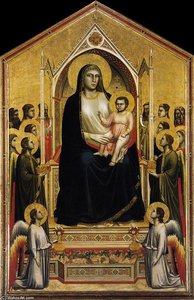
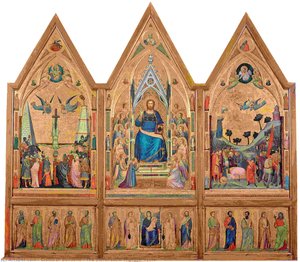
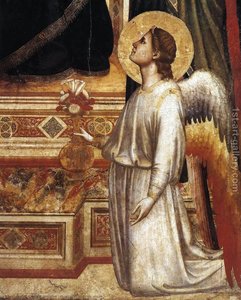
- Madonna in Maest (Ognissanti Madonna) (ansicht auf ArtsDot.com): Dieses Altarbild, das von der Ognissanti Kirche in Florenz bestellt wurde, ist ein bedeutendes Beispiel für Giottos Panelmalerei und seine Verwendung von Tempera.
**Vermächtnis und Einfluss**
Giottos Einfluss auf die westliche Kunst ist tiefgreifend und legte den Grundstein für die Renaissance-Kunstbewegung. Seine Betonung auf Naturalismus, menschliche Emotionen und räumliches Bewusstsein in der Malerei hat Bestand, wodurch er seine Position als eine grundlegende Figur in der europäischen Kunstgeschichte gesichert hat. Erfahren Sie mehr über Giottos Werke und Vermächtnis auf ArtsDot.com.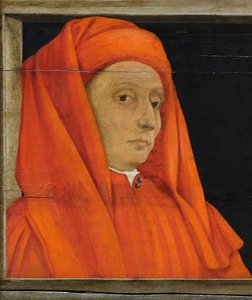
Giotto di Bondone
1267 - 1337 , Italien
Kurzinfos
- Beeinflusste Künstler: ['Cimabue']
- Bemerkenswerte Werke:
- Scrovegni Kapelle
- Ognissanti Madonna
- Geburtsdatum: 1267
- Geburtsort: Florenz, Italien
- Künstlerische Bewegung: Proto-Renaissance, Gotik
- Nationalität: Italienisch
- Todatum: 1337
- Vollständiger Name: Giotto di Bondone
- Von Künstlern Beeinflusst: ['Byzantinische Kunst']
Ähnliche Artikel

Giotto di Bondone: Die 25 Meisterwerke des Frührenaissance – Kunst für Ihr Zuhause
Entdecken Sie die 25 Meisterwerke von Giotto di Bondone! Erleben Sie die Frührenaissance, religiöse Kunst & ikonische Fresken wie in der Scrovegni Kapelle. Hochwertige Kunstdrucke online bei ArtsDot.com – für zeitlose Eleganz in Ihrem Zuhause.
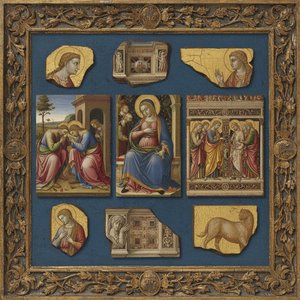
Proto-Renaissance Meisterwerke: Die 10 Kunstwerke, die eine Epoche prägten | ArtsDot
Entdecken Sie die 10 prägendsten Meisterwerke der Proto-Renaissance! Von Giotto bis Duccio – erleben Sie die Geschichten, Techniken & zeitlose Schönheit italienischer Frührenaissance Kunst. Hochwertige Reproduktionen auf ArtsDot.com.
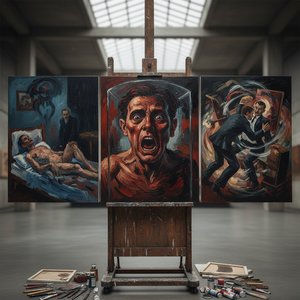
Francis Bacon: Die 25 Meisterwerke des existentiellen Schmerzes | ArtsDot
Entdecken Sie die 25 Meisterwerke von Francis Bacon! Erleben Sie existenzielle Schmerz, expressive Porträts & dunkle Farben. Kunstreproduktionen in Museumsqualiät auf ArtsDot.com – für Ihre Wanddekoration.

Das Familienerbe an die Wand bringen: Wandgemälde als Generationenschatz
Verwandeln Sie Ihre Familiengeschichte in ein beeindruckendes Wandgemälde! Expertenrat & hochwertige Handwerkskunst für einzigartige Kunstwerke, die Generationen verbinden. Entdecken Sie jetzt!
Giotto di Bondone: Revolutionierung der spätmittelalterlichen Malerei durch narrative Innovation
Entdecken Sie Giotto di Bondones revolutionäre Malerei! Erfahren Sie mehr über seine bahnbrechenden Fresken, den Übergang zur Renaissance und seinen Einfluss auf die Kunstgeschichte. Expertenwissen von ArtsDot.
![Scrovegni - [05] - Joachims Traum](/media/artworks/images-thumb/8f/67/8f67bb5da87296bd452b3f0b237b528d.jpg)