 Versenden
 Teilen
 Details anzeigen

 Herunterladen
 Ähnliche Objekte
 Diashow
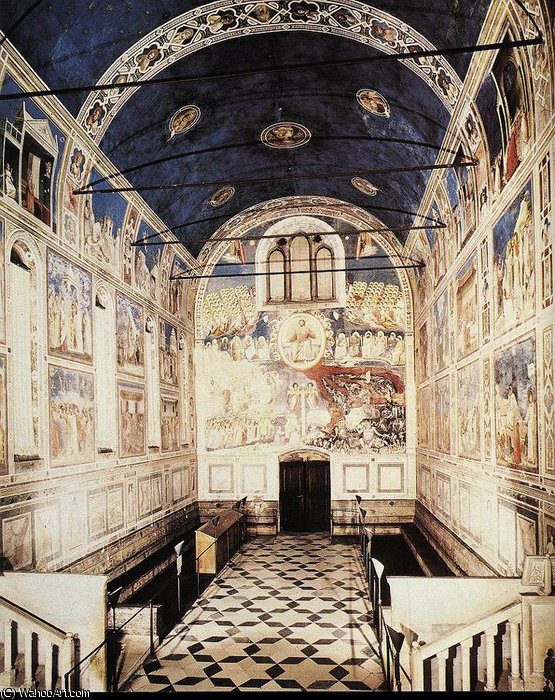
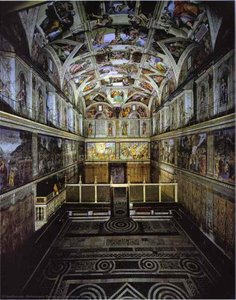
The Chapel viewed towards the entrance


 Weiterlesen
Giclée / Kunstdruck
Giclée- oder Leinwanddruck in Museumsqualität mit schneller Produktion und flexiblen Veredelungsoptionen. ( Handgemalte Reproduktion bestellen Bild kaufen)




































Wählen Sie aus unseren vordefinierten Formaten, die den ursprünglichen Proportionen des Kunstwerks entsprechen.

Sie können Ihre eigenen Maße eingeben, um ein bestimmtes Format oder einen speziellen Platz einzupassen. Wenn das von Ihnen gewählte Format nicht den Proportionen des Originalbildes entspricht, werden wir das Kunstwerk entweder beschneiden oder das Bild mit einem gespiegelten oder einfarbigen Rand erweitern. Ein digitaler Entwurf wird Ihnen zur Genehmigung zugesandt, bevor die Produktion beginnt.
Bitte beachten Sie, dass die Vorschau auf dem Bildschirm nicht den tatsächlichen Zuschnitt oder die Erweiterung widerspiegelt. Nur der Entwurf zeigt die endgültige Komposition präzise an.
Obwohl Sondermaße verfügbar sind, empfehlen wir die Auswahl eines Maßes aus der vordefinierten Liste, um die ursprünglichen Proportionen zu bewahren.
Weltweiter Versand () innerhalb von 2 Wochen statt der üblichen 4/5 Wochen. (1 September)

Kostenloser weltweiter Expressversand

Hochwertige Leinenleinwand

Umfassender Versicherungsschutz beim Versand

Zollgebühren-Rückerstattungsgarantie

Garantie für exakte Farbtreue

60 Tage Rückgaberecht (nur bei Mängeln)

100% Geld-zurück-Garantie

Mengenrabatt verfügbar
 Die Glasoption ist nur für Größen unter 110 cm verfügbar.

The Chapel viewed towards the entrance
Giclée / Kunstdruck
Format der Reproduktion
-


Gesamtpreis
$ 62
A Portal to the Renaissance: The Vision of Giotto
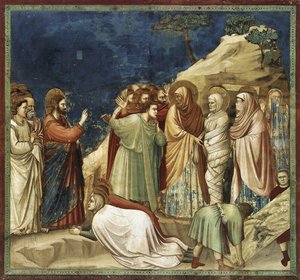
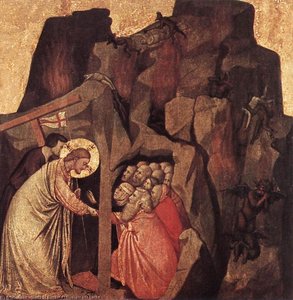
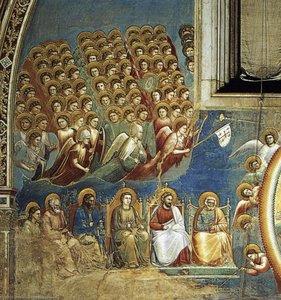
To step into the presence of The Chapel viewed towards the entrance is to witness the very moment Western art broke free from the rigid, golden constraints of the Byzantine era and began to breathe with the rhythm of human life. This breathtaking view of the Scrovegni Chapel—or Arena Chapel—serves as more than just a depiction of sacred architecture; it is a window into a revolutionary period where color, depth, and emotion converged. As one gazes upon the expansive blue ceiling and the walls adorned with intricate gold trim, there is an immediate sense of being enveloped by a celestial atmosphere that feels both profoundly holy and strikingly tangible.
The artistry within this space, masterfully executed by Giotto di Bondone, represents a seismic shift in European painting. While his predecessors relied on flattened perspectives and stylized, symbolic figures, Giotto introduced a sense of weight and volume that had never before been seen. The paintings adorning the walls, including the evocative depiction of a horse, are not merely decorations but windows into a narrative world. Through his pioneering use of color vibrancy and a burgeoning sense of three-dimensional space, Giotto invites the viewer to inhabit the scene, making the divine feel accessible and the historical feel immediate.
The Mastery of Technique and Light
At the heart of this masterpiece lies a technical breakthrough known as arena painting. Moving away from the traditional, sometimes fragile methods of fresco, Giotto utilized a more durable substrate and an innovative use of pigments bound in egg yolk—a technique akin to tempera on plaster. This allowed for a luminous quality that captures light in a way that feels organic rather than artificial. The result is a surface that possesses a remarkable depth; the blues are deep and soulful, while the gold accents catch the eye with a regal brilliance that illuminates the entire cathedral interior.
For the discerning collector or interior designer, this work offers an unparalleled opportunity to introduce a sense of historical grandeur and intellectual depth into a space. The composition, which leads the eye through the doorway toward the distant reaches of the cathedral, creates an illusion of infinite space. This architectural depth makes the artwork an ideal centerpiece for large-scale installations, providing a focal point that commands attention while simultaneously offering a serene, contemplative atmosphere. It is a piece that does not merely occupy a wall but transforms the very energy of a room.
A Legacy of Emotion and Human Connection
Beyond the technical prowess and the architectural splendor lies the true soul of Giotto’s work: the human element. Legend tells us of a young shepherd boy sketching lifelike sheep on rocks, a testament to his innate ability to observe the natural world with precision and empathy. This sensitivity is woven into every inch of the chapel's cycle. The figures within the frescoes possess a psychological complexity—a sense of grief, joy, and devotion—that resonates across centuries. When viewing a reproduction of this chapel, one does not just see a religious site; one feels the weight of human experience.
Incorporating such a profound piece into a curated collection allows for a dialogue between the past and the present. It serves as a reminder of the transformative power of art to reshape our perception of reality. Whether placed in a sophisticated gallery setting or a grand residential hall, this depiction of Giotto’s vision brings with it an aura of timelessness, elegance, and an enduring passion for the beauty of the natural and spiritual worlds.
Ähnliche Kunstwerke
Über den Künstler
**Ein Leben der Innovation und künstlerischer Revolution**
Giotto di Bondone, der renommierte italienische Maler und Architekt, hinterließ einen unauslöschlichen Eindruck auf die Kunstwelt mit seinen wegweisenden Beiträgen zur proto-renaissance und gotischen Periode. Geboren 1267 in Florenz, Italien, bleibt das Leben Giottos bis heute weitgehend ein Rätsel, doch sein künstlerisches Erbe ist unbestreitbar.**Künstlerische Beiträge und Innovationen**
Giottos bekannteste Arbeit, die Scrovegni-Kapelle (oder Arena-Kapelle) in Padua, die um 1305 fertiggestellt wurde, ist ein Beweis für seinen innovativen Geist. Diese Freskenzyklis, die das Leben der Jungfrau und das Leben Christi darstellt, zeigt nicht nur sein künstlerisches Genie, sondern demonstriert auch eine Erzähfkraft, die einen bedeutenden Abgang von der stilisierten byzantinischen Herangehensweise darstellte.- Revolutionierung der Malerei: Giottos Betonung auf Naturalismus, Aufmerksamkeit für menschliche Emotionen und Erforschung räumlicher und volumetrischer Figuren in der Malerei legten den Grundstein für die Entwicklungen in der westlichen Kunst, die im Anschluss kamen.
- Architektonische Beiträge: Seine Beauftragung im Jahr 1334 durch die Florentiner Kommune zur Gestaltung des neuen Glockenturms (Campanile) der Florentinischen Kathedrale bekräftigt sein duales Talent als Künstler und Architekt.
**Bekannte Werke und ihre Bedeutung**
- Die Verkündigung: Die Jungfrau empfängt die Botschaft (ansicht auf ArtsDot.com): ein Paradebeispiel für Giottos proto-renaissance Stil, der durch seine Verwendung von Naturalismus und Detailgenauigkeit gekennzeichnet ist.
- Die Geburt Christi (ansicht auf ArtsDot.com): demonstriert Giottos Fähigkeit, komplexe Erzählungen durch seine Fresken zu vermitteln, ein Markenzeichen der proto-renaissance Periode.
- Madonna in Maest (Ognissanti Madonna) (ansicht auf ArtsDot.com): Dieses Altarbild, das von der Ognissanti Kirche in Florenz bestellt wurde, ist ein bedeutendes Beispiel für Giottos Panelmalerei und seine Verwendung von Tempera.
**Vermächtnis und Einfluss**
Giottos Einfluss auf die westliche Kunst ist tiefgreifend und legte den Grundstein für die Renaissance-Kunstbewegung. Seine Betonung auf Naturalismus, menschliche Emotionen und räumliches Bewusstsein in der Malerei hat Bestand, wodurch er seine Position als eine grundlegende Figur in der europäischen Kunstgeschichte gesichert hat. Erfahren Sie mehr über Giottos Werke und Vermächtnis auf ArtsDot.com.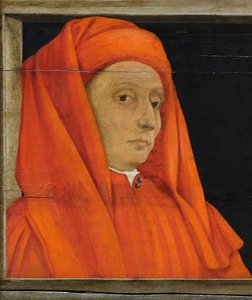
Giotto di Bondone
1267 - 1337 , Italien
Kurzinfos
- Beeinflusste Künstler: ['Cimabue']
- Bemerkenswerte Werke:
- Scrovegni Kapelle
- Ognissanti Madonna
- Geburtsdatum: 1267
- Geburtsort: Florenz, Italien
- Künstlerische Bewegung: Proto-Renaissance, Gotik
- Nationalität: Italienisch
- Todatum: 1337
- Vollständiger Name: Giotto di Bondone
- Von Künstlern Beeinflusst: ['Byzantinische Kunst']
Ähnliche Artikel

Giotto di Bondone: Die 25 Meisterwerke des Frührenaissance – Kunst für Ihr Zuhause
Entdecken Sie die 25 Meisterwerke von Giotto di Bondone! Erleben Sie die Frührenaissance, religiöse Kunst & ikonische Fresken wie in der Scrovegni Kapelle. Hochwertige Kunstdrucke online bei ArtsDot.com – für zeitlose Eleganz in Ihrem Zuhause.

Das Familienerbe an die Wand bringen: Wandgemälde als Generationenschatz
Verwandeln Sie Ihre Familiengeschichte in ein beeindruckendes Wandgemälde! Expertenrat & hochwertige Handwerkskunst für einzigartige Kunstwerke, die Generationen verbinden. Entdecken Sie jetzt!

The Enduring Legacy of Fresco Painting: Techniques, History & Contemporary Relevance
Explore the rich history & enduring artistry of fresco painting – from Giotto to Michelangelo! Discover techniques, conservation efforts, & modern applications. Learn how ArtsDot brings this timeless art form to your home.
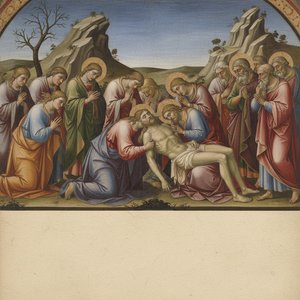
Giotto di Bondone: Revolutionierung der spätmittelalterlichen Malerei durch narrative Innovation
Entdecken Sie Giotto di Bondones revolutionäre Malerei! Erfahren Sie mehr über seine bahnbrechenden Fresken, den Übergang zur Renaissance und seinen Einfluss auf die Kunstgeschichte. Expertenwissen von ArtsDot.

The Enduring Legacy of Fresco: Technique, History & Artistic Expression Across Cultures
Explore the rich history & enduring legacy of fresco painting! Discover ancient techniques, Giotto's masterpieces, and modern applications. Expert insights for art lovers & professionals.