

 Vorschau anzeigen
 Versenden
 Teilen
 Details anzeigen

 Herunterladen
 Ähnliche Objekte
 Röntgenaufnahme
 Diashow
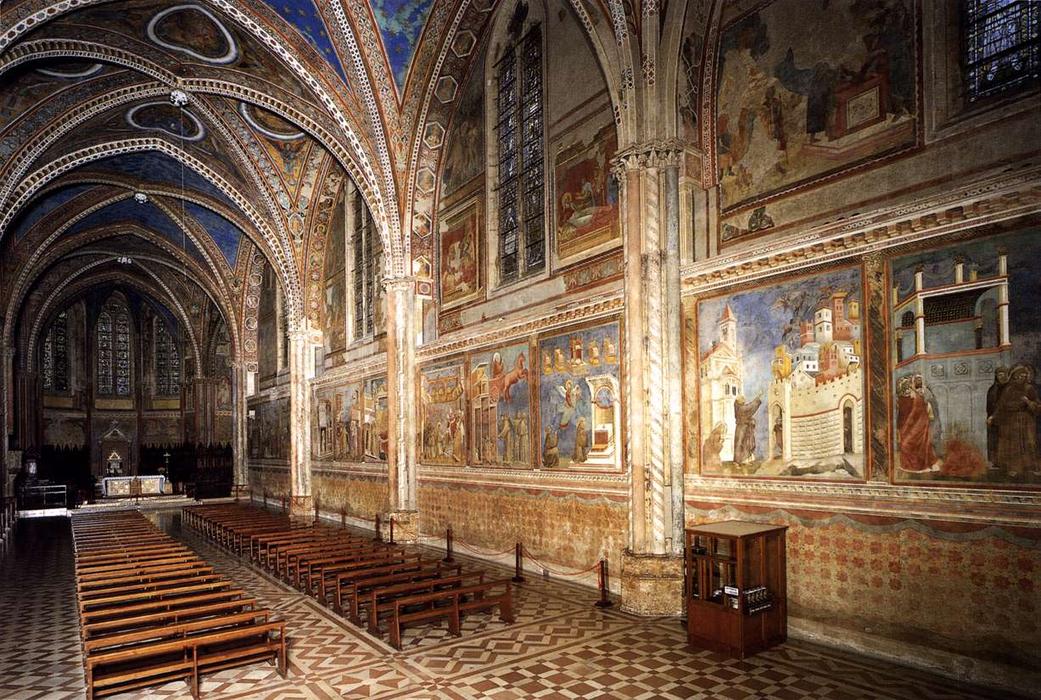
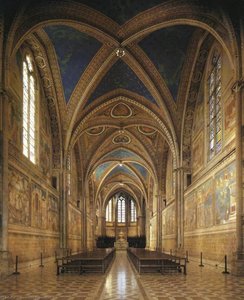
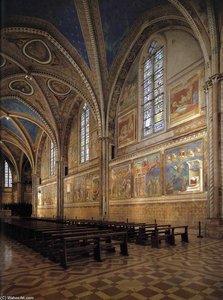
View of the interior towards the altar


 Weiterlesen
Erwerben Sie ein hochauflösendes, optimiertes digitales Bild, das der Online-Vorschau weit überlegen ist.
Jede Datei wird von unseren hauseigenen Spezialisten mit modernsten Werkzeugen und fachmännischer manueller Retusche sorgfältig vorbereitet. Wir stellen sicher, dass jedes Bild eine außergewöhnliche Klarheit, präzise Farbgenauigkeit und feinste Details aufweist.
Die endgültige Datei wird innerhalb von 72 Stunden per E-Mail zugestellt und ist für den sofortigen Einsatz in professionellen, redaktionellen und Druckumgebungen optimiert. Es handelt sich um dieselbe Qualität, der führende Designstudios, Verlage und Galerien vertrauen.
Digitales Bild
Laden Sie eine hochauflösende Datei für die persönliche Präsentation, den Druck und kreative Projekte herunter. ( Druck bestellen Handgemalte Reproduktion bestellen)
In jeder Bestellung digitaler Bilder enthalten
Professionelle digitale Bereitstellung, garantiert
Wenn Sie sich für ArtsDot.com entscheiden, erhalten Sie nicht nur ein Bild – Sie erhalten ein professionell aufbereitetes digitales Kunstwerk, das mit höchster Präzision erstellt und durch eine Zufriedenheitsgarantie abgesichert wird. Hier ist alles, was automatisch mit Ihrer Bestellung geliefert wird:

Schnelle E-Mail-Zustellung
Ihre hochauflösende digitale Bilddatei wird Ihnen innerhalb von 72 Stunden nach der Bestellung per E-Mail zugestellt – bereit zur sofortigen Verwendung.

KI-optimierte digitale Datei
Ihre Kunstwerke werden professionell mithilfe fortschrittlicher KI-Tools und manueller Bearbeitung optimiert, um maximale Detailtreue, Klarheit und Farbgenauigkeit zu gewährleisten.

Lebenslanger kostenloser Neudruckservice
Datei versehentlich gelöscht oder verloren? Keine Sorge – wir senden sie Ihnen jederzeit kostenlos erneut zu.

Keine Einfuhrgebühren – jemals
Genießen Sie Ihr Kunstwerk sofort ohne Zollgebühren, Einfuhrabgaben oder Versandkosten – digitale Downloads sind immer steuerfrei.

Garantierte Farbtreue
Wir garantieren, dass Ihr digitales Bild mithilfe professioneller Werkzeuge und Farbmanagement die Originalfarben so präzise wie möglich wiedergibt.

60-Tage-Zufriedenheitsgarantie
Sollten Sie mit Ihrem digitalen Bild nicht zufrieden sein, werden wir es überarbeiten oder Ihnen innerhalb von 60 Tagen 100% erstatten – ohne Wenn und Aber.

100% Geld-zurück-Garantie
Nicht zufrieden? Erhalten Sie innerhalb von 60 Tagen nach Erhalt Ihrer digitalen Datei eine vollständige Rückerstattung – ohne Angabe von Gründen.

Rabatte bei Großbestellungen
3 Bilder kaufen, 10% sparen – 5 Bilder kaufen, 15% sparen – Ab 10 Bildern 20% sparen. Ideal für kreative Projekte, Galerien und Agenturen.
Details zum Sammlerstück
A Window into Faith: Giotto’s ‘View of the Interior Towards the Altar’
Giotto di Bondone's “View of the Interior Towards the Altar” stands as a monumental achievement, not merely a depiction of a church interior, but a profound step in the burgeoning Renaissance. Painted circa 1300-1310, this work represents a radical departure from the stylized, almost ethereal, religious art that had dominated European painting for centuries. Giotto, working primarily for the Arena Chapel in Padua, fundamentally shifted the focus of artistic representation – moving away from symbolic abstraction towards a tangible, emotionally resonant portrayal of human experience within a sacred space.
- The Revolutionary Realism: Giotto’s genius lay in his ability to render three-dimensional form and spatial depth with unprecedented accuracy. Notice the subtly modeled figures, no longer flattened and idealized, but possessing a believable weight and volume. This is achieved through careful observation of anatomy, light, and shadow – techniques that would become hallmarks of Renaissance art.
- Architectural Innovation: The composition itself demonstrates Giotto’s mastery of perspective. The soaring vaulted ceiling, the receding walls, and the carefully arranged benches create a convincing illusion of space, drawing the viewer into the heart of the church. This was a revolutionary approach, anticipating developments in linear perspective by decades.
- A Humanizing Presence: Unlike earlier depictions where religious figures were often presented as detached deities, Giotto imbues his subjects with a sense of humanity. The worshippers are shown engaged in quiet contemplation, their postures and expressions conveying a range of emotions – from reverence to solemnity.
Technique and Materials: A Master’s Hand
Giotto employed oil paint for the first time on this monumental fresco, a technique that allowed him to achieve greater luminosity and detail than was previously possible with tempera-based pigments. The layering of thin glazes – a hallmark of his style – creates a shimmering effect, particularly noticeable in the drapery and the illuminated surfaces. The scale of the work is equally impressive; Giotto meticulously planned every element, utilizing a complex scaffolding system to execute this ambitious project. The use of vibrant colors, though muted by time, reveals the artist’s skillful manipulation of pigments – blues derived from lapis lazuli, reds from vermilion, and greens from malachite – all contributing to the overall richness and depth of the scene.
- Fresco Technique: Giotto skillfully utilized the fresco technique, applying pigment directly onto wet plaster. This method demanded rapid execution and precise color mixing, further highlighting his technical prowess.
- Glazing Effects: The subtle glazing techniques employed by Giotto create a luminous quality that was revolutionary for its time.
Symbolism and Spiritual Significance
The painting’s subject matter – the interior of a church dedicated to faith – is inherently symbolic. The altar, positioned at the vanishing point of the composition, represents the divine presence. The numerous paintings adorning the walls depict biblical scenes, serving as visual narratives for the faithful. Beyond its literal representation, the work embodies the core tenets of medieval religious belief: humility, devotion, and the pursuit of spiritual enlightenment. Giotto’s focus on human emotion within this sacred context elevates the viewer's experience, inviting contemplation and fostering a sense of connection with the divine.
Emotional Impact and Legacy
"View of the Interior Towards the Altar" is more than just a beautiful painting; it is a pivotal moment in art history. Giotto’s innovations profoundly influenced generations of artists who followed, shaping the course of Western art for centuries to come. The work's enduring power lies in its ability to evoke a sense of awe and reverence, transporting us back to a time when faith and art were inextricably linked. A hand-painted reproduction offers an unparalleled opportunity to experience this masterpiece firsthand, bringing Giotto’s revolutionary vision into your home or studio.
Ähnliche Kunstwerke
![Scrovegni - [33] - Flagellation — Giotto Di Bondone, Gothic](/media/artworks/images-thumb/88/35/883574b661a3e690cc33bcd718531169.jpg)
Biografie des Künstlers
**Ein Leben der Innovation und künstlerischer Revolution**
Giotto di Bondone, der renommierte italienische Maler und Architekt, hinterließ einen unauslöschlichen Eindruck auf die Kunstwelt mit seinen wegweisenden Beiträgen zur proto-renaissance und gotischen Periode. Geboren 1267 in Florenz, Italien, bleibt das Leben Giottos bis heute weitgehend ein Rätsel, doch sein künstlerisches Erbe ist unbestreitbar.**Künstlerische Beiträge und Innovationen**
Giottos bekannteste Arbeit, die Scrovegni-Kapelle (oder Arena-Kapelle) in Padua, die um 1305 fertiggestellt wurde, ist ein Beweis für seinen innovativen Geist. Diese Freskenzyklis, die das Leben der Jungfrau und das Leben Christi darstellt, zeigt nicht nur sein künstlerisches Genie, sondern demonstriert auch eine Erzähfkraft, die einen bedeutenden Abgang von der stilisierten byzantinischen Herangehensweise darstellte.- Revolutionierung der Malerei: Giottos Betonung auf Naturalismus, Aufmerksamkeit für menschliche Emotionen und Erforschung räumlicher und volumetrischer Figuren in der Malerei legten den Grundstein für die Entwicklungen in der westlichen Kunst, die im Anschluss kamen.
- Architektonische Beiträge: Seine Beauftragung im Jahr 1334 durch die Florentiner Kommune zur Gestaltung des neuen Glockenturms (Campanile) der Florentinischen Kathedrale bekräftigt sein duales Talent als Künstler und Architekt.
**Bekannte Werke und ihre Bedeutung**
- Die Verkündigung: Die Jungfrau empfängt die Botschaft (ansicht auf ArtsDot.com): ein Paradebeispiel für Giottos proto-renaissance Stil, der durch seine Verwendung von Naturalismus und Detailgenauigkeit gekennzeichnet ist.
- Die Geburt Christi (ansicht auf ArtsDot.com): demonstriert Giottos Fähigkeit, komplexe Erzählungen durch seine Fresken zu vermitteln, ein Markenzeichen der proto-renaissance Periode.
- Madonna in Maest (Ognissanti Madonna) (ansicht auf ArtsDot.com): Dieses Altarbild, das von der Ognissanti Kirche in Florenz bestellt wurde, ist ein bedeutendes Beispiel für Giottos Panelmalerei und seine Verwendung von Tempera.
**Vermächtnis und Einfluss**
Giottos Einfluss auf die westliche Kunst ist tiefgreifend und legte den Grundstein für die Renaissance-Kunstbewegung. Seine Betonung auf Naturalismus, menschliche Emotionen und räumliches Bewusstsein in der Malerei hat Bestand, wodurch er seine Position als eine grundlegende Figur in der europäischen Kunstgeschichte gesichert hat. Erfahren Sie mehr über Giottos Werke und Vermächtnis auf ArtsDot.com.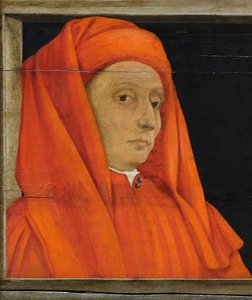
Giotto di Bondone
1267 - 1337 , Italien
Kurzinfos
- Beeinflusste Künstler: ['Cimabue']
- Bemerkenswerte Werke:
- Scrovegni Kapelle
- Ognissanti Madonna
- Geburtsdatum: 1267
- Geburtsort: Florenz, Italien
- Künstlerische Bewegung: Proto-Renaissance, Gotik
- Nationalität: Italienisch
- Todatum: 1337
- Vollständiger Name: Giotto di Bondone
- Von Künstlern Beeinflusst: ['Byzantinische Kunst']

