

 Vorschau anzeigen
 Versenden
 Teilen
 Details anzeigen

 Herunterladen
 Ähnliche Objekte
 Röntgenaufnahme
 Diashow
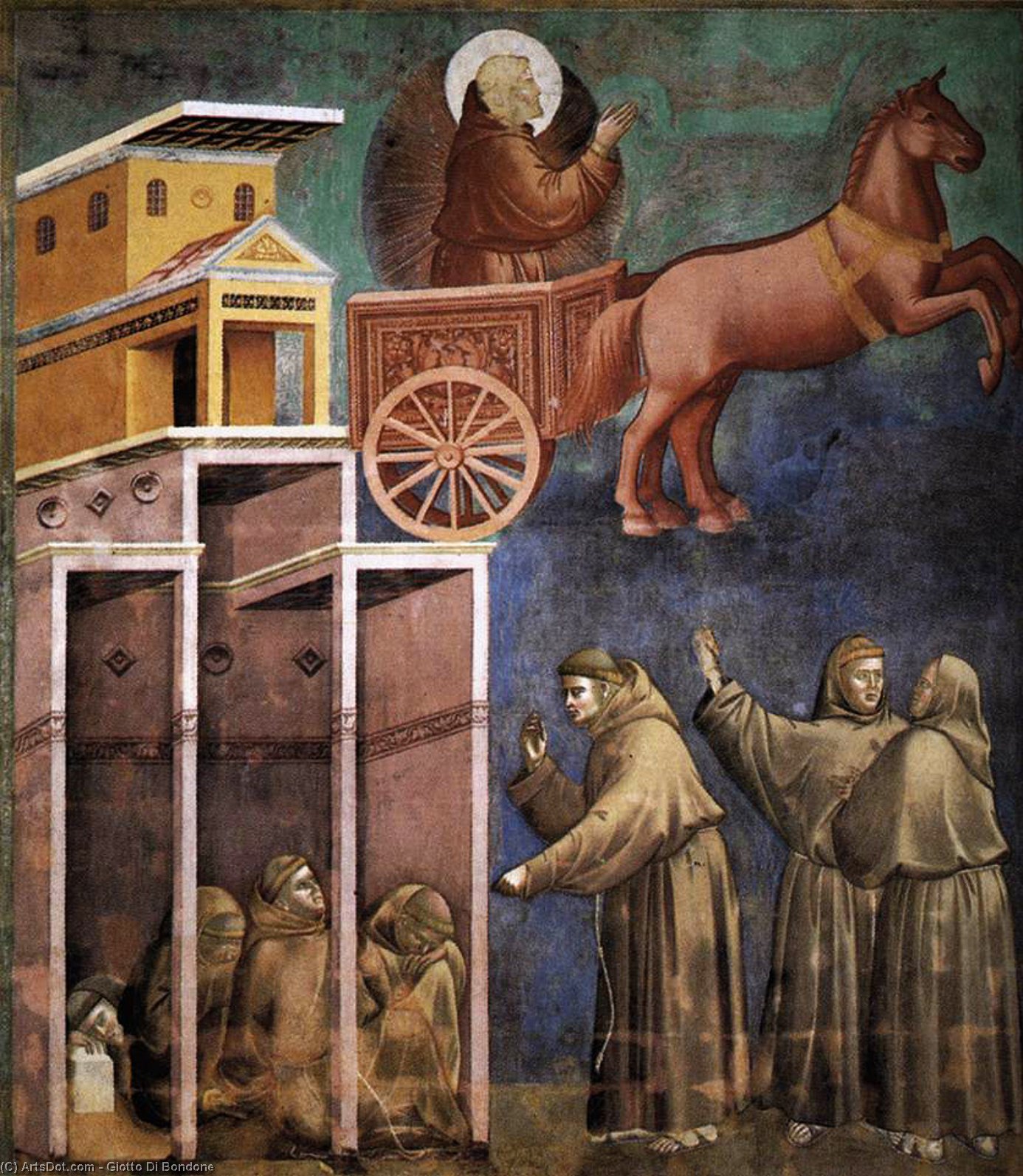
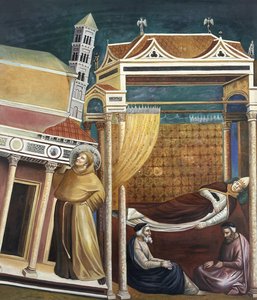
Vision of the Flaming Chariot
 Acryl auf Leinwand
- Wandkunst
- Proto-Renaissance
 1299
1299- Renaissance
 270.0 x 230.0 cm
 Weiterlesen
Erwerben Sie ein hochauflösendes, optimiertes digitales Bild, das der Online-Vorschau weit überlegen ist.
Jede Datei wird von unseren hauseigenen Spezialisten mit modernsten Werkzeugen und fachmännischer manueller Retusche sorgfältig vorbereitet. Wir stellen sicher, dass jedes Bild eine außergewöhnliche Klarheit, präzise Farbgenauigkeit und feinste Details aufweist.
Die endgültige Datei wird innerhalb von 72 Stunden per E-Mail zugestellt und ist für den sofortigen Einsatz in professionellen, redaktionellen und Druckumgebungen optimiert. Es handelt sich um dieselbe Qualität, der führende Designstudios, Verlage und Galerien vertrauen.
Digitales Bild
Laden Sie eine hochauflösende Datei für die persönliche Präsentation, den Druck und kreative Projekte herunter. ( Druck bestellen Handgemalte Reproduktion bestellen)
In jeder Bestellung digitaler Bilder enthalten
Professionelle digitale Bereitstellung, garantiert
Wenn Sie sich für ArtsDot.com entscheiden, erhalten Sie nicht nur ein Bild – Sie erhalten ein professionell aufbereitetes digitales Kunstwerk, das mit höchster Präzision erstellt und durch eine Zufriedenheitsgarantie abgesichert wird. Hier ist alles, was automatisch mit Ihrer Bestellung geliefert wird:

Schnelle E-Mail-Zustellung
Ihre hochauflösende digitale Bilddatei wird Ihnen innerhalb von 72 Stunden nach der Bestellung per E-Mail zugestellt – bereit zur sofortigen Verwendung.

KI-optimierte digitale Datei
Ihre Kunstwerke werden professionell mithilfe fortschrittlicher KI-Tools und manueller Bearbeitung optimiert, um maximale Detailtreue, Klarheit und Farbgenauigkeit zu gewährleisten.

Lebenslanger kostenloser Neudruckservice
Datei versehentlich gelöscht oder verloren? Keine Sorge – wir senden sie Ihnen jederzeit kostenlos erneut zu.

Keine Einfuhrgebühren – jemals
Genießen Sie Ihr Kunstwerk sofort ohne Zollgebühren, Einfuhrabgaben oder Versandkosten – digitale Downloads sind immer steuerfrei.

Garantierte Farbtreue
Wir garantieren, dass Ihr digitales Bild mithilfe professioneller Werkzeuge und Farbmanagement die Originalfarben so präzise wie möglich wiedergibt.

60-Tage-Zufriedenheitsgarantie
Sollten Sie mit Ihrem digitalen Bild nicht zufrieden sein, werden wir es überarbeiten oder Ihnen innerhalb von 60 Tagen 100% erstatten – ohne Wenn und Aber.

100% Geld-zurück-Garantie
Nicht zufrieden? Erhalten Sie innerhalb von 60 Tagen nach Erhalt Ihrer digitalen Datei eine vollständige Rückerstattung – ohne Angabe von Gründen.

Rabatte bei Großbestellungen
3 Bilder kaufen, 10% sparen – 5 Bilder kaufen, 15% sparen – Ab 10 Bildern 20% sparen. Ideal für kreative Projekte, Galerien und Agenturen.
The Vision of the Flaming Chariot: A Dawn of Renaissance Emotion
Giotto di Bondone’s “Vision of the Flaming Chariot,” painted in 1299 as part of the breathtaking frescoes adorning the Cappella Scrovegni (Arena Chapel) in Padua, Italy, represents a monumental leap forward in Western art. More than just a religious depiction, it's a visceral encounter with faith, human emotion, and the nascent seeds of the Renaissance itself. Commissioned by Enrico Scrovegni as an act of penance for his family’s sins, this masterpiece offers a rare glimpse into the mind of an artist grappling with new ways to represent the world – a world imbued with feeling and depth.

The fresco, measuring 270 x 230 cm, is executed in the Proto-Renaissance style, utilizing the traditional technique of frescoes – pigments applied to wet plaster. This method creates a remarkable durability and luminosity, allowing Giotto’s vibrant colors and intricate details to endure for centuries. The scene centers around St. Francis of Assisi receiving a divine vision, brilliantly rendered through a dynamic composition that immediately draws the viewer into the narrative.
A Story Told Through Movement and Emotion
At the heart of the fresco is a compelling interaction. St. Francis, depicted in a rich brown robe, engages with one of three horses – a central figure, another positioned near the top, and a third at the bottom right corner. The precise nature of this exchange remains open to interpretation, but it’s widely believed that he receives a message from God through the animal, symbolizing divine guidance and connection. The other figures surrounding him—one on his left, two on his right—add layers of complexity to the scene, suggesting a gathering of witnesses to this extraordinary event.
Giotto’s genius lies not just in depicting the figures themselves but in conveying their emotional states. The faces are no longer stylized and detached; they possess an unprecedented sense of realism and feeling. The viewer feels St. Francis' awe, his reverence, and perhaps even a touch of vulnerability as he confronts the divine.
Symbolism and Context: A Chapel of Redemption
Beyond its immediate narrative, “Vision of the Flaming Chariot” is deeply rooted in its historical context. The Cappella Scrovegni itself was built during a period of profound spiritual reflection and artistic innovation. Enrico Scrovegni’s commission reflects a desire for redemption and underscores the chapel's role as a place of worship and contemplation. The building’s architecture, combined with Giotto’s frescoes, creates an atmosphere of solemnity and reverence.
The inclusion of the horses is particularly significant. Horses were often associated with divine power and messengers in medieval iconography. Their presence elevates the scene beyond a simple depiction of a religious vision; it transforms it into a powerful allegory of faith and spiritual revelation. The background building, possibly representing a church or other sacred structure, further reinforces this symbolic weight.
A Legacy of Innovation
“Vision of the Flaming Chariot” is widely considered one of Giotto’s most important works and a pivotal moment in art history. It marks a decisive break from the rigid conventions of Byzantine art, paving the way for the innovations that would characterize the High Renaissance. Giotto's emphasis on human emotion, realistic depiction, and dynamic composition profoundly influenced generations of artists to come. Today, this remarkable fresco continues to inspire awe and wonder, offering a tangible connection to one of the most brilliant minds of the medieval period.
Ähnliche Kunstwerke
![Legende Des Heiligen Franziskus - [02] - St. Franziskus Gibt Seinen Mantel An Einen Armen Mann — Giotto Di Bondone, Proto-renaissance](/media/artworks/images-thumb/1f/84/1f842a0319a02eaaa27d431c94a53fd1.jpg)
![Legende Des Hl. Franziskus - [09] - Vision Der Throne — Giotto Di Bondone, Gotische Kunst](/media/artworks/images-thumb/22/63/2263d17803affec5bf4662652047e257.jpg)
Biografie des Künstlers
**Ein Leben der Innovation und künstlerischer Revolution**
Giotto di Bondone, der renommierte italienische Maler und Architekt, hinterließ einen unauslöschlichen Eindruck auf die Kunstwelt mit seinen wegweisenden Beiträgen zur proto-renaissance und gotischen Periode. Geboren 1267 in Florenz, Italien, bleibt das Leben Giottos bis heute weitgehend ein Rätsel, doch sein künstlerisches Erbe ist unbestreitbar.**Künstlerische Beiträge und Innovationen**
Giottos bekannteste Arbeit, die Scrovegni-Kapelle (oder Arena-Kapelle) in Padua, die um 1305 fertiggestellt wurde, ist ein Beweis für seinen innovativen Geist. Diese Freskenzyklis, die das Leben der Jungfrau und das Leben Christi darstellt, zeigt nicht nur sein künstlerisches Genie, sondern demonstriert auch eine Erzähfkraft, die einen bedeutenden Abgang von der stilisierten byzantinischen Herangehensweise darstellte.- Revolutionierung der Malerei: Giottos Betonung auf Naturalismus, Aufmerksamkeit für menschliche Emotionen und Erforschung räumlicher und volumetrischer Figuren in der Malerei legten den Grundstein für die Entwicklungen in der westlichen Kunst, die im Anschluss kamen.
- Architektonische Beiträge: Seine Beauftragung im Jahr 1334 durch die Florentiner Kommune zur Gestaltung des neuen Glockenturms (Campanile) der Florentinischen Kathedrale bekräftigt sein duales Talent als Künstler und Architekt.
**Bekannte Werke und ihre Bedeutung**
- Die Verkündigung: Die Jungfrau empfängt die Botschaft (ansicht auf ArtsDot.com): ein Paradebeispiel für Giottos proto-renaissance Stil, der durch seine Verwendung von Naturalismus und Detailgenauigkeit gekennzeichnet ist.
- Die Geburt Christi (ansicht auf ArtsDot.com): demonstriert Giottos Fähigkeit, komplexe Erzählungen durch seine Fresken zu vermitteln, ein Markenzeichen der proto-renaissance Periode.
- Madonna in Maest (Ognissanti Madonna) (ansicht auf ArtsDot.com): Dieses Altarbild, das von der Ognissanti Kirche in Florenz bestellt wurde, ist ein bedeutendes Beispiel für Giottos Panelmalerei und seine Verwendung von Tempera.
**Vermächtnis und Einfluss**
Giottos Einfluss auf die westliche Kunst ist tiefgreifend und legte den Grundstein für die Renaissance-Kunstbewegung. Seine Betonung auf Naturalismus, menschliche Emotionen und räumliches Bewusstsein in der Malerei hat Bestand, wodurch er seine Position als eine grundlegende Figur in der europäischen Kunstgeschichte gesichert hat. Erfahren Sie mehr über Giottos Werke und Vermächtnis auf ArtsDot.com.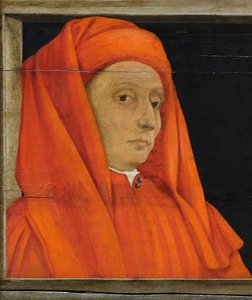
Giotto di Bondone
1267 - 1337 , Italien
Kurzinfos
- Beeinflusste Künstler: ['Cimabue']
- Bemerkenswerte Werke:
- Scrovegni Kapelle
- Ognissanti Madonna
- Geburtsdatum: 1267
- Geburtsort: Florenz, Italien
- Künstlerische Bewegung: Proto-Renaissance, Gotik
- Nationalität: Italienisch
- Todatum: 1337
- Vollständiger Name: Giotto di Bondone
- Von Künstlern Beeinflusst: ['Byzantinische Kunst']

