

 Vorschau anzeigen
 Versenden
 Teilen
 Details anzeigen

 Herunterladen
 Ähnliche Objekte
 Röntgenaufnahme
 Diashow
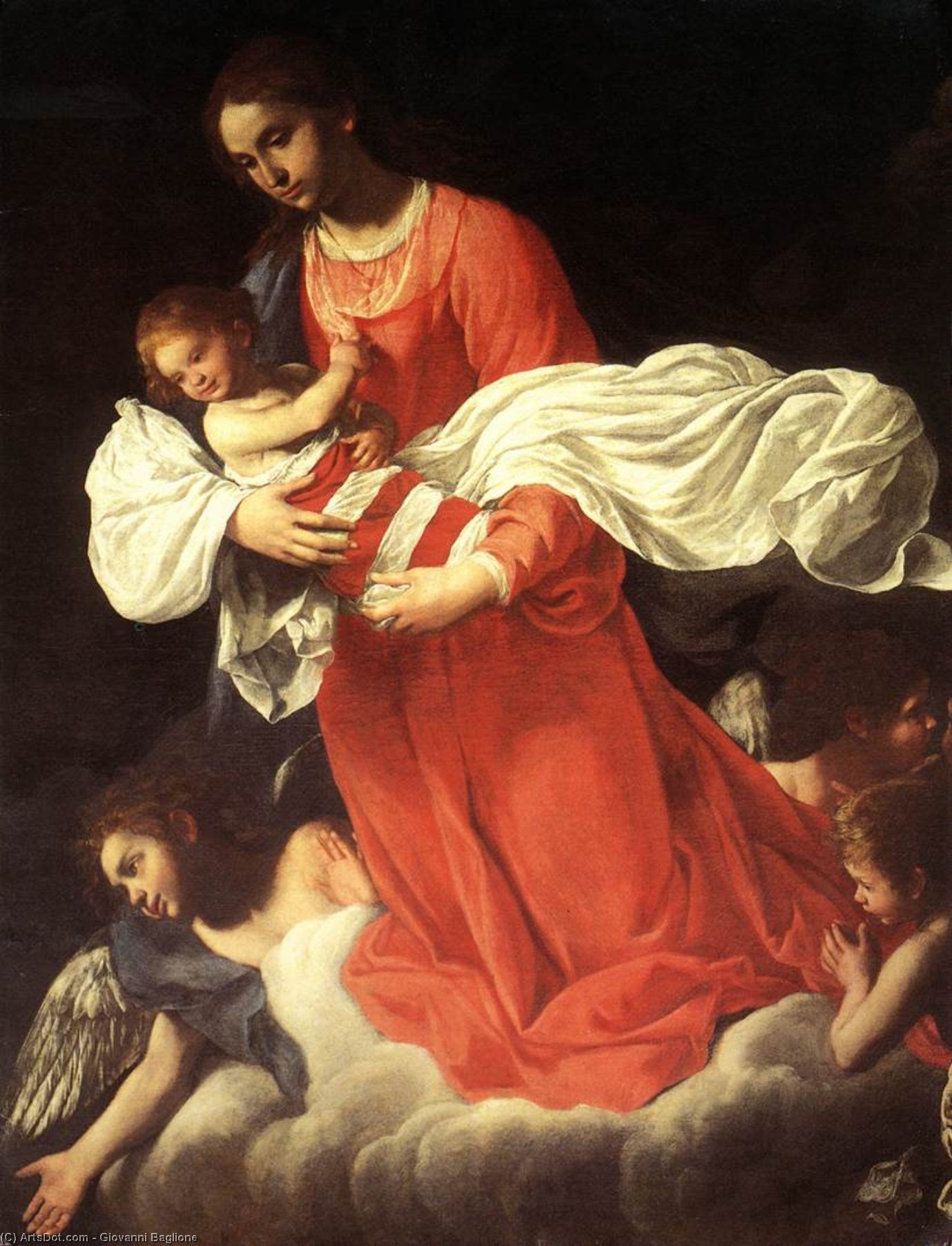
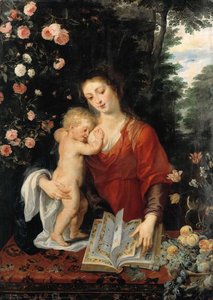
The Virgin and the Child with Angels


 Weiterlesen
Handgefertigte Ölreproduktion
Handgemaltes Ölgemälde auf Leinwand in Ihrer Wunschgröße und mit Rahmen, auf Bestellung von unseren Künstlern angefertigt. ( Druck bestellen Bild kaufen)




P118B $10

P118H $10

P118W $10

P438Z $10

P508JH $12

P508YH $12

P805H $10

P805Z $10

P919BZ $10

P919G $10

P919XJ $10

P959ZH $10

P968JZ $12

W106C $8

W218G $10

W218JH $8

W218Y $10

W307PJ $10

W316G $10

W316PJ $8

W316Y $10

W398PJ $8

W4111J $10

W500HY $15

W500JH $15

W692G $12

W849H $8

W940BG $15

W953PJ $8




Wählen Sie aus unseren vordefinierten Formaten, die den ursprünglichen Proportionen des Kunstwerks entsprechen.

Sie können Ihre eigenen Maße eingeben, um einen bestimmten Rahmen oder Platz auszufüllen. Wenn die gewählte Größe nicht den Proportionen des Originalbildes entspricht, werden wir das Kunstwerk entweder beschneiden oder das Gemälde durch zusätzliche, handgemalte Elemente erweitern. Ein digitales Mockup wird Ihnen zur Genehmigung zugesandt, bevor die Produktion beginnt.
Bitte beachten Sie, dass die Bildschirmvorschau nicht die tatsächliche Beschneidung oder Erweiterung widerspiegelt. Nur das Mockup zeigt die endgültige Komposition exakt an.
Obwohl Sondermaße verfügbar sind, empfehlen wir, eine Größe aus der vordefinierten Liste zu wählen, um die ursprünglichen Proportionen beizubehalten.
Nach der Bestellung wird das ArtsDot.com-Team dem Kunden Anweisungen per E-Mail zusenden und eine Mockup-Vorschau bereitstellen.
Weltweiter Versand () in nur 3 bis 4 Wochen statt der üblichen 5 Wochen. (27 August). Keine Kompromisse bei der Qualität.

Kostenloser weltweiter Expressversand

Hochwertige Leinenleinwand

Umfassender Versicherungsschutz beim Versand

Zollgebühren-Rückerstattungsgarantie

Garantie für exakte Farbtreue

60 Tage Rückgaberecht (nur bei Mängeln)

100% Geld-zurück-Garantie

Mengenrabatt verfügbar
 Die Glasoption ist nur für Größen unter 110 cm verfügbar.

The Virgin and the Child with Angels
Art der Reproduktion
Format der Reproduktion
-


Gesamtpreis
$ 263
Beschreibung des Kunstwerks
Giovanni Baglione: The Virgin and Child with Angels – A Baroque Masterpiece
Giovanni Baglione’s *The Virgin and Child with Four Angels*, completed around 1602, stands as a cornerstone of Early Baroque art in Rome—a testament to the burgeoning fervor for religious imagery during a period marked by profound spiritual transformation. More than just a depiction of biblical iconography, this painting embodies the stylistic innovations that defined the era, reflecting Caravaggio’s dramatic chiaroscuro technique and establishing Baglione as one of the foremost artists documenting the artistic landscape of his time. Its enduring appeal lies not only in its exquisite craftsmanship but also in its ability to convey a palpable sense of serenity and divine grace—a rare achievement considering the turbulent political climate of Rome at the outset of the seventeenth century.A Synthesis of Mannerism and Baroque Innovation
Baglione’s artistic journey began under Francesco Morelli, absorbing influences from Florentine Mannerism – particularly Jan van Eyck's *Virgin with Child at a Fountain*. However, Baglione swiftly embraced the Baroque aesthetic, championed by artists like Caravaggio and Guido Reni. This fusion resulted in a style characterized by heightened realism combined with theatrical lighting—a deliberate departure from the stylized compositions of his predecessors. The painting’s pyramidal structure mirrors that of van Eyck's masterpiece, grounding the figures within a carefully constructed space while simultaneously elevating them towards an idealized celestial realm. Unlike Mannerist art which prioritized intellectual contemplation and subtle distortions of form, Baglione sought to evoke emotion through vivid color palettes and dynamic movement—a hallmark of Baroque artistic expression.Detailed Technique and Material Considerations
The painting’s execution demonstrates Baglione's mastery of oil paint on canvas – a medium favored by artists striving for luminous effects and textural richness. The artist employed meticulous brushwork, painstakingly layering pigments to achieve an astonishing level of detail—particularly evident in the depiction of Mary’s hair, rendered with incredibly thin strokes that capture its shimmering texture. Furthermore, Baglione skillfully utilized glazing techniques—applying translucent layers of paint over underlying colors—to imbue the artwork with depth and luminosity. The subtle gradations of light and shadow create a dramatic interplay between illumination and darkness, mirroring the spiritual drama unfolding within the scene. This meticulous attention to material and technique underscores Baglione’s commitment to capturing not merely visual likeness but also the emotional essence of his subject matter.Symbolism and Spiritual Significance
The painting's symbolism speaks volumes about its theological context. The Virgin Mary is crowned Queen of Heaven by two angels, representing her divine honor and foreshadowing her role as mediator between God and humanity. The angel musicians symbolize divine harmony and praise—a visual representation of the liturgical music that would have accompanied prayers during Mass. The walled garden setting symbolizes Mary’s purity and virginity – a deliberate allusion to biblical narratives emphasizing spiritual perfection. Moreover, Baglione's inclusion of a Roman cityscape in the background serves as a reminder of the artist’s engagement with contemporary life—a subtle acknowledgment of the importance of earthly experience within the framework of Christian faith. The painting is intended to inspire devotion and contemplation—to transport viewers into a realm of transcendent beauty and spiritual serenity.Legacy and Enduring Appeal
Giovanni Baglione's *The Virgin and Child with Four Angels* remains an iconic exemplar of Baroque art, influencing generations of painters who followed him. Its masterful blend of Mannerist refinement and Baroque dynamism cemented Baglione’s reputation as one of Rome’s foremost artistic voices—a figure documenting the artistic fervor of his era. Today housed in the Royal Collection, the painting continues to captivate audiences with its luminous colors, dramatic lighting, and profound spiritual resonance—a testament to Baglione's enduring legacy as a visionary artist who elevated painting to new heights of expressive power.Ähnliche Kunstwerke


Über den Künstler
Giovanni Baglione: Leben und Karriere
- Geboren: Rom, Italien (1566)
- Gestorben: 1643
- Nationalität: Italienisch
- Stilrichtung: Spätmanierismus, Frühbarock
Künstlerische Entwicklung und Einflüsse
- Spätmanierismus: Anfänglich beeinflusst von Giuseppe Cesari (dem "Cavaliere d'Arpino"), spiegelte Bagliones früherer Stil die vorherrschende spätmanieristische Ästhetik in Rom wider.
- Caravaggismo-Phase: Eine bedeutende Phase seiner künstlerischen Entwicklung umfasste einen starken Einfluss von Caravaggio, der sich in der Annahme dramatischer Beleuchtung und realistischer Darstellungen zeigte. Diese Phase war geprägt von Rechtsstreitigkeiten mit Caravaggio aufgrund satirischer Verse.
- Bologneser Einfluss: In den 1610er Jahren nahm Bagliones Stil Elemente auf, die von bolognesischen Künstlern beeinflusst waren, was seine Bereitschaft zur Anpassung an sich entwickelnde künstlerische Trends demonstrierte.
- Reifer Barockstil: Sein späterer Stil entwickelte sich zu einem allgemeineren und typischeren Frühbarockansatz, wobei er jedoch Aspekte seiner früheren Ausbildung in *disegno* (Zeichnung) beibehielt.
Wichtige Werke und Errungenschaften
- Fresken in Santa Maria dell'Orto (1598): Eine Reihe von Fresken, die Szenen aus dem Leben der Jungfrau darstellen, etablierten Bagliones Ruf als vielversprechender Künstler.
- Fresco für San Giovanni in Laterano (ca. 1600): Diese Arbeit zeigte seinen sich entwickelnden Stil und wachsende Anerkennung innerhalb der römischen Kunstwelt.
- Auftrag für den Petersdom (1604): Ein bedeutender Auftrag, der seine Stellung unter den führenden Künstlern seiner Zeit hervorhebt.
- Fresken in der Cappella Paolina in Santa Maria Maggiore (1610-1612): Demonstrierten weiterhin seine Fähigkeit, prestigeträchtige Projekte zu sichern.
- Le nove chiese di Roma (1639): Ein Kunstführer für die neun wichtigsten Pilgerkirchen Roms, der Einblicke in zeitgenössische Kunst und Architektur bietet.
- Le vite de’ pittori, scultori ed architetti (1642): Sein bedeutendster Beitrag als Kunsthistoriker – eine Sammlung von Biographien über mehr als zweihundert Künstler, die zwischen 1572 und 1642 in Rom tätig waren.
Historische Bedeutung
- Erster Historiker des römischen Barock: Baglione wird oft als der erste Historiker des römischen Barock angesehen, aufgrund seiner detaillierten Dokumentation von Künstlern und ihren Werken.
- Wichtige Quelle für die Kunstgeschichte des 17. Jahrhunderts: *Le vite* bietet unschätzbare Einblicke in die künstlerische Landschaft des 17. Jahrhunderts in Rom und dient als entscheidende Ressource für Kunsthistoriker.
- Dokumentation von künstlerischen Praktiken: Seine Schriften werfen Licht auf den sozialen Status, die Schutzherrschaftsnetzwerke und beruflichen Praktiken von Künstlern seiner Zeit.
- Komplexes Verhältnis zu Caravaggio: Die Rechtsstreitigkeiten und Rivalitäten zwischen Baglione und Caravaggio bieten einen faszinierenden Einblick in das wettbewerbsorientierte Wesen der römischen Kunstwelt.
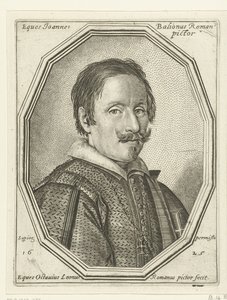
Giovanni Baglione
1566 - 1643 , Italien
Kurzinfos
- Beeinflusste Künstler: ['Francesco Morelli']
- Bemerkenswerte Werke:
- Fresken in Santa Maria dell'Orto
- Fresco für San Giovanni in Laterano
- Le vite de’ pittori, scultori ed architetti
- Geburtsdatum: 1566
- Geburtsort: Rom, Italien
- Künstlerische Richtung:
- Spätmanierismus
- Frühbarock
- Nationalität: Italienisch
- Todestag: 1643
- Vollständiger Name: Giovanni Baglione
- Von Künstlern Beeinflusst:
- Giuseppe Cesari
- Caravaggio
Ähnliche Artikel

Barock Meisterwerke: Die 10 prägendsten Kunstwerke für Ihr Zuhause |
Entdecken Sie die 10 prägendsten Meisterwerke des Barock! Caravaggio, Rembrandt & Co. – Erfahren Sie die Geschichten hinter ikonischen Gemälde und finden Sie hochwertige Kunst Reproduktionen für Ihr Zuhause auf .
Museo del Prado: Die 25 Meisterwerke – Kunst für Ihr Zuhause | ArtsDot
Entdecken Sie die 25 Meisterwerke des Museo del Prado! Von Velázquez bis Goya – Kunstgeschichte, Techniken & Geschichten berühmter Gemälde. Finden Sie hochwertige Reproduktionen für Ihr Zuhause auf ArtsDot.com.
Die 25 Meisterwerke der Eremitage: Kunst für Ihr Zuhause | ArtsDot
Entdecken Sie die 25 berühmtesten Kunstwerke der Eremitage! Von Rembrandt bis Leonardo da Vinci – erfahren Sie die Geschichten hinter Meisterwerken, Techniken & Farben. Hochwertige Kunstdrucke für Ihr Zuhause auf ArtsDot.com.

Crimson Threads of Narrative: Exploring Symbolism & Representation in Artworks Featuring the Red Dress
Explore the rich symbolism of the red dress in art history! From ancient power displays to iconic portraits like Cézanne’s 'Madame Cezanne', discover the cultural and artistic significance behind this captivating color. Expert analysis & insights.
Barocke Meisterwerke: Die 10 Gemälde, die eine Epoche prägten | ArtsDot
Entdecken Sie die 10 prägendsten Meisterwerke des Barock! Von Caravaggio bis Rembrandt – erleben Sie die Dramatik, Pracht & Emotionen dieser Epoche. Hochwertige Reproduktionen auf ArtsDot.com.

