 Vorschau anzeigen
 Versenden
 Teilen
 Details anzeigen

 Herunterladen
 Ähnliche Objekte
 Röntgenaufnahme
 Diashow
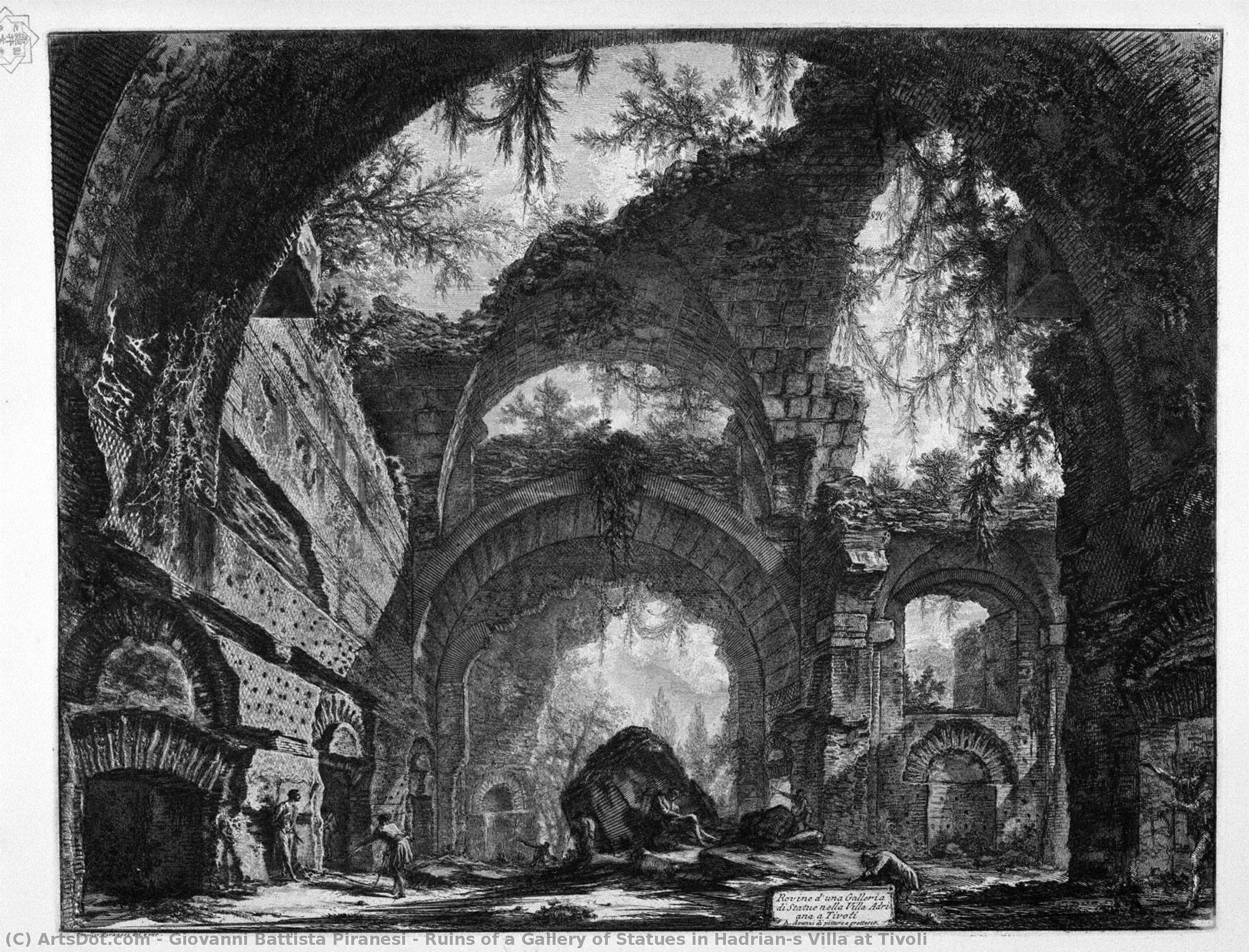
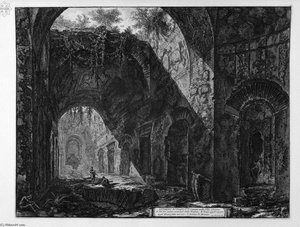
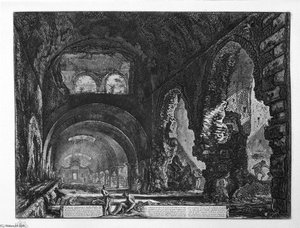
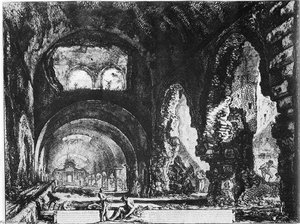
Ruins of a Gallery of Statues in Hadrian`s Villa at Tivoli


 Weiterlesen
Handgefertigte Ölreproduktion
Handgemaltes Ölgemälde auf Leinwand in Ihrer Wunschgröße und mit Rahmen, auf Bestellung von unseren Künstlern angefertigt. ( Druck bestellen Bild kaufen)




P118B $10

P118H $10

P118W $10

P438Z $10

P508JH $12

P508YH $12

P805H $10

P805Z $10

P919BZ $10

P919G $10

P919XJ $10

P959ZH $10

P968JZ $12

W106C $8

W218G $10

W218JH $8

W218Y $10

W307PJ $10

W316G $10

W316PJ $8

W316Y $10

W398PJ $8

W4111J $10

W500HY $15

W500JH $15

W692G $12

W849H $8

W940BG $15

W953PJ $8




Wählen Sie aus unseren vordefinierten Formaten, die den ursprünglichen Proportionen des Kunstwerks entsprechen.

Sie können Ihre eigenen Maße eingeben, um einen bestimmten Rahmen oder Platz auszufüllen. Wenn die gewählte Größe nicht den Proportionen des Originalbildes entspricht, werden wir das Kunstwerk entweder beschneiden oder das Gemälde durch zusätzliche, handgemalte Elemente erweitern. Ein digitales Mockup wird Ihnen zur Genehmigung zugesandt, bevor die Produktion beginnt.
Bitte beachten Sie, dass die Bildschirmvorschau nicht die tatsächliche Beschneidung oder Erweiterung widerspiegelt. Nur das Mockup zeigt die endgültige Komposition exakt an.
Obwohl Sondermaße verfügbar sind, empfehlen wir, eine Größe aus der vordefinierten Liste zu wählen, um die ursprünglichen Proportionen beizubehalten.
Nach der Bestellung wird das ArtsDot.com-Team dem Kunden Anweisungen per E-Mail zusenden und eine Mockup-Vorschau bereitstellen.
Weltweiter Versand () in nur 3 bis 4 Wochen statt der üblichen 5 Wochen. (6 September). Keine Kompromisse bei der Qualität.

Kostenloser weltweiter Expressversand

Hochwertige Leinenleinwand

Umfassender Versicherungsschutz beim Versand

Zollgebühren-Rückerstattungsgarantie

Garantie für exakte Farbtreue

100 Tage Rückgaberecht (nur bei Mängeln)

100% Geld-zurück-Garantie

Mengenrabatt verfügbar
 Die Glasoption ist nur für Größen unter 110 cm verfügbar.

Ruins of a Gallery of Statues in Hadrian`s Villa at Tivoli
Art der Reproduktion
Format der Reproduktion
-


Gesamtpreis
$ 288
A Journey Through Time: Piranesi’s ‘Ruins of a Gallery of Statues in Hadrian’s Villa’
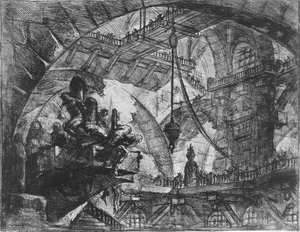
Giovanni Battista Piranesi's 'Ruins of a Gallery of Statues in Hadrian’s Villa at Tivoli,' created in 1756, is more than just a depiction of crumbling stone; it’s an immersive experience, a portal to a vanished world. This remarkable etching, born from the heart of the Neoclassical movement yet infused with Romantic sensibilities, captures the profound melancholy and awe inspired by the vestiges of imperial grandeur. Piranesi, a visionary artist who predated photography's ability to freeze moments in time, meticulously rendered the ruins of Hadrian’s Villa – a sprawling testament to the emperor’s ambition and architectural prowess – transforming them into evocative landscapes that resonate with psychological depth. The artwork speaks volumes about humanity’s relationship with power, decay, and the enduring force of nature.
The Architect of Illusion: Piranesi's Technique and Style
- Etching Mastery: Executed as a classic ‘veduta,’ or architectural view, this piece showcases Piranesi’s unparalleled skill in etching. Lines are not merely outlines; they are meticulously crafted to create texture, shadow, and depth. The dense hatching and cross-hatching employed generate a remarkably realistic representation of weathered stone, emphasizing the rough surfaces and crumbling walls with astonishing precision.
- Linear Perspective: A dramatic linear perspective dominates the composition, drawing the viewer’s eye relentlessly into the receding arches and vaults. This technique isn't simply about spatial accuracy; it amplifies the sense of scale and vastness, contributing to the artwork’s overwhelming grandeur.
- Neoclassical Influence: Piranesi’s style is firmly rooted in Neoclassicism, a movement that sought inspiration from the art and architecture of ancient Greece and Rome. However, his work transcends mere imitation, imbuing classical forms with an emotional intensity characteristic of the burgeoning Romantic era.
Symbolism and Emotional Resonance: A Meditation on Loss and Legacy
The ruins themselves are potent symbols. They represent not just physical decay but also the transient nature of empires, the inevitable erosion of human ambition, and the humbling power of time. The presence of figures – small in scale against the monumental architecture – subtly underscores our own vulnerability within the face of history. Piranesi’s deliberate use of a monochromatic palette—a range of grays from near-black to light gray—further enhances this sense of solemnity and timelessness, stripping away any distractions and focusing the viewer's attention on the fundamental elements of form and texture. The artwork evokes feelings of melancholy, awe, and contemplation – prompting us to consider our own place within the grand sweep of history.
A Window into the 18th Century: Historical Context and Materials
Created in 1756, this etching reflects a pivotal moment in European intellectual life. The rediscovery of Roman ruins fueled an intense fascination with classical antiquity, inspiring artists, architects, and writers alike. Piranesi’s work exemplifies this trend, meticulously documenting the physical remains of a lost civilization while simultaneously reimagining them as powerful symbols. The artwork was produced using traditional printmaking techniques: a copper plate etched with intricate lines using etching needles, then inked and pressed onto paper to create multiple impressions. The materials – the metal plate, the ink, and the paper – are integral to the work’s aesthetic and historical significance.
Ähnliche Kunstwerke
Über den Künstler
Frühes Leben und Ausbildung
Giovanni Battista Piranesi, ein renommierter italienischer Künstler, wurde am 4. Oktober 1720 in Mogliano Veneto, nahe Treviso (damals Teil der Republik Venedig), geboren. Sein Vater war Steinmetz, was wahrscheinlich Piranesis Interesse an Architektur und Kunst beeinflusste. Er lernte durch seinen Bruder Andrea Latein und die antike Zivilisation kennen und wurde später von seinem Onkel, dem führenden Architekten Matteo Lucchesi, in die Lehre aufgenommen.Künstlerische Karriere
Piranesis künstlerische Karriere begann in Rom, wo er als Zeichner für Marco Foscarini, den venezianischen Botschafter bei Papst Benedikt XIV., arbeitete. Er studierte unter Giuseppe Vasi, der ihm die Kunst des Radierens und Grabierens beibrachte. Piranesis Talent reichte über das Gravieren hinaus, so dass Vasi bemerkte: „Du bist zu sehr Maler, mein Freund, um ein Graveur zu sein.“ Piranesi arbeitete mit Schülern der französischen Akademie in Rom zusammen und produzierte eine Reihe von Veduten (Ansichten) der Stadt. Seine erste Arbeit, Prima parte di architettura e prospettive (1743), wurde gefolgt von Varie vedute di Roma antica e moderna (1745).Hauptwerke und Entwicklung
Piranesis Werk lässt sich in verschiedene Phasen einteilen. Zunächst schuf er detaillierte Veduten Roms, die sowohl architektonische Präzision als auch eine romantische Verklärung der Stadt zeigten. Später wandte er sich den Carceri d'invenzione (Phantasiertempiäre) zu – eine Serie von Radierungen, die düstere, labyrinthische Gefängnisse darstellen und ein Gefühl von Isolation und existentieller Angst vermitteln. Diese Werke markieren einen Wendepunkt in seiner Karriere und zeigten eine zunehmende Hinwendung zum Fantastischen und Subjektiven. Zu seinen bedeutendsten Werken zählen:- Die Drawbridge, Platte VII aus der Serie Carceri d'invenzione
- Carceri-Serie, Platte XIV
- Plan des antiken Roms – eine monumentale Darstellung der Stadt im römischen Reich.
- Großer Plan des römischen Campo Marzio (Marsfeld) in Rom – ein detailliertes topografisches Kartenwerk.
Einflüsse, Bedeutung und Vermächtnis
Piranesi wurde von den antiken römischen Ruinen inspiriert, die er in Rom dokumentierte und interpretierte. Er war auch von der Grand Tour beeinflusst, einer Bildungsreise, die junge Adlige im 18. Jahrhundert durch Europa unternahmen, insbesondere nach Italien. Seine Werke trugen zur romantischen Wahrnehmung des antiken Roms bei und inspirierten Künstler wie Giovanni Lanfranco und Charles-Louis Clérisseau. Piranesis detaillierte Darstellungen von Architektur und seine Fähigkeit, eine Atmosphäre der Erhabenheit und Melancholie zu erzeugen, machten ihn zu einer Schlüsselfigur des Neoklassizismus und beeinflussten die Entwicklung der Landschaftsarchitektur und des Gartenbaus. Sein Werk befindet sich in verschiedenen Museen und Sammlungen, darunter die Pinacoteca di Vicenza und das Oratorio del Gonfalone in Rom. Piranesi starb 1778 und hinterließ ein Vermächtnis als einer der bedeutendsten Künstler des 18. Jahrhunderts. Seine Radierungen werden bis heute für ihre technische Brillanz, ihre atmosphärische Tiefe und ihre Fähigkeit bewundert, die Vorstellungskraft anzuregen.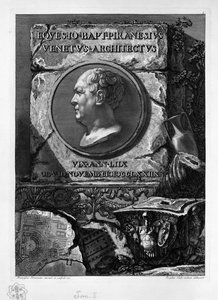
Giovanni Battista Piranesi
1720 - 1778 , Italien
Kurzinfos
- Beeinflusste Künstler:
- Charles Louis Clérisseau
- Jean-François Peyron
- Bemerkenswerte Werke:
- Carceri d'Invenzione
- Vedute di Roma Antica
- Prima Parte di Architettura
- Geburtsdatum: 04. Oktober 1720
- Geburtsort: Mogliano Veneto, Italien
- Künstlerische Bewegung: Neoklassizismus
- Nationalität: Italienisch
- Sterbedatum: 1778
- Vollständiger Name: Giovanni Battista Piranesi
- Von Künstlern Beeinflusst:
- Giuseppe Vasi
- Matteo Lucchesi
Ähnliche Artikel
Die 10 legendärsten Radierungen: Meisterwerke, die Kunstgeschichte schrieben | ArtsDot
Entdecken Sie die 10 legendärsten Radierungen von Rembrandt, Dürer & Goya! Erfahren Sie die Geschichten hinter diesen Meisterwerken der Kunstgeschichte und lassen Sie sich für Ihre Wohnräume inspirieren. Hochwertige Kunstdrucke auf ArtsDot.com.

Etching: A Historical Survey of Technique, Aesthetic Qualities & Enduring Artistic Significance
Explore the rich history of etching, from its origins to Rembrandt's masterful innovations. Discover the technique, aesthetic qualities & enduring legacy of this captivating art form. Expert insights for collectors and enthusiasts.
The Intricate World of Etching: A Historical Survey of Technique, Aesthetic Evolution, and Enduring Artistic Impact
Explore the rich history of etching, from its origins to modern practice. Discover techniques, key artists like Rembrandt, and insights for collectors. A comprehensive guide by ArtsDot.
Giovanni Battista Piranesi: Visionary of Ruins & Architect of Imagination
Explore the life & work of Giovanni Battista Piranesi, master etcher of Roman views & creator of the haunting 'Carceri d'Invenzione'. Discover his architectural vision and lasting influence on art history.
Echos der Azurküste: Strategien der Kunstauswahl für mediterrane Villeninterieure – Harmonisierung von Raum, Licht und Erbe
Expertenratgeber für die perfekte Kunstauswahl in mediterranen Villen! Harmonische Farbkonzepte, Lichtgestaltung & lokale Künstler – schaffen Sie ein Zuhause voller Seele. Jetzt lesen!