 Vorschau anzeigen
 Versenden
 Teilen
 Details anzeigen

 Herunterladen
 Ähnliche Objekte
 Röntgenaufnahme
 Diashow
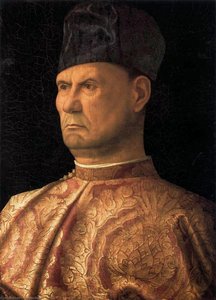
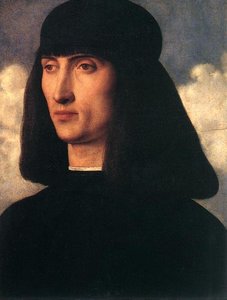
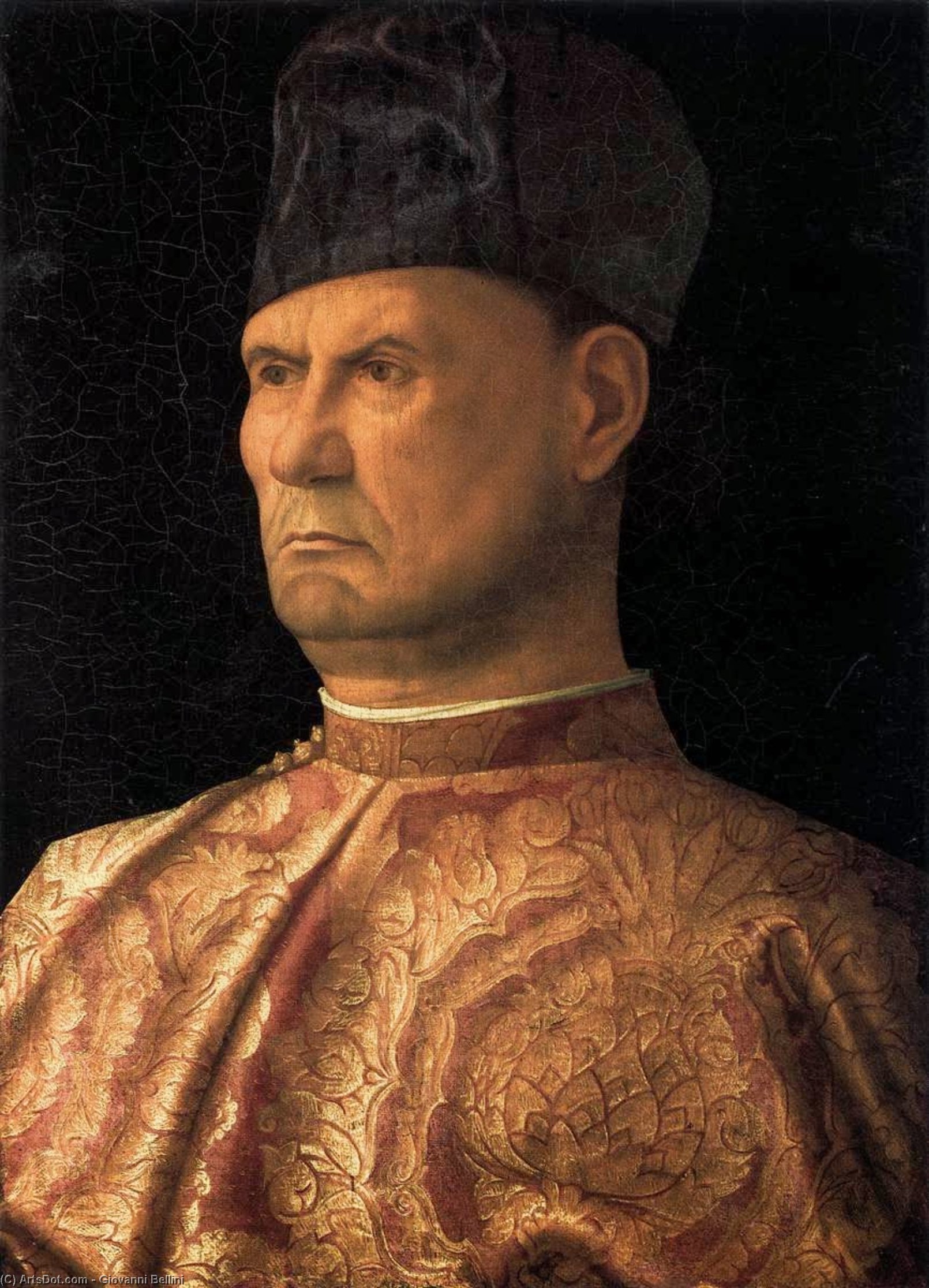
Portrait of Giovanni Emo
 Öl auf Tafel
- Early Renaissance
 1475
1475 47.0 x 33.0 cm
 National Gallery of Art
 Weiterlesen
Handgefertigte Ölreproduktion
Handgemaltes Ölgemälde auf Leinwand in Ihrer Wunschgröße und mit Rahmen, auf Bestellung von unseren Künstlern angefertigt. ( Druck bestellen Bild kaufen)




P118B $10

P118H $10

P118W $10

P438Z $10

P508JH $12

P508YH $12

P805H $10

P805Z $10

P919BZ $10

P919G $10

P919XJ $10

P959ZH $10

P968JZ $12

W106C $8

W218G $10

W218JH $8

W218Y $10

W307PJ $10

W316G $10

W316PJ $8

W316Y $10

W398PJ $8

W4111J $10

W500HY $15

W500JH $15

W692G $12

W849H $8

W940BG $15

W953PJ $8




Wählen Sie aus unseren vordefinierten Formaten, die den ursprünglichen Proportionen des Kunstwerks entsprechen.

Sie können Ihre eigenen Maße eingeben, um einen bestimmten Rahmen oder Platz auszufüllen. Wenn die gewählte Größe nicht den Proportionen des Originalbildes entspricht, werden wir das Kunstwerk entweder beschneiden oder das Gemälde durch zusätzliche, handgemalte Elemente erweitern. Ein digitales Mockup wird Ihnen zur Genehmigung zugesandt, bevor die Produktion beginnt.
Bitte beachten Sie, dass die Bildschirmvorschau nicht die tatsächliche Beschneidung oder Erweiterung widerspiegelt. Nur das Mockup zeigt die endgültige Komposition exakt an.
Obwohl Sondermaße verfügbar sind, empfehlen wir, eine Größe aus der vordefinierten Liste zu wählen, um die ursprünglichen Proportionen beizubehalten.
Nach der Bestellung wird das ArtsDot.com-Team dem Kunden Anweisungen per E-Mail zusenden und eine Mockup-Vorschau bereitstellen.
Weltweiter Versand () in nur 3 bis 4 Wochen statt der üblichen 5 Wochen. (24 August). Keine Kompromisse bei der Qualität.

Kostenloser weltweiter Expressversand

Hochwertige Leinenleinwand

Umfassender Versicherungsschutz beim Versand

Zollgebühren-Rückerstattungsgarantie

Garantie für exakte Farbtreue

60 Tage Rückgaberecht (nur bei Mängeln)

100% Geld-zurück-Garantie

Mengenrabatt verfügbar
 Die Glasoption ist nur für Größen unter 110 cm verfügbar.

Portrait of Giovanni Emo
Art der Reproduktion
Format der Reproduktion
-


Gesamtpreis
$ 263
Beschreibung des Kunstwerks
Giovanni Bellini’s ‘Portrait of Giovanni Emo’: A Window into Venetian Renaissance Power
Giovanni Bellini's “Portrait of Giovanni Emo,” painted around 1475, is more than just a depiction of an individual; it’s a meticulously crafted window into the world of late Quattrocento Venice – a society steeped in political intrigue, military prowess, and burgeoning artistic innovation. This painting, housed within the National Gallery of Art in Washington D.C., offers a rare glimpse into the life of a condottiero, a mercenary captain who commanded armies for various Italian city-states, a profession that simultaneously demanded strategic brilliance and ruthless efficiency.
The subject himself remains somewhat enigmatic, though scholars have tentatively linked him to Giovanni Emo, a prominent figure in Venetian military circles. Bellini’s masterful technique immediately draws the eye. The composition is dominated by the figure of the condottiero, presented from a three-quarter angle, his gaze direct and unwavering – a deliberate strategy to establish an immediate connection with the viewer. The dark background serves not as mere emptiness, but rather as a dramatic foil, intensifying the impact of the subject’s richly adorned attire. The gold brocade robe, indicative of wealth and status, speaks volumes about the condottiero's position within Venetian society, while the black hat adds an element of authority and perhaps even a hint of melancholy – reflecting the inherent dangers and uncertainties of his profession.
The Influence of Antonello da Messina and Early Renaissance Portraiture
Bellini’s work is deeply rooted in the artistic traditions that preceded him, particularly the influence of Antonello da Messina. Like Antonello, Bellini skillfully employed oil paint – a relatively new medium at the time – to achieve unprecedented levels of detail and luminosity. The subtle gradations of color, the meticulous rendering of textures like velvet and brocade, and the realistic portrayal of facial features demonstrate Bellini’s mastery of this technique. However, unlike Antonello's often more linear style, Bellini introduces a softer, more atmospheric quality to his portraiture, foreshadowing the Venetian school’s distinctive approach to color and light that would later influence Titian and Veronese.
The painting also reflects the broader shift in Renaissance art towards humanism. While earlier portraits often focused on idealized beauty or symbolic representations of virtue, Bellini presents a more grounded and psychologically complex depiction of his subject. The condottiero’s stern expression suggests a man burdened by responsibility, perhaps haunted by past battles or anticipating future conflicts. This nuanced portrayal elevates the portrait beyond a simple likeness, transforming it into a meditation on power, duty, and the human condition.
Symbolism and Context within Venetian Society
Beyond the individual subject, “Portrait of Giovanni Emo” offers valuable insights into the social and political landscape of Venice in the late 15th century. The condottiero’s role was crucial to maintaining Venetian dominance – a republic built on maritime trade and shrewd diplomacy, but also reliant on mercenary forces to defend its territories. The painting thus serves as a subtle advertisement for Venetian power and stability, showcasing the individuals who upheld this complex system.
Furthermore, the inclusion of the clock in the background provides a crucial temporal marker, anchoring the portrait within its historical context. Clocks were becoming increasingly prevalent during this period, symbolizing order, precision, and the relentless march of time – qualities highly valued by the pragmatic Venetians. The juxtaposition of the condottiero’s imposing figure with the humble clock subtly reinforces the idea that even in a world dominated by military might, the passage of time remained an inescapable reality.
A Timeless Masterpiece: Reproduction and Artistic Appreciation
ArtsDot offers meticulously crafted hand-painted reproductions of Giovanni Bellini's “Portrait of Giovanni Emo,” allowing art lovers to experience this iconic masterpiece in stunning detail. Our skilled artisans replicate Bellini’s masterful technique, capturing the painting’s luminosity, depth, and emotional resonance with unparalleled accuracy. Whether you are a seasoned collector or simply seeking to adorn your home with a timeless work of art, our reproduction provides an authentic and captivating representation of this remarkable portrait – a testament to Bellini's genius and a window into the heart of Renaissance Venice.
Ähnliche Kunstwerke

Über den Künstler
Frühes Leben und Karriere
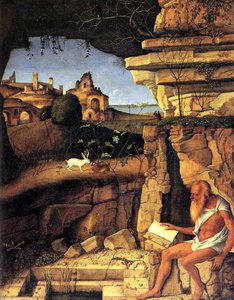
Giovanni Bellini, ein bedeutender italienischer Renaissancemaler, wurde um 1433 in Venedig geboren. Er wuchs im Haushalt von Jacopo Bellini auf, der früher als sein Vater galt, aber nun als sein älterer Bruder angesehen wird. Giovannis frühe Werke zeichnen sich durch eine tiefe religiöse Gefühlswelt und menschliche Pathos aus, wie man an seiner Darstellung des St. Hieronymus in der Wüste (jetzt in der National Gallery, London) erkennen kann.Aufstieg zur Prominenz
Giovannis künstlerischer Stil entwickelte sich im Laufe der Zeit weiter, und er wurde schließlich für seine üppige Farbgebung und fließende, atmosphärische Landschaftsdarstellungen bekannt. Seine Arbeit hatte einen bedeutenden Einfluss auf die venezianische Malerschule, insbesondere auf seine Schüler Giorgione und Tizian. Giovanni erhielt 1470 seine erste Anstellung, um zusammen mit seinem Bruder Gentile Bellini und anderen Künstlern in der Scuola di San Marco zu arbeiten.Bemerkenswerte Werke und Vermächtnis
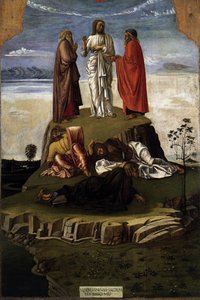
- Die Verklärung (jetzt im Museo Nazionale di Capodimonte in Neapel) zeigt Giovannis reifen Stil, geprägt von einem ruhigen Geist und ausgereiften Kräften.
- Die Krönung der Jungfrau (in Pesaro) demonstriert seinen frühen Versuch in einer Kunstform, die zuvor vom rivalisierenden Vivarini-Stil dominiert wurde.
- Giovannis Pflichten als Konservator der Gemälde in der Großen Halle des Dogenpalastes (1479–1480) festigten weiter seinen Ruf als Meistermaler.
Künstlerischer Stil und Einfluss
Giovanni’s Verwendung klarer, langsam trocknender Ölfarben schuf tiefe, satte Farbtöne und detaillierte Schattierungen, was die venezianische Malerei revolutionierte. Seine Arbeit kann durch Folgendes charakterisiert werden:- Sensueller und farbintensiver Stil
- Üppige Farbgebung und fließende, atmosphärische Landschaften
- Einfluss auf die venezianische Malerschule und seine Schüler Giorgione und Tizian
Referenzen
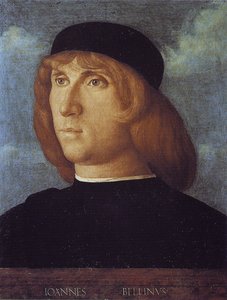
Giovanni Bellini (Giambellino)
1433 - 1516 , Italien
Kurzinfos
- Bemerkenswerte Kunstwerke:
- St. Hieronymus in der Wüste
- Die Verklärung
- Coronation of the Virgin
- Madonna del Prato
- Barbarigo-Altarbild
- Madonna degli Alberetti
- Geburtsdatum: ca. 1433
- Geburtsort (Stadt Und Land): Venedig, Italien
- Künstler Oder Bewegungen, Die Von Diesem Künstler Beeinflusst Wurden:
- Giorgione
- Titian
- Künstlerische Bewegung Oder Stil: Venezianische Renaissance
- Nationalität: Italienisch
- Todatum: 1516
- Vollständiger Name: Giovanni Bellini
Ähnliche Artikel

Die Top 10 berühmter Gemälde im Reich der dunklen Töne |
Entdecken Sie die Top 10 berühmter Gemälde, beherrscht von dunklen Tönen! Von Caravaggio bis Manet – erfahren Sie die Geschichten hinter Meisterwerken der Kunstgeschichte. Finden Sie Ihre perfekte Reproduktion auf .
Golden Glow: How to Use Metallic Gold Artworks to Elevate Your Home Decor with Timeless Luxury
Discover how to elevate your home with the timeless elegance of metallic gold artworks. From sculptural metal pieces to gilded oil paintings, learn expert interior design tips for integrating luxurious gold accents into your space with sophistication and grace.
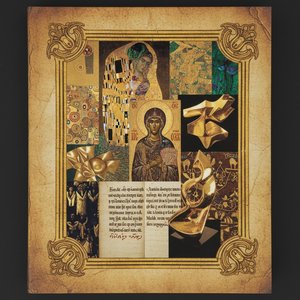
The Allure of Gold in Art History: Symbolism, Technique & Cultural Significance
Explore the rich history of gold in art! Discover symbolism, techniques & cultural significance from ancient civilizations to Klimt's masterpieces. Expert insights for collectors at ArtsDot.

Jacopo Tintoretto: Die 25 Meisterwerke des venezianischen Dramatikers | ArtsDot
Entdecken Sie die 25 Meisterwerke von Jacopo Tintoretto! Tauchen Sie ein in die dramatische Welt der venezianischen Renaissance. Hochwertige Kunst-Reproduktionen & Inspiration für Ihr Zuhause – jetzt auf ArtsDot.com.

Goldene Meisterwerke: Die Top 10 berühmtesten Gemälde mit Blattgold – ArtsDot
Entdecken Sie die Top 10 Gemälde, die von Blattgold verzaubern! Von Klimt bis zur Renaissance – erfahren Sie die Geschichten hinter ikonischen Kunstwerke & lassen Sie sich für Ihre Wohnraumgestaltung inspirieren. Hochwertige Reproduktionen auf ArtsDot.com.