 Vorschau anzeigen
 Versenden
 Teilen
 Details anzeigen

 Herunterladen
 Ähnliche Objekte
 Röntgenaufnahme
 Diashow
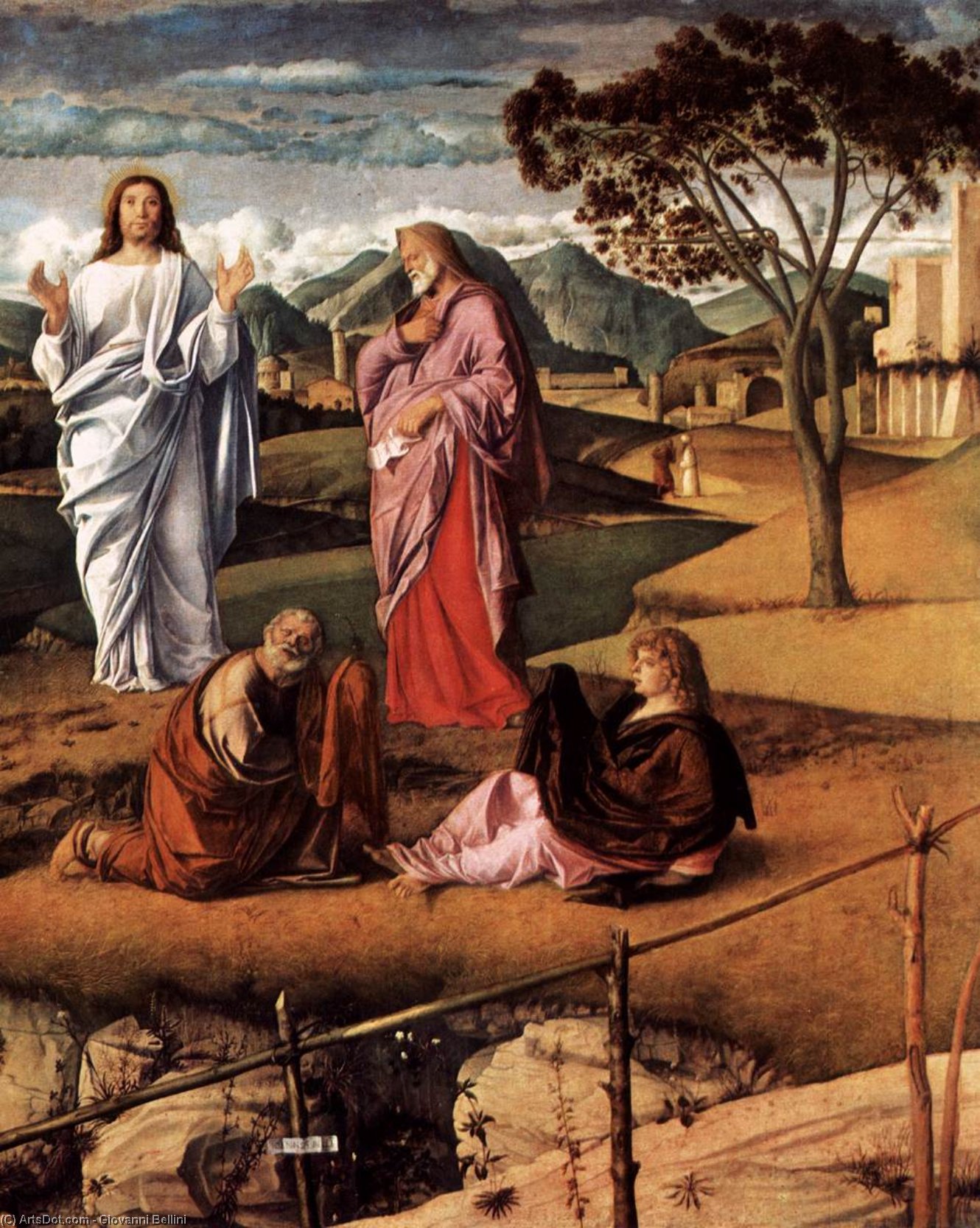
Transfiguration of Christ (detail)


 Weiterlesen
Giclée / Kunstdruck
Giclée- oder Leinwanddruck in Museumsqualität mit schneller Produktion und flexiblen Veredelungsoptionen. ( Handgemalte Reproduktion bestellen Bild kaufen)




P118B $10

P118H $10

P118W $10

P438Z $10

P508JH $12

P508YH $12

P805H $10

P805Z $10

P919BZ $10

P919G $10

P919XJ $10

P959ZH $10

P968JZ $12

W106C $8

W218G $10

W218JH $8

W218Y $10

W307PJ $10

W316G $10

W316PJ $8

W316Y $10

W398PJ $8

W4111J $10

W500HY $15

W500JH $15

W692G $12

W849H $8

W940BG $15

W953PJ $8




Wählen Sie aus unseren vordefinierten Formaten, die den ursprünglichen Proportionen des Kunstwerks entsprechen.

Sie können Ihre eigenen Maße eingeben, um ein bestimmtes Format oder einen speziellen Platz einzupassen. Wenn das von Ihnen gewählte Format nicht den Proportionen des Originalbildes entspricht, werden wir das Kunstwerk entweder beschneiden oder das Bild mit einem gespiegelten oder einfarbigen Rand erweitern. Ein digitaler Entwurf wird Ihnen zur Genehmigung zugesandt, bevor die Produktion beginnt.
Bitte beachten Sie, dass die Vorschau auf dem Bildschirm nicht den tatsächlichen Zuschnitt oder die Erweiterung widerspiegelt. Nur der Entwurf zeigt die endgültige Komposition präzise an.
Obwohl Sondermaße verfügbar sind, empfehlen wir die Auswahl eines Maßes aus der vordefinierten Liste, um die ursprünglichen Proportionen zu bewahren.
Weltweiter Versand () innerhalb von 2 Wochen statt der üblichen 4/5 Wochen. (23 August)

Kostenloser weltweiter Expressversand

Hochwertige Leinenleinwand

Umfassender Versicherungsschutz beim Versand

Zollgebühren-Rückerstattungsgarantie

Garantie für exakte Farbtreue

60 Tage Rückgaberecht (nur bei Mängeln)

100% Geld-zurück-Garantie

Mengenrabatt verfügbar
 Die Glasoption ist nur für Größen unter 110 cm verfügbar.

Transfiguration of Christ (detail)
Giclée / Kunstdruck
Format der Reproduktion
-


Gesamtpreis
$ 62
Sammlerstück-Beschreibung
A Moment Frozen in Grace: Unveiling Bellini’s Transfiguration
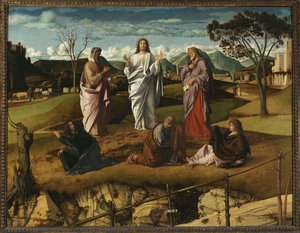
Giovanni Bellini's “Transfiguration of Christ” – a detail from the larger 1487 masterpiece – isn’t merely a depiction of a biblical event; it’s an immersion into a profound and deeply felt spiritual experience. This painting, residing within the Capodimonte Museum in Naples, transcends its historical context to resonate powerfully with viewers centuries later. Bellini, a pivotal figure bridging the gap between Byzantine tradition and the burgeoning Renaissance, masterfully captures not just the visual spectacle of Christ’s transformation on Mount Tabor, but also the underlying sense of awe and humility that defines this sacred moment.
The scene unfolds within a carefully constructed landscape – a subtly rendered Italian countryside bathed in an ethereal afternoon light. Bellini eschews the dramatic, almost theatrical staging often found in earlier religious paintings, opting instead for a more restrained and contemplative approach. The figures are arranged within a shallow space, utilizing atmospheric perspective to create a sense of depth that draws the eye towards Christ at the painting’s apex. Notice how the distant mountains recede into hazy blues and purples, while the foreground elements – a simple wooden fence, a scattering of rocks – retain a surprising degree of clarity, anchoring the viewer in this earthly realm.
The Language of Color and Light
Bellini’s genius lies not just in his composition but also in his masterful manipulation of color. The palette is dominated by warm, earthy tones—ochres, browns, and deep reds—evoking a sense of timelessness and stability. These grounded hues are juxtaposed with cooler blues and whites in the sky and clothing, creating a harmonious balance that enhances the painting’s overall serenity. Crucially, Bellini employs a technique known as “glazing,” layering thin washes of paint over each other to build up depth and luminosity. This meticulous process results in surfaces that shimmer with an almost otherworldly glow – a testament to his innovative approach to oil painting.
- Warm Earth Tones: Ochres, browns, reds—grounding the scene in earthly reality.
- Cool Blues and Whites: Highlighting the divine light emanating from Christ.
- Glazing Technique: Layered paint creates luminous surfaces and a sense of depth.
Symbolism Woven into the Fabric of Faith
Beyond its visual beauty, “The Transfiguration” is rich in symbolic meaning. Christ’s outstretched hand, a gesture of profound grace and invitation, dominates the composition. It represents not just divine power but also an offer of salvation to all who are willing to accept it. The figures of Moses and Elijah, flanking Christ, symbolize the Old Testament prophets who foretold his coming—a powerful reminder of the continuity between faith and prophecy. The kneeling apostles, rendered with a quiet reverence, embody submission and devotion. Even the simple elements – the wooden fence, the scattering of rocks – carry symbolic weight, representing the boundaries between the earthly and the divine.
A Legacy of Renaissance Spirituality
Giovanni Bellini’s “Transfiguration” stands as a cornerstone of Venetian Renaissance art, demonstrating a shift towards greater naturalism and emotional depth. It reflects the era's burgeoning humanism while retaining a profound sense of spiritual contemplation. The painting’s enduring appeal lies in its ability to evoke a feeling of quiet reverence—a reminder of humanity’s connection to something larger than itself. Reproductions of this work, meticulously crafted by ArtsDot.com and similar platforms, offer an opportunity to experience the beauty and power of Bellini's vision for generations to come.
Ähnliche Kunstwerke


Über den Künstler
Frühes Leben und Karriere
Giovanni Bellini, ein bedeutender italienischer Renaissancemaler, wurde um 1433 in Venedig geboren. Er wuchs im Haushalt von Jacopo Bellini auf, der früher als sein Vater galt, aber nun als sein älterer Bruder angesehen wird. Giovannis frühe Werke zeichnen sich durch eine tiefe religiöse Gefühlswelt und menschliche Pathos aus, wie man an seiner Darstellung des St. Hieronymus in der Wüste (jetzt in der National Gallery, London) erkennen kann.Aufstieg zur Prominenz
Giovannis künstlerischer Stil entwickelte sich im Laufe der Zeit weiter, und er wurde schließlich für seine üppige Farbgebung und fließende, atmosphärische Landschaftsdarstellungen bekannt. Seine Arbeit hatte einen bedeutenden Einfluss auf die venezianische Malerschule, insbesondere auf seine Schüler Giorgione und Tizian. Giovanni erhielt 1470 seine erste Anstellung, um zusammen mit seinem Bruder Gentile Bellini und anderen Künstlern in der Scuola di San Marco zu arbeiten.Bemerkenswerte Werke und Vermächtnis
- Die Verklärung (jetzt im Museo Nazionale di Capodimonte in Neapel) zeigt Giovannis reifen Stil, geprägt von einem ruhigen Geist und ausgereiften Kräften.
- Die Krönung der Jungfrau (in Pesaro) demonstriert seinen frühen Versuch in einer Kunstform, die zuvor vom rivalisierenden Vivarini-Stil dominiert wurde.
- Giovannis Pflichten als Konservator der Gemälde in der Großen Halle des Dogenpalastes (1479–1480) festigten weiter seinen Ruf als Meistermaler.
Künstlerischer Stil und Einfluss
Giovanni’s Verwendung klarer, langsam trocknender Ölfarben schuf tiefe, satte Farbtöne und detaillierte Schattierungen, was die venezianische Malerei revolutionierte. Seine Arbeit kann durch Folgendes charakterisiert werden:- Sensueller und farbintensiver Stil
- Üppige Farbgebung und fließende, atmosphärische Landschaften
- Einfluss auf die venezianische Malerschule und seine Schüler Giorgione und Tizian
Referenzen

Giovanni Bellini (Giambellino)
1433 - 1516 , Italien
Kurzinfos
- Bemerkenswerte Kunstwerke:
- St. Hieronymus in der Wüste
- Die Verklärung
- Coronation of the Virgin
- Madonna del Prato
- Barbarigo-Altarbild
- Madonna degli Alberetti
- Geburtsdatum: ca. 1433
- Geburtsort (Stadt Und Land): Venedig, Italien
- Künstler Oder Bewegungen, Die Von Diesem Künstler Beeinflusst Wurden:
- Giorgione
- Titian
- Künstlerische Bewegung Oder Stil: Venezianische Renaissance
- Nationalität: Italienisch
- Todatum: 1516
- Vollständiger Name: Giovanni Bellini
Ähnliche Artikel
Sacred Narratives Embodied: A Comprehensive Exploration of Religious Iconography in Art History
Explore the rich history of religious iconography in art! Discover symbolism, movements & masterpieces from Byzantine to Renaissance periods. Expert insights for collectors and enthusiasts at ArtsDot.

The Enduring Legacy of Oil on Canvas: Technique, History & Aesthetic Impact
Explore the rich history & techniques of oil painting – from Renaissance masters to Impressionism. Discover pigments, layering methods, and why this timeless medium endures. Expert insights for artists & art enthusiasts.

The Enduring Power of Painting: A Historical & Contemporary Exploration of Form and Emotion
Explore the rich history & enduring techniques of oil painting with ArtsDot. Discover masterpieces, learn about art collecting, and find authentic handmade reproductions crafted by skilled artists.

Öl auf Leinwand: Eine historische und technische Erkundung eines zeitlosen künstlerischen Mediums
Entdecken Sie die faszinierende Welt der Ölmalerei! Von historischen Techniken bis zur modernen Anwendung – wir bieten Expertenwissen, Restaurierungstipps und hochwertige Reproduktionen. Jetzt informieren!

Das bleibende Erbe der Ölmalerei: Technik, Geschichte und zeitgenössische Praxis
Entdecken Sie die faszinierende Geschichte der Ölmalerei – von den frühen Techniken bis zur modernen Kunst. Expertenwissen, detaillierte Analysen und Inspiration für Sammler & Kunstliebhaber.