 Vorschau anzeigen
 Versenden
 Teilen
 Details anzeigen

 Herunterladen
 Ähnliche Objekte
 Röntgenaufnahme
 Diashow
 Stats
StatsCount Robert de Montesquiou


 Weiterlesen
Giclée / Kunstdruck
Giclée- oder Leinwanddruck in Museumsqualität mit schneller Produktion und flexiblen Veredelungsoptionen. ( Handgemalte Reproduktion bestellen Switch to Digital Image)




P118B $10

P118H $10

P118W $10

P438Z $10

P508JH $12

P508YH $12

P805H $10

P805Z $10

P919BZ $10

P919G $10

P919XJ $10

P959ZH $10

P968JZ $12

W106C $8

W218G $10

W218JH $8

W218Y $10

W307PJ $10

W316G $10

W316PJ $8

W316Y $10

W398PJ $8

W4111J $10

W500HY $15

W500JH $15

W692G $12

W849H $8

W940BG $15

W953PJ $8




Wählen Sie aus unseren vordefinierten Formaten, die den ursprünglichen Proportionen des Kunstwerks entsprechen.

Sie können Ihre eigenen Maße eingeben, um ein bestimmtes Format oder einen speziellen Platz einzupassen. Wenn das von Ihnen gewählte Format nicht den Proportionen des Originalbildes entspricht, werden wir das Kunstwerk entweder beschneiden oder das Bild mit einem gespiegelten oder einfarbigen Rand erweitern. Ein digitaler Entwurf wird Ihnen zur Genehmigung zugesandt, bevor die Produktion beginnt.
Bitte beachten Sie, dass die Vorschau auf dem Bildschirm nicht den tatsächlichen Zuschnitt oder die Erweiterung widerspiegelt. Nur der Entwurf zeigt die endgültige Komposition präzise an.
Obwohl Sondermaße verfügbar sind, empfehlen wir die Auswahl eines Maßes aus der vordefinierten Liste, um die ursprünglichen Proportionen zu bewahren.
Weltweiter Versand () innerhalb von 2 Wochen statt der üblichen 4/5 Wochen. (8 September)

Kostenloser weltweiter Expressversand

Hochwertige Leinenleinwand

Umfassender Versicherungsschutz beim Versand

Zollgebühren-Rückerstattungsgarantie

Garantie für exakte Farbtreue

100-Tage-Rückgaberecht (nur bei Mängeln)

100% Geld-zurück-Garantie

Mengenrabatt verfügbar
 Die Glasoption ist nur für Größen unter 110 cm verfügbar.

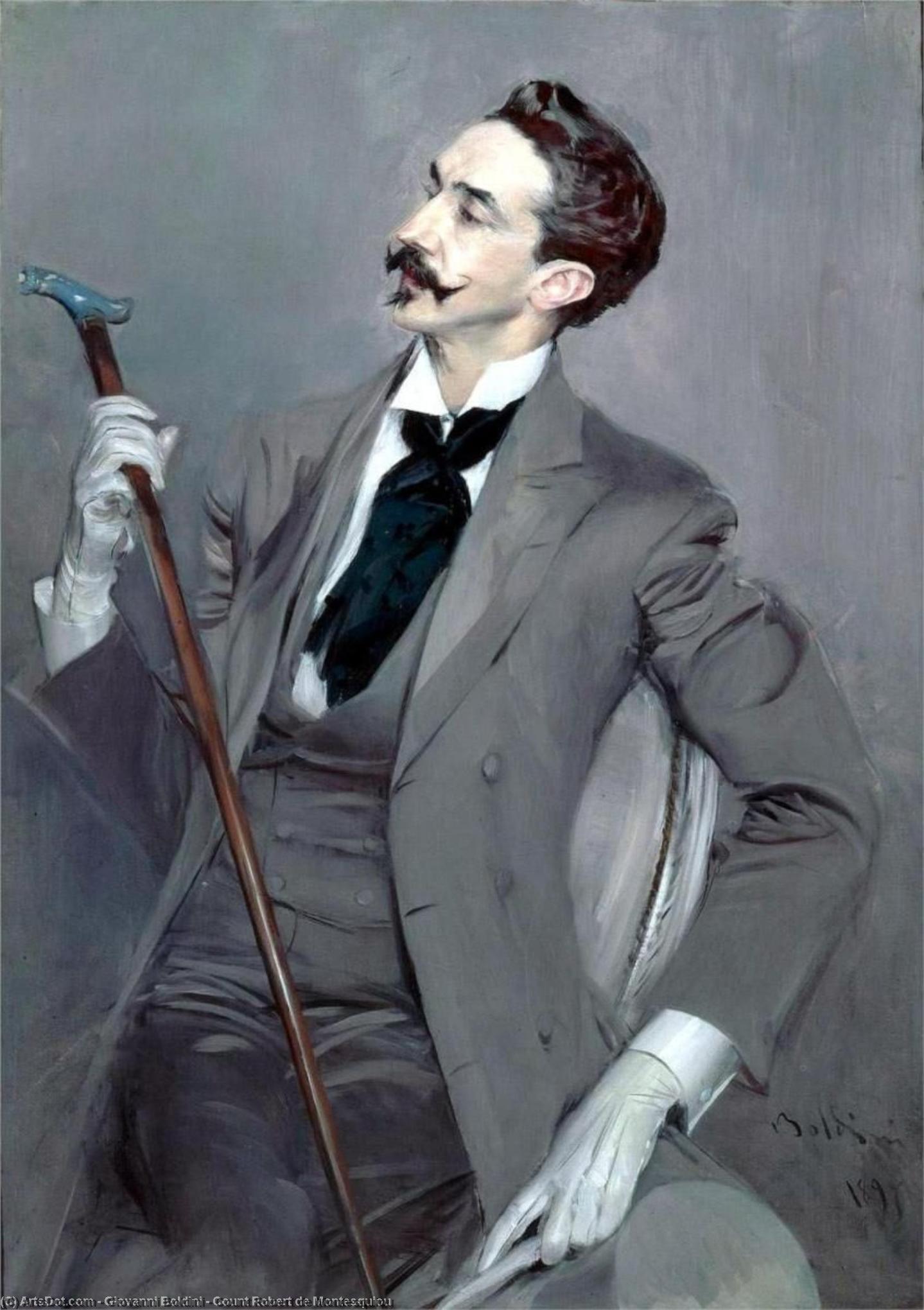
Count Robert de Montesquiou
Giclée / Kunstdruck
Format der Reproduktion
-


Gesamtpreis
$ 62
A Vision of Belle Époque Splendor
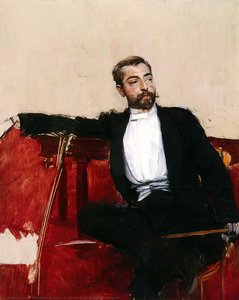
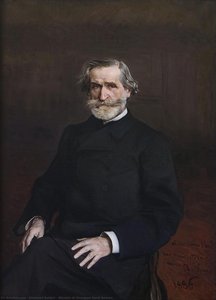
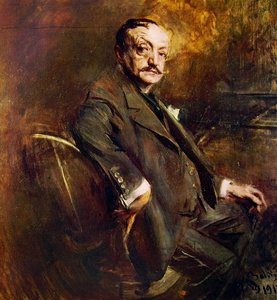
In the shimmering twilight of the nineteenth century, few images capture the intoxicating essence of Parisian high society as vibrantly as Giovanni Boldini’s 1897 masterpiece, Count Robert de Montesquiou. This portrait is far more than a mere likeness of an aristocrat; it is a window into the soul of the Belle É Époque, a period defined by opulence, aesthetic obsession, and a certain theatrical flair. Boldini, often celebrated as the "Master of Swish," does not simply paint a man; he paints an era. The subject, Count Montesquiou, was the quintessential dandy—a poet, aesthete, and social luminary whose very presence commanded the attention of the French elite. Through Boldini’s lens, we encounter a figure of profound dignity, seated with a poised grace that suggests both aristocratic repose and a sharp, penetrating intellect.
The composition invites the viewer into a sophisticated social tableau. While Montesquiou remains the undeniable gravitational center of the work, the strategic placement of secondary figures adds a layer of mysterious social depth, hinting at the bustling, interconnected world of Parisian salons. There is a palpable sense of atmosphere, as if the viewer has just stepped into a private moment of contemplation within a grand estate. For the collector or interior designer, this painting offers an unparalleled sense of prestige, acting as a focal point that breathes life, history, and a touch of much-coveted drama into any curated space.
The Alchemy of Impressionistic Realism
Technically, Boldini’s work is a breathtaking dance between the precision of realism and the spontaneous energy of Impressionism. He possesses a rare ability to render the tactile reality of his subject—the subtle textures of skin, the sharp lines of a well-tailored suit, and the glint of light upon a cane—while simultaneously employing a fluid, almost electric brushstroke. This technique creates a luminous quality that seems to vibrate on the canvas. His masterful use of chiaroscuro—the dramatic interplay between deep shadows and brilliant highlights—sculpts the Count’s features, lending the portrait a three-dimensional presence that feels startlingly immediate.
The brushwork is famously "swishy," characterized by long, sweeping strokes that imbue the scene with movement and vitality. This prevents the portrait from feeling static or frozen in time; instead, there is a rhythmic flow to the composition that guides the eye across the canvas, following the elegant lines of the subject's posture. To possess a reproduction of such a work is to bring this kinetic energy into one's home, offering an aesthetic experience that is both intellectually stimulating and visually mesmerizing.
Symbolism and the Spirit of the Dandy
Beyond the surface beauty lies a profound exploration of identity and social symbolism. Count Montesquiou was not merely a man of wealth, but a symbol of the "new incarnation of the Baudelarian dandy"—a figure who found spiritual and artistic meaning in beauty and artifice. The painting captures this tension between the public persona and the private self. The Count’s steady gaze and composed stance reflect the controlled elegance required by his station, yet the loose, expressive technique used by Boldini hints at the underlying passion and complexity of a man deeply embedded in the Symbolist movement.
For those looking to decorate with purpose, this artwork serves as an emblem of refined taste. It evokes themes of legacy, sophistication, and the enduring power of beauty. Whether placed in a formal study, a grand dining room, or a contemporary gallery setting, Count Robert de Montesquiou acts as a conversation piece that transcends time. It is an invitation to celebrate the exquisite, to honor the history of European elegance, and to surround oneself with the transformative power of fine art.
Ähnliche Kunstwerke
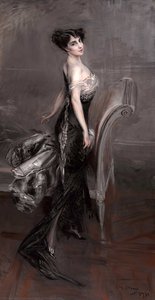
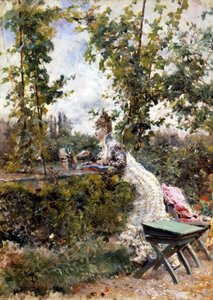
Über den Künstler
Frühes Leben und Ausbildung
Giovanni Boldini, ein italienischer Genre- und Porträtmaler, wurde am 31. Dezember 1842 in Ferrara, Italien, geboren. Sein Vater, ein Maler religiöser Themen, förderte sein frühes Interesse an der Kunst. Im Jahr 1862 zog Boldini für sechs Jahre nach Florenz, um dort zu studieren und das Malen zu betreiben. Dort lernte er die Macchiaioli kennen, eine Gruppe italienischer Realisten, die den Impressionismus vorausgingen.Künstlerische Laufbahn
Boldinis künstlerischer Stil zeichnete sich durch seine fließende, spontane Reaktion auf die Natur aus, wie man sie in seinen Landschaftsbildern sehen kann. Doch gerade seine Porträts brachten ihm weitreichende Anerkennung. Er wurde als der "Meister des Schwungs" bekannt, ein Titel, den Time Magazine 1933 prägte. Seine Fähigkeit, die Eleganz und das Flair der Pariser Gesellschaft einzufangen, machte ihn berühmt. Boldini war ein begnadeter Beobachter und sein Pinsel fange die Bewegung und Energie seiner Modelle auf eine einzigartige Weise ein. Er malte oft Frauen in luxuriösen Umgebungen, wobei er ihre Schönheit und ihren Stil betonte.Wichtige Werke und Ausstellungen
- Das Porträt der Gräfin de Rasty liegend (Impressionismus) ist ein bemerkenswertes Beispiel für seine Arbeit und zeigt seine Fähigkeit, das Wesen seiner Motive einzufangen.
- Im Jahr 1897 hatte er eine Einzelausstellung in New York City, die seinen Ruf als Porträtmaler weiter festigte.
- Er nahm an der Biennale von Venedig im Jahr 1895, 1903, 1905 und 1912 teil und demonstrierte damit sein Engagement für die Kunstwelt.
Einflüsse und Entwicklung
Boldini wurde von verschiedenen Künstlern beeinflusst, darunter Edgar Degas und Auguste Renoir. Er bewunderte ihre Fähigkeit, Bewegung und Licht einzufangen, und versuchte, diese Elemente in seine eigenen Werke zu integrieren. Im Laufe seiner Karriere entwickelte Boldini einen unverwechselbaren Stil, der durch fließende Pinselstriche, eine lebendige Farbpalette und eine Vorliebe für das Porträtieren von Frauen bekannt ist. Er experimentierte mit verschiedenen Techniken, darunter auch die Verwendung von Pastellfarben und Ölfarben, um unterschiedliche Effekte zu erzielen. Seine frühen Werke zeigen Einflüsse des Realismus, während seine späteren Arbeiten stärker impressionistischen Zügen unterworfen sind.Vermächtnis
Giovanni Boldini verstarb am 11. Juli 1931 in Paris und hinterließ ein Vermächtnis als einer der modischsten Porträtmaler seiner Zeit. Seine Arbeit inspiriert weiterhin Künstler und Kunstliebhaber gleichermaßen.- Erkunden Sie weitere Werke von Giovanni Boldini unter [https://ArtsDot.com/@/giovanni-boldini](https://ArtsDot.com/@/giovanni-boldini).
- Entdecken Sie das Museo Giovanni Boldini (Italien) und seine Bedeutung für die italienische Kunst unter [https://ArtsDot.com/@@/a@d3astr-museo-giovanni-boldini-(italy)-a-hidden-gem-of-italian-art](https://ArtsDot.com/@@/a@d3astr-museo-giovanni-boldini-(italy)-a-hidden-gem-of-italian-art).
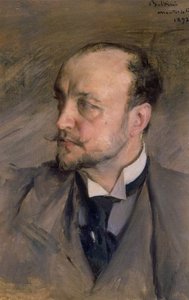
Giovanni Boldini
1842 - 1931 , Italien
Kurzinfos
- Bemerkenswerte Werke: ['Die Countess de Rasty liegend']
- Geburtsdatum: 31. Dezember 1842
- Geburtsort (Stadt, Land): Ferrara, Italien
- Künstler, Die Diesen Künstler Beeinflussten: ['Macchiaioli-Bewegung']
- Künstlerische Bewegung Oder Stil: Impressionismus
- Nationalität: Italienisch
- Sterbedatum: 11. Juli 1931
- Vollständiger Name: Giovanni Boldini
Ähnliche Artikel
Giovanni Boldini: Ein Meister der Belle Époque und sein Kult um die Persönlichkeit
Entdecken Sie Giovanni Boldini, den Meister der Belle Époque! Erfahren Sie mehr über seinen einzigartigen Malstil, die Porträts der High Society und sein Vermächtnis in der Kunstgeschichte. Expertenanalyse & Hintergrundinformationen.
Echoes of 1875: Art, Culture & the Belle Époque's Pivotal Moment
Explore the art & culture of 1875 Paris – a pivotal year for Impressionism & the Belle Époque. Discover Degas, Béraud, Stewart & more with ArtsDot's expert insights.
Echoes of a Turning Century: Artistic Responses to 1902 – A Year of Transition & Innovation
Explore the captivating art of 1902 – a pivotal year bridging Belle Époque elegance & Modernism's dawn. Discover artists like Chéret, Boldini & Luminist masters. Expert insights for collectors at ArtsDot.
Jean-Georges Béraud: Capturing Parisian Life in the Belle Époque
Explore the captivating world of Jean-Georges Béraud, master painter of Belle Époque Paris. Discover his iconic scenes, artistic evolution, and social commentary. A deep dive into 19th-century French art.
Echoes of 1882: Art, Culture & the Belle Époque's Lasting Impression
Explore the art & culture of the Belle Époque! Discover Impressionism, Realism, and iconic Parisian paintings from Degas, Béraud & more. High-quality reproductions at ArtsDot.