 Vorschau anzeigen
 Versenden
 Teilen
 Details anzeigen

 Herunterladen
 Ähnliche Objekte
 Röntgenaufnahme
 Diashow
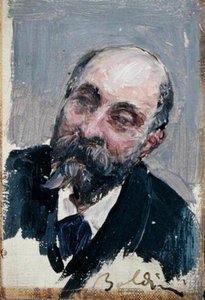
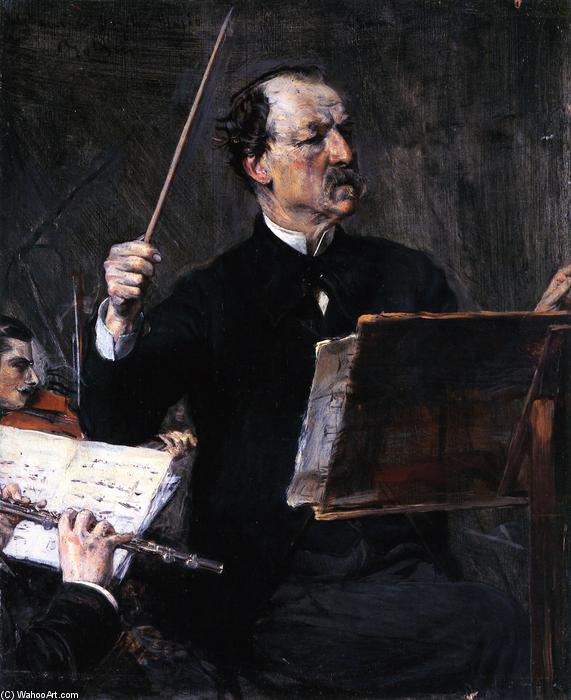
Emanuele Muzio at the Podium
 Oil On Canvas
- WallArt
- Impressionism
 1882
1882 27.0 x 22.0 cm
 Casa di Riposo per Musicisti
 Weiterlesen
Handgefertigte Ölreproduktion
Handgemaltes Ölgemälde auf Leinwand in Ihrer Wunschgröße und mit Rahmen, auf Bestellung von unseren Künstlern angefertigt. ( Druck bestellen Bild kaufen)




P118B $10

P118H $10

P118W $10

P438Z $10

P508JH $12

P508YH $12

P805H $10

P805Z $10

P919BZ $10

P919G $10

P919XJ $10

P959ZH $10

P968JZ $12

W106C $8

W218G $10

W218JH $8

W218Y $10

W307PJ $10

W316G $10

W316PJ $8

W316Y $10

W398PJ $8

W4111J $10

W500HY $15

W500JH $15

W692G $12

W849H $8

W940BG $15

W953PJ $8




Wählen Sie aus unseren vordefinierten Formaten, die den ursprünglichen Proportionen des Kunstwerks entsprechen.

Sie können Ihre eigenen Maße eingeben, um einen bestimmten Rahmen oder Platz auszufüllen. Wenn die gewählte Größe nicht den Proportionen des Originalbildes entspricht, werden wir das Kunstwerk entweder beschneiden oder das Gemälde durch zusätzliche, handgemalte Elemente erweitern. Ein digitales Mockup wird Ihnen zur Genehmigung zugesandt, bevor die Produktion beginnt.
Bitte beachten Sie, dass die Bildschirmvorschau nicht die tatsächliche Beschneidung oder Erweiterung widerspiegelt. Nur das Mockup zeigt die endgültige Komposition exakt an.
Obwohl Sondermaße verfügbar sind, empfehlen wir, eine Größe aus der vordefinierten Liste zu wählen, um die ursprünglichen Proportionen beizubehalten.
Nach der Bestellung wird das ArtsDot.com-Team dem Kunden Anweisungen per E-Mail zusenden und eine Mockup-Vorschau bereitstellen.
Weltweiter Versand () in nur 3 bis 4 Wochen statt der üblichen 5 Wochen. (28 August). Keine Kompromisse bei der Qualität.

Kostenloser weltweiter Expressversand

Hochwertige Leinenleinwand

Umfassender Versicherungsschutz beim Versand

Zollgebühren-Rückerstattungsgarantie

Garantie für exakte Farbtreue

60 Tage Rückgaberecht (nur bei Mängeln)

100% Geld-zurück-Garantie

Mengenrabatt verfügbar
 Die Glasoption ist nur für Größen unter 110 cm verfügbar.

Emanuele Muzio at the Podium
Art der Reproduktion
Format der Reproduktion
-


Gesamtpreis
$ 313
Giovanni Boldini’s “Emanuele Muzio at the Podium”: A Portrait of Dignity Amidst Artistic Flourish
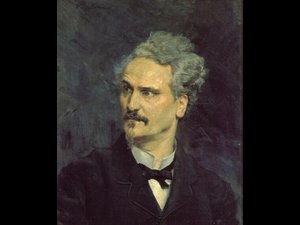
Giovanni Boldini's "Emanuele Muzio at the Podium," painted in 1882, transcends mere representation; it embodies the spirit of the Belle Époque—a period defined by opulent social gatherings and a fervent admiration for artistic achievement. This oil on panel masterpiece resides within the Casa di Riposo per Musicisti in Milan, Italy, serving as a testament to Boldini’s enduring legacy as one of Paris's most celebrated portraitists. Examining this artwork reveals not only technical prowess but also profound symbolic resonance, offering insights into the artist’s vision and the cultural milieu that nurtured it.Subject Matter and Setting: The Stage for Leadership
The painting depicts Emanuele Muzio, a prominent figure in musical circles—likely Giuseppe Verdi's tenor—standing confidently at a podium adorned with a richly textured wooden surface illuminated by warm light. Boldini meticulously captures Muzio’s posture – upright, commanding gaze directed towards the viewer – conveying an aura of authority and poise. Beside him rests a violin, symbolizing artistic expression and serving as a visual anchor within the composition. The subtle inclusion of sheet music further reinforces the central theme: Muzio is presiding over a performance, embodying leadership and artistic excellence. The backdrop is deliberately muted, emphasizing Muzio’s presence and creating an intimate atmosphere conducive to contemplation.Boldini's Style: Realism Infused with Impressionistic Flair
Giovanni Boldini championed Realism blended seamlessly with Impressionistic techniques—a stylistic approach he termed “Swish.” This distinctive style is evident in the painting’s meticulous rendering of Muzio’s facial features and clothing, achieved through careful observation and precise brushstrokes. However, unlike purely realistic depictions, Boldini prioritizes capturing fleeting moments of light and color, utilizing loose brushwork to imbue the canvas with vibrancy and dynamism. The artist skillfully employs chiaroscuro—the interplay between light and shadow—to sculpt Muzio’s form and create depth within the scene, enhancing its dramatic impact.Technique: Mastering Oil on Panel – Texture and Depth
Boldini's mastery of oil paint is palpable throughout “Emanuele Muzio at the Podium.” He skillfully blends pigments to achieve subtle tonal variations, creating a rich tapestry of textures that bring the subject matter to life. The artist’s brushstrokes are visible—a hallmark of Boldini’s style—adding tactile quality and conveying an impression of spontaneity. Furthermore, Boldini's meticulous attention to detail extends beyond Muzio himself; he meticulously portrays the wooden podium surface and violin, demonstrating his commitment to capturing the nuances of materiality. This technique contributes significantly to the painting’s overall visual impact, fostering a sense of immersion for the viewer.Symbolism: Dignity, Leadership, and Artistic Inspiration
Beyond its aesthetic qualities, “Emanuele Muzio at the Podium” carries symbolic weight. Muzio's unwavering gaze symbolizes confidence and conviction—qualities admired during the Belle Époque’s celebration of heroism and intellect. The violin represents artistic passion and creativity, underscoring the importance of music within Verdi’s world and reflecting Boldini’s broader fascination with cultural figures. The podium itself signifies leadership and prestige, encapsulating the grandeur of Verdi's stature as a composer and performer. Ultimately, Boldini’s artwork serves as an emblem of artistic accomplishment and dignified presence—themes that resonate powerfully across time.Emotional Impact: Elegance and Reflection
“Emanuele Muzio at the Podium” evokes feelings of admiration for Muzio’s character and artistry, while simultaneously prompting contemplation on themes of leadership and cultural heritage. Boldini's masterful use of light and color creates an atmosphere of warmth and sophistication—mirroring the opulent ambiance of Verdi’s era. The painting invites viewers to appreciate the beauty of artistic representation and to contemplate the enduring legacy of figures who shaped their time. It remains a captivating portrait not only of a celebrated musician but also of Boldini's profound understanding of human psychology and visual artistry.Ähnliche Kunstwerke
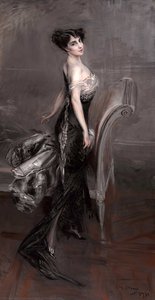
Über den Künstler
Frühes Leben und Ausbildung
Giovanni Boldini, ein italienischer Genre- und Porträtmaler, wurde am 31. Dezember 1842 in Ferrara, Italien, geboren. Sein Vater, ein Maler religiöser Themen, förderte sein frühes Interesse an der Kunst. Im Jahr 1862 zog Boldini für sechs Jahre nach Florenz, um dort zu studieren und das Malen zu betreiben. Dort lernte er die Macchiaioli kennen, eine Gruppe italienischer Realisten, die den Impressionismus vorausgingen.Künstlerische Laufbahn
Boldinis künstlerischer Stil zeichnete sich durch seine fließende, spontane Reaktion auf die Natur aus, wie man sie in seinen Landschaftsbildern sehen kann. Doch gerade seine Porträts brachten ihm weitreichende Anerkennung. Er wurde als der "Meister des Schwungs" bekannt, ein Titel, den Time Magazine 1933 prägte. Seine Fähigkeit, die Eleganz und das Flair der Pariser Gesellschaft einzufangen, machte ihn berühmt. Boldini war ein begnadeter Beobachter und sein Pinsel fange die Bewegung und Energie seiner Modelle auf eine einzigartige Weise ein. Er malte oft Frauen in luxuriösen Umgebungen, wobei er ihre Schönheit und ihren Stil betonte.Wichtige Werke und Ausstellungen
- Das Porträt der Gräfin de Rasty liegend (Impressionismus) ist ein bemerkenswertes Beispiel für seine Arbeit und zeigt seine Fähigkeit, das Wesen seiner Motive einzufangen.
- Im Jahr 1897 hatte er eine Einzelausstellung in New York City, die seinen Ruf als Porträtmaler weiter festigte.
- Er nahm an der Biennale von Venedig im Jahr 1895, 1903, 1905 und 1912 teil und demonstrierte damit sein Engagement für die Kunstwelt.
Einflüsse und Entwicklung
Boldini wurde von verschiedenen Künstlern beeinflusst, darunter Edgar Degas und Auguste Renoir. Er bewunderte ihre Fähigkeit, Bewegung und Licht einzufangen, und versuchte, diese Elemente in seine eigenen Werke zu integrieren. Im Laufe seiner Karriere entwickelte Boldini einen unverwechselbaren Stil, der durch fließende Pinselstriche, eine lebendige Farbpalette und eine Vorliebe für das Porträtieren von Frauen bekannt ist. Er experimentierte mit verschiedenen Techniken, darunter auch die Verwendung von Pastellfarben und Ölfarben, um unterschiedliche Effekte zu erzielen. Seine frühen Werke zeigen Einflüsse des Realismus, während seine späteren Arbeiten stärker impressionistischen Zügen unterworfen sind.Vermächtnis
Giovanni Boldini verstarb am 11. Juli 1931 in Paris und hinterließ ein Vermächtnis als einer der modischsten Porträtmaler seiner Zeit. Seine Arbeit inspiriert weiterhin Künstler und Kunstliebhaber gleichermaßen.- Erkunden Sie weitere Werke von Giovanni Boldini unter [https://ArtsDot.com/@/giovanni-boldini](https://ArtsDot.com/@/giovanni-boldini).
- Entdecken Sie das Museo Giovanni Boldini (Italien) und seine Bedeutung für die italienische Kunst unter [https://ArtsDot.com/@@/a@d3astr-museo-giovanni-boldini-(italy)-a-hidden-gem-of-italian-art](https://ArtsDot.com/@@/a@d3astr-museo-giovanni-boldini-(italy)-a-hidden-gem-of-italian-art).
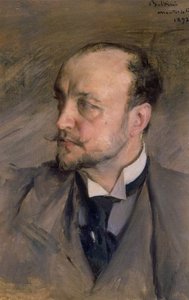
Giovanni Boldini
1842 - 1931 , Italien
Kurzinfos
- Bemerkenswerte Werke: ['Die Countess de Rasty liegend']
- Geburtsdatum: 31. Dezember 1842
- Geburtsort (Stadt, Land): Ferrara, Italien
- Künstler, Die Diesen Künstler Beeinflussten: ['Macchiaioli-Bewegung']
- Künstlerische Bewegung Oder Stil: Impressionismus
- Nationalität: Italienisch
- Sterbedatum: 11. Juli 1931
- Vollständiger Name: Giovanni Boldini
Ähnliche Artikel
Giovanni Boldini: Ein Meister der Belle Époque und sein Kult um die Persönlichkeit
Entdecken Sie Giovanni Boldini, den Meister der Belle Époque! Erfahren Sie mehr über seinen einzigartigen Malstil, die Porträts der High Society und sein Vermächtnis in der Kunstgeschichte. Expertenanalyse & Hintergrundinformationen.
Echoes of a Turning Century: Artistic Responses to 1902 – A Year of Transition & Innovation
Explore the captivating art of 1902 – a pivotal year bridging Belle Époque elegance & Modernism's dawn. Discover artists like Chéret, Boldini & Luminist masters. Expert insights for collectors at ArtsDot.
Echoes of 1882: Art, Culture & the Belle Époque's Lasting Impression
Explore the art & culture of the Belle Époque! Discover Impressionism, Realism, and iconic Parisian paintings from Degas, Béraud & more. High-quality reproductions at ArtsDot.
Harmonies on Canvas: Exploring the Visual Representation of Music in Art History
Explore the fascinating history of music's visual representation in art! From ancient symbolism to modern abstraction, discover how artists have captured sound and emotion on canvas. Expert insights & stunning examples.
Jean-Georges Béraud: Capturing Parisian Life in the Belle Époque
Explore the captivating world of Jean-Georges Béraud, master painter of Belle Époque Paris. Discover his iconic scenes, artistic evolution, and social commentary. A deep dive into 19th-century French art.