 Vorschau anzeigen
 Versenden
 Teilen
 Details anzeigen

 Herunterladen
 Ähnliche Objekte
 Röntgenaufnahme
 Diashow
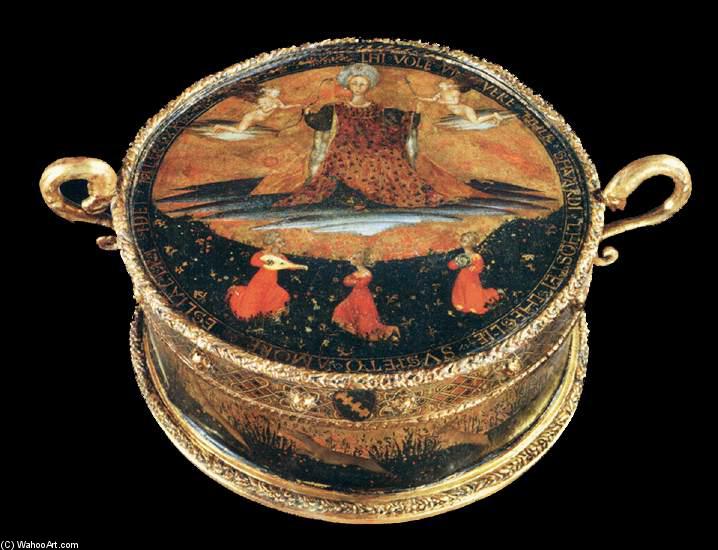
Wedding Casket with the Triumph of Venus
 Acrylic On Canvas
- WallArt
- Early Renaissance
 1421
1421 14.0 x 29.0 cm
 Louvre
 Weiterlesen
Giclée / Kunstdruck
Giclée- oder Leinwanddruck in Museumsqualität mit schneller Produktion und flexiblen Veredelungsoptionen. ( Handgemalte Reproduktion bestellen Bild kaufen)




P118B $10

P118H $10

P118W $10

P438Z $10

P508JH $12

P508YH $12

P805H $10

P805Z $10

P919BZ $10

P919G $10

P919XJ $10

P959ZH $10

P968JZ $12

W106C $8

W218G $10

W218JH $8

W218Y $10

W307PJ $10

W316G $10

W316PJ $8

W316Y $10

W398PJ $8

W4111J $10

W500HY $15

W500JH $15

W692G $12

W849H $8

W940BG $15

W953PJ $8




Wählen Sie aus unseren vordefinierten Formaten, die den ursprünglichen Proportionen des Kunstwerks entsprechen.

Sie können Ihre eigenen Maße eingeben, um ein bestimmtes Format oder einen speziellen Platz einzupassen. Wenn das von Ihnen gewählte Format nicht den Proportionen des Originalbildes entspricht, werden wir das Kunstwerk entweder beschneiden oder das Bild mit einem gespiegelten oder einfarbigen Rand erweitern. Ein digitaler Entwurf wird Ihnen zur Genehmigung zugesandt, bevor die Produktion beginnt.
Bitte beachten Sie, dass die Vorschau auf dem Bildschirm nicht den tatsächlichen Zuschnitt oder die Erweiterung widerspiegelt. Nur der Entwurf zeigt die endgültige Komposition präzise an.
Obwohl Sondermaße verfügbar sind, empfehlen wir die Auswahl eines Maßes aus der vordefinierten Liste, um die ursprünglichen Proportionen zu bewahren.
Weltweiter Versand () innerhalb von 2 Wochen statt der üblichen 4/5 Wochen. (1 September)

Kostenloser weltweiter Expressversand

Hochwertige Leinenleinwand

Umfassender Versicherungsschutz beim Versand

Zollgebühren-Rückerstattungsgarantie

Garantie für exakte Farbtreue

60 Tage Rückgaberecht (nur bei Mängeln)

100% Geld-zurück-Garantie

Mengenrabatt verfügbar
 Die Glasoption ist nur für Größen unter 110 cm verfügbar.

Wedding Casket with the Triumph of Venus
Giclée / Kunstdruck
Format der Reproduktion
-


Gesamtpreis
$ 62
A Dreamscape of Triumph: Giovanni di Paolo’s “Wedding Casket with the Triumph of Venus”
Giovanni di Paolo's "Wedding Casket with the Triumph of Venus," painted in Siena around 1421, is not merely a depiction of a scene; it’s an immersion into a world steeped in allegory and the ethereal beauty of early Renaissance art. Measuring just 14 x 29 cm, this small panel holds within its meticulously rendered surface a complex narrative that speaks to themes of marriage, fertility, divine power, and the delicate balance between earthly pleasure and spiritual aspiration. The painting resides within the Musée du Louvre in Paris, a testament to its enduring artistic merit.
At first glance, the image presents a vibrant tableau: three figures dominate the composition – a central figure, likely representing Venus herself, flanked by a youthful bride and a male attendant. These are set against a backdrop of richly colored drapery, symbolic objects, and a hazy landscape that evokes both earthly gardens and celestial realms. The artist’s signature style—a hallmark of Sienese painting during this period—is immediately apparent: a deliberate blurring of lines between realism and stylized representation, creating an atmosphere of dreamlike intensity. Giovanni di Paolo masterfully employs tempera on wood, a technique known for its luminous colors and durability, allowing him to achieve remarkable detail while maintaining a sense of atmospheric depth.
The Language of Symbolism
Decoding the symbolism within “Wedding Casket with the Triumph of Venus” is a rewarding exercise. The central figure, undeniably Venus, embodies not just romantic love but also fertility and prosperity – crucial elements for a successful marriage. The bride’s youthful appearance and elaborate attire signify her potential as a future mother and bearer of the family line. The male attendant, often interpreted as Cupid or another divine messenger, reinforces this theme of auspicious beginnings. Beyond these core figures, numerous objects contribute to the painting's layered meaning. A garland of flowers, a musical instrument, and a scattering of fruits all point towards abundance and celebration. The inclusion of a casket itself—a traditional symbol of marriage and remembrance—underscores the solemnity and significance of the union depicted.
Notably, the scene is framed within a broader mythological context. The presence of Venus, goddess of love and beauty, suggests an invocation of divine favor for the couple’s future happiness. The hazy background landscape hints at a transition between the earthly realm and the heavens, reinforcing the idea that marriage is not just a human affair but also a sacred union blessed by the gods.
A Glimpse into Sienese Artistic Traditions
Giovanni di Paolo’s work reflects the artistic currents of Siena in the early 15th century. His style, while influenced by the Gothic traditions prevalent at the time—particularly in his attention to detail and decorative elements—also demonstrates a nascent engagement with Renaissance principles. He was part of a vibrant artistic community that drew inspiration from both Byzantine mosaics and the emerging naturalism championed by artists like Masaccio. Giovanni’s use of color is particularly striking, employing rich reds, blues, and golds to create a visually arresting effect. His work often features elongated figures and dramatic poses, reminiscent of International Gothic painting—a style characterized by its elegance, expressiveness, and intricate details.
Capturing the Dreamlike Quality
“Wedding Casket with the Triumph of Venus” is more than just a historical artifact; it’s a powerful evocation of emotion and atmosphere. Giovanni di Paolo masterfully creates a sense of mystery and enchantment through his use of color, composition, and symbolism. The painting's dreamlike quality—a characteristic often associated with Sienese art— invites viewers to contemplate the complexities of love, marriage, and the divine. Today, reproductions of this captivating artwork offer an accessible way to experience the beauty and artistry of a pivotal moment in Italian Renaissance history. ArtsDot is proud to offer high-quality hand-painted reproductions that faithfully capture the essence of Giovanni di Paolo’s masterpiece, allowing you to bring this enchanting vision into your home or studio.
Ähnliche Kunstwerke
Über den Künstler
Giovanni di Paolo: Ein Sieneser Maler der Träume
- Geboren: um 1403, Siena, Italien
- Gestorben: 1482, Siena
Frühes Leben und künstlerische Entwicklung
Giovanni di Paolo di Grazia entwickelte sich im frühen 15. Jahrhundert zu einer bedeutenden Figur in der Sieneser Kunstszene. Obwohl die genauen Details seines frühen Lebens etwas verschwommen sind, wird angenommen, dass er möglicherweise bei Taddeo di Bartolo oder Martino di Bartolomeo in die Lehre ging, beides prominente Sieneser Meister. Seine anfängliche Ausbildung umfasste wahrscheinlich die Illumination von Manuskripten, was sich aus seiner dokumentierten Arbeit für die Dominikanische Ordnung in Siena seit etwa 1417 ergibt. Diese Zeit schärfte seine Fähigkeiten in Detail- und Farbgebung, entscheidende Elemente, die später seinen künstlerischen Stil definieren sollten.
Künstlerischer Stil und Einflüsse
Giovanni di Paolos Kunst zeichnet sich durch eine einzigartige Mischung aus gotischen Traditionen und aufkommenden Renaissance-Sensibilitäten aus. Seine frühen Werke spiegeln den Einfluss früherer Sieneser Meister wider, doch im Laufe seiner Karriere entwickelte er eine unverwechselbare visuelle Sprache, die sich durch langgestreckte Figuren, kalte, harte Farben und oft surreale Atmosphäre auszeichnete. Ein wichtiger Einfluss war Gentile da Fabriano, dessen Besuch in Siena um 1420 Giovanni’s künstlerische Vision tiefgreifend beeinflusste. Er übernahm Elemente von Gentiles Stil, insbesondere die Einarbeitung naturalistischer Details wie blühende Pflanzen in religiöse Szenen – eine Abweichung von den konventionelleren Darstellungen stehender Heiliger.
- Gotischer Einfluss: Deutlich erkennbar an seinen langgestreckten Figuren und dekorativen Mustern.
- Einfluss Gentile da Fabrianos: Übernahme naturalistischer Elemente und Fokus auf Details.
- Einzigartige, traumähnliche Qualität: Viele Werke besitzen eine ungewöhnliche, surreale Atmosphäre.
Hauptwerke und Themen
Giovanni di Paolos Œuvre umfasst zahlreiche Altarbilder, Tafeln und illuminierte Manuskripte. Seine bekanntesten Werke demonstrieren seine Fähigkeit, traditionelle religiöse Erzählungen in fesselnde visuelle Erlebnisse zu verwandeln. Das *Wunder des Heiligen Nikolaus von Tolentino* (um 1455) veranschaulicht seinen surrealen Stil mit seiner fantastischen Landschaft und traumartigen Komposition. Die Serie, die Szenen aus dem Leben der Heiligen Katharina von Siena darstellt, die heute in verschiedenen Museen verstreut sind, zeugt von seiner Meisterschaft im Erzählmalerei und ausdrucksstarken Charakterdarstellung.
- Das Wunder des Heiligen Nikolaus von Tolentino (um 1455): Ein Paradebeispiel für seinen surrealen Stil.
- Serie über die Heilige Katharina von Siena: Demonstriert erzählerisches Geschick und Charakterdarstellung.
- Illuminierte Manuskripte: Insbesondere Dantes *Göttliche Komödie*, die komplizierte Details und lebendige Farben zeigen.
Historische Bedeutung und Vermächtnis
Giovanni di Paolos Ruf erlebte nach seinem Tod im Jahr 1482 einen Rückgang, doch seine künstlerische Bedeutung wurde im 20. Jahrhundert wiederentdeckt. Er gilt heute als eine zentrale Figur der Sieneser Schule, die die Brücke zwischen spätgotischer Kunst und Frührenaissance schlägt. Seine Bereitschaft, mit Form und Farbe zu experimentieren, verbunden mit seiner einzigartigen, traumähnlichen Vision, unterschied ihn von seinen Zeitgenossen und etablierte ihn als eine unverwechselbare Stimme in der italienischen Kunstgeschichte.
- Übergangsfigur: Vermittelte zwischen Gotik und Renaissance.
- Wiederentdeckte Bedeutung: Im 20. Jahrhundert für seinen innovativen Ansatz anerkannt.
- Einzigartige künstlerische Vision: Seine traumähnliche Qualität unterscheidet ihn von anderen Sieneser Malern.
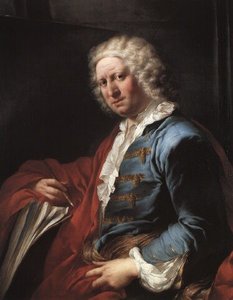
Giovanni di Paolo
1403 - 1482 , Italien
Kurzinfos
- Bemerkenswerte Werke:
- Mirakel des Hl. Nikolaus
- Leben der Katharina von Siena
- Göttliche Komödie (Illuminationen)
- Einflussreiche Künstler:
- Gentile da Fabriano
- Taddeo di Bartolo
- Geburtsdatum: ca. 1403
- Geburtsort: Siena, Italien
- Künstlerische Richtung: Sienese Schule, Gotik
- Nationalität: Italienisch
- Sterbedatum: 1482
- Vollständiger Name: Giovanni di Paolo
Ähnliche Artikel

Giotto di Bondone: Die 25 Meisterwerke des Frührenaissance – Kunst für Ihr Zuhause
Entdecken Sie die 25 Meisterwerke von Giotto di Bondone! Erleben Sie die Frührenaissance, religiöse Kunst & ikonische Fresken wie in der Scrovegni Kapelle. Hochwertige Kunstdrucke online bei ArtsDot.com – für zeitlose Eleganz in Ihrem Zuhause.
Hochzeitsandenken ohne Langeweile: Individuelle Kunst für unvergessliche Momente
Verwandeln Sie Ihre Hochzeitserinnerungen in einzigartige Kunstwerke! Exklusive handgemalte Reproduktionen & personalisierte Gemälde von – Ihr Experte für hochwertige Hochzeitsgeschenke & Deko.

Liebe auf Leinwand: 7 Romantische Stile für Ihr Hochzeitsporträt – Eine umfassende Anleitung
Entdecken Sie romantische Stile für Ihr Hochzeitsporträt! Unsere Experten beraten Sie bei der Auswahl des perfekten Kunstwerks – handgemalt & individuell. Finden Sie Ihr einzigartiges Erinnerungsstück!
Ewige Erinnerung: Hochzeitslocations als Gemälde verewigen – Ein exklusiver Leitfaden
Verewigen Sie Ihre Hochzeitslocation als einzigartiges Gemälde! Exklusive Kunstwerke für Brautpaare – personalisiert, hochwertig & mit Expertenberatung. Finden Sie Ihr perfektes Andenken!

Verwandeln Sie Ihr Hochzeitsfoto in ein zeitloses Kunstwerk – Eine Schritt-für-Schritt-Anleitung
Verwandeln Sie Ihr Hochzeitsfoto in ein atemberaubendes Kunstwerk! Entdecken Sie unsere Schritt-für-Schritt Anleitung & erfahren Sie, wie wir Ihre Erinnerung für die Ewigkeit bewahren. Handgemalte Qualität von Experten.