

 Vorschau anzeigen
 Versenden
 Teilen
 Details anzeigen

 Herunterladen
 Ähnliche Objekte
 Röntgenaufnahme
 Diashow
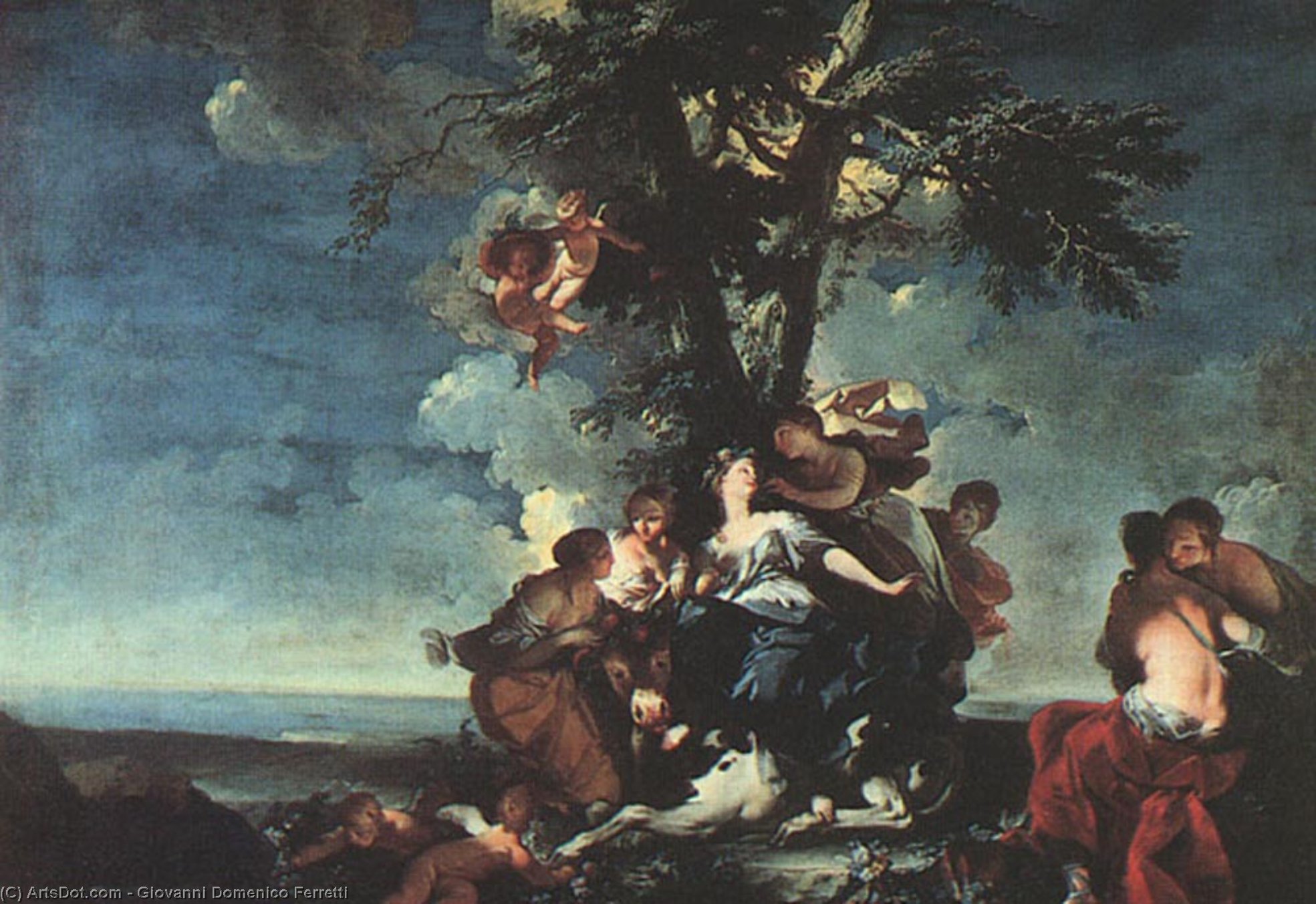
The Rape of Europa
 Oil On Canvas
- WallArt
- Rococo Style
 1720
1720 205.0 x 146.0 cm
 Galleria degli Uffizi
 Weiterlesen
Giclée / Kunstdruck
Giclée- oder Leinwanddruck in Museumsqualität mit schneller Produktion und flexiblen Veredelungsoptionen. ( Handgemalte Reproduktion bestellen Bild kaufen)




P118B $10

P118H $10

P118W $10

P438Z $10

P508JH $12

P508YH $12

P805H $10

P805Z $10

P919BZ $10

P919G $10

P919XJ $10

P959ZH $10

P968JZ $12

W106C $8

W218G $10

W218JH $8

W218Y $10

W307PJ $10

W316G $10

W316PJ $8

W316Y $10

W398PJ $8

W4111J $10

W500HY $15

W500JH $15

W692G $12

W849H $8

W940BG $15

W953PJ $8




Wählen Sie aus unseren vordefinierten Formaten, die den ursprünglichen Proportionen des Kunstwerks entsprechen.

Sie können Ihre eigenen Maße eingeben, um ein bestimmtes Format oder einen speziellen Platz einzupassen. Wenn das von Ihnen gewählte Format nicht den Proportionen des Originalbildes entspricht, werden wir das Kunstwerk entweder beschneiden oder das Bild mit einem gespiegelten oder einfarbigen Rand erweitern. Ein digitaler Entwurf wird Ihnen zur Genehmigung zugesandt, bevor die Produktion beginnt.
Bitte beachten Sie, dass die Vorschau auf dem Bildschirm nicht den tatsächlichen Zuschnitt oder die Erweiterung widerspiegelt. Nur der Entwurf zeigt die endgültige Komposition präzise an.
Obwohl Sondermaße verfügbar sind, empfehlen wir die Auswahl eines Maßes aus der vordefinierten Liste, um die ursprünglichen Proportionen zu bewahren.
Weltweiter Versand () innerhalb von 2 Wochen statt der üblichen 4/5 Wochen. (1 September)

Kostenloser weltweiter Expressversand

Hochwertige Leinenleinwand

Umfassender Versicherungsschutz beim Versand

Zollgebühren-Rückerstattungsgarantie

Garantie für exakte Farbtreue

60 Tage Rückgaberecht (nur bei Mängeln)

100% Geld-zurück-Garantie

Mengenrabatt verfügbar
 Die Glasoption ist nur für Größen unter 110 cm verfügbar.

The Rape of Europa
Giclée / Kunstdruck
Format der Reproduktion
-


Gesamtpreis
$ 62
A Mythic Drama Unfolds – The Rape of Europa by Giovanni Domenico Ferretti
Giovanni Domenico Ferretti’s “The Rape of Europa,” painted in Florence around 1720-1740 and now residing within the hallowed halls of the Uffizi Gallery, is more than just a depiction of Greek mythology; it's a profoundly dramatic tableau brimming with psychological intensity and Baroque artistry. The scene captures a pivotal moment from Ovid’s *Metamorphoses* – Zeus, disguised as a magnificent white bull, abducting Europa, a Phoenician princess, to Crete. Ferretti masterfully translates this ancient narrative into a visually arresting experience, capturing not just the action but also the palpable fear and vulnerability of his subject.
The painting immediately commands attention with its dynamic composition. Europa, poised on the bull’s back, is caught in a moment of exquisite terror – her limbs flung out, her face contorted in surprise and distress. The bull itself is rendered with impressive musculature and a focused gaze, embodying both power and predatory intent. The surrounding figures—a group of onlookers frozen in bewildered observation—add to the sense of unease and helplessness. Ferretti’s use of light and shadow is particularly striking; a dramatic chiaroscuro technique highlights Europa's form, emphasizing her vulnerability against the imposing figure of the bull and the looming darkness of the sea.
Baroque Drama and Florentine Influence
Ferretti was deeply influenced by the Baroque style prevalent in Florence at the time, particularly the work of Sebastiano Ricci. Ricci’s vibrant colors, dynamic compositions, and emphasis on emotional expression are clearly evident in Ferretti's painting. However, Ferretti departs from Ricci’s lighter palette, employing a richer, more somber range of tones that heighten the drama and underscore the tragic nature of the event. The influence of Florentine art academies is also apparent; Ferretti was a member of the Accademia del Disegno, where he honed his skills and absorbed the artistic traditions of the city.
The painting’s historical context is crucial to understanding its power. The Baroque period (roughly 1600-1750) witnessed a renewed interest in classical mythology and a desire to evoke strong emotions through art. Artists sought to capture not just the outward appearance of subjects but also their inner lives, exploring themes of love, loss, faith, and mortality. “The Rape of Europa” perfectly embodies this spirit, offering a visceral portrayal of abduction, fear, and the disruption of innocence.
Symbolism and Emotional Resonance
Beyond its narrative content, "The Rape of Europa" is rich in symbolism. The bull itself represents Zeus’s divine power and his ability to transform himself into any form he desires. Europa's vulnerability symbolizes the loss of innocence and the disruption of order. The onlookers represent humanity’s helplessness in the face of overwhelming forces – a reminder of our own susceptibility to fate and the capricious nature of the gods. The red silk scarf that Europa holds is often interpreted as a symbol of her lost dignity and freedom.
Furthermore, the painting's emotional impact is profound. Ferretti doesn’t shy away from depicting the horror of the abduction; instead, he invites viewers to confront the unsettling reality of violence and exploitation. The scene evokes feelings of pity for Europa, outrage at Zeus’s actions, and a sense of unease about the fragility of human existence. It's a work that continues to resonate with audiences centuries after its creation, prompting reflection on themes of power, morality, and the enduring mysteries of mythology.
A Timeless Masterpiece – Reproduction Possibilities
Reproductions of “The Rape of Europa” offer an exceptional opportunity to bring this dramatic masterpiece into any setting. High-quality prints capture the painting’s rich colors, dynamic composition, and emotional intensity, allowing viewers to appreciate Ferretti's artistry from a new perspective. Whether adorning a grand salon or a smaller study, this iconic image will undoubtedly serve as a focal point of conversation and contemplation – a testament to the enduring power of Baroque art.
Ähnliche Kunstwerke
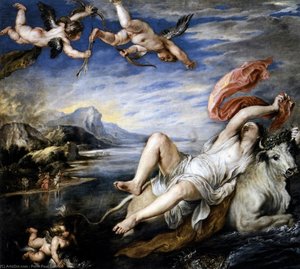
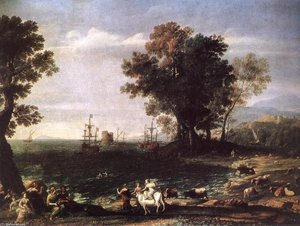
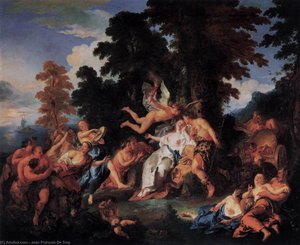
Über den Künstler
Giovanni Domenico Ferretti: Ein florentinischer Meister der Rokoko
Frühes Leben und Ausbildung
- Giovanni Domenico Ferretti wurde am 15. Juni 1692 in Florenz, Italien, geboren.
- Er war der Sohn von Antonio di Giovanni da Imola und Margherita di Domenico Gori und Neffe des Antiquariers Antonio Francesco Gori.
- Ferretti verbrachte einen Teil seiner Jugend in Imola, kehrte aber für seine künstlerische Ausbildung nach Florenz zurück.
- Seine anfänglichen Studien wurden von Tommaso Redi und Sebastiano Galeotti durchgeführt und legten den Grundstein für seinen späteren Stil.
- Er reiste auch nach Bologna, um unter Felice Torelli zu arbeiten, wodurch sich sein Horizont an verschiedene Techniken anreicherte.
Karriereentwicklung & Einflüsse
- Nach seiner Rückkehr nach Florenz im Jahr 1715 erhielt Ferretti einen Empfehlungsschreiben von Kardinal Gozzadini, das ihm die Verfolgung von Mäzenlauten half.
- Er trat der Florentiner Accademia del Disegno bei, wo er später Lehrer wurde.
- Ferrettis Stil wurde maßgeblich von Sebastiano Ricci beeinflusst, insbesondere Riccis lebendige und pastelfarbene Fresken im Palazzo Marucelli-Fenzi.
- Er fand auch Inspiration bei Bolognesischen Malern wie Giuseppe Maria Crespi und Giovanni Gioseffo dal Sole während seiner frühen Ausbildung.
Wichtige Werke & Künstlerischer Stil
- Ferretti zeichnete sich in der Fresko-Malerei aus und führte zahlreiche Aufträge für Florentinische Kirchen und Paläste an.
- Zu den bemerkenswerten Projekten gehören die Dekorationen der Badia Fiorentina, der Kapelle San Giuseppe im Duomo und der Kirche San Salvatore al Vescovo.
- Seines größten Werkes war die Dekoration des Deckenraums von Santa Maria del Carmine, der tragischerweise einem Brand zum Opfer fiel.
- Er entwarf außerdem Webereien für die Medici-Familie und demonstrierte damit seine Vielseitigkeit als Künstler.
- Ferrettis Stil ist durch seine Rokoko-Eleganz, dynamische Kompositionen und den Einsatz von Licht und Farbe gekennzeichnet.
Mäzenlauten & Aufträge
- Ferretti genoss während seiner Karriere beträchtlichen Mäzenlauten und arbeitete für einflussreiche Familien und religiöse Institutionen.
- Er dekorierte den Palazzo Amati Cellesi in Pistoia, den Palazzo Sansedoni in Siena und die Villa Flori in Pescia.
- Die Zuschreibung erfolgt ihm für Fresken innerhalb der Kuppel des Doms von San Zeno in Pistoia.
- Seine Fähigkeit, seinen Stil an verschiedene Umgebungen anzupassen, trug zu seiner weitverbreiteten Anerkennung bei.
Vermächtnis & Historische Bedeutung
- Giovanni Domenico Ferretti stellt eine Schlüsselperson in der florentinischen Rokoko-Malerei dar.
- Er verband erfolgreich Einflüsse aus verschiedenen künstlerischen Traditionen und schuf einen einzigartigen und ansprechenden Stil.
- Obwohl einige seiner bedeutendsten Werke verloren gegangen sind, belegen seine überlebenden Fresken und dokumentierte Aufträge seine Fähigkeiten und seine Bedeutung in der Kunstwelt des 18. Jahrhunderts.
- Ferrettis Beiträge zur Fresko-Malerei und Webereidesign festigten seinen Ruf als vielseitiger und versierter Künstler.
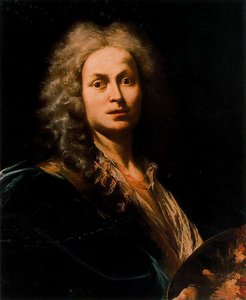
Giovanni Domenico Ferretti
1692 - 1768 , Italien
Kurzinfos
- Artistic Movement Or Style: Rokoko
- Artists Or Movements Influenced By This Artist: Giuseppe Maria Crespi
- Artists Who Influenced This Artist: Sebastiano Ricci
- Date Of Birth: 1692-06-15
- Date Of Death: 1768-08-18
- Full Name: Giovanni Domenico Ferretti
- Nationality: Italienisch
- Notable Artworks:
- Dekoration der Badia Fiorentina
- Dekoration des Deckenraums von Santa Maria del Carmine
- Place Of Birth: Florenz, Italien
Ähnliche Artikel

Barocke Pracht: Wie Sie Opulenz und Emotionen in zeitgenössische Innenräume bringen
Entdecken Sie die Pracht des Barock! Expertenratgeber für luxuriöse Innenräume mit barocken Elementen. Inspiration, Tipps & hochwertige Kunst bei .

The Dramatic Flourish: Exploring the Baroque Movement's Enduring Legacy in Art History
Explore the dramatic world of Baroque art! Discover iconic artists like Caravaggio & Rubens, defining techniques, and its lasting impact on art history. Expert insights for collectors & enthusiasts at ArtsDot.

Barock Meisterwerke: Die 10 prägendsten Kunstwerke für Ihr Zuhause |
Entdecken Sie die 10 prägendsten Meisterwerke des Barock! Caravaggio, Rembrandt & Co. – Erfahren Sie die Geschichten hinter ikonischen Gemälde und finden Sie hochwertige Kunst Reproduktionen für Ihr Zuhause auf .

The Visceral Stage: Exploring Dramatic Narratives & Emotional Intensity in Baroque Art
Explore the dramatic world of Baroque art! Discover iconic masters like Caravaggio & Rembrandt, their techniques, and the movement's lasting impact. Expert insights for collectors & enthusiasts at ArtsDot.

Theatricality & Triumph: Baroque Drama in Painting & Sculpture
Explore the dramatic world of Baroque art! Discover its history, defining characteristics, & lasting influence on painting & sculpture. Expert insights into Caravaggio, Zurbarán, and Bernini – plus high-quality reproductions at ArtsDot.

