 Vorschau anzeigen
 Versenden
 Teilen
 Details anzeigen

 Herunterladen
 Ähnliche Objekte
 Röntgenaufnahme
 Diashow
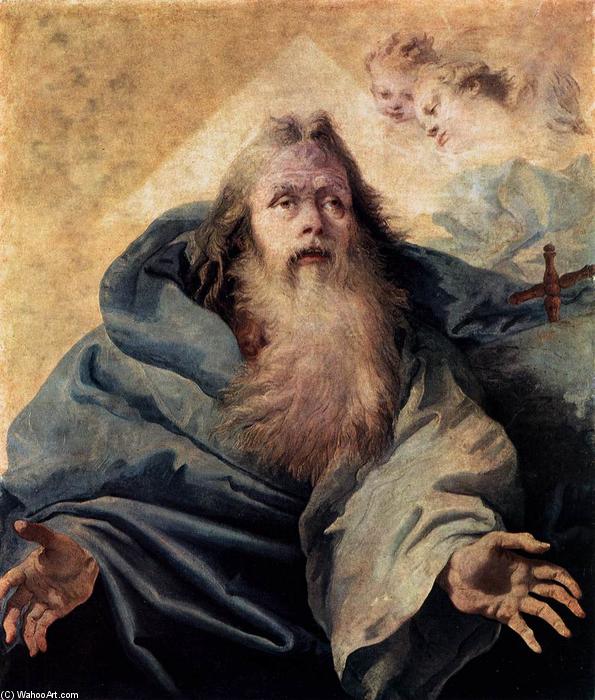
God the Father
 Oil On Canvas
- WallArt
- Rococo Fresco
 96.0 x 81.0 cm
 Szépművészeti Múzeum
 Weiterlesen
Giclée / Kunstdruck
Giclée- oder Leinwanddruck in Museumsqualität mit schneller Produktion und flexiblen Veredelungsoptionen. ( Handgemalte Reproduktion bestellen Bild kaufen)




P118B $10

P118H $10

P118W $10

P438Z $10

P508JH $12

P508YH $12

P805H $10

P805Z $10

P919BZ $10

P919G $10

P919XJ $10

P959ZH $10

P968JZ $12

W106C $8

W218G $10

W218JH $8

W218Y $10

W307PJ $10

W316G $10

W316PJ $8

W316Y $10

W398PJ $8

W4111J $10

W500HY $15

W500JH $15

W692G $12

W849H $8

W940BG $15

W953PJ $8




Wählen Sie aus unseren vordefinierten Formaten, die den ursprünglichen Proportionen des Kunstwerks entsprechen.

Sie können Ihre eigenen Maße eingeben, um ein bestimmtes Format oder einen speziellen Platz einzupassen. Wenn das von Ihnen gewählte Format nicht den Proportionen des Originalbildes entspricht, werden wir das Kunstwerk entweder beschneiden oder das Bild mit einem gespiegelten oder einfarbigen Rand erweitern. Ein digitaler Entwurf wird Ihnen zur Genehmigung zugesandt, bevor die Produktion beginnt.
Bitte beachten Sie, dass die Vorschau auf dem Bildschirm nicht den tatsächlichen Zuschnitt oder die Erweiterung widerspiegelt. Nur der Entwurf zeigt die endgültige Komposition präzise an.
Obwohl Sondermaße verfügbar sind, empfehlen wir die Auswahl eines Maßes aus der vordefinierten Liste, um die ursprünglichen Proportionen zu bewahren.
Weltweiter Versand () innerhalb von 2 Wochen statt der üblichen 4/5 Wochen. (23 August)

Kostenloser weltweiter Expressversand

Hochwertige Leinenleinwand

Umfassender Versicherungsschutz beim Versand

Zollgebühren-Rückerstattungsgarantie

Garantie für exakte Farbtreue

60 Tage Rückgaberecht (nur bei Mängeln)

100% Geld-zurück-Garantie

Mengenrabatt verfügbar
 Die Glasoption ist nur für Größen unter 110 cm verfügbar.

God the Father
Giclée / Kunstdruck
Format der Reproduktion
-


Gesamtpreis
$ 62
Sammlerstück-Beschreibung
The Weight of Divinity: Giovanni Domenico Tiepolo’s ‘God the Father’
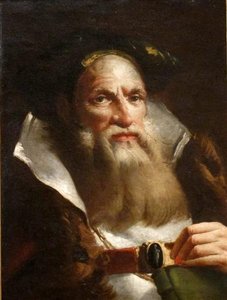
Giovanni Domenico Tiepolo's “God the Father,” a monumental canvas measuring 96 x 81 cm, is not merely a depiction of a divine figure; it’s an immersive experience. Painted circa 1759, this work transcends simple portraiture, plunging the viewer into a realm of profound contemplation and spiritual yearning. The painting immediately commands attention with its muted palette – deep blues, earthy browns, and subtle greys – creating an atmosphere of solemnity and introspection. It’s a deliberate choice that contrasts sharply with the vibrant colors often associated with Tiepolo's earlier, more exuberant works, suggesting a shift in his artistic focus towards a quieter, more meditative style.
At the heart of the composition sits the Father figure himself – a man burdened by an almost palpable weariness. His long hair, unkempt and falling across his shoulders, speaks to a life lived with intensity, perhaps even hardship. The heavy cloak draped over his arms isn’t simply attire; it represents the weight of responsibility, the immense task of guiding humanity. His downcast gaze, directed towards his left hand outstretched as if reaching for an unseen solace, is profoundly moving. It's a gesture that invites us to share in his silent struggle – a poignant reminder of the human condition and our inherent need for connection.
A Rococo Vision Steeped in Symbolism
Tiepolo’s work firmly anchors itself within the traditions of the Rococo style, yet it possesses a unique depth that elevates it beyond mere decorative flourish. The two angelic figures flanking the Father are not simply attendants; they embody compassion and concern. Their hovering presence suggests a divine intervention, a silent offering of support to this weary deity. The use of light is masterful – a diffused glow illuminates the central figure, drawing our attention while simultaneously casting shadows that emphasize his vulnerability. This interplay of light and dark isn’t just aesthetic; it symbolizes the struggle between darkness and divinity, despair and hope.
Beyond the immediate depiction, “God the Father” is rich in symbolic language. The outstretched hand, a motif frequently found in depictions of God, represents both power and grace – the ability to bestow blessings while simultaneously acknowledging our need for guidance. The overall composition evokes a sense of pilgrimage, suggesting that the journey towards spiritual understanding is fraught with challenges but ultimately rewarding. It’s a visual meditation on faith, responsibility, and the enduring mystery of the divine.
Historical Context & The Tiepolo Legacy
Giovanni Domenico Tiepolo was a pivotal figure in his family's artistic dynasty, inheriting and expanding upon the legacy of his renowned father, Giovanni Battista Tiepolo. While Giovanni Battista was celebrated for his grand, theatrical frescoes adorning palaces across Europe, Giovanni Domenico developed a more introspective style, often focusing on smaller-scale works that explored themes of human emotion and spiritual contemplation. This painting exemplifies this shift – a departure from the bombastic displays of his father towards a quieter, more deeply felt expression of faith.
The work’s creation coincided with a period of significant artistic change in Europe, as the Rococo style began to give way to Neoclassicism. Tiepolo's approach, however, remained firmly rooted in the traditions of the past while subtly incorporating elements of contemporary sensibility. His meticulous attention to detail, combined with his masterful use of color and composition, ensures that “God the Father” remains a captivating testament to the enduring power of art to explore profound human experiences.
A Timeless Masterpiece for Reflection & Display
“God the Father” is more than just a beautiful painting; it’s an invitation to contemplate the complexities of faith, responsibility, and the human spirit. Its evocative imagery and masterful technique make it a compelling addition to any collection, while its quiet intensity offers a welcome respite from the noise and distractions of modern life. Reproductions of this remarkable work capture much of its original power, allowing art lovers to experience its profound beauty and spiritual depth in their own homes.
Ähnliche Kunstwerke
Über den Künstler
Giovanni Domenico Tiepolo: Ein Meister der Rokoko-Fresken
Giovanni Domenico Tiepolo (30. August 1727 – 3. März 1804) war ein bedeutender italienischer Maler und Grafiker aus der Republik Venedig. Er gilt als eine führende Figur des Rokoko-Stils, erbte und erweiterte das Vermächtnis seines berühmten Vaters, Giovanni Battista Tiepolo. Seine Karriere umfasste mehrere Jahrzehnte und hinterließ einen reichen Werkbestand, der durch lebendige Farben, dynamische Kompositionen und elegante Darstellungen mythologischer Szenen, Porträts und Landschaften gekennzeichnet ist.
Frühes Leben und Ausbildung
Geboren in einer Künstlerfamilie, war Giovannis frühes Leben eng mit der Welt der Kunst verbunden. Sein Vater, Giovanni Battista Tiepolo, ein gefeierter Maler, der für seine monumentalen Fresken bekannt ist, diente ihm als primärer Mentor. Giovanni Domenico erhielt unter seiner Vaters Anleitung eine strenge Ausbildung und lernte die Techniken und stilistischen Nuancen, die seine eigene künstlerische Entwicklung prägen würden. Er profitierte auch von der Begegnung mit anderen bedeutenden Künstlern seiner Zeit, darunter Sebastiano Ricci und Federico Bencovich, wodurch sich seine künstlerischen Horizonte weiter erweiterten. Als junger Mann assistierte er häufig seinem Vater bei groß angelegten Projekten und sammelte dabei wertvolle praktische Erfahrungen im Freskenmalen.
Künstlerisches Schaffen und Stil
Giovannis Karriere blühte im 18. Jahrhundert auf. Er etablierte sich als ein geschickter Künstler, der sowohl eigenständige Werke schaffen als auch an gemeinsamen Projekten mitwirken konnte. Während er zunächst eng mit seinem Vater zusammenarbeitete, entwickelte er allmählich seinen eigenen unverwechselbaren Stil, wobei er Elemente der im venezianischen Kunststil seiner Zeit vorherrschenden Rokoko-Ästhetik beibehielt. Sein künstlerisches Schaffen umfasste Fresken, Gemälde auf Leinwand und Radierungen.
- Fresken: Tiepolo war besonders für seine Fresken bekannt, mit denen er zahlreiche Orte in Italien mit aufwendigen Szenen schmückte. Bemerkenswerte Beispiele sind die Fresken im Ca' Dolfin am Canal Grande in Venedig und die Decke der Kirche Gesuati (Santa Maria del Rosario), ebenfalls in Venedig.
- Gemälde: Neben Fresken schuf er eine beträchtliche Anzahl von Gemälden auf Leinwand, oft mit mythologischen Themen oder Porträts. Beispiele hierfür sind "Perseus und Andromeda" (siehe hier), “Die Entführung der Europa” (siehe hier) und "Jäger mit Hirsch" (siehe hier).
- Radierungen: Tiepolo demonstrierte auch sein Können in der Radiertechnik und schuf detaillierte und ausdrucksstarke Drucke wie "Die heiligen Augustinus, Ludwig von Frankreich, Johannes Evangelist und Magnus" (siehe hier) und “Apotheose des Herkules” (siehe hier) deutlich wird.
Historische Bedeutung
Giovanni Domenico Tiepolo spielte eine entscheidende Rolle bei der Fortsetzung und Weiterentwicklung der venezianischen Rokoko-Kunst. Obwohl er zu Lebzeiten im Schatten seines Vaters stand, gilt er heute als ein bedeutender Künstler für sich selbst. Seine Fresken und Gemälde geben wertvolle Einblicke in den künstlerischen Geschmack und die kulturellen Werte des 18. Jahrhunderts in Venedig und Italien. Seine Fähigkeit, klassische Themen mit zeitgenössischen Sensibilitäten zu verbinden, festigte seinen Platz innerhalb der Rokoko-Bewegung und hinterließ ein Erbe lebendiger Kunst, das bis heute das Publikum fesselt.
Giovanni Domenico Tiepolo
2007 - 1770 , Italien
Kurzinfos
- Bemerkenswerte Werke:
- Perseus und Andromeda
- Die Entführung Europas
- Jäger mit Hirsch
- Die heiligen Augustinus
- Apollo und Diana
- Verherrlichung des Herkules
- Geburtsdatum: 30. August 1727
- Geburtsort: Venedig, Italien
- Künstlerische Einflüsse: ['Giovanni Battista Tiepolo']
- Künstlerische Richtung: Rokoko
- Nationalität: Italienisch
- Todatum: 3. März 1804
- Vollständiger Name: Giovanni Domenico Tiepolo
Ähnliche Artikel
From Grandeur to Grace: Exploring the Evolution of Baroque & Rococo Art
Explore the captivating evolution from Baroque's drama to Rococo's grace! Discover key artists, characteristics & lasting influence of these art movements with expert insights at ArtsDot.
Giambattista Tiepolo: Licht und Illusion – Das Vermächtnis eines Rokoko-Meisters
Entdecken Sie das Vermächtnis Giambattista Tiepolos! Erfahren Sie mehr über den Meister des Rokoko, seine Fresken und seinen einzigartigen Stil. Kunsthistorische Analyse & Expertenwissen auf ArtsDot.

The Dramatic Flourish: Exploring the Baroque Movement's Enduring Legacy in Art History
Explore the dramatic world of Baroque art! Discover iconic artists like Caravaggio & Rubens, defining techniques, and its lasting impact on art history. Expert insights for collectors & enthusiasts at ArtsDot.

Rococo Meisterwerke: Die Top 10, die eine Epoche prägten |
Entdecken Sie die Top 10 Rokoko Meisterwerke von Watteau, Boucher & Fragonard! Erfahren Sie die Geschichten hinter diesen ikonischen Gemälden und lassen Sie sich für Ihre Inneneinrichtung inspirieren. Hochwertige Kunstdrucke auf .

The Rococo Aesthetic: Opulence, Rebellion & the Pursuit of Pleasure in 18th-Century Art
Explore the opulent world of Rococo art! Discover its origins, key artists like Watteau & Boucher, and lasting influence on design. Expert insights for collectors & enthusiasts.