

 Vorschau anzeigen
 Versenden
 Teilen
 Details anzeigen

 Herunterladen
 Ähnliche Objekte
 Röntgenaufnahme
 Diashow
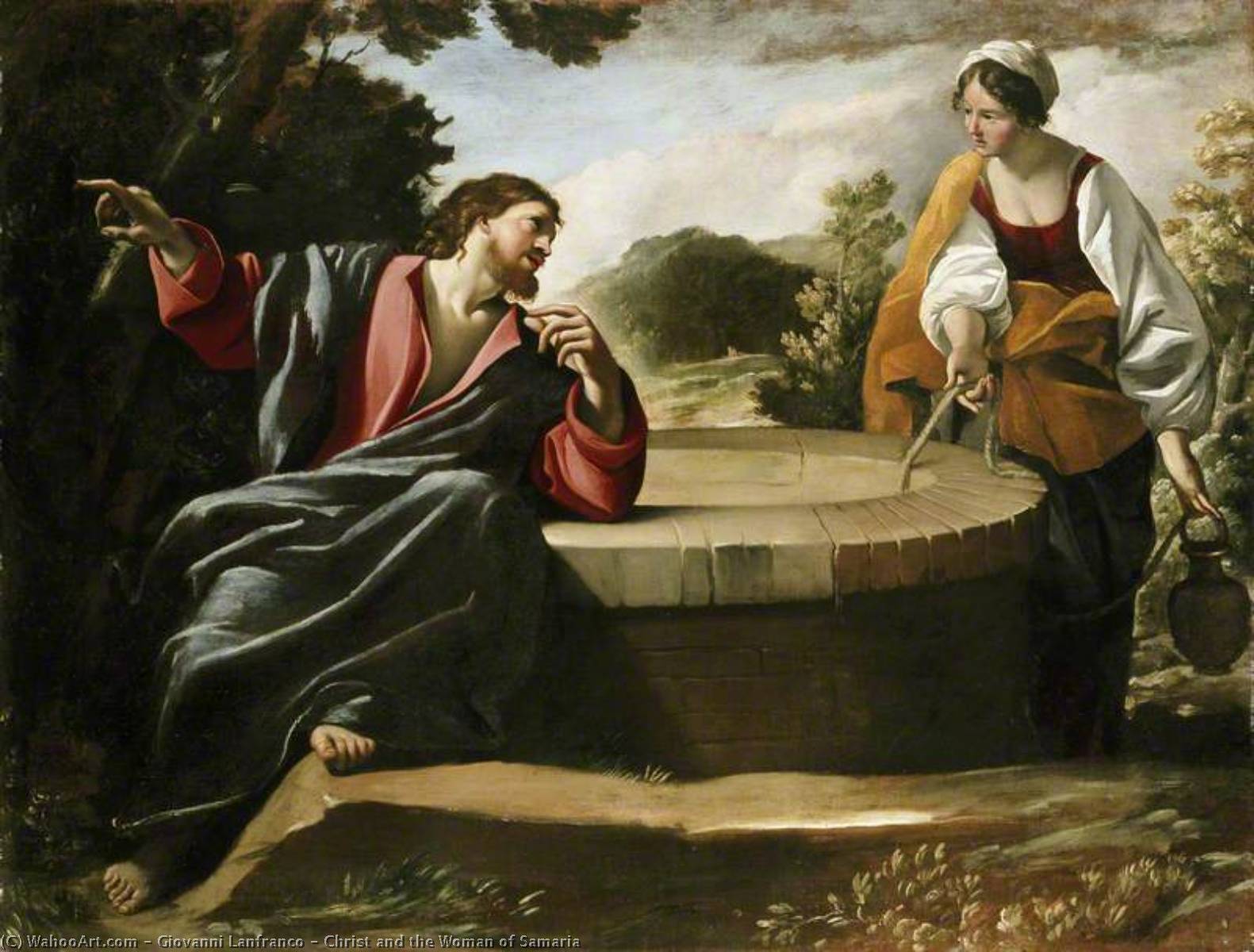
Christ and the Woman of Samaria
 Acrylic On Canvas
- WallArt
- Baroque Painting
 1620
1620 66.0 x 87.0 cm
 Ashmolean Museum of Art and Archaeology
 Weiterlesen
Erwerben Sie ein hochauflösendes, optimiertes digitales Bild, das der Online-Vorschau weit überlegen ist.
Jede Datei wird von unseren hauseigenen Spezialisten mit modernsten Werkzeugen und fachmännischer manueller Retusche sorgfältig vorbereitet. Wir stellen sicher, dass jedes Bild eine außergewöhnliche Klarheit, präzise Farbgenauigkeit und feinste Details aufweist.
Die endgültige Datei wird innerhalb von 72 Stunden per E-Mail zugestellt und ist für den sofortigen Einsatz in professionellen, redaktionellen und Druckumgebungen optimiert. Es handelt sich um dieselbe Qualität, der führende Designstudios, Verlage und Galerien vertrauen.
Digitales Bild
Laden Sie eine hochauflösende Datei für die persönliche Präsentation, den Druck und kreative Projekte herunter. ( Druck bestellen Handgemalte Reproduktion bestellen)
In jeder Bestellung digitaler Bilder enthalten
Professionelle digitale Bereitstellung, garantiert
Wenn Sie sich für ArtsDot.com entscheiden, erhalten Sie nicht nur ein Bild – Sie erhalten ein professionell aufbereitetes digitales Kunstwerk, das mit höchster Präzision erstellt und durch eine Zufriedenheitsgarantie abgesichert wird. Hier ist alles, was automatisch mit Ihrer Bestellung geliefert wird:

Schnelle E-Mail-Zustellung
Ihre hochauflösende digitale Bilddatei wird Ihnen innerhalb von 72 Stunden nach der Bestellung per E-Mail zugestellt – bereit zur sofortigen Verwendung.

KI-optimierte digitale Datei
Ihre Kunstwerke werden professionell mithilfe fortschrittlicher KI-Tools und manueller Bearbeitung optimiert, um maximale Detailtreue, Klarheit und Farbgenauigkeit zu gewährleisten.

Lebenslanger kostenloser Neudruckservice
Datei versehentlich gelöscht oder verloren? Keine Sorge – wir senden sie Ihnen jederzeit kostenlos erneut zu.

Keine Einfuhrgebühren – jemals
Genießen Sie Ihr Kunstwerk sofort ohne Zollgebühren, Einfuhrabgaben oder Versandkosten – digitale Downloads sind immer steuerfrei.

Garantierte Farbtreue
Wir garantieren, dass Ihr digitales Bild mithilfe professioneller Werkzeuge und Farbmanagement die Originalfarben so präzise wie möglich wiedergibt.

60-Tage-Zufriedenheitsgarantie
Sollten Sie mit Ihrem digitalen Bild nicht zufrieden sein, werden wir es überarbeiten oder Ihnen innerhalb von 60 Tagen 100% erstatten – ohne Wenn und Aber.

100% Geld-zurück-Garantie
Nicht zufrieden? Erhalten Sie innerhalb von 60 Tagen nach Erhalt Ihrer digitalen Datei eine vollständige Rückerstattung – ohne Angabe von Gründen.

Rabatte bei Großbestellungen
3 Bilder kaufen, 10% sparen – 5 Bilder kaufen, 15% sparen – Ab 10 Bildern 20% sparen. Ideal für kreative Projekte, Galerien und Agenturen.
Giovanni Lanfranco’s “Christ and the Woman of Samaria”: A Baroque Revelation
The fresco "Christ and the Woman of Samaria," painted by Giovanni Lanfranco in 1620, stands as a pivotal work within the artist's oeuvre and a compelling example of the dynamism and dramatic intensity characteristic of the High Renaissance’s transition into the Baroque. Housed today at the Ashmolean Museum in Oxford, this scene from the Gospel of John is not merely a depiction of biblical narrative; it’s an immersive experience, a carefully constructed tableau designed to evoke both spiritual contemplation and immediate emotional response. Lanfranco, trained under the tutelage of Agostino Carracci and later working within Annibale Carracci's workshop in Rome, masterfully synthesizes influences from his predecessors while forging a distinctly personal style marked by dramatic lighting, complex spatial arrangements, and an almost theatrical use of color.
The composition itself is immediately arresting. Jesus Christ, rendered with a serene yet commanding presence, engages in a conversation with a Samaritan woman at a well – a location imbued with symbolic significance within the Gospel story. The woman’s forward lean, her eager gaze directed towards Christ, speaks volumes about her transformation and the profound impact of their encounter. Surrounding them is a bustling scene: disciples observing from behind, a partially visible walled city hinting at the Samaritan community, and a detailed landscape that stretches into the distance, creating a sense of depth and perspective rarely achieved in earlier Italian painting. Lanfranco’s use of *chiaroscuro*, the dramatic interplay of light and shadow, is particularly noteworthy; it not only illuminates key figures but also serves to heighten the emotional intensity of the scene, drawing the viewer's eye towards Christ and the woman.
The Language of Gesture and Symbolism
Beyond its technical brilliance, “Christ and the Woman of Samaria” is rich in symbolic detail. The well itself represents a source of spiritual refreshment – a metaphor for salvation offered by Christ to those who are thirsty for divine grace. The woman’s gesture, pointing towards something unseen, suggests her openness to revelation and her willingness to embrace faith. Even the placement of the figures within the landscape is deliberate; the receding city walls symbolize the limitations of earthly concerns, while the open space invites contemplation about the boundless nature of God's love. Lanfranco doesn’t simply illustrate a biblical story; he uses every element of the composition – from the color palette to the spatial arrangement – to convey a deeper theological message.
Interestingly, this particular scene was not entirely unique in its artistic representation. Artemisia Gentileschi created her own version of “Christ and the Woman of Samaria” around 1637, demonstrating that the narrative resonated strongly with female artists as well. While both paintings share a similar composition and subject matter, they differ significantly in their stylistic approaches – Gentileschi’s work is characterized by a greater sense of realism and emotional intensity, while Lanfranco's leans towards a more idealized and theatrical presentation. Studying these two versions side-by-side offers valuable insights into the evolving artistic conventions of the Baroque period.
Lanfranco’s Context: Rome and the Papal Patronage
Giovanni Lanfranco’s career flourished during a period of immense artistic activity in Rome, fueled by the patronage of Pope Paul V. He was deeply involved in the decoration of several prominent papal palaces, including the Galleria Farnese and the Quirinale Palace. This exposure to the grand scale and ambitious projects of the Vatican provided him with invaluable experience and honed his skills as a fresco painter. Lanfranco’s ability to create illusionistic effects – particularly in ceiling frescoes – was highly prized by the papacy, and he became one of the leading artists commissioned to adorn the interiors of Rome's most important buildings.
Furthermore, Lanfranco’s artistic development was shaped by his apprenticeship with Annibale Carracci, a key figure in the revival of classical art within the Renaissance. Carracci’s emphasis on naturalism and anatomical accuracy influenced Lanfranco’s approach to depicting human figures, while his innovative use of perspective informed Lanfranco's own compositional strategies. The legacy of these influences is evident throughout “Christ and the Woman of Samaria,” where Lanfranco skillfully blends classical ideals with Baroque dynamism.
A Timeless Masterpiece: Reproduction Possibilities
“Christ and the Woman of Samaria” remains a powerfully evocative work of art, offering viewers a glimpse into the spiritual and emotional landscape of the Baroque era. Today, high-quality reproductions are available through various sources, allowing art enthusiasts to bring this masterpiece into their homes or offices. When selecting a reproduction, consider the medium – oil on canvas offers exceptional detail and color fidelity, while fine art prints provide an affordable alternative. Whether you choose a traditional print or a more contemporary format, a reproduction of Lanfranco’s fresco will undoubtedly serve as a captivating focal point, sparking conversation and inspiring contemplation for years to come.
Ähnliche Kunstwerke
Biografie des Künstlers
Giovanni Lanfranco: Eine führende Figur des Römischen Barock
- Geboren: Parma, Italien (1582)
- Gestorben: 1647
Giovanni Gaspare Lanfranco war ein bedeutender italienischer Maler der Barockzeit. Sein Wirken blühte vor allem in Rom, wo er für seine dynamischen Fresken und theatralischen Kompositionen bekannt wurde. Er gilt als eine wichtige Figur in der römischen Kunstszene und wird oft im Zusammenhang mit seiner Rivalität zu Domenichino genannt.
Frühes Leben und Ausbildung
Lanfrancos künstlerischer Weg begann in Parma, Italien. Als drittes Kind von Stefano und Cornelia Lanfranchi diente er zunächst als Page im Haushalt des Grafen Orazio Scotti. Sein angeborenes Talent zum Zeichnen führte ihn in die Lehre zu Agostino Carracci, dem Bruder von Annibale Carracci, zusammen mit Sisto Badalocchio. Diese frühe Ausbildung in den Farnese-Palästen schuf eine solide Grundlage.
Nach dem Tod von Agostino Carracci im Jahr 1602 traten Lanfranco und Badalocchio der großen und einflussreichen römischen Werkstatt von Annibale Carracci bei, die sich gerade mit der Dekoration der Galleria Farnese in Palazzo Farnese beschäftigte. Es wird angenommen, dass Lanfranco an Arbeiten wie "Polyphemus und Galatea" (eine Replik befindet sich in der Doria-Galerie) und anderen kleineren Werken in der Galerie beteiligt war.
Während dieser Zeit freskte Lanfranco zusammen mit Guido Reni und Francesco Albani die Herrera-Kapelle in San Giacomo degli Spagnoli. Er beteiligte sich auch an der Dekoration von San Gregorio Magno und der Cappella Paulina in Santa Maria Maggiore. Ab 1605 erhielt er unabhängige Aufträge, darunter Beiträge zum Camerino degli Eremiti im Palazzo Farnese.
Entwicklung und Künstlerischer Stil
Nach dem Tod von Annibale Carracci im Jahr 1609 kehrte Lanfranco für zwei Jahre nach Parma zurück. In dieser Zeit arbeitete er mit Bartolomeo Schedoni zusammen und malte ein Altarbild für die Ognissanti-Kirche. Er fertigte auch Gemälde und Altarbilder in verschiedenen Städten wie Orvieto, Vallerano, Leonessa und Fermo an.
Nach seiner Rückkehr nach Rom im Jahr 1612 konkurrierte Lanfranco mit anderen Schülern der Carracci – darunter Reni, Albani und Domenichino – um Aufträge. Sein Stil entwickelte sich hin zu einem visionären und theatralischen Ansatz, der besonders gut für Deckenmalereien geeignet war, die in den frühen 17. Jahrhundert immer beliebter wurden.
Lanfrancos künstlerische Einflüsse waren vielfältig. Er ließ sich von den späten Werken Ludovico Carraccis inspirieren und möglicherweise auch von Caravaggio (wie in seinem Altarbild "Die Inspiration des Heiligen Lukas"). Er assimilierte jedoch auch den Stil von Antonio Correggio, was in seiner vor 1608 entstandenen „Anbetung der Hirten“ deutlich wird. Sein Atelier wurde in den 1610er Jahren sehr aktiv und dekorierte Palazzo Mattei und die Buongiovanni-Kapelle in Sant'Agostino.
Wichtige Errungenschaften und Historische Bedeutung
Lanfrancos bedeutendste Leistung war sein Fresko "Die Himmelfahrt der Jungfrau" auf der Kuppel von Sant'Andrea della Valle (abgeschlossen 1627). Dieses monumentale Werk, das mit der „sotto in su“-Perspektivtechnik ausgeführt wurde, ist ein Meilenstein der Barockmalerei und zeichnet sich durch seine lebendigen Farben und dynamische Energie aus. Es spiegelt die Pionierarbeit Correggios bei der Dekoration des Duomo di Parma wider.
Zu den weiteren bemerkenswerten Aufträgen gehörten Fresken für Palazzo Costaguti und ein großes Deckenfresko in Villa Borghese ("Die Götter des Olymp"). Er dekorierte auch die Sala de' Corazzieri und die Sala Regia im Palazzo del Quirinale. Seine Arbeit an der "Ekstase der Heiligen Margareta von Cortona" (1622) soll Berninis berühmte Skulptur „St. Teresa in Ekstase“ beeinflusst haben.
Lanfrancos Fähigkeit, großflächige illusionistische Deckenmalereien zu schaffen, festigte seine Position als eine führende Künstlerin innerhalb der römischen Barockbewegung. Seine dynamischen Kompositionen und sein Können in der Perspektive trugen wesentlich zum visuellen Glanz zahlreicher Kirchen und Paläste in Rom bei.
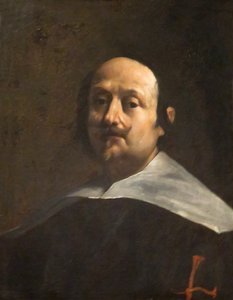
Giovanni Lanfranco
1582 - 1647 , Italien
Kurzinfos
- Artistic Movement Or Style: Barockmalerei
- Artists Who Influenced This Artist:
- Agostino Carracci
- Annibale Carracci
- Antonio Correggio
- Ludovico Carracci
- Caravaggio
- Date Of Birth: 26. Januar 1582
- Date Of Death: 30. November 1647
- Full Name: Giovanni Lanfranco
- Nationality: Italienisch
- Notable Artworks:
- Polyphemus und Galatea
- Himmelfahrt der Jungfrau
- Die Götter des Olymp
- Ekstase der Heiligen Margareta
- Place Of Birth (City And Country): Parma, Italien

