 Vorschau anzeigen
 Versenden
 Teilen
 Details anzeigen

 Herunterladen
 Ähnliche Objekte
 Röntgenaufnahme
 Diashow
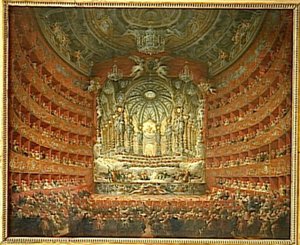
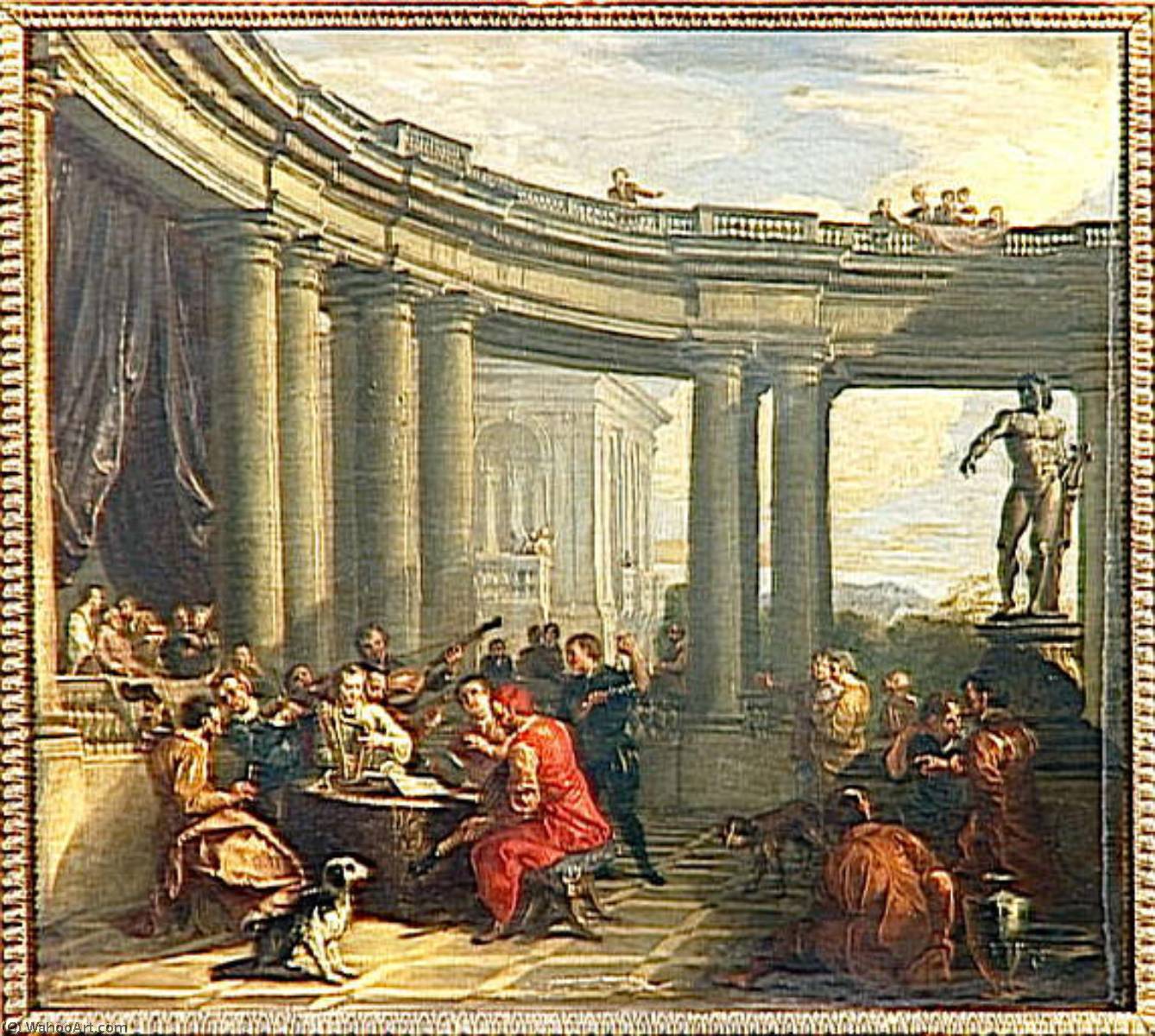
CONCERT DONNE DANS L'INTERIEUR D'UNE GALERIE CIRCULAIRE D'ORDRE DORIQUE


 Weiterlesen
Giclée / Kunstdruck
Giclée- oder Leinwanddruck in Museumsqualität mit schneller Produktion und flexiblen Veredelungsoptionen. ( Handgemalte Reproduktion bestellen Bild kaufen)




P118B $10

P118H $10

P118W $10

P438Z $10

P508JH $12

P508YH $12

P805H $10

P805Z $10

P919BZ $10

P919G $10

P919XJ $10

P959ZH $10

P968JZ $12

W106C $8

W218G $10

W218JH $8

W218Y $10

W307PJ $10

W316G $10

W316PJ $8

W316Y $10

W398PJ $8

W4111J $10

W500HY $15

W500JH $15

W692G $12

W849H $8

W940BG $15

W953PJ $8




Wählen Sie aus unseren vordefinierten Formaten, die den ursprünglichen Proportionen des Kunstwerks entsprechen.

Sie können Ihre eigenen Maße eingeben, um ein bestimmtes Format oder einen speziellen Platz einzupassen. Wenn das von Ihnen gewählte Format nicht den Proportionen des Originalbildes entspricht, werden wir das Kunstwerk entweder beschneiden oder das Bild mit einem gespiegelten oder einfarbigen Rand erweitern. Ein digitaler Entwurf wird Ihnen zur Genehmigung zugesandt, bevor die Produktion beginnt.
Bitte beachten Sie, dass die Vorschau auf dem Bildschirm nicht den tatsächlichen Zuschnitt oder die Erweiterung widerspiegelt. Nur der Entwurf zeigt die endgültige Komposition präzise an.
Obwohl Sondermaße verfügbar sind, empfehlen wir die Auswahl eines Maßes aus der vordefinierten Liste, um die ursprünglichen Proportionen zu bewahren.
Weltweiter Versand () innerhalb von 2 Wochen statt der üblichen 4/5 Wochen. (30 August)

Kostenloser weltweiter Expressversand

Hochwertige Leinenleinwand

Umfassender Versicherungsschutz beim Versand

Zollgebühren-Rückerstattungsgarantie

Garantie für exakte Farbtreue

60 Tage Rückgaberecht (nur bei Mängeln)

100% Geld-zurück-Garantie

Mengenrabatt verfügbar
 Die Glasoption ist nur für Größen unter 110 cm verfügbar.

CONCERT DONNE DANS L'INTERIEUR D'UNE GALERIE CIRCULAIRE D'ORDRE DORIQUE
Giclée / Kunstdruck
Format der Reproduktion
-


Gesamtpreis
$ 62
A Glimpse into Venetian Grandeur: Panini’s Concert in a Doric Gallery
Giovanni Paolo Panini's "Concert donné dans l'intérieur d'une galerie circulaire d'ordre dorique" is more than just a painting; it’s a meticulously crafted illusion, a frozen moment of aristocratic leisure within the heart of 18th-century Rome. Painted around 1717-1718, this captivating work transports us to a space that feels both utterly real and subtly fantastical – a testament to Panini's extraordinary skill as a vedutista and his profound understanding of perspective and theatrical design. The scene unfolds within a grand gallery, its walls defined by the imposing columns of Doric order, lending an air of classical restraint and monumental beauty. Yet, this seemingly austere architectural framework is lavishly populated with figures engaged in conversation, music-making, and the enjoyment of refreshments – a vibrant tableau that speaks to the refined tastes and social rituals of Roman high society.The Architect of Illusion: Panini’s Technique and Vision
Panini wasn't simply a painter; he was an architect of perception. His mastery lay in his ability to render space with breathtaking accuracy, creating the illusion of depth and volume that would later influence generations of artists. He achieved this through a complex system of linear perspective, meticulously calculated vanishing points and foreshortening, all rendered with astonishing detail. Notice how the figures recede into the distance, their forms subtly distorted by the angle of view, while the intricate details of the furniture, tapestries, and even the expressions on the faces of the participants are rendered with remarkable realism. Crucially, Panini wasn’t merely documenting a real space; he was constructing one – a carefully orchestrated scene designed to evoke a sense of grandeur and sophistication. The use of light is particularly masterful, bathing the gallery in a warm, diffused glow that highlights key elements and creates a harmonious atmosphere.Symbolism and Social Commentary
Beyond its technical brilliance, “Concert” offers a fascinating glimpse into the social dynamics of 18th-century Rome. The gathering is not simply a depiction of idle amusement; it’s a carefully staged tableau that reflects the complex hierarchies and power structures of the time. The presence of a large dog, seated attentively near one of the tables, adds an element of domesticity and warmth to the scene, subtly reminding us of the human connection within this formal setting. The clothing worn by the figures – from elegant robes to more casual garments – suggests a diverse range of social classes mingling in a space designed for display and prestige. The very act of hosting a concert was a significant event, signifying wealth, influence, and an appreciation for the arts.A Legacy of Roman Visions
Giovanni Paolo Panini’s work stands as a pivotal moment in art history, bridging the gap between classical antiquity and the Baroque era. His meticulous study of Roman ruins and his innovative use of perspective profoundly influenced artists like Canaletto and Bellotto, who sought to capture the essence of Rome's architectural heritage. Panini’s legacy extends beyond individual paintings; he established a new genre – the veduta – that would become synonymous with the depiction of urban landscapes. His meticulous attention to detail and his ability to create convincing illusions continue to inspire artists and designers today, making “Concert donné dans l'intérieur d'une galerie circulaire d'ordre dorique” a timeless masterpiece of visual storytelling. Reproductions of this work offer a remarkable opportunity to bring the elegance and sophistication of 18th-century Rome into any space, transforming it into a haven of refined beauty and artistic contemplation.Ähnliche Kunstwerke
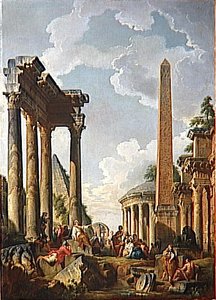
Über den Künstler
Giovanni Paolo Panini (1691–1765): Master of Roman Vedute & Architectural Fantasies
Giovanni Paolo Panini, a name synonymous with the grandeur and romantic allure of 18th-century Rome, was more than just a painter; he was a visual architect of memory. Born in Piacenza in 1691, his artistic journey began under the tutelage of Giuseppe Natali and Andrea Galluzzi, but it was his exposure to the theatrical designs of Francesco Galli-Bibiena that truly ignited his imagination. This early immersion in stagecraft would profoundly influence his later work, imbuing it with a sense of dramatic composition and illusionistic space. In 1711, he relocated to Rome, a city already steeped in artistic history, where he honed his skills under the guidance of Benedetto Luti, mastering the art of drawing and laying the foundation for his future mastery of perspective.From Frescoes to Vedute: The Evolution of an Artistic Style
Panini’s initial success came not as a canvas painter but as a decorator of palaces. His frescoes adorned the walls of prominent Roman residences, including the Villa Patrizi (1719–1725), Palazzo de Carolis (1720) and Seminario Romano (1721–1722). These early commissions allowed him to develop his technical prowess and establish a reputation within Rome’s artistic circles. However, it was his embrace of the *veduta*, or view painting, that would ultimately define his legacy. Unlike earlier topographical artists who focused on precise documentation, Panini infused his depictions of Rome with a sense of imaginative reconstruction. He didn't merely record what he saw; he re-imagined it, blending existing structures with fragments of ancient ruins and fanciful architectural elements. This approach, often referred to as *capriccio*, allowed him to create scenes that were both recognizable and dreamlike, capturing the spirit of Rome’s layered history. His 1719 admission into the Congregazione dei Virtuosi al Pantheon signaled his growing recognition within the Roman art world, and he soon became a sought-after artist among Grand Tourists – wealthy young Europeans traveling Italy to complete their education.- Notable Techniques: Panini’s distinctive style was characterized by meticulous attention to detail—particularly in rendering perspective—combined with an expressive use of light and shadow. He skillfully employed the *Panini Projection*, a revolutionary technique that enabled him to accurately represent panoramic views, establishing himself as a pioneer in architectural painting.
- Influences: Panini’s artistic sensibilities were shaped by several prominent artists of his time, including Giuseppe Natali, Andrea Galluzzi and Jan van Goyen. Van Goyen's mastery of atmospheric perspective served as an inspiration for Panini’s own landscapes, while Francesco Galli-Bibiena’s theatrical stage designs instilled in him a sense of dramatic composition.
The Pantheon Interior View & Other Masterpieces
Panini achieved international renown through his monumental depiction of the Pantheon's interior—a masterpiece that exemplifies his artistic vision. Completed in 1747, this fresco captures the grandeur and solemn beauty of the temple with remarkable precision, utilizing subtle gradations of light to convey a sense of depth and atmosphere. Beyond the Pantheon, Panini produced numerous other celebrated works, including *Rome Views*, which showcase his ability to synthesize architectural elements and imaginative embellishments into captivating panoramas. His depictions of ancient ruins—particularly those found in Rome—were particularly innovative, reflecting a broader intellectual preoccupation with classical antiquity and its influence on artistic expression.- Iconic Paintings: Among Panini’s most enduring achievements are his views of the Roman Forum and Circus Maximus, which capture the dynamism of urban life while simultaneously conveying a sense of timelessness. These paintings demonstrate Panini's exceptional skill in capturing fleeting moments of light and color—a hallmark of Baroque painting.
- The Role of Imagination: Unlike many artists of his era who prioritized faithful representation, Panini deliberately manipulated perspective to heighten the emotional impact of his compositions. This imaginative approach—characteristic of *capriccio*—allowed him to transcend mere observation and create scenes that resonated with viewers on a deeper level.
A Legacy Enduring Through Time
Giovanni Paolo Panini’s influence extended far beyond his own lifetime. He was a respected teacher at both the Accademia di San Luca and the Académie de France in Rome, shaping the artistic sensibilities of a generation of artists. Among his pupils was Hubert Robert, who would become equally renowned for his depictions of ruins, though with a more overtly romantic sensibility. Panini’s style also resonated with other *vedutisti*, including Antonio Joli and Charles-Louis Clérisseau, inspiring them to explore the possibilities of architectural painting. His works are now held in prestigious collections worldwide, including the Prado Museum, the Louvre, and the Museo Nazionale di Capodimonte, testament to his enduring appeal. He remains a pivotal figure in art history—a testament to the transformative power of imagination and meticulous technique.- Rediscovery & Recognition: Panini’s reputation had waned considerably after his death, but he was revived by late 18th-century British collectors who championed his work. Today, Panini is celebrated as one of the foremost painters of Roman vedute—a genre that continues to fascinate art historians and viewers alike.
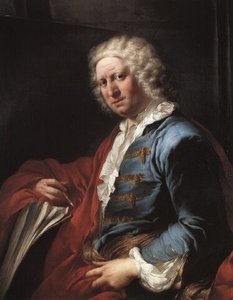
Giovanni Paolo Pannini
1691 - 1765 , Italien
Kurzinfos
- Artistic Movement Or Style: Barock, Vedutismo
- Artists Or Movements Influenced By This Artist: ['Hubert Robert']
- Artists Who Influenced This Artist:
- Giuseppe Natali
- Andrea Galluzzi
- F.Galli-Bibiena
- Date Of Birth: 1691
- Date Of Death: 1765
- Full Name: Giovanni Paolo Panini
- Nationality: Italienisch
- Notable Artworks:
- Pantheon Innenansicht
- Romische Ansichten
- Capricci
- Place Of Birth: Piacenza, Italien
Ähnliche Artikel

Barocke Pracht: Wie Sie Opulenz und Emotionen in zeitgenössische Innenräume bringen
Entdecken Sie die Pracht des Barock! Expertenratgeber für luxuriöse Innenräume mit barocken Elementen. Inspiration, Tipps & hochwertige Kunst bei .
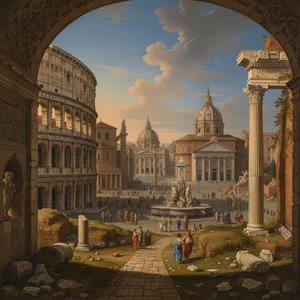
Giovanni Paolo Panini: Capturing Roman Grandeur – A Vedute Master's Legacy
Explore the captivating world of Giovanni Paolo Panini, master of Roman vedute painting. Discover his technique, iconic works, influence on art history & collecting advice from experts at ArtsDot.

Barock Meisterwerke: Die 10 prägendsten Kunstwerke für Ihr Zuhause |
Entdecken Sie die 10 prägendsten Meisterwerke des Barock! Caravaggio, Rembrandt & Co. – Erfahren Sie die Geschichten hinter ikonischen Gemälde und finden Sie hochwertige Kunst Reproduktionen für Ihr Zuhause auf .

The Visceral Stage: Exploring Dramatic Narratives & Emotional Intensity in Baroque Art
Explore the dramatic world of Baroque art! Discover iconic masters like Caravaggio & Rembrandt, their techniques, and the movement's lasting impact. Expert insights for collectors & enthusiasts at ArtsDot.

The Dramatic Flourish: Exploring the Baroque Movement's Enduring Legacy in Art History
Explore the dramatic world of Baroque art! Discover iconic artists like Caravaggio & Rubens, defining techniques, and its lasting impact on art history. Expert insights for collectors & enthusiasts at ArtsDot.