

 Vorschau anzeigen
 Versenden
 Teilen
 Details anzeigen

 Herunterladen
 Ähnliche Objekte
 Röntgenaufnahme
 Diashow
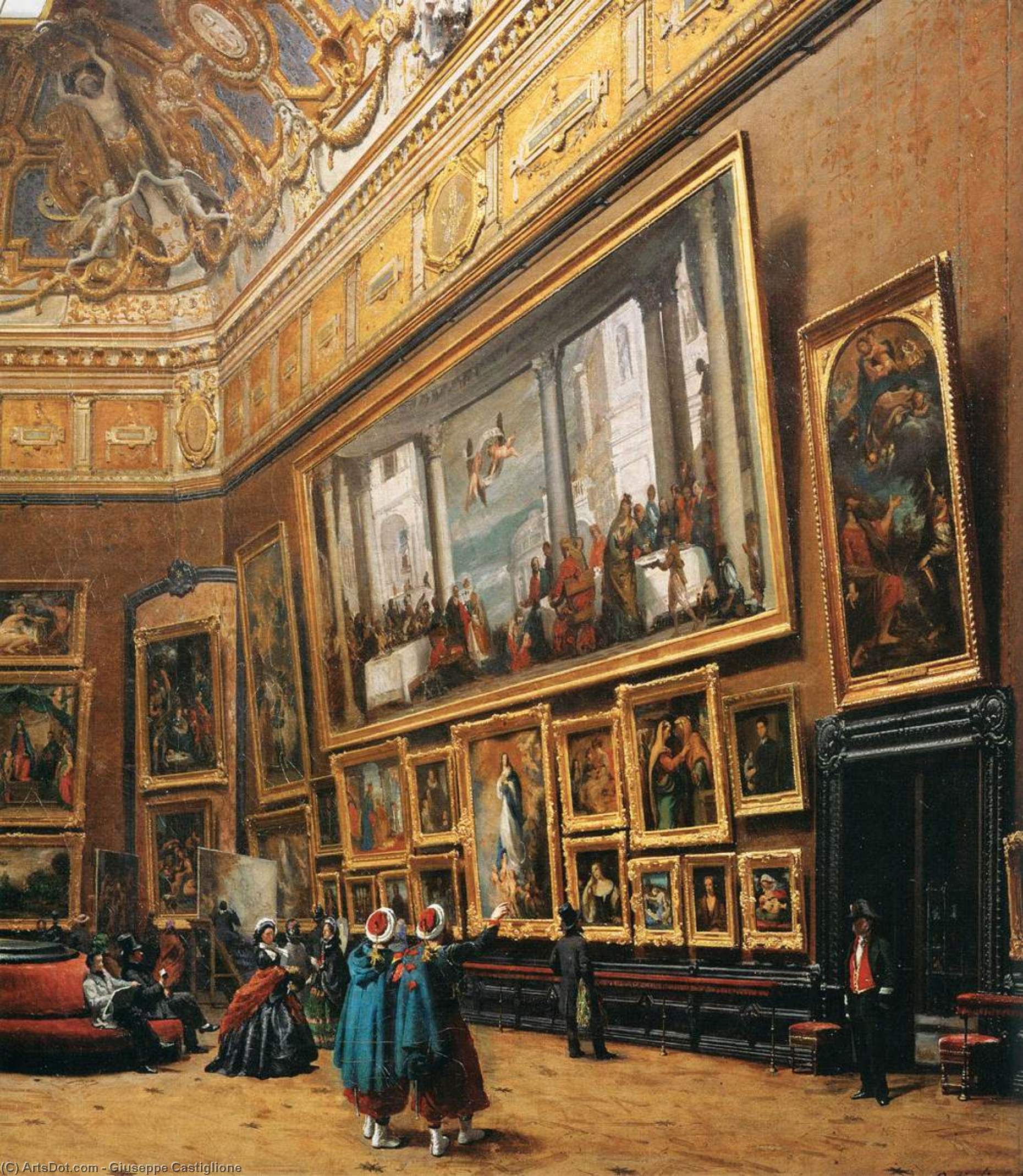
View of the Grand Salon Carré in the Louvre (detail)


 Weiterlesen
Giclée / Kunstdruck
Giclée- oder Leinwanddruck in Museumsqualität mit schneller Produktion und flexiblen Veredelungsoptionen. ( Handgemalte Reproduktion bestellen Bild kaufen)




P118B $10

P118H $10

P118W $10

P438Z $10

P508JH $12

P508YH $12

P805H $10

P805Z $10

P919BZ $10

P919G $10

P919XJ $10

P959ZH $10

P968JZ $12

W106C $8

W218G $10

W218JH $8

W218Y $10

W307PJ $10

W316G $10

W316PJ $8

W316Y $10

W398PJ $8

W4111J $10

W500HY $15

W500JH $15

W692G $12

W849H $8

W940BG $15

W953PJ $8




Wählen Sie aus unseren vordefinierten Formaten, die den ursprünglichen Proportionen des Kunstwerks entsprechen.

Sie können Ihre eigenen Maße eingeben, um ein bestimmtes Format oder einen speziellen Platz einzupassen. Wenn das von Ihnen gewählte Format nicht den Proportionen des Originalbildes entspricht, werden wir das Kunstwerk entweder beschneiden oder das Bild mit einem gespiegelten oder einfarbigen Rand erweitern. Ein digitaler Entwurf wird Ihnen zur Genehmigung zugesandt, bevor die Produktion beginnt.
Bitte beachten Sie, dass die Vorschau auf dem Bildschirm nicht den tatsächlichen Zuschnitt oder die Erweiterung widerspiegelt. Nur der Entwurf zeigt die endgültige Komposition präzise an.
Obwohl Sondermaße verfügbar sind, empfehlen wir die Auswahl eines Maßes aus der vordefinierten Liste, um die ursprünglichen Proportionen zu bewahren.
Weltweiter Versand () innerhalb von 2 Wochen statt der üblichen 4/5 Wochen. (6 September)

Kostenloser weltweiter Expressversand

Hochwertige Leinenleinwand

Umfassender Versicherungsschutz beim Versand

Zollgebühren-Rückerstattungsgarantie

Garantie für exakte Farbtreue

100 Tage Rückgaberecht (nur bei Mängeln)

100% Geld-zurück-Garantie

Mengenrabatt verfügbar
 Die Glasoption ist nur für Größen unter 110 cm verfügbar.

View of the Grand Salon Carré in the Louvre (detail)
Giclée / Kunstdruck
Format der Reproduktion
-


Gesamtpreis
$ 62
A Glimpse of Grandeur: Castiglione’s Louvre Salon
Giuseppe Castiglione's “View of the Grand Salon Carré in the Louvre” is more than just a painting; it’s a meticulously crafted window into a vanished world of aristocratic leisure and artistic patronage. Completed in 1861, this oil-on-canvas masterpiece transports us to the heart of Paris’s most prestigious museum during the Second Empire – an era defined by opulent displays of wealth, refined taste, and a profound appreciation for classical art. Castiglione, an Italian Jesuit brother who spent decades immersed in Chinese court life, uniquely blended European artistic conventions with the vibrant aesthetics he encountered in China, creating a style both strikingly original and deeply layered.
The scene unfolds within the Grand Salon Carré, a vast hall of the Louvre Palace – a space designed to impress and inspire. Castiglione doesn’t simply depict the room; he captures its atmosphere with remarkable precision. A group of elegantly dressed figures—men in the formal uniforms of military officers and women adorned in fashionable period attire—are absorbed in contemplating the numerous paintings that line the walls. Their postures, gestures, and expressions suggest a shared appreciation for beauty and an awareness of their own privileged position within society. The composition is carefully balanced, drawing the eye through the room with a subtle interplay of lines and shapes, creating a sense of depth and perspective that’s both realistic and subtly idealized.
A Fusion of Styles: Castiglione's Artistic Language
Castiglione’s artistic language is a fascinating synthesis of European academic painting and Chinese influences. The meticulous detail evident in the rendering of fabrics, furniture, and portraits reflects the rigorous training he received within the Jesuit order and the prevailing standards of French art academies. However, the overall mood—the slightly hazy atmosphere, the subtle use of color, and the emphasis on capturing a fleeting moment—evokes the spirit of Chinese landscape painting. This fusion is particularly evident in the way Castiglione uses light and shadow to create a sense of depth and atmosphere, reminiscent of traditional Chinese brushwork.
The technique itself is masterful. Castiglione employs smooth, blended brushstrokes to build up layers of color, creating a rich and luminous surface. He demonstrates a keen understanding of perspective, using linear techniques to convincingly portray the vastness of the salon and the receding planes of the walls. The use of warm colors—golds, browns, reds, and ochres—contributes to the painting’s overall sense of warmth and grandeur, while subtle variations in tone create a dynamic interplay of light and shadow.
Symbolism and Social Commentary
Beyond its technical brilliance, “View of the Grand Salon Carré” offers a glimpse into the social dynamics of 19th-century Paris. The painting subtly comments on the role of art within aristocratic society—a space where beauty was not merely admired but actively consumed and celebrated. The figures in the scene are not simply observers; they are participants in a ritual of aesthetic appreciation, reinforcing their status and solidifying their place within the social hierarchy.
The choice of subject matter – a grand salon filled with paintings – is itself symbolic. It underscores the importance of art as a marker of wealth, taste, and cultural refinement. The painting’s composition—with its carefully arranged figures and meticulously rendered details—reflects the values of order, harmony, and beauty that were highly prized by the French aristocracy during this period. The inclusion of military officers suggests the close ties between the arts and the state, highlighting the role of art in projecting an image of power and prestige.
A Legacy of Artistic Innovation
Giuseppe Castiglione’s “View of the Grand Salon Carré in the Louvre” remains a testament to his extraordinary artistic talent and his ability to bridge cultures. It is a captivating work that invites us to step back in time and experience the splendor of 19th-century Paris—a world where art was not just an object of beauty but a powerful symbol of social status, cultural refinement, and aristocratic privilege. Reproductions of this remarkable painting offer a unique opportunity to bring a touch of historical grandeur into any setting, capturing the essence of a bygone era with exquisite detail and evocative charm.
Ähnliche Kunstwerke
Über den Künstler
Giuseppe Castiglione: Eine Brücke zwischen Ost und West
- Geboren: Mailand, Italien (1688)
- Gestorben: 1766
- Weitere Namen: Lang Shining (郎世宁)
Giuseppe Castiglione war ein italienischer Jesuitengebrüder und Missionar, der während der Qing-Dynastie einen bedeutenden Einfluss auf die chinesische Kunst hatte. Geboren in Mailand trat er der Gesellschaft Jesu bei und diente schließlich als Künstler am kaiserlichen Hof für drei aufeinanderfolgende Kaiser: Kangxi, Yongzheng und Qianlong. Seine einzigartige Fähigkeit, europäische künstlerische Techniken mit traditionellen chinesischen Stilen zu verbinden, machte ihn zu einer hochgeschätzten Figur innerhalb des kaiserlichen Hauses.
Frühes Leben und Ausbildung
- Castiglione erhielt eine private Bildung in Mailand und zeigte früh ein Talent für das Malen.
- Er studierte unter einem Meistermaler, der den Grundstein für seine zukünftige künstlerische Karriere legte.
- Im Jahr 1707 trat er der Gesellschaft Jesu in Genua bei und wurde Laybruder anstelle eines Priesters. Dies ermöglichte es ihm, sein künstlerisches Talent zu pflegen und gleichzeitig innerhalb des Jesuitenordens zu bleiben.
- Vor seiner Reise nach China verbrachte Castiglione mehrere Jahre in Coimbra, Portugal, wo er die Kapelle von St. Franz Borgia mit bemerkenswerten Gemälden schmückte, darunter *Beschneidung Jesu*.
Künstlerische Karriere und Stil
- Ankunft in China: Castiglione kam 1715 nach Peking und arbeitete zunächst als Handwerker in der kaiserlichen Werkstatt für Emailkunst.
- Übernahme eines chinesischen Namens: Er nahm den Namen Lang Shining an, was seine Integration in die chinesische Gesellschaft symbolisierte.
- Fusion von Stilen: Castigliones künstlerischer Stil zeichnet sich durch eine bemerkenswerte Verschmelzung europäischer und chinesischer Traditionen aus. Er kombinierte geschickt westliche Perspektive, Schattierungstechniken (Chiaroscuro) und Zeichnung mit traditionellen chinesischen Themen, Kompositionsstilen und Materialien wie Seide.
- Kaiserlicher Schutz: Sein Talent wurde schnell erkannt, was zu einer Förderung durch Kaiser Yongzheng führte, der mehrere Werke in Auftrag gab. Besonders Kaiser Qianlong schätzte Castiglione und gewährte ihm im Laufe von drei Jahrzehnten zunehmend höhere offizielle Ränge und beauftragte zahlreiche Gemälde.
- Themen seiner Arbeit: Castigliones Themen umfassten Porträts von Kaisern und Kaiserinnen, Darstellungen von Tributpferden (eine Reihe bekannt als die "Vier Afghanische Pferde") und eine bedeutende Serie von "Kampfskupferdrucken", die Qianlongs militärische Kampagnen dokumentierten.
Bemerkenswerte Werke und Vermächtnis
- Hundert Pferde in einer Landschaft (1728): Dieses monumentale Werk für Kaiser Yongzheng gilt als Castigliones Meisterwerk. Es wurde auf Seide ausgeführt und zeigt seine Beherrschung von Perspektive und Licht, während er gleichzeitig europäische Techniken subtil an die chinesische Ästhetik anpasst.
- Kampfskupferdrucke: Diese Drucke, die in Zusammenarbeit mit anderen jesuitischen Künstlern entstanden, dokumentierten Qianlongs militärische Siege und wurden sowohl in China als auch in Europa verbreitet, was die globale Reichweite von Castigliones Werk demonstriert.
- Architektonische Beiträge: Über das Malen hinaus entwarf Castiglione auch westlich gestaltete Paläste innerhalb der Gärten des Alten Sommerpalastes und vermischte so europäische und chinesische Architekturstile weiter.
Historische Bedeutung
- Kultureller Austausch: Giuseppe Castiglione spielte eine entscheidende Rolle bei der Förderung des kulturellen Austauschs zwischen Europa und China im 18. Jahrhundert. Seine Kunst diente als Brücke, die westliche künstlerische Techniken nach China brachte und gleichzeitig chinesische Elemente in seine eigene Arbeit integrierte.
- Einfluss auf die Qing-Hofkunst: Er beeinflusste maßgeblich die Ästhetik der Qing-Hofkunst und trug zu einem neuen Stil bei, der Realismus mit traditionellen chinesischen Konventionen verband.
- Vermächtnis: Castigliones Vermächtnis wird weiterhin für seine einzigartige Mischung künstlerischer Traditionen und seine historische Bedeutung als Zeugnis für interkulturelles Verständnis und Zusammenarbeit gefeiert. Seine Werke werden von Sammlern und Gelehrten gleichermaßen hoch geschätzt und bieten wertvolle Einblicke in die Kunst und Kultur des 18. Jahrhunderts in China.
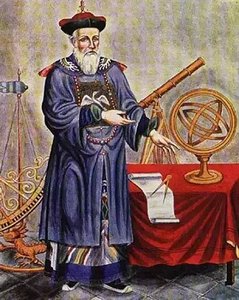
Giuseppe Castiglione
1688 - 1766 , Italien
Kurzinfos
- Artistic Movement Or Style: Europäisch-chinesische Fusion
- Artists Who Influenced This Artist:
- Carlo Cornara
- Andrea Pozzo
- Date Of Birth: 19. Juli 1688
- Date Of Death: 17. Juli 1766
- Full Name: Giuseppe Castiglione
- Nationality: Italienisch
- Notable Artworks:
- Hundert Pferde in der Landschaft
- Die Vier Afghanische Rosse
- Place Of Birth: Mailand, Italien
Ähnliche Artikel

The Enduring Legacy of Oil on Canvas: Technique, History & Aesthetic Impact
Explore the rich history & techniques of oil painting – from Renaissance masters to Impressionism. Discover pigments, layering methods, and why this timeless medium endures. Expert insights for artists & art enthusiasts.

Öl auf Leinwand: Eine historische und technische Erkundung eines zeitlosen künstlerischen Mediums
Entdecken Sie die faszinierende Welt der Ölmalerei! Von historischen Techniken bis zur modernen Anwendung – wir bieten Expertenwissen, Restaurierungstipps und hochwertige Reproduktionen. Jetzt informieren!
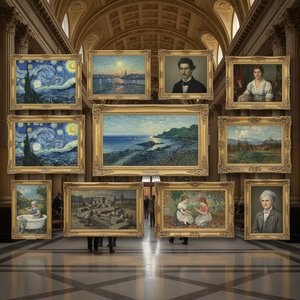
Meisterwerke des 19. Jahrhunderts: Kunst für Ihr Zuhause | ArtsDot
Entdecken Sie die 10 bedeutendsten Kunstwerke des 19. Jahrhunderts! Von Impressionismus bis Realismus – erleben Sie die Geschichten berühmter Maler und ihre Meisterwerke. Hochwertige Reproduktionen für Ihr Zuhause auf ArtsDot.com.

The Enduring Power of Painting: A Historical & Contemporary Exploration of Form and Emotion
Explore the rich history & enduring techniques of oil painting with ArtsDot. Discover masterpieces, learn about art collecting, and find authentic handmade reproductions crafted by skilled artists.
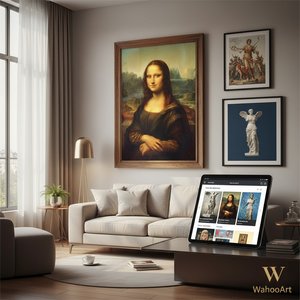
Louvre Meisterwerke: Die Top 25 Kunstwerke für Ihr Zuhause | ArtsDot
Entdecken Sie die Top 25 Kunstwerke des Louvre! Von der Mona Lisa bis zur Venus von Milo – erleben Sie Geschichte, Künstler und Techniken. Hochwertige Reproduktionen für Ihr Zuhause auf ArtsDot.com.