

 Vorschau anzeigen
 Versenden
 Teilen
 Details anzeigen

 Herunterladen
 Ähnliche Objekte
 Röntgenaufnahme
 Diashow
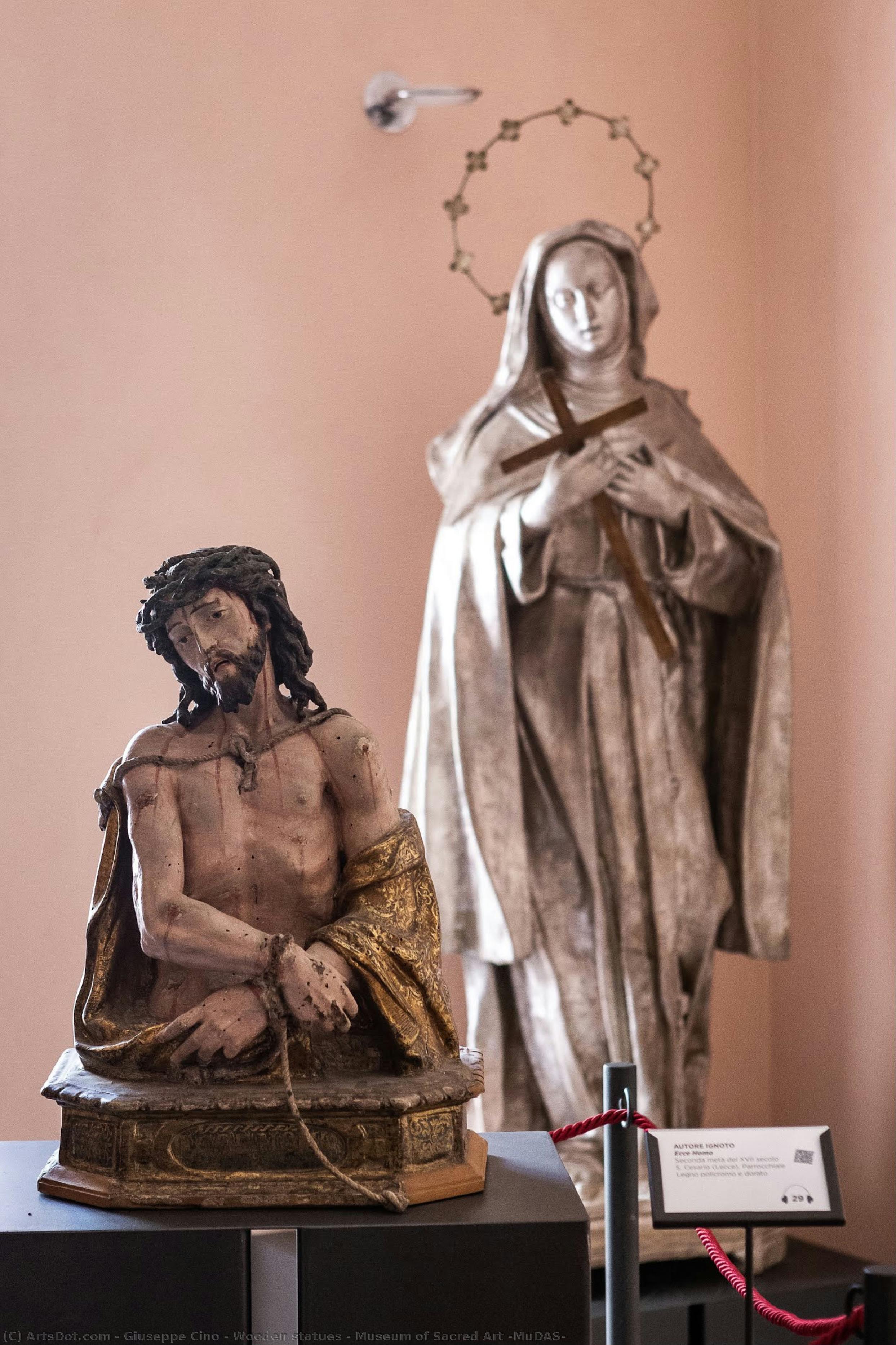
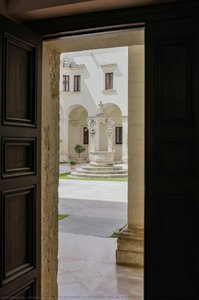
Wooden statues - Museum of Sacred Art (MuDAS)


 Weiterlesen
Erwerben Sie ein hochauflösendes, optimiertes digitales Bild, das der Online-Vorschau weit überlegen ist.
Jede Datei wird von unseren hauseigenen Spezialisten mit modernsten Werkzeugen und fachmännischer manueller Retusche sorgfältig vorbereitet. Wir stellen sicher, dass jedes Bild eine außergewöhnliche Klarheit, präzise Farbgenauigkeit und feinste Details aufweist.
Die endgültige Datei wird innerhalb von 72 Stunden per E-Mail zugestellt und ist für den sofortigen Einsatz in professionellen, redaktionellen und Druckumgebungen optimiert. Es handelt sich um dieselbe Qualität, der führende Designstudios, Verlage und Galerien vertrauen.
Digitales Bild
Laden Sie eine hochauflösende Datei für die persönliche Präsentation, den Druck und kreative Projekte herunter. ( Druck bestellen Handgemalte Reproduktion bestellen)
In jeder Bestellung digitaler Bilder enthalten
Professionelle digitale Bereitstellung, garantiert
Wenn Sie sich für ArtsDot.com entscheiden, erhalten Sie nicht nur ein Bild – Sie erhalten ein professionell aufbereitetes digitales Kunstwerk, das mit höchster Präzision erstellt und durch eine Zufriedenheitsgarantie abgesichert wird. Hier ist alles, was automatisch mit Ihrer Bestellung geliefert wird:

Schnelle E-Mail-Zustellung
Ihre hochauflösende digitale Bilddatei wird Ihnen innerhalb von 72 Stunden nach der Bestellung per E-Mail zugestellt – bereit zur sofortigen Verwendung.

KI-optimierte digitale Datei
Ihre Kunstwerke werden professionell mithilfe fortschrittlicher KI-Tools und manueller Bearbeitung optimiert, um maximale Detailtreue, Klarheit und Farbgenauigkeit zu gewährleisten.

Lebenslanger kostenloser Neudruckservice
Datei versehentlich gelöscht oder verloren? Keine Sorge – wir senden sie Ihnen jederzeit kostenlos erneut zu.

Keine Einfuhrgebühren – jemals
Genießen Sie Ihr Kunstwerk sofort ohne Zollgebühren, Einfuhrabgaben oder Versandkosten – digitale Downloads sind immer steuerfrei.

Garantierte Farbtreue
Wir garantieren, dass Ihr digitales Bild mithilfe professioneller Werkzeuge und Farbmanagement die Originalfarben so präzise wie möglich wiedergibt.

60-Tage-Zufriedenheitsgarantie
Sollten Sie mit Ihrem digitalen Bild nicht zufrieden sein, werden wir es überarbeiten oder Ihnen innerhalb von 60 Tagen 100% erstatten – ohne Wenn und Aber.

100% Geld-zurück-Garantie
Nicht zufrieden? Erhalten Sie innerhalb von 60 Tagen nach Erhalt Ihrer digitalen Datei eine vollständige Rückerstattung – ohne Angabe von Gründen.

Rabatte bei Großbestellungen
3 Bilder kaufen, 10% sparen – 5 Bilder kaufen, 15% sparen – Ab 10 Bildern 20% sparen. Ideal für kreative Projekte, Galerien und Agenturen.
Ähnliche Kunstwerke



Biografie des Künstlers
The Architect of Lecce's Baroque Splendor
In the sun-drenched landscape of Puglia, where the golden stone of Lecce seems to capture and hold the very essence of light, the name Giuseppe Cino resonates as a master of the Baroque era. Born in 1645 into a noble family, Cino was not merely a builder of structures but a weaver of stone, an artist who helped transform his birthplace into what many have poetically called the Florence of the Baroque. His life and career were deeply intertwined with the architectural evolution of Lecce, a city that became a canvas for his profound understanding of space, ornament, and dramatic movement.
Cino’s artistic journey was shaped by the shadows and light of the masters who preceded him. He underwent rigorous training under the guidance of Giuseppe Zimbalo, one of the most formidable figures of the period. From Zimbalo, Cino inherited a command over the intricate, almost organic ornamentation that defines the Lecce Baroque style—a technique where rigid geometric foundations are softened by an explosion of floral motifs, cherubs, and swirling drapery. This duality became the hallmark of his development; he possessed the rare ability to balance structural permanence with a sense of theatrical, ephemeral beauty.
A Legacy Carved in Stone and Memory
The breadth of Cino’s contribution extends far beyond the blueprints of cathedrals. While he is celebrated as an architect, his soul was equally present in the delicate medium of sculpture. His hands breathed life into religious icons, creating works such as the exquisite wooden statues found in the Museum of Sacred Art (MuDAS), where figures like Christ and Mary Magdalene emerge from the grain with a haunting, lifelike intensity. In pieces like the Statue of Saint Irene, one can witness his mastery over detail, capturing the profound emotional gravity required by the Counter-Reformation's aesthetic demands.
His architectural portfolio serves as a roadmap of Lecce’s historical grandeur. Cino was instrumental in the design and execution of several landmarks that continue to define the city's skyline:
- Palazzo dei Celestini: A monumental achievement where he succeeded Zimbalo, bringing a refined sense of nobility to the structure.
- Church of Santa Chiara: A testament to his ability to command sacred space through light and proportion.
- The Seminary of Lecce: Commissioned by Bishop Antonio Pignatelli, this project showcased his capacity for large-scale, complex urban planning.
- Church of Santa Ana: Demonstrating his influence reached beyond the city walls into Mesagne, spreading the Lecce Baroque style across the Salento peninsula.
The Chronicler of an Era
What truly distinguishes Giuseppe Cino from his contemporaries was his role as a guardian of history. Beyond the chisel and the compass, he was a man of letters. He authored the Memorie, a meticulous chronicle documenting the vital events that unfolded in Lecce between 1656 and 1719. This literary endeavor provides a rare, intimate window into the social and political pulse of his time, ensuring that his legacy is not only found in the physical stones of Puglia but also in the written memory of its people.
When Cino passed away in 1722, he left behind a city forever altered by his vision. His work remains a bridge between the rigid discipline of classical architecture and the exuberant, emotional freedom of the Baroque. To walk through the streets of Lecce today is to walk through the mind of Giuseppe Cino, experiencing a world where every carved leaf and every shadowed alcove tells a story of devotion, grandeur, and an enduring passion for beauty.
giuseppe cino
1645 - 1722

