

 Vorschau anzeigen
 Versenden
 Teilen
 Details anzeigen

 Herunterladen
 Ähnliche Objekte
 Röntgenaufnahme
 Diashow
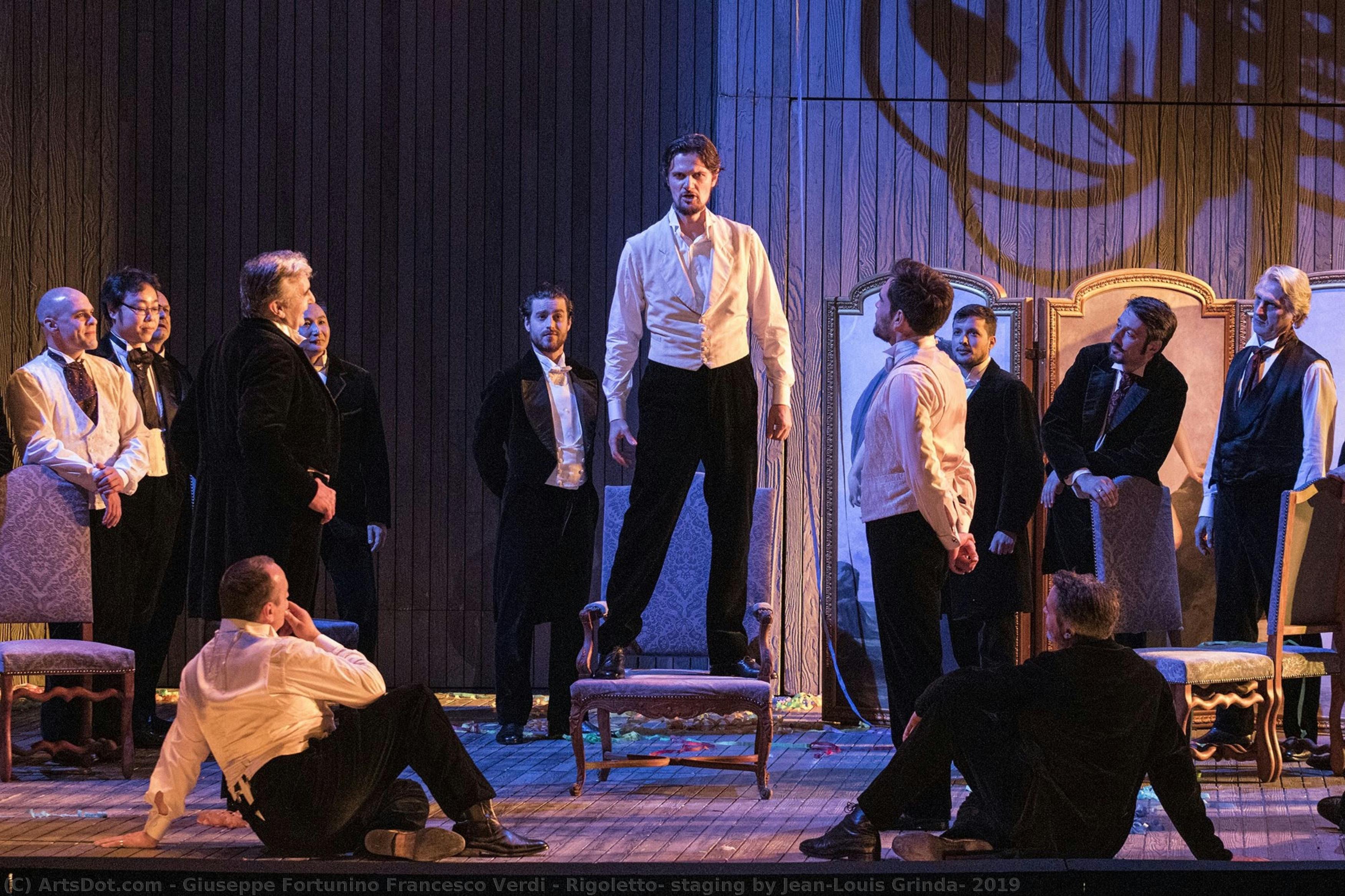
Rigoletto, staging by Jean-Louis Grinda, 2019


 Weiterlesen
Giclée / Kunstdruck
Giclée- oder Leinwanddruck in Museumsqualität mit schneller Produktion und flexiblen Veredelungsoptionen. ( Handgemalte Reproduktion bestellen Bild kaufen)




































Wählen Sie aus unseren vordefinierten Formaten, die den ursprünglichen Proportionen des Kunstwerks entsprechen.

Sie können Ihre eigenen Maße eingeben, um ein bestimmtes Format oder einen speziellen Platz einzupassen. Wenn das von Ihnen gewählte Format nicht den Proportionen des Originalbildes entspricht, werden wir das Kunstwerk entweder beschneiden oder das Bild mit einem gespiegelten oder einfarbigen Rand erweitern. Ein digitaler Entwurf wird Ihnen zur Genehmigung zugesandt, bevor die Produktion beginnt.
Bitte beachten Sie, dass die Vorschau auf dem Bildschirm nicht den tatsächlichen Zuschnitt oder die Erweiterung widerspiegelt. Nur der Entwurf zeigt die endgültige Komposition präzise an.
Obwohl Sondermaße verfügbar sind, empfehlen wir die Auswahl eines Maßes aus der vordefinierten Liste, um die ursprünglichen Proportionen zu bewahren.
Weltweiter Versand () innerhalb von 2 Wochen statt der üblichen 4/5 Wochen. (27 August)

Kostenloser weltweiter Expressversand

Hochwertige Leinenleinwand

Umfassender Versicherungsschutz beim Versand

Zollgebühren-Rückerstattungsgarantie

Garantie für exakte Farbtreue

60 Tage Rückgaberecht (nur bei Mängeln)

100% Geld-zurück-Garantie

Mengenrabatt verfügbar
 Die Glasoption ist nur für Größen unter 110 cm verfügbar.

Rigoletto, staging by Jean-Louis Grinda, 2019
Giclée / Kunstdruck
Format der Reproduktion
-


Gesamtpreis
$ 62
Ähnliche Kunstwerke








Über den Künstler
Giuseppe Verdi: The Voice of Italian Romanticism
Giuseppe Fortunino Francesco Verdi (/dʒuˈzɛppe fortuˈniːno franˈt͡ʃesko ˈverdi/), born joseph fortunin françois verdi on october 10, 1813, in roncole ausano, italy, and died on january 27, 1901, in milan, was an italian romantic composer. His magnum opus—a legacy that continues to inspire musicians and audiences worldwide—is undeniably his opera repertoire, a collection of masterpieces that encapsulate the spirit of his era and solidify his place as one of history’s most influential figures in musical art.- Early Life & Musical Education: Verdi's formative years were steeped in tradition. Born into a family of modest means near Busseto, a provincial town in Parma—then under French rule—he received an exceptional education thanks to the patronage of Antonio Barezzi, a wealthy merchant and fervent supporter of the arts. This early exposure to music profoundly shaped his artistic sensibilities, fostering a lifelong devotion to melody and dramatic expression.
- The Influence of Rossini & Bellini: Verdi’s musical journey began with an immersion in the works of Gioachino Rossini and Vincenzo Bellini—composers who had revolutionized opera during the preceding decades. Their emphasis on vocal virtuosity, harmonic richness, and dramatic pacing served as crucial models for Verdi's own compositional style, establishing a stylistic kinship that would endure throughout his career.
The Risorgimento & Operatic Beginnings
Verdi’s artistic vision was inextricably linked to the fervent nationalist fervor of the *Risorgimento*, Italy’s struggle for unification. His early operas—particularly *Nabucco* (1842)—became anthems of patriotic aspiration, capturing the yearning for freedom and independence that gripped the Italian people. The chorus “Va, pensiero,” with its haunting melody and poignant lyrics, resonated deeply within the collective consciousness, symbolizing the longing for a unified nation.A Composer’s Peak: Mid-Career Masterpieces
The period between 1851 and 1867 witnessed Verdi achieving unparalleled artistic heights. *Rigoletto*, *Il trovatore* and *La traviata*—three operas that debuted consecutively—established him as a dominant force in the operatic landscape. These works showcased his mastery of dramatic storytelling, blending lyrical beauty with psychological complexity. Verdi’s exploration of human emotions—love, betrayal, grief—continues to captivate audiences today.Late Romantic Innovation & Legacy
Verdi's final operas – *Aida*, *Otello* and *Falstaff* – represent a culmination of his artistic evolution. Departing from the conventions of earlier opera, he embraced innovations in orchestration and dramatic structure, pushing the boundaries of musical expression. His uncompromising commitment to theatrical truthfulness—coupled with an unparalleled ability to convey profound emotional depth—secured his place as one of the greatest composers of all time. *Falstaff*, particularly, stands out for its masterful use of humor and satire, reflecting Verdi’s humanist sensibilities.Musical Characteristics & Enduring Influence
Verdi's musical style is characterized by a distinctive blend of melodic grandeur and harmonic subtlety. He favored expansive orchestral textures—often employing brass instruments to convey dramatic intensity—while simultaneously crafting melodies that possessed remarkable lyrical beauty. His operas continue to be performed globally, inspiring generations of musicians and captivating audiences with their timeless appeal. Verdi’s influence extends far beyond the opera house, shaping musical aesthetics and enriching the cultural heritage of Italy and the world.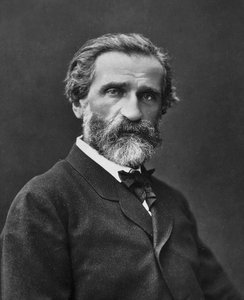
Giuseppe Verdi
1813 - 1901 , Italien
Kurzinfos
- Artistic Movement Or Style: Romantik Musik
- Artists Who Influenced This Artist:
- Franz Schubert
- Gioachino Rossini
- Date Of Birth: 10. Oktober 1813
- Date Of Death: 27. Januar 1901
- Full Name: Giuseppe Fortunino Francesco Verdi
- Nationality: Italienisch
- Notable Artworks:
- Rigoletto
- Il trovatore
- La traviata
- Place Of Birth: Roncole Ausano, Italien

