 Vorschau anzeigen
 Versenden
 Teilen
 Details anzeigen

 Herunterladen
 Ähnliche Objekte
 Röntgenaufnahme
 Diashow
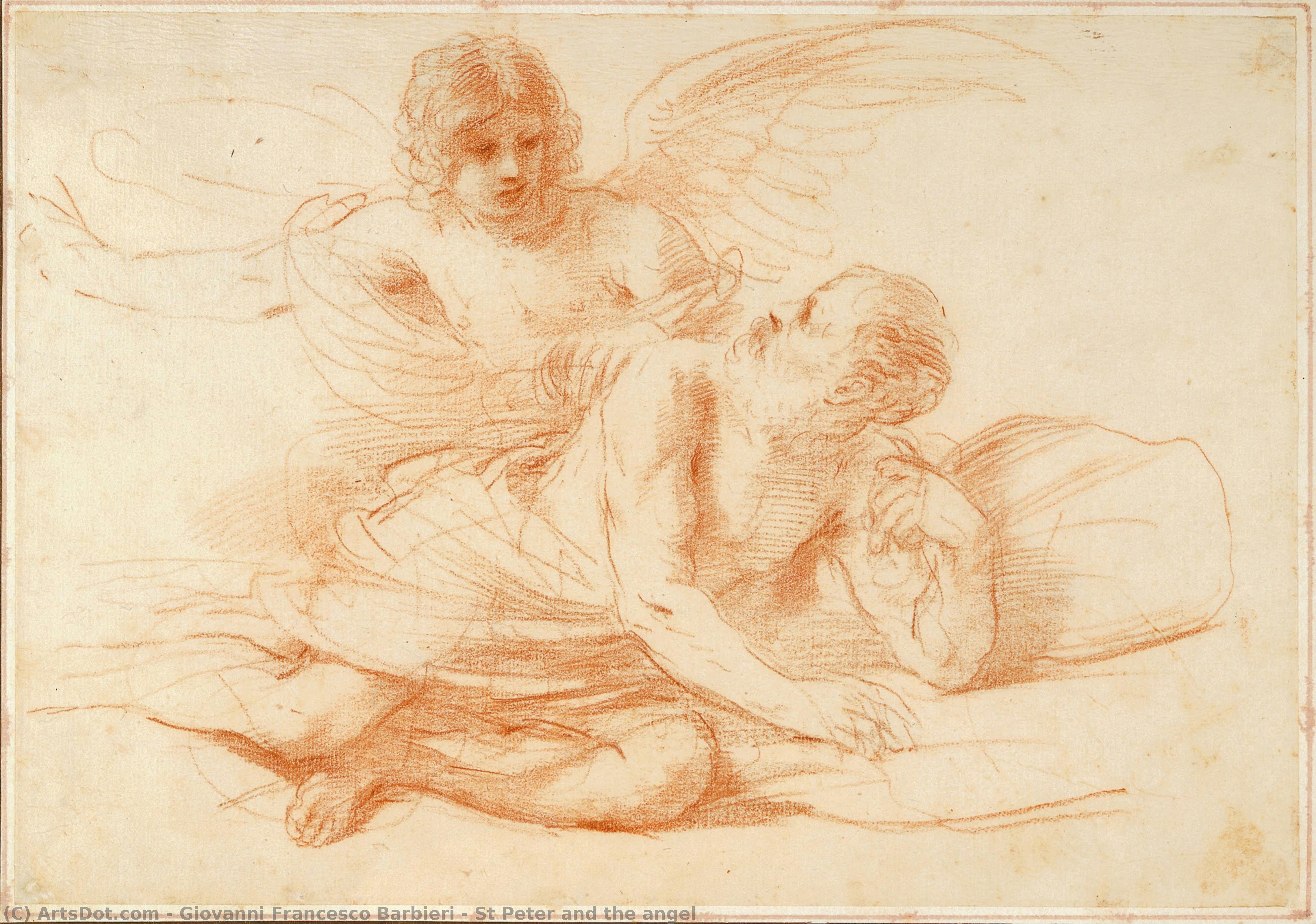
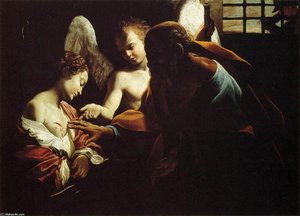
St Peter and the angel
 Acryl auf Leinwand
- Wandkunst
- Baroque Painting
 1650
1650 30.0 x 21.0 cm
 Art Galerie von Südaustralien
 Weiterlesen
Handgefertigte Ölreproduktion
Handgemaltes Ölgemälde auf Leinwand in Ihrer Wunschgröße und mit Rahmen, auf Bestellung von unseren Künstlern angefertigt. ( Druck bestellen Bild kaufen)




P118B $10

P118H $10

P118W $10

P438Z $10

P508JH $12

P508YH $12

P805H $10

P805Z $10

P919BZ $10

P919G $10

P919XJ $10

P959ZH $10

P968JZ $12

W106C $8

W218G $10

W218JH $8

W218Y $10

W307PJ $10

W316G $10

W316PJ $8

W316Y $10

W398PJ $8

W4111J $10

W500HY $15

W500JH $15

W692G $12

W849H $8

W940BG $15

W953PJ $8




Wählen Sie aus unseren vordefinierten Formaten, die den ursprünglichen Proportionen des Kunstwerks entsprechen.

Sie können Ihre eigenen Maße eingeben, um einen bestimmten Rahmen oder Platz auszufüllen. Wenn die gewählte Größe nicht den Proportionen des Originalbildes entspricht, werden wir das Kunstwerk entweder beschneiden oder das Gemälde durch zusätzliche, handgemalte Elemente erweitern. Ein digitales Mockup wird Ihnen zur Genehmigung zugesandt, bevor die Produktion beginnt.
Bitte beachten Sie, dass die Bildschirmvorschau nicht die tatsächliche Beschneidung oder Erweiterung widerspiegelt. Nur das Mockup zeigt die endgültige Komposition exakt an.
Obwohl Sondermaße verfügbar sind, empfehlen wir, eine Größe aus der vordefinierten Liste zu wählen, um die ursprünglichen Proportionen beizubehalten.
Nach der Bestellung wird das ArtsDot.com-Team dem Kunden Anweisungen per E-Mail zusenden und eine Mockup-Vorschau bereitstellen.
Weltweiter Versand () in nur 3 bis 4 Wochen statt der üblichen 5 Wochen. (20 August). Keine Kompromisse bei der Qualität.

Kostenloser weltweiter Expressversand

Hochwertige Leinenleinwand

Umfassender Versicherungsschutz beim Versand

Zollgebühren-Rückerstattungsgarantie

Garantie für exakte Farbtreue

60 Tage Rückgaberecht (nur bei Mängeln)

100% Geld-zurück-Garantie

Mengenrabatt verfügbar
 Die Glasoption ist nur für Größen unter 110 cm verfügbar.

St Peter and the angel
Art der Reproduktion
Format der Reproduktion
-


Gesamtpreis
$ 263
Beschreibung des Kunstwerks
St Peter and the Angel: A Vision of Divine Comfort
Guercino’s “St Peter and the Angel” is not merely a depiction of biblical figures; it's an intensely felt moment of solace, rendered with a raw emotionalism that distinguishes the artist from his more polished contemporaries. Painted in 1650, this work, measuring a modest 30 x 21 cm, embodies the turbulent spirit of Baroque Italy – a world grappling with religious fervor and social upheaval, yet simultaneously yearning for moments of grace and spiritual connection. The scene unfolds within a dimly lit chamber, suggesting an intimate setting where Peter, depicted in repose on a simple bed, receives comfort from an angel hovering above him. This isn’t the idealized serenity often found in religious art; instead, there's a palpable vulnerability in Peter’s posture, his arms outstretched as if seeking reassurance. The angel, rendered with a gentle, almost melancholic expression, offers not just support but a profound sense of understanding – a silent acknowledgment of earthly burdens.
Guercino’s distinctive style is immediately apparent. He eschews the smooth, polished surfaces favored by many of his time, opting instead for a deliberately rough and expressive application of paint. Notice the visible brushstrokes, particularly in the drapery and the angel's wings, which seem to ripple with movement. This technique, combined with his masterful use of chiaroscuro – the dramatic contrast between light and shadow – creates an atmosphere of heightened emotion and psychological depth. The muted palette, dominated by browns, ochres, and deep blues, further contributes to the painting’s somber yet comforting mood. The artist's background in drawing is evident in the meticulous detail with which he renders Peter’s face and hands, conveying a sense of humanity rarely found in grand religious narratives.
A Study in Symbolism and Spiritual Narrative
Beyond its immediate depiction, “St Peter and the Angel” is rich in symbolic meaning. The bed itself represents vulnerability and surrender – Peter, a figure known for his earthly failings (his denial of Christ), is presented as open to divine grace. The angel’s presence signifies God's unwavering compassion and forgiveness. The positioning of the figures—Peter lying down, the angel standing above—highlights the dynamic between humility and authority, suggesting that true strength lies in acknowledging one’s need for guidance. The overall composition draws heavily on biblical themes of repentance and redemption, but Guercino imbues them with a profoundly personal and relatable quality.
Interestingly, the painting's historical context adds another layer of interpretation. The mid-17th century was a period of intense religious debate in Italy, marked by the Counter-Reformation and the rise of the Catholic Church’s efforts to combat Protestantism. In this environment, art served as a powerful tool for conveying religious messages. Guercino's work, with its emphasis on emotional sincerity and human vulnerability, aligns perfectly with the Church’s desire to reconnect with the faithful through relatable imagery. The scene resonates with the idea of divine mercy—a key tenet of Catholic theology during this era.
The Artist and His Legacy
Giovanni Francesco Barbieri, known as Il Guercino (the squint), was a complex and often misunderstood artist. Born in Cento in 1591, his early life was marked by unconventional training—he largely taught himself, developing a strikingly individual style that defied the conventions of the Bolognese school. His work is characterized by its dramatic intensity, expressive brushwork, and profound psychological insight. Guercino’s career spanned several decades, during which he produced a vast body of paintings, drawings, and etchings. He was particularly renowned for his depictions of biblical scenes and portraits, often infused with a sense of urgency and emotional turmoil.
Despite facing periods of financial hardship and professional setbacks, Guercino remained committed to his artistic vision until his death in 1666. His legacy is one of innovation and emotional depth—he pushed the boundaries of Baroque painting, creating works that continue to captivate viewers with their raw honesty and profound spiritual resonance. Reproductions of “St Peter and the Angel” offer a remarkable opportunity to experience this powerful artwork firsthand, allowing us to appreciate the genius of Guercino’s vision and his enduring contribution to the history of art.
Further Research & Reproduction Details
- Useful Links:
- St Peter's Basilica, Vatican City
- St Peter’s College, Oxford
- St Peter's House, Stromness
Additional Research: The painting is available as a high-quality hand-painted reproduction by ArtsDot.com, capturing the artist’s signature style and emotional intensity. Explore our collection for a stunning addition to your home or office – a timeless reminder of faith, compassion, and the enduring power of human connection.
Ähnliche Kunstwerke
Über den Künstler
Frühes Leben und Ausbildung
Giovanni Francesco Barbieri, besser bekannt als Il Guercino, wurde 1591 in Cento, nahe Ferrara, geboren. Seine künstlerische Reise begann unter der Anleitung von Ludovico Carracci, einem renommierten Bologneser Maler. Diese Lehrzeit legte den Grundstein für Guercinos späteren Erfolg.Künstlerischer Stil und Bekannte Werke
Guercinos Stil ist gekennzeichnet durch dramatische Beleuchtung, intensive Emotionen und eine Mischung aus Realismus und Idealismus – Kennzeichen der Barockperiode. Zu seinen bemerkenswertesten Werken zählen:- Ammon und Tamar (Öl auf Leinwand, Barock) – eine ergreifende Darstellung der biblischen Geschichte.
- Die Rückkehr des verlorenen Sohnes (Öl auf Leinwand, Barock) – eine kraftvolle Darstellung von Reue und Vergebung.
- Die Berufung des Heiligen Aloisius (Luigi) Gonzaga (Öl auf Leinwand, Barock) – ein Meisterwerk, das Guercinos Geschick in der Darstellung religiöser Erzählungen demonstriert.
Entwicklung und Einflüsse
Guercino entwickelte seinen Stil im Laufe seines Lebens weiter. Anfänglich beeinflusst von Domenichino und Guido Reni, wandte er sich später einem klassizierenden Idiom zu, das durch die kurze Amtszeit von Papst Gregor XV in Rom verstärkt wurde. Sein frühes Werk zeichnete sich durch einen Naturalismus aus, der sich allmählich zu einer leichteren Palette und einem blauen Himmel im Hintergrund wandelte – eine Reaktion auf Beschwerden von Auftraggebern über die Schattenrisse in seinen Figuren. Benedetto Gennari der Jüngere war ein wichtiger Schüler Guercinos.Bedeutung und Vermächtnis
Guercinos Einfluss auf die Barockmalerei ist unbestreitbar. Seine dramatische Verwendung von Licht und Schatten, gepaart mit seiner Fähigkeit, kraftvolle Emotionen hervorzurufen, hat Generationen von Künstlern inspiriert. Guercino gilt als eine bedeutende Figur der italienischen Kunst, und sein Vermächtnis wird durch seine Werke fortgesetzt, die heute Teil der renommiertesten Museumsbestände weltweit sind. Museen wie das Palazzo Brignole-Sale in Italien tragen zur Bewahrung seines künstlerischen Erbes bei.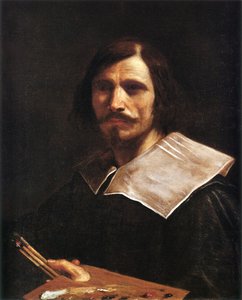
Guercino
1591 - 1666 , Italien
Kurzinfos
- Beeinflusste Künstler: ['Benedetto Gennari der Jüngere']
- Bemerkenswerte Werke:
- Ammon und Tamar
- Die Rückkehr des verlorenen Sohnes
- Die Berufung des Heiligen Aloysius
- Einflussreiche Künstler: ['Ludovico Carracci']
- Geburtsdatum: 8. Februar 1591
- Geburtsort: Cento, Italien
- Künstlerische Bewegung: Barock
- Nationalität: Italiener
- Spitzname: Il Guercino
- Sterbedatum: 22. Dezember 1666
- Vollständiger Name: Giovanni Francesco Barbieri
Ähnliche Artikel
Celestial Messengers: Angels in Painting – A Historical & Artistic Exploration
Explore the captivating history of angels in painting! Discover symbolism, iconic Renaissance & Byzantine masterpieces, and renowned artists. Expert insights for art lovers & collectors at ArtsDot.
Guercino: Ein Barockmeister zwischen Caravaggismus und Klassizismus – Innovation und emotionale Tiefe
Entdecken Sie Guercinos revolutionäre Barockmalerei! Analysieren Sie seine einzigartige Verbindung von Caravaggismus und Klassizismus, innovative Techniken & emotionale Tiefe. Kunsthistorische Expertise für Sammler & Liebhaber.
Celestial Messengers: A Comprehensive Exploration of Angelic Representation in Art History
Explore the captivating history of angels in art! Discover symbolism, iconic Renaissance masterpieces & renowned artists. Expert insights for art lovers & collectors at ArtsDot.

The Dramatic Flourish: Exploring the Baroque Movement's Enduring Legacy in Art History
Explore the dramatic world of Baroque art! Discover iconic artists like Caravaggio & Rubens, defining techniques, and its lasting impact on art history. Expert insights for collectors & enthusiasts at ArtsDot.

Barock Meisterwerke: Die 10 prägendsten Kunstwerke für Ihr Zuhause |
Entdecken Sie die 10 prägendsten Meisterwerke des Barock! Caravaggio, Rembrandt & Co. – Erfahren Sie die Geschichten hinter ikonischen Gemälde und finden Sie hochwertige Kunst Reproduktionen für Ihr Zuhause auf .