

 Vorschau anzeigen
 Versenden
 Teilen
 Details anzeigen

 Herunterladen
 Ähnliche Objekte
 Röntgenaufnahme
 Diashow
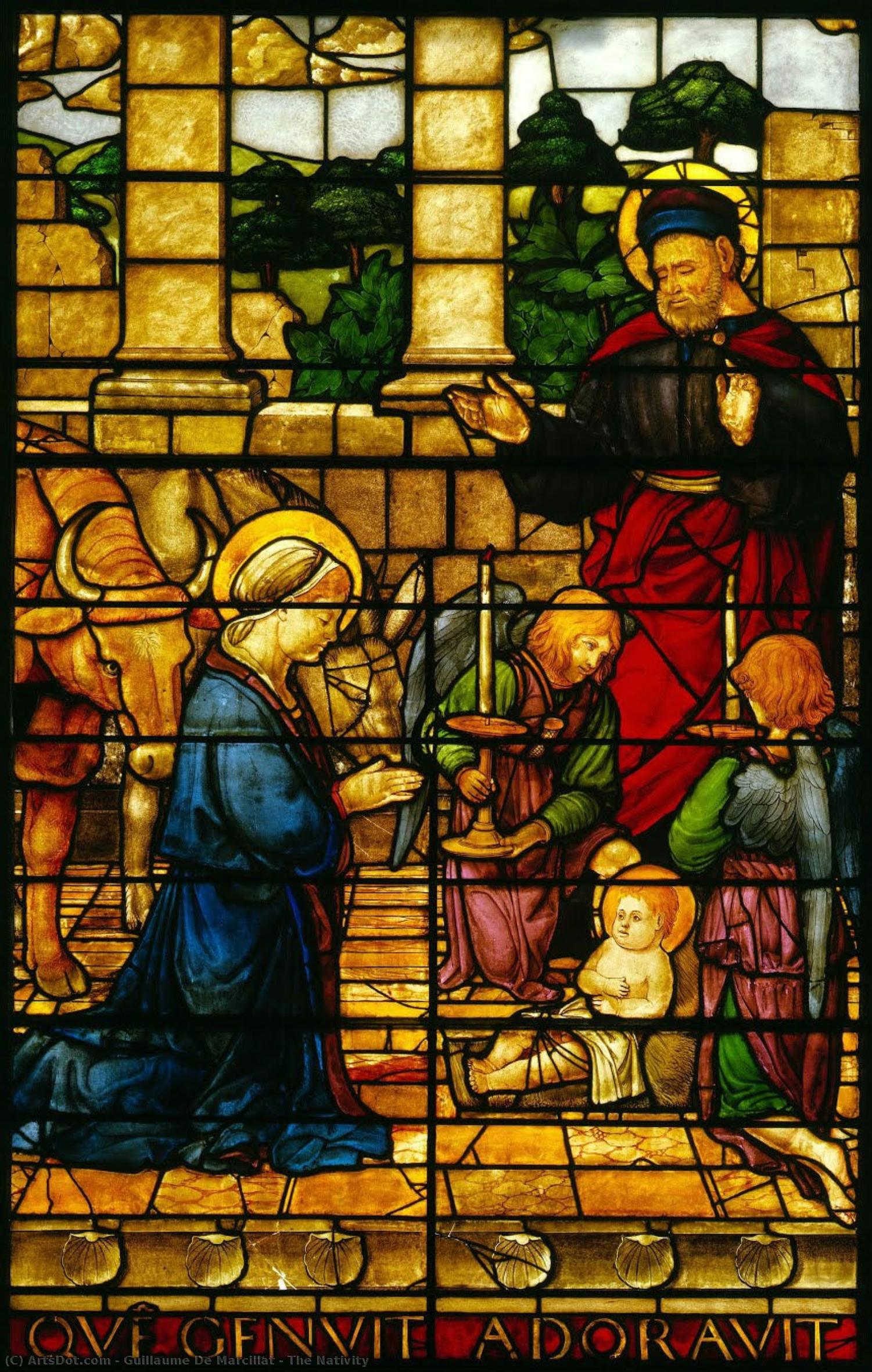
The Nativity


 Weiterlesen
Handgefertigte Ölreproduktion
Handgemaltes Ölgemälde auf Leinwand in Ihrer Wunschgröße und mit Rahmen, auf Bestellung von unseren Künstlern angefertigt. ( Druck bestellen Bild kaufen)




































Wählen Sie aus unseren vordefinierten Formaten, die den ursprünglichen Proportionen des Kunstwerks entsprechen.

Sie können Ihre eigenen Maße eingeben, um einen bestimmten Rahmen oder Platz auszufüllen. Wenn die gewählte Größe nicht den Proportionen des Originalbildes entspricht, werden wir das Kunstwerk entweder beschneiden oder das Gemälde durch zusätzliche, handgemalte Elemente erweitern. Ein digitales Mockup wird Ihnen zur Genehmigung zugesandt, bevor die Produktion beginnt.
Bitte beachten Sie, dass die Bildschirmvorschau nicht die tatsächliche Beschneidung oder Erweiterung widerspiegelt. Nur das Mockup zeigt die endgültige Komposition exakt an.
Obwohl Sondermaße verfügbar sind, empfehlen wir, eine Größe aus der vordefinierten Liste zu wählen, um die ursprünglichen Proportionen beizubehalten.
Nach der Bestellung wird das ArtsDot.com-Team dem Kunden Anweisungen per E-Mail zusenden und eine Mockup-Vorschau bereitstellen.
Weltweiter Versand () in nur 3 bis 4 Wochen statt der üblichen 5 Wochen. (28 August). Keine Kompromisse bei der Qualität.

Kostenloser weltweiter Expressversand

Hochwertige Leinenleinwand

Umfassender Versicherungsschutz beim Versand

Zollgebühren-Rückerstattungsgarantie

Garantie für exakte Farbtreue

60 Tage Rückgaberecht (nur bei Mängeln)

100% Geld-zurück-Garantie

Mengenrabatt verfügbar
 Die Glasoption ist nur für Größen unter 110 cm verfügbar.

The Nativity
Art der Reproduktion
Format der Reproduktion
-


Gesamtpreis
$ 338
Ähnliche Kunstwerke
Über den Künstler
Guillaume de Marcillat: A Florentine Master of Light and Faith
Guillaume de Marcillat (c. 1470 – 1529), born in La Châtre, Indre, France, stands as a pivotal figure in the artistic landscape of the Italian Renaissance—specifically within the vibrant milieu of Florence and Arezzo. Though his early life remains shrouded in relative obscurity, his prolific output during his Florentine years cemented his reputation as one of the foremost stained glass artists of his time, leaving an indelible mark on religious art and architectural grandeur.Early Life and Training
Information regarding Marcillat’s formative years is scarce. Records indicate he apprenticed under Jean Goujon, a celebrated sculptor known for his monumental works adorning Saint Peter's Basilica in Rome—a connection that undoubtedly instilled within him a profound appreciation for sculptural form and classical ideals. This training would prove invaluable as he embarked on his artistic journey toward Rome around 1509, driven by ambition and the allure of papal patronage.Rome and Papal Commissions
Marcillat’s arrival in Rome coincided with an era of unprecedented artistic innovation spearheaded by Julius II and Leo X. Immediately recognizing the potential for collaboration and advancement, he secured positions within the Vatican workshops, immersing himself in the stylistic currents shaping papal art. His involvement extended beyond mere execution; he actively participated in discussions concerning artistic vision and technique—demonstrating a keen intellect alongside his considerable skill. Notably, he contributed to the decoration of Santa Maria del Popolo, crafting stunning stained glass windows that exemplify the Venetian influence prevalent during the period. These panels showcased masterful color palettes and intricate geometric patterns, reflecting the humanist aesthetic championed by Leonardo da Vinci and Michelangelo.Florence: The Workshop of Light
Around 1515, Marcillat received a summons from Cardinal Silvio Passerini to Cortona, Florence—a move that would transform him into one of the city’s most influential artists. Establishing a workshop there, he attracted talented craftsmen and embarked on ambitious projects aimed at revitalizing Florentine ecclesiastical art. His crowning achievement was undoubtedly the commission to decorate the Cappella Maggiore of Arezzo Cathedral with monumental biblical frescoes depicting scenes from Genesis—a project that demanded exceptional artistic prowess and unwavering dedication. These frescos are considered masterpieces of Renaissance painting, characterized by their dramatic compositions, luminous colors, and meticulous attention to detail. Marcillat skillfully employed sfumato technique—developed by Leonardo da Vinci—to create subtle gradations of tone and color, lending an ethereal quality to the figures and enhancing the overall emotional impact of the narrative.Style and Technique
Marcillat’s artistic style can be broadly categorized as Venetian Renaissance, albeit infused with Florentine sensibilities. He embraced the principles of linear perspective and chiaroscuro—techniques perfected by Michelangelo—to achieve spatial realism and heighten dramatic tension. His stained glass windows are equally remarkable for their craftsmanship and aesthetic sophistication. Utilizing a palette dominated by rich blues, reds, and golds, he created panels that captured the splendor of biblical narratives with breathtaking clarity and vibrancy. The intricate geometric patterns incorporated into his designs reflected the mathematical precision characteristic of Renaissance art—demonstrating a profound understanding of artistic theory alongside practical skill.Legacy and Historical Significance
Guillaume de Marcillat’s contribution to Florentine art history is undeniable. He elevated Arezzo Cathedral to architectural prominence, transforming it into one of Tuscany's most revered religious sites. His frescoes continue to inspire awe and admiration for their expressive power and artistic excellence—serving as enduring symbols of Renaissance faith and humanist ideals. Furthermore, Marcillat’s pioneering use of sfumato technique and his mastery of stained glass artistry established him as a pivotal innovator whose influence extended far beyond the confines of his immediate surroundings. He remains a testament to the transformative potential of artistic collaboration and the enduring beauty of religious art—a legacy that continues to resonate through centuries of artistic scholarship and appreciation.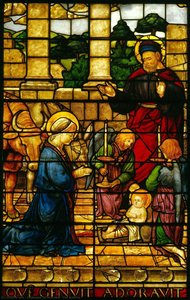
guillaume de marcillat
1529 , France
Kurzinfos
- Artistic Movement Or Style: Renaissance
- Artists Or Movements Influenced By This Artist: ['Italian Renaissance']
- Artists Who Influenced This Artist: ['Leonardo da Vinci']
- Date Of Birth: La Châtre, France ()
- Date Of Death: 1529
- Full Name: Guillaume de Marcillat
- Nationality: French
- Notable Artworks: ['Madonna del Calcinaio']
- Place Of Birth: La Châtre
Ähnliche Artikel

Goya: Die 25 Meisterwerke des spanischen Genies – Kunst für Ihr Zuhause | ArtsDot
Entdecken Sie die 25 Meisterwerke von Francisco Goya! Tauchen Sie ein in die düstere Romantik spanischer Malerei, Porträts & Historienbilder. Hochwertige Kunstdrucke auf ArtsDot.com – für Kunstliebhaber und stilvolles Wohnen.
Meisterwerke des Hochmittelalters: 10 Kunstwerke für Ihr Zuhause | ArtsDot
Entdecken Sie die 10 bedeutendsten Meisterwerke des Hochmittelalters! Erfahren Sie Geschichten von Romanik, Gotik & berühmten Künstlern. Finden Sie hochwertige Reproduktionen für Ihr Zuhause auf ArtsDot.com.

Über uns
Entdecken Sie unsere Geschichte! Wir bringen Weltklasse-Kunst in Ihr Leben durch fachkundige Auswahl, individuelle Kreationen und kostenlose Vorschauen. Seit dem Jahr 2000 von Privatpersonen und Unternehmen geschätzt.
Illuminating Faith & Power: A Journey Through Medieval Art (c. 500 – c. 1500)
Explore the rich history of Medieval Art (c. 500 – c. 1500) with ArtsDot. Discover Byzantine mosaics, Gothic cathedrals & Renaissance masterpieces. Expert insights & museum-quality reproductions.
Timeless Elegance: How to Integrate High Medieval Art into Your Modern Interior Design
Discover how to infuse your modern home with the divine light of High Medieval art. From gilded illuminated manuscripts to Gothic-inspired textures, learn expert tips for integrating timeless elegance and historical grandeur into contemporary interior design.

