In echtem Maßstab anzeigen
 Versenden als Grußkarte
 Teilen
 Details anzeigen

 Herunterladen
 Ähnliche Objekte
 Röntgenaufnahme
 Diashow
 Besucherstatistiken
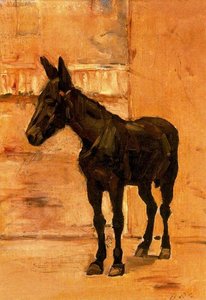
Yerres, Dark Bay Horse in the Stable
 Oil On Canvas
- WallArt
- Realism
 1871
1871- 19th Century
 39.0 x 33.0 cm
 Mehr anzeigen
Giclée / Kunstdruck
Giclée- oder Leinwanddruck in Museumsqualität mit schneller Produktion und flexiblen Veredelungsoptionen. ( Handgemalte Reproduktion kaufen Zum digitalen Bild wechseln)




P118B $10

P118H $10

P118W $10

P438Z $10

P508JH $12

P508YH $12

P805H $10

P805Z $10

P919BZ $10

P919G $10

P919XJ $10

P959ZH $10

P968JZ $12

W106C $8

W218G $10

W218JH $8

W218Y $10

W307PJ $10

W316G $10

W316PJ $8

W316Y $10

W398PJ $8

W4111J $10

W500HY $15

W500JH $15

W692G $12

W849H $8

W940BG $15

W953PJ $8




Wählen Sie aus unseren vordefinierten Formaten, die den ursprünglichen Proportionen des Kunstwerks entsprechen.

Sie können Ihre eigenen Maße eingeben, um ein bestimmtes Format oder einen speziellen Platz einzupassen. Wenn das von Ihnen gewählte Format nicht den Proportionen des Originalbildes entspricht, werden wir das Kunstwerk entweder beschneiden oder das Bild mit einem gespiegelten oder einfarbigen Rand erweitern. Ein digitaler Entwurf wird Ihnen zur Genehmigung zugesandt, bevor die Produktion beginnt.
Bitte beachten Sie, dass die Vorschau auf dem Bildschirm nicht den tatsächlichen Zuschnitt oder die Erweiterung widerspiegelt. Nur der Entwurf zeigt die endgültige Komposition präzise an.
Obwohl Sondermaße verfügbar sind, empfehlen wir die Auswahl eines Maßes aus der vordefinierten Liste, um die ursprünglichen Proportionen zu bewahren.
Weltweiter Versand () innerhalb von 2 Wochen statt der üblichen 4/5 Wochen. (18 September)

Kostenloser weltweiter Expressversand

Hochwertige Leinenleinwand

Vollständiger Versicherungsschutz beim Versand

Zollgebühren-Rückerstattungsgarantie

Garantie für exakte Farbtreue

100-tägiges Rückgaberecht (nur bei Mängeln)

100% Geld-zurück-Garantie

Angebot für Mengenrabatt
 Die Glasoption ist nur für Größen unter 110 cm verfügbar.

Yerres, Dark Bay Horse in the Stable
Giclée / Kunstdruck
Format der Reproduktion
-


Gesamtpreis
$ 62
The Quiet Majesty of the Stable
To gaze upon Gustave Caillebotte's depiction, "Yerres, Dark Bay Horse in the Stable," is to step into a moment suspended between the wild energy of nature and the ordered calm of human habitation. This painting captures more than just equine forms; it arrests a specific atmosphere—the hushed anticipation found within the sturdy confines of a stable yard. The central figure, the dark bay horse, dominates the foreground, its presence both monumental and intimately engaging. Its gaze, directed slightly off-center yet undeniably meeting the viewer's eye, imbues the piece with an almost palpable sense of knowing watchfulness. It is a portrait not just of an animal, but of a spirit momentarily at rest.
Mastery in Monochrome: Technique and Form
Executed in 1871, this work showcases Caillebotte's remarkable technical skill, particularly his ability to render depth and texture using what appears to be a restrained palette. The interplay between the glossy sheen of the horse’s coat and the rough grain of the wooden posts and rails forming the stable fence is masterful. One can almost feel the cool, damp air of the enclosure. Caillebotte was deeply influenced by the emerging visual language of photography, an influence visible here in the careful composition and the way light seems to fall across the musculature of the animals. The inclusion of secondary horses—one subtly placed on the right, another receding into the background on the left—adds layers of pictorial depth, transforming a simple scene into a complex study of spatial relationships.
A Glimpse into Parisian Life and Modernity
The historical context surrounding this piece is crucial to understanding its resonance. Caillebotte was an artist navigating the rapid modernization of Paris in the latter half of the 19th century. While his subject matter here is pastoral, the very act of painting such a detailed, observed scene speaks to the era's fascination with capturing everyday life—the quotidian moments that defined the burgeoning urban experience. The stable itself becomes a microcosm: a place where raw power (the horses) meets human structure (the architecture and fencing). It suggests a controlled beauty, a moment of pause within the relentless march of progress.
Symbolism and Emotional Resonance for the Collector
For the admirer or collector, this artwork offers more than mere decoration; it provides contemplation. The dark bay horse can symbolize grounded strength and enduring spirit, while the stable setting speaks to protection and domesticity. It is a study in contrasts: wildness contained by man-made lines. Reproducing this piece allows one to bring that quiet majesty into a modern interior space. Imagine its presence against rich wood paneling or alongside minimalist furnishings—it anchors a room with an undeniable sense of timeless, sophisticated narrative. It invites the viewer to slow down, to observe the subtle details, and to connect with the enduring dignity captured by Caillebotte’s brush.
Ähnliche Kunstwerke
Biografie des Künstlers
Frühes Leben und Ausbildung
Gustave Caillebotte, ein französischer Maler, wurde am 19. August 1848 in Paris aus einer wohlhabenden Familie geboren. Sein Vater, Martial Caillebotte, war Erbe der Familienfirma für Militärtuchstoffe und diente auch als Richter am Tribunal de Commerce des Départements Seine. Gustave’s frühes Interesse an Fotografie als Kunstform beeinflusste später seinen Malstil.Künstlerische Karriere
Gustave erwarb 1868 einen Jurabachelor und 1870 eine Zulassung zur Rechtsausübung, doch seine wahre Leidenschaft galt der Kunst. Er begann, das Atelier des Malers Léon Bonnat zu besuchen, wo er ernsthaft Malerei studierte. Caillebotte’s Stil, der durch seinen Realismus gekennzeichnet ist, wurde von seinen impressionistischen Kollegen beeinflusst, darunter Edgar Degas und Giuseppe de Nittis.Bemerkenswerte Werke und Stil
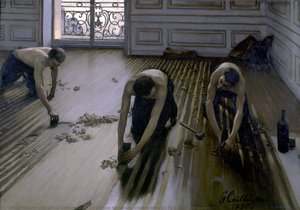
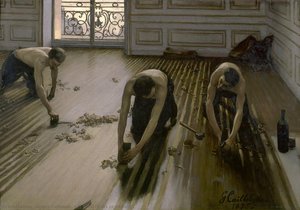
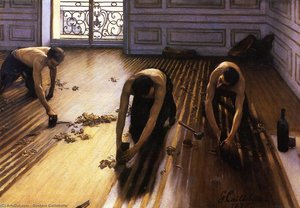
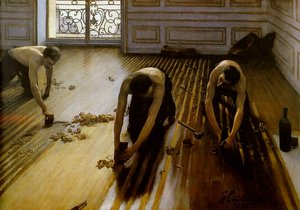
- Les Raboteurs de Parquet (Die Bodenabroller) (1875): Dieses frühe Meisterwerk, das sich heute im Musée d'Orsay befindet, zeigt Caillebotte’s einzigartige Mischung aus Realismus und impressionistischen Einflüssen.
- Vue de toits (Effet de neige) (Aussicht auf Dächer (Schneeeffekt)) (1878): Demonstriert seine Verwendung von erhöhten Perspektiven, eine Technik, die möglicherweise durch japanische Drucke und Fotografie beeinflusst wurde.
Vermächtnis und Einfluss
Caillebotte’s Stil, obwohl Teil der Schule des Realismus, wurde stark von seinen impressionistischen Kollegen beeinflusst. Seine Werke zeichnen sich durch eine präzise Beobachtungsgabe und eine detailgetreue Wiedergabe der Wirklichkeit aus. Er trug dazu bei, die Wahrnehmung des Alltagslebens in der Kunst zu verändern und neue Wege der Darstellung urbaner Szenen aufzuzeigen. Obwohl er zu Lebzeiten nicht immer Anerkennung fand, wird Caillebotte heute als ein bedeutender Vertreter des Impressionismus und Realismus gewürdigt.Weitere Werke
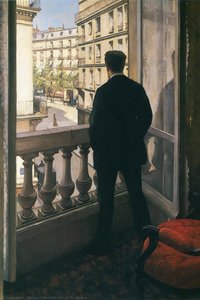
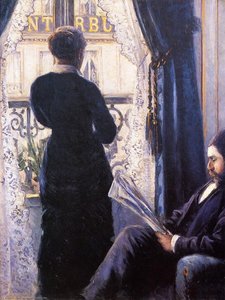
- Mann am Fenster (1875)
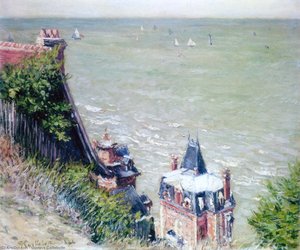
- Pink Villas at Trouville (1884)
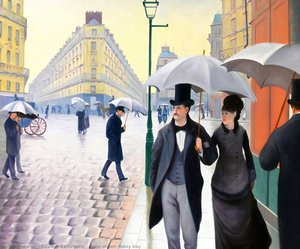
- Pariser Straße, Regentag
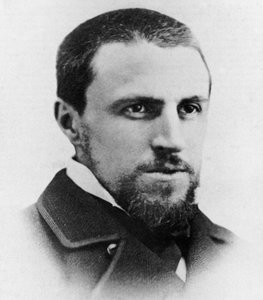
Gustave Caillebotte
1848 - 1894 , Frankreich
Eckdaten zum Künstler
- Beeinflusste Künstler:
- Edgar Degas
- Giuseppe De Nittis
- Bemerkenswerte Werke:
- Les Raboteurs de Parquet
- Vue de toits (Effet de neige)
- Boulevard vu d'en haut
- Geburtsdatum: 19. August 1848
- Geburtsort: Paris, Frankreich
- Künstlerische Richtung: Realismus, Impressionismus
- Nationalität: Französisch
- Sterbedatum: 1894
- Vollständiger Name: Gustave Caillebotte
Verwandte Artikel
Animalia: Die bleibende Präsenz von Tieren in Kunst und Innenarchitektur
Entdecken Sie die faszinierende Welt der Animalia! Von historischen Tierdarstellungen bis zur modernen Innenarchitektur – wir bieten Expertise, hochwertige Reproduktionen & Kunstberatung.
The Noble Steed on Canvas: A Historical & Artistic Exploration of Horse Painting Across Cultures
Explore the rich history of horse painting! Discover masterpieces from Stubbs to Munnings & learn about symbolism, techniques & artists. Find museum-quality reproductions at ArtsDot.
Rosa Bonheur: Realism, Rural Life & Redefining Women's Roles in 19th-Century Art
Explore the life & art of Rosa Bonheur, a pioneering Realist painter who redefined women's roles in 19th-century France. Discover her iconic animal paintings and lasting influence on art history. Learn more at ArtsDot.
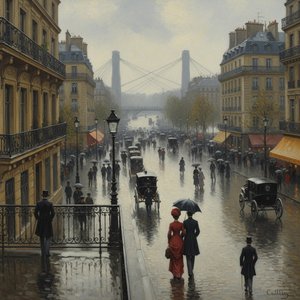
Gustave Caillebotte: Zwischen Realismus und Moderne – Eine Pariser Lebensstudie
Entdecken Sie Gustave Caillebottes faszinierende Werke – zwischen Realismus und Impressionismus! Expertenwissen, hochwertige Reproduktionen & individuelle Kunstberatung bei ArtsDot.

10 Meisterwerke des Romantischen Realismus: Wenn Emotion auf Wahrheit trifft
Entdecken Sie 10 Meisterwerke des Romantischen Realismus. Erleben Sie die emotionale Tiefe von Künstlern wie Constable und Friedrich – perfekt als Inspiration für Ihre Kunstsammlung oder Wandgestaltung. Finden Sie museale Reproduktionen auf ArtsDot.com.