

 Vorschau anzeigen
 Versenden
 Teilen
 Details anzeigen

 Herunterladen
 Ähnliche Objekte
 Röntgenaufnahme
 Diashow
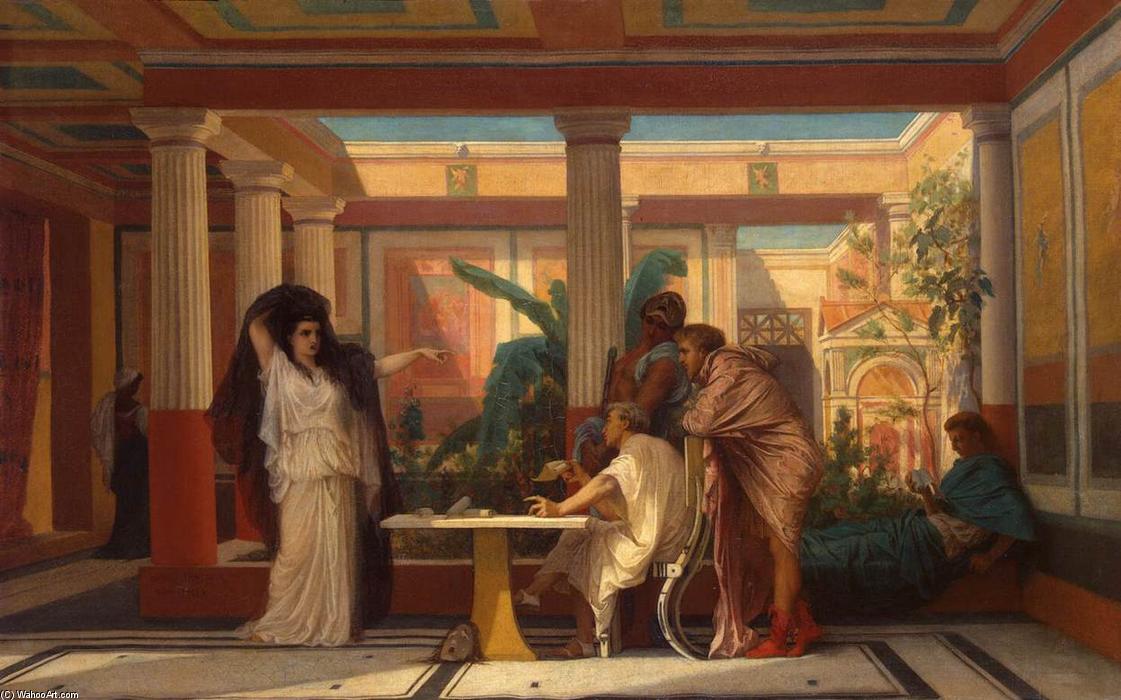
Theatrical Rehearsal in the House of an Ancient Rome Poet
 Acrylic On Canvas
- WallArt
- Néo-Grec
 1855
1855- 19th Century
 48.0 x 76.0 cm
 Eremitage Museum
 Weiterlesen
Handgefertigte Ölreproduktion
Handgemaltes Ölgemälde auf Leinwand in Ihrer Wunschgröße und mit Rahmen, auf Bestellung von unseren Künstlern angefertigt. ( Druck bestellen Bild kaufen)




P118B $10

P118H $10

P118W $10

P438Z $10

P508JH $12

P508YH $12

P805H $10

P805Z $10

P919BZ $10

P919G $10

P919XJ $10

P959ZH $10

P968JZ $12

W106C $8

W218G $10

W218JH $8

W218Y $10

W307PJ $10

W316G $10

W316PJ $8

W316Y $10

W398PJ $8

W4111J $10

W500HY $15

W500JH $15

W692G $12

W849H $8

W940BG $15

W953PJ $8




Wählen Sie aus unseren vordefinierten Formaten, die den ursprünglichen Proportionen des Kunstwerks entsprechen.

Sie können Ihre eigenen Maße eingeben, um einen bestimmten Rahmen oder Platz auszufüllen. Wenn die gewählte Größe nicht den Proportionen des Originalbildes entspricht, werden wir das Kunstwerk entweder beschneiden oder das Gemälde durch zusätzliche, handgemalte Elemente erweitern. Ein digitales Mockup wird Ihnen zur Genehmigung zugesandt, bevor die Produktion beginnt.
Bitte beachten Sie, dass die Bildschirmvorschau nicht die tatsächliche Beschneidung oder Erweiterung widerspiegelt. Nur das Mockup zeigt die endgültige Komposition exakt an.
Obwohl Sondermaße verfügbar sind, empfehlen wir, eine Größe aus der vordefinierten Liste zu wählen, um die ursprünglichen Proportionen beizubehalten.
Nach der Bestellung wird das ArtsDot.com-Team dem Kunden Anweisungen per E-Mail zusenden und eine Mockup-Vorschau bereitstellen.
Weltweiter Versand () in nur 3 bis 4 Wochen statt der üblichen 5 Wochen. (5 September). Keine Kompromisse bei der Qualität.

Kostenloser weltweiter Expressversand

Hochwertige Leinenleinwand

Umfassender Versicherungsschutz beim Versand

Zollgebühren-Rückerstattungsgarantie

Garantie für exakte Farbtreue

60 Tage Rückgaberecht (nur bei Mängeln)

100% Geld-zurück-Garantie

Mengenrabatt verfügbar
 Die Glasoption ist nur für Größen unter 110 cm verfügbar.

Theatrical Rehearsal in the House of an Ancient Rome Poet
Art der Reproduktion
Format der Reproduktion
-


Gesamtpreis
$ 263
A Glimpse of Roman Life: Theatrical Rehearsal in the House of an Ancient Rome Poet
Gustave Clarence Rodolphe Boulanger’s “Theatrical Rehearsal in the House of an Ancient Rome Poet,” painted in 1855, is more than just a depiction of a scene; it's a vibrant portal into the heart of 19th-century Neoclassical art and its fascination with antiquity. The painting captures a fleeting moment within a Roman poet’s home – a rehearsal for a performance, perhaps a dramatic reading or a recitation of verse – brimming with an atmosphere of intellectual pursuit, theatricality, and subtle sensuality. Boulanger, deeply influenced by the Néo-Grec movement, masterfully blends classical ideals with a distinctly Romantic sensibility, imbuing the scene with both grandeur and intimacy.
The composition is immediately arresting. Two women, elegantly dressed in flowing togas, dominate the foreground, engaged in animated conversation. Their gestures are fluid, their expressions hinting at passion and intrigue. Around them, four other figures – likely actors or members of the poet’s circle – contribute to the dynamic tableau. A dining table laden with scrolls and writing implements suggests a space dedicated to creative work, while two chairs offer moments of respite. The architectural setting itself is meticulously rendered, transporting the viewer into a richly decorated Roman interior, complete with columns, frescoes, and decorative details that evoke the grandeur of Pompeii. Boulanger’s attention to detail is remarkable; one can almost feel the cool marble beneath their feet and hear the rustle of silk.
The Neoclassical Vision: Echoes of Antiquity
Boulanger's work firmly places itself within the context of the Néo-Grec movement, a reaction against the prevailing Romanticism that sought to revive the artistic principles and subject matter of ancient Greece and Rome. This revival wasn’t simply an imitation; it was a deliberate reimagining, informed by contemporary sensibilities. Boulanger, along with Jean-Léon Gérôme, championed a style characterized by idealized forms, precise draftsmanship, and a focus on classical themes – but with a crucial twist: they infused these subjects with a heightened emotional intensity and a subtle eroticism that challenged the rigid conventions of academic art.
The influence of Pompeii is undeniable. Boulanger’s meticulous depiction of Roman architecture, furniture, and decorative elements clearly draws inspiration from the excavated ruins of this ancient city. However, he doesn't merely reproduce these details; he uses them to create a believable and engaging scene, imbuing it with life and drama. The painting reflects a broader fascination with antiquity that gripped Europe during the 19th century – a desire to reconnect with the perceived virtues and wisdom of the classical world.
Technique and Palette: A Masterful Blend
Executed in oil on canvas, “Theatrical Rehearsal” showcases Boulanger’s exceptional technical skill. His brushwork is smooth and confident, creating a sense of depth and realism. The use of light and shadow is particularly effective, highlighting the figures and architectural details while casting subtle shadows that add to the painting's atmosphere. Boulanger employs a rich, warm palette dominated by earthy tones – ochres, siennas, and browns – punctuated by flashes of color in the women’s garments and the decorative elements within the room. These colors contribute to the painting’s overall sense of warmth and vitality.
The artist's meticulous attention to detail is further evidenced by his skillful rendering of textures—the folds of the togas, the sheen of marble, the roughness of scrolls. Boulanger demonstrates a mastery of chiaroscuro, creating dramatic contrasts between light and dark that heighten the sense of drama and depth within the scene.
Symbolism and Emotional Resonance
Beyond its technical brilliance, “Theatrical Rehearsal” is rich in symbolism. The rehearsal itself represents the creative process – a moment of intense concentration and collaboration. The women’s animated conversation suggests intellectual exchange and perhaps even romantic tension. The presence of scrolls and writing implements underscores the importance of literature and poetry within Roman society. The overall mood of the painting is one of lively engagement, intellectual curiosity, and subtle sensuality.
Boulanger's work invites us to contemplate the intersection of art, culture, and social life in 19th-century Rome. It’s a testament to his artistic vision and technical skill—a captivating glimpse into a world where classical ideals were reinterpreted through a distinctly Romantic lens. Reproductions of this piece offer a beautiful way to bring a touch of Roman elegance and intellectual vibrancy into any space.
Ähnliche Kunstwerke
Über den Künstler
Gustave Boulanger: Leben und Vermächtnis
Frühes Leben und Ausbildung
- Geboren: Paris, Frankreich im Jahr 1824.
- Wurde mit vierzehn Jahren verwaist und wurde unter die Vormundschaft seines Onkels Constant Desbrosses gestellt.
- Er begann 1840 mit seiner künstlerischen Ausbildung zunächst bei Pierre-Jules Jollivet, dann aber bei Paul Delaroche.
- Während seines Studiums bei Delaroche freundete er sich mit dem Künstler Jean-Léon Gérôme an, eine Beziehung, die seinen Karriereweg maßgeblich beeinflusste.
Künstlerische Entwicklung und Einflüsse
- Boulangers künstlerische Entwicklung wurde durch die Néo-Grec-Bewegung geprägt, die klassische Themen mit einer neuen Perspektive aufgriff.
- Eine Reise nach Algerien im Jahr 1845 weckte sein Interesse an Orientalistischen Themen und inspirierte ihn, nordafrikanische Settings und Motive in seine Werke zu integrieren.
- Seine Studien an der École de Rome, einschließlich Besuchen in Pompeji, lieferten Inspiration für viele seiner historischen Gemälde.
- Wichtige Einflüsse: Pierre-Jules Jollivet, Paul Delaroche, Jean-Léon Gérôme und die Antike.
Wichtige Werke und Themen
- Ulysses (1849): Das Gemälde, das ihm den Prix de Rome gewann und seine Fähigkeit zur Darstellung klassischer Erzählungen mit orientalistischen Untertönen zeigte.
- Ein maurisches Café (1848): Ein frühes Beispiel für seine Faszination für Orientalistische Themen und detaillierte Darstellungen des Alltagslebens.
- Kaisar am Rubikon (1865): Ein historisches Gemälde, das seine Meisterschaft im akademischen Stil und seine dramatische Komposition demonstrierte.
- Die Promenade in der Straße der Gräber, Pompeji (1869): Spiegelt sein Interesse an archäologischen Entdeckungen und die Rekonstruktion des antiken römischen Lebens wider.
- Der Sklavenmarkt (1888): Ein späteres Werk, das seine fortgesetzte Erforschung historischer und exotischer Themen zeigte.
- Wiederkehrende Themen: Klassische Mythologie, Orientalistische Szenen, historische Ereignisse und Darstellungen des Alltagslebens in antiken Umgebungen.
Leistungen und Anerkennung
- Gewann 1849 den Prix de Rome, wodurch er eine Stelle an der Académie de France à Rome erhielt.
- Erhaltene zahlreiche Medaillen während seiner gesamten Karriere für seine künstlerischen Leistungen.
- Wurde 1882 Mitglied des Institut de France, einer prestigeträchtigen Ehre, die seine Beiträge zur französischen Kunst würdigte.
- Lehrte von 1882 bis zum Tod als Professor am Institut de France und beeinflusste eine neue Generation von Künstlern. Er war bekannt für seine Ablehnung des Impressionismus.
Historische Bedeutung und Vermächtnis
- Boulangers Werk veranschaulicht die Akademische Kunst des 19. Jahrhunderts, die sich durch ihre akribischen Details, historische Genauigkeit und klassischen Einflüsse auszeichnet.
- Er spielte eine Schlüsselrolle bei der Popularisierung von Orientalismus in der französischen Malerei und trug zu einer größeren Faszination für die nordafrikanische Kultur und Ästhetik bei.
- Seine Gemälde geben wertvolle Einblicke in den künstlerischen Geschmack und die kulturellen Werte seiner Zeit.
- Vermächtnis: Boulangers Einfluss lässt sich in der Arbeit nachfolgender Generationen von Künstlern erkennen, die weiterhin historische und exotische Themen erforschten. Seine Hingabe an akademische Prinzipien und technische Fertigkeit wird bis heute von Kunsthistorikern und Sammlern bewundert.
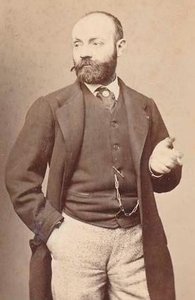
Gustave Boulanger
1824 - 1888 , Frankreich
Kurzinfos
- Artistic Movement Or Style: Akademische Kunst, Orientalismus, Néo-Grec
- Artists Or Movements Influenced By This Artist: ['Später Akademische Maler']
- Artists Who Influenced This Artist:
- Pierre Jules Jollivet
- Paul Delaroche
- Jean Léon Gérôme
- Date Of Birth: 1824
- Date Of Death: 1888
- Full Name: Gustave Clarence Rodolphe Boulanger
- Nationality: Französisch
- Notable Artworks:
- Ulysses
- Ein maurischer Kaffee
- Kaisar am Rubikon
- Die Promenade in der Straße der Gräber
- Place Of Birth: Paris, Frankreich
Ähnliche Artikel

Gustav Klimt: Die 25 Meisterwerke des Wiener Jugendstils | ArtsDot
Entdecken Sie die 25 ikonischsten Gemälde von Gustav Klimt! Tauchen Sie ein in die Welt der Wiener Secession, des Jugendstils und der goldenen Phase. Hochwertige Reproduktionen & Inspiration für Ihr Zuhause auf ArtsDot.com.
Bartolomeo Pinelli: Neoclassical Linearity & Roman Topography of Memory
Explore the captivating world of Bartolomeo Pinelli, a master Italian engraver renowned for his evocative Roman scenes & historical narratives. Discover his art and legacy with ArtsDot.
Giovanni Paolo Panini: Capturing Roman Grandeur – A Vedute Master's Legacy
Explore the captivating world of Giovanni Paolo Panini, master of Roman vedute painting. Discover his technique, iconic works, influence on art history & collecting advice from experts at ArtsDot.
Art Nouveau Meisterwerke: Die 10 prägendsten Kunstwerke für Ihr Zuhause |
Entdecken Sie die 10 prägendsten Art Nouveau Meisterwerke! Von Mucha bis Klimt – erfahren Sie die Geschichten hinter ikonischen Gemälde & dekorativer Kunst. Hochwertige Kunstdrucke online kaufen auf
Echoes of Antiquity: Exploring Themes & Techniques in Classical Art Masterpieces
Explore the timeless beauty & profound themes of Classical art! Discover Greek & Roman masterpieces, Neoclassical revivals, and the enduring influence on artistic movements. Expert insights & high-quality reproductions at ArtsDot.

