 Vorschau anzeigen
 Versenden
 Teilen
 Details anzeigen

 Herunterladen
 Ähnliche Objekte
 Röntgenaufnahme
 Diashow
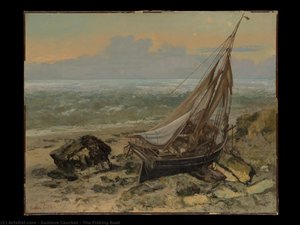
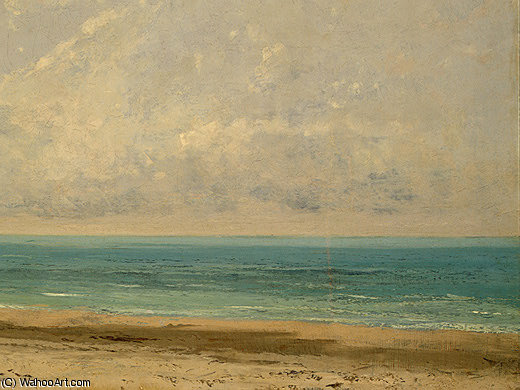
Calm Sea, Detalj 2, NG Washington


 Weiterlesen
Handgefertigte Ölreproduktion
Handgemaltes Ölgemälde auf Leinwand in Ihrer Wunschgröße und mit Rahmen, auf Bestellung von unseren Künstlern angefertigt. ( Druck bestellen Bild kaufen)




P118B $10

P118H $10

P118W $10

P438Z $10

P508JH $12

P508YH $12

P805H $10

P805Z $10

P919BZ $10

P919G $10

P919XJ $10

P959ZH $10

P968JZ $12

W106C $8

W218G $10

W218JH $8

W218Y $10

W307PJ $10

W316G $10

W316PJ $8

W316Y $10

W398PJ $8

W4111J $10

W500HY $15

W500JH $15

W692G $12

W849H $8

W940BG $15

W953PJ $8




Wählen Sie aus unseren vordefinierten Formaten, die den ursprünglichen Proportionen des Kunstwerks entsprechen.

Sie können Ihre eigenen Maße eingeben, um einen bestimmten Rahmen oder Platz auszufüllen. Wenn die gewählte Größe nicht den Proportionen des Originalbildes entspricht, werden wir das Kunstwerk entweder beschneiden oder das Gemälde durch zusätzliche, handgemalte Elemente erweitern. Ein digitales Mockup wird Ihnen zur Genehmigung zugesandt, bevor die Produktion beginnt.
Bitte beachten Sie, dass die Bildschirmvorschau nicht die tatsächliche Beschneidung oder Erweiterung widerspiegelt. Nur das Mockup zeigt die endgültige Komposition exakt an.
Obwohl Sondermaße verfügbar sind, empfehlen wir, eine Größe aus der vordefinierten Liste zu wählen, um die ursprünglichen Proportionen beizubehalten.
Nach der Bestellung wird das ArtsDot.com-Team dem Kunden Anweisungen per E-Mail zusenden und eine Mockup-Vorschau bereitstellen.
Weltweiter Versand () in nur 3 bis 4 Wochen statt der üblichen 5 Wochen. (24 August). Keine Kompromisse bei der Qualität.

Kostenloser weltweiter Expressversand

Hochwertige Leinenleinwand

Umfassender Versicherungsschutz beim Versand

Zollgebühren-Rückerstattungsgarantie

Garantie für exakte Farbtreue

60 Tage Rückgaberecht (nur bei Mängeln)

100% Geld-zurück-Garantie

Mengenrabatt verfügbar
 Die Glasoption ist nur für Größen unter 110 cm verfügbar.

Calm Sea, Detalj 2, NG Washington
Art der Reproduktion
Format der Reproduktion
-


Gesamtpreis
$ 263
Beschreibung des Kunstwerks
Gustave Courbet’s “Calm Sea, Detalj 2, NG Washington”: A Testament to Realism
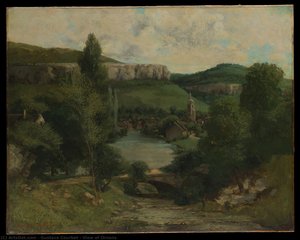
“Calm Sea, Detalj 2, NG Washington,” painted in 1866 by the revolutionary artist Gustave Courbet, offers a profoundly evocative glimpse into the heart of nineteenth-century coastal life. This work, a masterful example of Courbet’s unflinching realism, transcends mere landscape depiction; it's a statement about observation, humanity’s relationship with nature, and the burgeoning spirit of social commentary within French art. The painting captures a serene yet powerful moment on the shore – waves relentlessly crashing against the sand, a cloudy sky hinting at impending weather, and figures scattered across the beach, engaged in quiet contemplation or joyful activity. It is a scene brimming with life, rendered with an almost brutal honesty that would later define Courbet’s legacy.
The Radical Vision of Gustave Courbet
- A Rejection of Romantic Idealism: Born in 1819 in Orléans, France, Courbet emerged as a pivotal figure challenging the prevailing artistic trends of his era. Unlike the idealized and often fantastical scenes favored by Romantic painters like Delacroix, Courbet sought to depict reality as he perceived it – unvarnished, without embellishment or moralizing interpretation.
- The Rise of Realism: Courbet’s commitment to portraying the world truthfully aligned him with the burgeoning movement of realism, a reaction against academic conventions and a desire to represent everyday life for ordinary people. His work was often met with criticism from conservative critics who found his depictions of peasant life and industrial landscapes unsettling.
- A Political Statement: Courbet’s art wasn't simply about aesthetics; it carried a strong political message, reflecting his socialist sympathies and his belief in the dignity of labor. He frequently depicted working-class subjects and scenes of rural life, challenging the established social hierarchy.
Technique and Composition: A Study in Texture and Light
Executed with a bold and confident hand, “Calm Sea, Detalj 2” showcases Courbet’s mastery of impasto – applying thick layers of paint directly onto the canvas. This technique creates a remarkable tactile quality, allowing viewers to almost feel the roughness of the waves and the solidity of the sand. The artist's use of color is equally significant; muted blues, greens, and browns dominate the palette, reflecting the natural tones of the coastal environment. The composition itself is carefully constructed, with the figures strategically placed to draw the viewer’s eye across the scene and emphasize the scale of the ocean. The detail in capturing the reflections on the water and the subtle variations in the clouds further enhances the painting's realism.
Symbolism and Emotional Impact
Beyond its technical brilliance, “Calm Sea, Detalj 2” resonates with profound symbolic meaning. The sea itself is a recurring motif in Courbet’s work, representing both the power and the unpredictability of nature – a force that can be both beautiful and destructive. The presence of human figures adds another layer of interpretation, suggesting humanity's smallness in the face of the vast natural world, yet also our capacity for joy, contemplation, and connection. The painting evokes a sense of tranquility mixed with an underlying awareness of the forces at play, inviting viewers to contemplate their own place within this dynamic relationship.
A Timeless Masterpiece – Recreated for Today
ArtsDot offers meticulously crafted hand-painted reproductions of “Calm Sea, Detalj 2,” allowing you to bring this iconic work into your home or office. Each reproduction is created using the same techniques and materials as the original, ensuring an unparalleled level of detail and authenticity. Whether you are a seasoned art collector, an interior designer seeking to add a touch of artistic grandeur, or simply someone who appreciates beauty, this reproduction offers a unique opportunity to own a piece of art history.
Ähnliche Kunstwerke
Über den Künstler
Gustave Courbet: Ein Pionier des Realismus
Frühes Leben und Ausbildung
- Gustave Courbet wurde am 31. Juli 1819 in Ornans, Frankreich, geboren und stammte aus einer relativ wohlhabenden bürgerlichen Familie.
- Seine frühen künstlerischen Neigungen wurden von seiner Mutter gefördert, die seine Zeichenfähigkeiten ermutigte.
- Er erhielt eine formale Ausbildung an der École des Beaux-Arts in Paris, beginnend im Jahr 1839, obwohl er oft mit akademischen Konventionen in Konflikt geriet.
- Einflüsse in dieser Zeit waren Eugène Delacroix und Théodore Géricault, aber Courbet lehnte ihren romantischen Idealismus letztendlich ab.
Künstlerische Entwicklung und Schlüsselthemen
- Courbets künstlerische Entwicklung war durch eine bewusste Ablehnung der akademischen Malstile gekennzeichnet. Er suchte, die Welt so darzustellen, wie er sie sah, ohne Idealizierung oder Verzierungen.
- Seine frühen Werke erkundeten Landschaften und Porträts und verschoben sich allmählich zu Szenen aus dem Alltag und arbeitslosen Bevölkerungsgruppen.
- Schlüsselthemen in seinem Werk sind sozialer Realismus, Landleben und die Würde der Arbeit.
- Er wählte oft große Formate, die traditionell für historische oder religiöse Gemälde reserviert waren, um gewöhnliche Menschen und Ereignisse darzustellen.
Wichtige Werke und Leistungen
- “Die Steinbrecher” (1849): Dieses frühe Meisterwerk, das leider während des Zweiten Weltkriegs zerstört wurde, veranschaulichte Courbets Engagement, die harten Realitäten des Arbeitsvolks darzustellen.
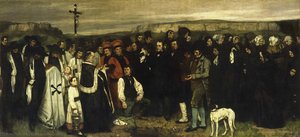
- “Eine Beerdigung in Ornans” (1850): Ein monumentales Gemälde, das konventionelle Vorstellungen von Geschichtsgemälden herausforderte, indem es eine provinzielle Beerdigung mit unerbittlicher Realität darstellte.
- “Das Atelier des Malers” (1855): Eine allegorische Arbeit, die Courbets künstlerphilosophie widerspiegelte und seinen Umgang mit zeitgenössischen sozialen Problemen zeigte.
- “Ansicht im Fontainebleau-Wald” (1855): Demonstriert seine Fähigkeiten in der Landschaftsmalerei und fängt die natürliche Schönheit des Waldes ein, während er einen realistischen Ansatz beibehält.
- Seine Teilnahme am Salon des Refusés im Jahr 1863, bei dem Werke gezeigt wurden, die vom offiziellen Salon abgelehnt worden waren, festigte seinen Ruf als rebellischer Künstler weiter.
Einflüsse und Vermächtnis
- Während er akademische Traditionen ablehnte, war Courbet von früheren Meistern wie Caravaggio beeinflusst, für ihren dramatischen Realismus und ihre Verwendung von Licht und Schatten.
- Er hatte einen tiefgreifenden Einfluss auf nachfolgende Kunstbewegungen, insbesondere Impressionismus und Post-Impressionismus, indem er Künstler von den Zwängen der traditionellen Darstellung befreite.
- Sein Schwerpunkt auf soziale Kommentare ebnete den Weg für spätere sozial engagierte Künstler.
- Courbets Vermächtnis reicht über seine Gemälde hinaus; er war ein engagierter Verfechter künstlerischer Freiheit und politischer Veränderungen.
Historische Bedeutung
- Gustave Courbet spielte eine entscheidende Rolle bei der Entwicklung des Realismus als dominierende Kraft im 19. Jahrhundert.
- Sein Werk stellte etablierte Normen in Frage und löste Debatten über den Zweck und die Funktion von Kunst in der Gesellschaft aus.
- Er nahm aktiv an den politischen Umwälzungen seiner Zeit teil, darunter die Pariser Kommune von 1871, die zu einer Exilzeit in der Schweiz führte.
- Courbet starb am 29. April 1877 und hinterließ ein Werk, das bis heute inspiriert und provoziert.
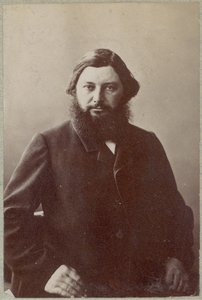
Gustave Courbet
1819 - 1877 , Frankreich
Kurzinfos
- Beeinflusste Kunstrichtungen:
- Impressionismus
- Post-Impressionismus
- Beeinflusste Künstler:
- Eugène Delacroix
- Théodore Géricault
- Bemerkenswerte Werke:
- Die Steinbrecher
- Eine Beerdigung in Ornans
- Das Atelier des Malers
- Ansicht im Fontainebleau-Wald
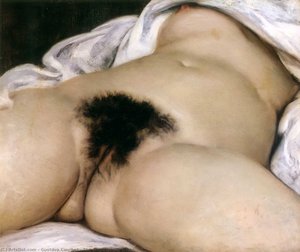
- Die Entstehung der Welt
- Geburtsdatum: 31. Juli 1819
- Geburtsort: Orléans, Frankreich
- Künstlerische Richtung: Realismus
- Nationalität: Französisch
- Sterbedatum: 29. April 1877
- Vollständiger Name: Gustave Courbet
- Von Künstlern Beeinflusst: ['Caravaggio']
Ähnliche Artikel

Giclée Prints: Archival Quality & Aesthetic Nuances for the Discerning Collector
Explore the world of giclée prints with ArtsDot. Learn about archival quality, aesthetic nuances & investment potential. Expert guidance for discerning art collectors seeking museum-quality reproductions and lasting value.

Echoes of Time: Exploring the Enduring Appeal & Historical Context of Vintage Art Prints
Explore the captivating world of vintage art prints! Discover their history, collecting tips & enduring appeal. Expert insights on chromolithography and building a legacy collection with ArtsDot.
Transforming Spaces: A Comprehensive Exploration of Wall Decor Through Art History & Contemporary Practice
Explore the art of transforming spaces with our comprehensive guide to wall decor. From historical movements to contemporary trends, discover how to curate impactful interiors and commission bespoke artwork for a truly personalized aesthetic.
Realismus in der Kunst: Die 10 Meisterwerke, die eine Ära prägten |
Entdecken Sie die 10 Meisterwerke des Realismus! Courbet, Millet & Daumier prägten eine Ära. Erfahren Sie die Geschichten hinter ikonischen Gemälden und finden Sie hochwertige Art Reproduktionen für Ihr Zuhause auf
Die Rückkehr des Freskos: Wandgemälde als Luxusstatement für exklusive Innenräume
Entdecken Sie die Welt der Wandgemälde! Exklusive Designs für Hotels & Wohnräume. Expertenberatung, hochwertige Materialien & individuelle Kunstprojekte – Ihr Partner für einzigartige Raumgestaltung.