 Vorschau anzeigen
 Versenden
 Teilen
 Details anzeigen

 Herunterladen
 Ähnliche Objekte
 Röntgenaufnahme
 Diashow
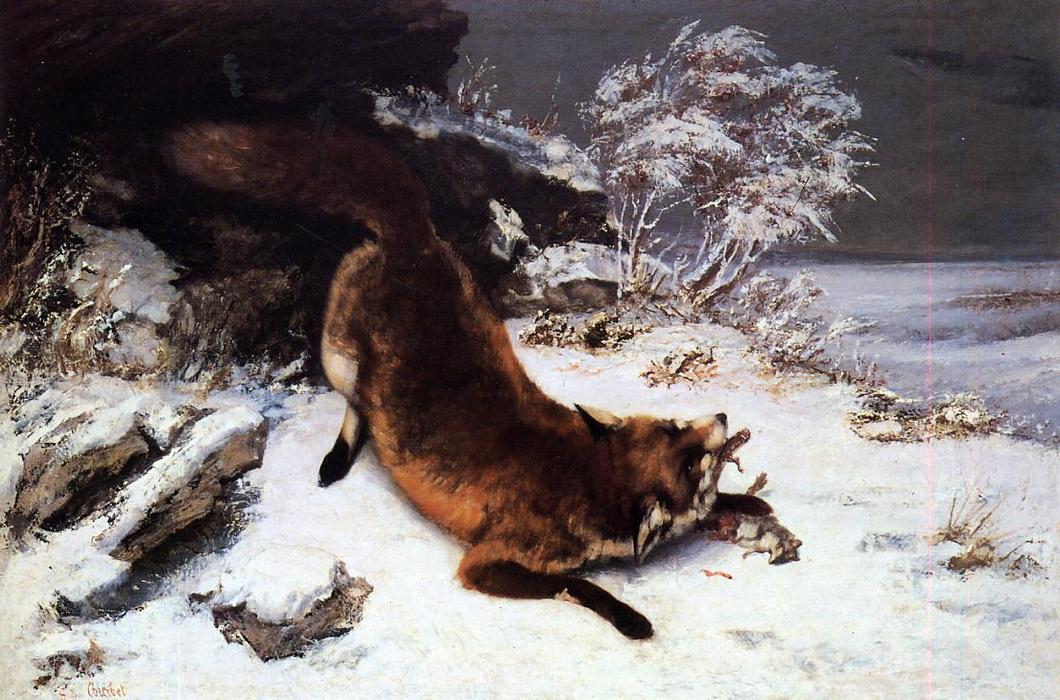
The Fox in the Snow
 Oil On Canvas
- WallArt
- Contemporary Realism
 1860
1860- 19th Century
 86.0 x 128.0 cm
 Weiterlesen
Handgefertigte Ölreproduktion
Handgemaltes Ölgemälde auf Leinwand in Ihrer Wunschgröße und mit Rahmen, auf Bestellung von unseren Künstlern angefertigt. ( Druck bestellen Bild kaufen)




P118B $10

P118H $10

P118W $10

P438Z $10

P508JH $12

P508YH $12

P805H $10

P805Z $10

P919BZ $10

P919G $10

P919XJ $10

P959ZH $10

P968JZ $12

W106C $8

W218G $10

W218JH $8

W218Y $10

W307PJ $10

W316G $10

W316PJ $8

W316Y $10

W398PJ $8

W4111J $10

W500HY $15

W500JH $15

W692G $12

W849H $8

W940BG $15

W953PJ $8




Wählen Sie aus unseren vordefinierten Formaten, die den ursprünglichen Proportionen des Kunstwerks entsprechen.

Sie können Ihre eigenen Maße eingeben, um einen bestimmten Rahmen oder Platz auszufüllen. Wenn die gewählte Größe nicht den Proportionen des Originalbildes entspricht, werden wir das Kunstwerk entweder beschneiden oder das Gemälde durch zusätzliche, handgemalte Elemente erweitern. Ein digitales Mockup wird Ihnen zur Genehmigung zugesandt, bevor die Produktion beginnt.
Bitte beachten Sie, dass die Bildschirmvorschau nicht die tatsächliche Beschneidung oder Erweiterung widerspiegelt. Nur das Mockup zeigt die endgültige Komposition exakt an.
Obwohl Sondermaße verfügbar sind, empfehlen wir, eine Größe aus der vordefinierten Liste zu wählen, um die ursprünglichen Proportionen beizubehalten.
Nach der Bestellung wird das ArtsDot.com-Team dem Kunden Anweisungen per E-Mail zusenden und eine Mockup-Vorschau bereitstellen.
Weltweiter Versand () in nur 3 bis 4 Wochen statt der üblichen 5 Wochen. (20 August). Keine Kompromisse bei der Qualität.

Kostenloser weltweiter Expressversand

Hochwertige Leinenleinwand

Umfassender Versicherungsschutz beim Versand

Zollgebühren-Rückerstattungsgarantie

Garantie für exakte Farbtreue

60 Tage Rückgaberecht (nur bei Mängeln)

100% Geld-zurück-Garantie

Mengenrabatt verfügbar
 Die Glasoption ist nur für Größen unter 110 cm verfügbar.

The Fox in the Snow
Art der Reproduktion
Format der Reproduktion
-


Gesamtpreis
$ 263
Beschreibung des Kunstwerks
A Masterpiece of Raw Reality
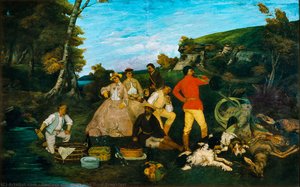
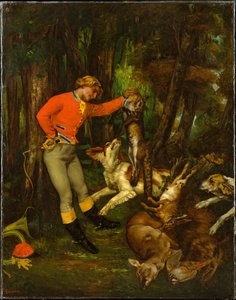
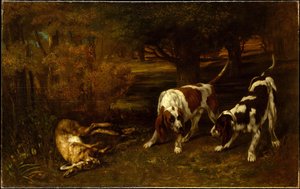
In the quiet, biting chill of a winter landscape, Gustave Courbet’s “The Fox in the Snow” emerges as a profound testament to the power of unvarnished truth. Completed in 1860, this seminal work of the Realist movement serves as a striking departure from the polished, idealized fantasies that dominated the French Academy. Rather than presenting a romanticized view of nature, Courbet invites us into a moment of visceral, earthly existence. The scene centers on a solitary fox, its vibrant fur providing a stark, warm contrast against the vast, unforcked expanse of white snow. As the creature lies amidst the drifts, perhaps resting or caught in the aftermath of a hunt, there is an undeniable sense of stillness—a frozen heartbeat in the middle of a harsh, wintry wilderness.
The emotional weight of the painting lies in its ability to evoke both solitude and the raw cycle of life. There is a certain melancholy in the fox's isolation, yet the presence of small, subtle figures in the background suggests a larger, interconnected ecosystem where every creature plays its part. For the discerning collector or interior designer, this piece offers more than mere decoration; it provides a window into a moment of profound natural drama. The painting captures the tension between vulnerability and resilience, making it an evocative centerpiece for any space that seeks to celebrate the authentic beauty of the natural world.
Technique and the Painterly Rebellion
To gaze upon this canvas is to witness Courbet’s revolutionary approach to texture and light. Eschewing the smooth, invisible brushwork favored by his contemporaries, Courbet utilized bold, expressive strokes that lend a tactile quality to the scene. One can almost feel the crispness of the frozen air and the coarse texture of the fox's coat through his masterful application of paint. His technique was one of direct observation; he sought to capture the essence of his subject as it truly appeared, without the interference of preparatory sketches or academic embellishment.
The color palette is a masterclass in restrained drama. By relying primarily on muted browns, deep ochres, and brilliant whites, Courbet creates a sense of atmospheric depth that draws the viewer into the landscape. The subtle interplay of light upon the snowdrifts and the dark, earthy tones of the rocks and trees create a rhythmic composition that guides the eye across the canvas. This deliberate use of contrast—the warmth of the fox against the coldness of the snow—serves to emphasize the subject's presence, making the painting feel remarkably alive despite its frozen setting.
A Legacy of Truthful Expression
Historically, “The Fox in the Snow” stands as a defiant manifesto. During an era of significant social and political upheaval in France, Courbet used his brush to challenge the prevailing conventions of beauty. He rejected the mythological and the heroic in favor of the mundane and the real. This commitment to verisimilitude—the appearance of being true or real—not only defined his own career but also paved the way for future generations of artists, including the Impressionists. The painting is a celebration of the "now," an insistence that there is profound dignity to be found in the gritty, unadorned realities of life.
For those looking to integrate a piece of art history into their personal surroundings, a high-quality reproduction of this masterpiece offers a unique opportunity. It brings with it the spirit of rebellion and the quiet majesty of the natural world. Whether placed in a contemporary gallery setting or a classic study, “The Fox in the Snow” commands attention through its honesty, offering a timeless connection to the enduring beauty of our planet's most raw and authentic moments.
Ähnliche Kunstwerke
Über den Künstler
Gustave Courbet: Ein Pionier des Realismus
Frühes Leben und Ausbildung
- Gustave Courbet wurde am 31. Juli 1819 in Ornans, Frankreich, geboren und stammte aus einer relativ wohlhabenden bürgerlichen Familie.
- Seine frühen künstlerischen Neigungen wurden von seiner Mutter gefördert, die seine Zeichenfähigkeiten ermutigte.
- Er erhielt eine formale Ausbildung an der École des Beaux-Arts in Paris, beginnend im Jahr 1839, obwohl er oft mit akademischen Konventionen in Konflikt geriet.
- Einflüsse in dieser Zeit waren Eugène Delacroix und Théodore Géricault, aber Courbet lehnte ihren romantischen Idealismus letztendlich ab.
Künstlerische Entwicklung und Schlüsselthemen
- Courbets künstlerische Entwicklung war durch eine bewusste Ablehnung der akademischen Malstile gekennzeichnet. Er suchte, die Welt so darzustellen, wie er sie sah, ohne Idealizierung oder Verzierungen.
- Seine frühen Werke erkundeten Landschaften und Porträts und verschoben sich allmählich zu Szenen aus dem Alltag und arbeitslosen Bevölkerungsgruppen.
- Schlüsselthemen in seinem Werk sind sozialer Realismus, Landleben und die Würde der Arbeit.
- Er wählte oft große Formate, die traditionell für historische oder religiöse Gemälde reserviert waren, um gewöhnliche Menschen und Ereignisse darzustellen.
Wichtige Werke und Leistungen
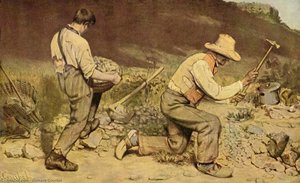
- “Die Steinbrecher” (1849): Dieses frühe Meisterwerk, das leider während des Zweiten Weltkriegs zerstört wurde, veranschaulichte Courbets Engagement, die harten Realitäten des Arbeitsvolks darzustellen.
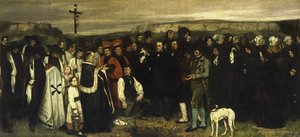
- “Eine Beerdigung in Ornans” (1850): Ein monumentales Gemälde, das konventionelle Vorstellungen von Geschichtsgemälden herausforderte, indem es eine provinzielle Beerdigung mit unerbittlicher Realität darstellte.
- “Das Atelier des Malers” (1855): Eine allegorische Arbeit, die Courbets künstlerphilosophie widerspiegelte und seinen Umgang mit zeitgenössischen sozialen Problemen zeigte.
- “Ansicht im Fontainebleau-Wald” (1855): Demonstriert seine Fähigkeiten in der Landschaftsmalerei und fängt die natürliche Schönheit des Waldes ein, während er einen realistischen Ansatz beibehält.
- Seine Teilnahme am Salon des Refusés im Jahr 1863, bei dem Werke gezeigt wurden, die vom offiziellen Salon abgelehnt worden waren, festigte seinen Ruf als rebellischer Künstler weiter.
Einflüsse und Vermächtnis
- Während er akademische Traditionen ablehnte, war Courbet von früheren Meistern wie Caravaggio beeinflusst, für ihren dramatischen Realismus und ihre Verwendung von Licht und Schatten.
- Er hatte einen tiefgreifenden Einfluss auf nachfolgende Kunstbewegungen, insbesondere Impressionismus und Post-Impressionismus, indem er Künstler von den Zwängen der traditionellen Darstellung befreite.
- Sein Schwerpunkt auf soziale Kommentare ebnete den Weg für spätere sozial engagierte Künstler.
- Courbets Vermächtnis reicht über seine Gemälde hinaus; er war ein engagierter Verfechter künstlerischer Freiheit und politischer Veränderungen.
Historische Bedeutung
- Gustave Courbet spielte eine entscheidende Rolle bei der Entwicklung des Realismus als dominierende Kraft im 19. Jahrhundert.
- Sein Werk stellte etablierte Normen in Frage und löste Debatten über den Zweck und die Funktion von Kunst in der Gesellschaft aus.
- Er nahm aktiv an den politischen Umwälzungen seiner Zeit teil, darunter die Pariser Kommune von 1871, die zu einer Exilzeit in der Schweiz führte.
- Courbet starb am 29. April 1877 und hinterließ ein Werk, das bis heute inspiriert und provoziert.
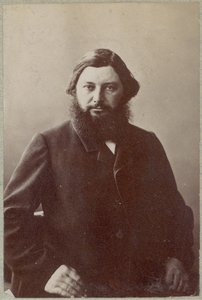
Gustave Courbet
1819 - 1877 , Frankreich
Kurzinfos
- Beeinflusste Kunstrichtungen:
- Impressionismus
- Post-Impressionismus
- Beeinflusste Künstler:
- Eugène Delacroix
- Théodore Géricault
- Bemerkenswerte Werke:
- Die Steinbrecher
- Eine Beerdigung in Ornans
- Das Atelier des Malers
- Ansicht im Fontainebleau-Wald
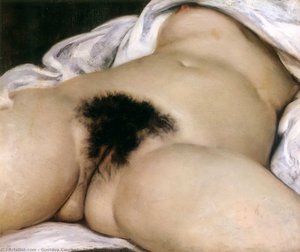
- Die Entstehung der Welt
- Geburtsdatum: 31. Juli 1819
- Geburtsort: Orléans, Frankreich
- Künstlerische Richtung: Realismus
- Nationalität: Französisch
- Sterbedatum: 29. April 1877
- Vollständiger Name: Gustave Courbet
- Von Künstlern Beeinflusst: ['Caravaggio']
Ähnliche Artikel

Romantic Realism's Finest: 10 Masterpieces for Your Home | ArtsDot
Explore 10 defining masterpieces of Romantic Realism! Discover Courbet, Millet & Daumier's powerful paintings—capturing emotion and social realities. Find museum-quality reproductions for your home at ArtsDot.com.
Gustav Klimt: Die 25 Meisterwerke des Wiener Jugendstils | ArtsDot
Entdecken Sie die 25 ikonischsten Gemälde von Gustav Klimt! Tauchen Sie ein in die Welt der Wiener Secession, des Jugendstils und der goldenen Phase. Hochwertige Reproduktionen & Inspiration für Ihr Zuhause auf ArtsDot.com.
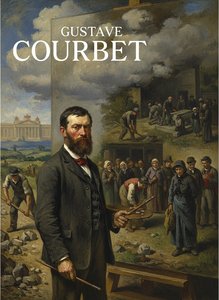
Gustave Courbet: Revolutionärer Realismus und die soziale Leinwand des 19. Jahrhunderts
Entdecken Sie Gustave Courbets revolutionären Realismus! Erfahren Sie mehr über seine provokanten Werke, seinen Einfluss auf die Kunstgeschichte und die soziale Bedeutung seiner Malerei. Jetzt lesen!

Realismus in der Kunst: Die 10 Meisterwerke, die eine Ära prägten |
Entdecken Sie die 10 Meisterwerke des Realismus! Courbet, Millet & Daumier prägten eine Ära. Erfahren Sie die Geschichten hinter ikonischen Gemälden und finden Sie hochwertige Art Reproduktionen für Ihr Zuhause auf

Die schönsten Landschaftsbilder: 10 Meisterwerke für Ihr Zuhause | ArtsDot.com
Entdecken Sie die 10 schönsten Landschaftsbilder der Kunstgeschichte! Von Monet bis Van Gogh – erfahren Sie die Geschichten hinter Meisterwerken & finden Sie Inspiration für Ihr Zuhause. Hochwertige Kunstdrucke auf ArtsDot.com.