 Versenden
 Teilen
 Details anzeigen

 Herunterladen
 Ähnliche Objekte
 Diashow
Etude de nu

 Weiterlesen
Handgefertigte Ölreproduktion
Handgemaltes Ölgemälde auf Leinwand in Ihrer Wunschgröße und mit Rahmen, auf Bestellung von unseren Künstlern angefertigt. ( Druck bestellen Bild kaufen)




































Wählen Sie aus unseren vordefinierten Formaten, die den ursprünglichen Proportionen des Kunstwerks entsprechen.

Sie können Ihre eigenen Maße eingeben, um einen bestimmten Rahmen oder Platz auszufüllen. Wenn die gewählte Größe nicht den Proportionen des Originalbildes entspricht, werden wir das Kunstwerk entweder beschneiden oder das Gemälde durch zusätzliche, handgemalte Elemente erweitern. Ein digitales Mockup wird Ihnen zur Genehmigung zugesandt, bevor die Produktion beginnt.
Bitte beachten Sie, dass die Bildschirmvorschau nicht die tatsächliche Beschneidung oder Erweiterung widerspiegelt. Nur das Mockup zeigt die endgültige Komposition exakt an.
Obwohl Sondermaße verfügbar sind, empfehlen wir, eine Größe aus der vordefinierten Liste zu wählen, um die ursprünglichen Proportionen beizubehalten.
Nach der Bestellung wird das ArtsDot.com-Team dem Kunden Anweisungen per E-Mail zusenden und eine Mockup-Vorschau bereitstellen.
Weltweiter Versand () in nur 3 bis 4 Wochen statt der üblichen 5 Wochen. (27 August). Keine Kompromisse bei der Qualität.

Kostenloser weltweiter Expressversand

Hochwertige Leinenleinwand

Umfassender Versicherungsschutz beim Versand

Zollgebühren-Rückerstattungsgarantie

Garantie für exakte Farbtreue

60 Tage Rückgaberecht (nur bei Mängeln)

100% Geld-zurück-Garantie

Mengenrabatt verfügbar
 Die Glasoption ist nur für Größen unter 110 cm verfügbar.

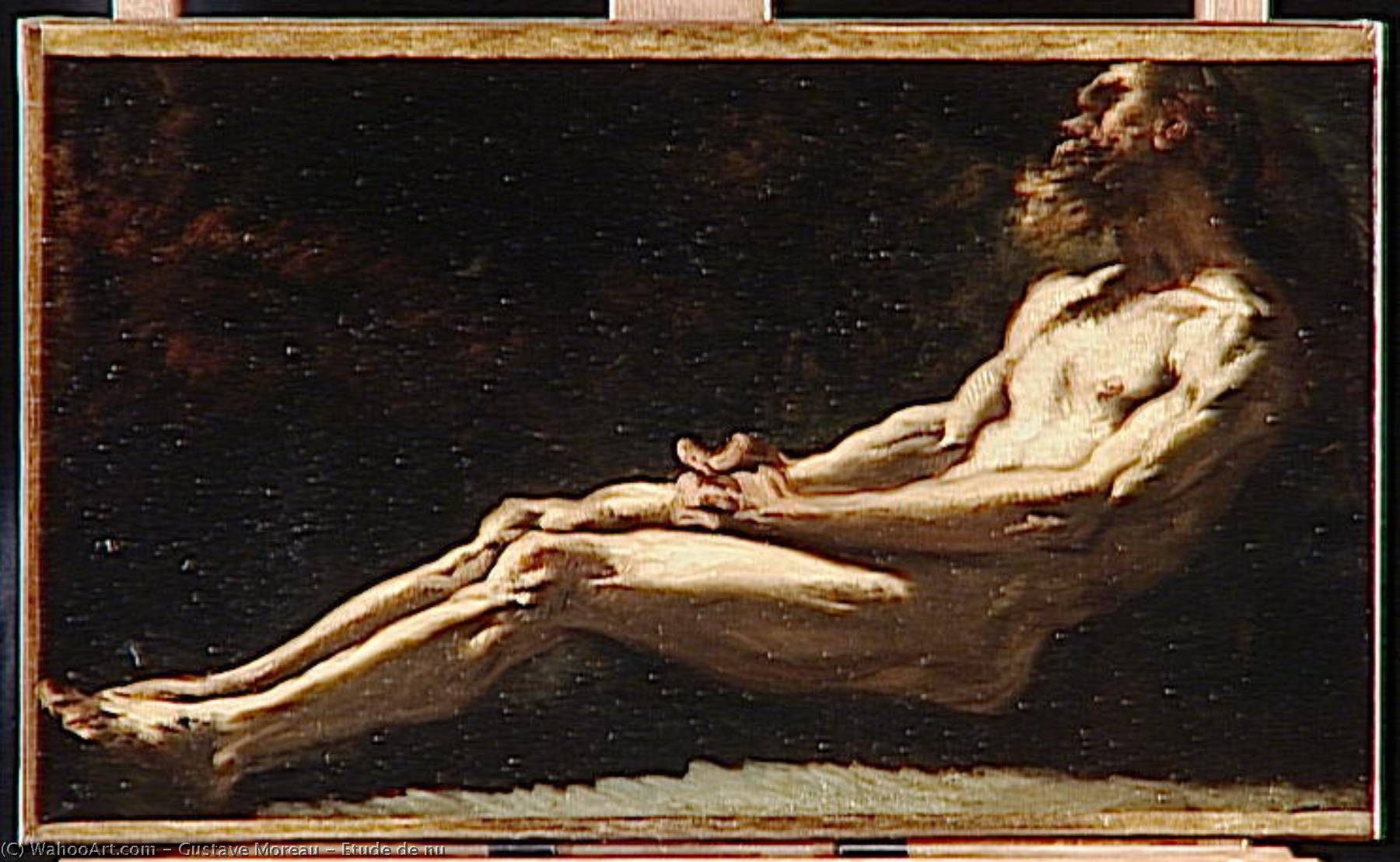
Etude de nu
Art der Reproduktion
Format der Reproduktion
-


Gesamtpreis
$ 263
Beschreibung des Kunstwerks
A Dream Weaver’s Vision: Gustave Moreau's *Etude de Nu*
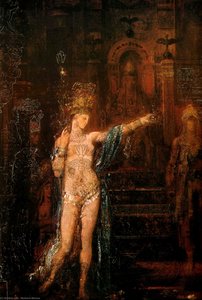
Gustave Moreau, a pivotal figure in the Symbolist movement of 19th-century Paris, possessed an extraordinary ability to translate inner landscapes into visual form. His work wasn’t merely about depicting reality; it was a deliberate excavation of myth, religion, and the human psyche—a quest for the hidden truths residing beneath the surface. *Etude de Nu* (Study of a Naked Figure), a captivating piece often referred to as “The Bathing Nude,” exemplifies this approach perfectly. This isn’t simply a portrait; it's a carefully constructed tableau brimming with symbolic resonance, inviting viewers into a world of veiled narratives and profound emotional depth.
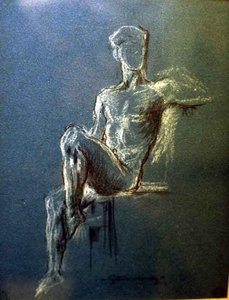
Painted around 1886, *Etude de Nu* showcases Moreau’s signature style—a rich blend of academic training and intensely personal Symbolism. The composition is deliberately ambiguous, drawing heavily on classical motifs while simultaneously injecting them with a distinctly modern sensibility. The figure, seated on a simple bench, occupies the foreground, his pose both relaxed and subtly vulnerable. His limbs are spread wide, creating an immediate sense of exposure, yet this nudity isn’t presented in a purely physical manner. Instead, it becomes a conduit for exploring themes of vulnerability, contemplation, and perhaps even sacrifice – elements deeply rooted in Moreau's fascination with mythology and religious iconography.
The Language of Symbolism
Moreau’s genius lay in his masterful deployment of symbolism. The setting itself is crucial to understanding the artwork’s meaning. The dark background, reminiscent of a theatrical stage, immediately establishes an atmosphere of mystery and drama. Notice the subtle details: the draped fabric, echoing classical drapery but rendered with a loose, almost dreamlike quality; the intricate patterns woven into the cloth—these aren't merely decorative elements; they’re visual keys to unlocking deeper layers of meaning. The presence of two figures in the periphery – one standing and another seated – adds to this sense of narrative complexity, suggesting an unseen drama unfolding beyond the central subject.
The figure’s gaze is particularly arresting. It's not directed outward, but inward—a reflection of his own contemplative state. Moreau frequently employed a technique of “psychological portraiture,” aiming to capture not just the physical likeness of his subjects, but also their inner emotional landscape. This is evident in the subtle nuances of expression conveyed through the figure’s posture and gaze.
Historical Context & Influences
Moreau's work emerged during a period of significant artistic and intellectual ferment. The Symbolist movement, which flourished in France throughout the late 19th century, rejected the objective realism championed by earlier movements like Impressionism. Instead, Symbolists sought to express subjective emotions, spiritual experiences, and the mysteries of the unconscious through evocative imagery and suggestive symbolism. Moreau was profoundly influenced by Pre-Raphaelites, particularly Dante Gabriel Rossetti, as well as classical mythology and medieval art – elements he skillfully integrated into his own unique visual language.
Interestingly, Moreau’s artistic journey wasn't always straightforward. Initially trained in the rigorous traditions of the École des Beaux-Arts, he quickly grew disillusioned with academic constraints and sought a more expressive and personal approach to painting. This transition is vividly reflected in *Etude de Nu*, which represents a departure from traditional portraiture while retaining a sophisticated understanding of artistic technique.
A Timeless Masterpiece – Perfect for Reproduction
*Etude de Nu* remains a powerfully evocative work, captivating viewers with its enigmatic beauty and profound emotional depth. ArtsDot offers meticulously crafted hand-painted reproductions that faithfully capture the essence of Moreau’s original vision. Each reproduction is created using traditional oil painting techniques, ensuring exceptional detail and color accuracy. Whether you're an art collector, a design enthusiast seeking inspiration for interior spaces, or simply someone who appreciates the beauty of Symbolist art, a ArtsDot reproduction of *Etude de Nu* will bring this timeless masterpiece into your home.
Consider how the rich textures and subtle color palette translate beautifully onto canvas. The interplay of light and shadow, combined with Moreau’s masterful use of symbolism, creates an image that is both visually stunning and intellectually stimulating – a true testament to the artist's genius.
Ähnliche Kunstwerke

Über den Künstler
**frühes Leben und Ausbildung**
Gustav Moreau, ein französischer Künstler, wurde am 6. April 1826 in Paris geboren. Er erhielt eine traditionelle akademische Ausbildung in der Malerei an der École des Beaux-Arts und zeigte von frühester Kindheit eine Begabung für Zeichnen.**Die Symbolismusbewegung**
Moreaus Werk, das durch allegorische und mythologische Themen geprägt ist, machte ihn zu einem führenden Symbolistenmaler, insbesondere in den 1890er Jahren. Seine Kunst (und der Symbolismus im Allgemeinen) verlor an Beliebtheit, wurde aber seit den 1960er Jahren neu bewertet und Moreau gilt heute als einer der wichtigsten Symbolistenmaler.**Bekannte Werke und Ausstellungen**
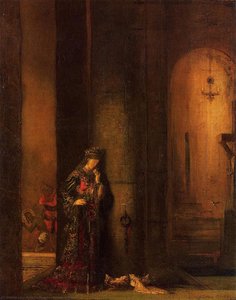
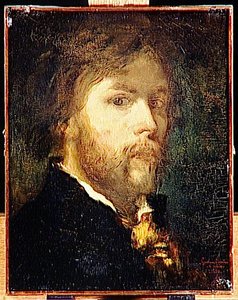
* Salomé im Gefängnis (Gemälde von 'Gustav Moreau') ist ein bemerkenswertes Beispiel für seine Arbeit und zeigt seine Meisterschaft im Symbolismus. * Das Selbstporträt (Gemälde von 'Gustav Moreau') ist eine weitere kraftvolle Darstellung des Künstlers selbst.**Musée Gustave Moreau**
Das Nationalmuseum Gustave Moreau (Musée Gustave Moreau Paris, Frankreich) in Paris ist dem Werk Moreaus gewidmet und beherbergt über 1.200 Gemälde, Aquarelle und Zeichnungen. Das Museum ist ein Zeugnis seines künstlerischen Erbes.**Vermächtnis und Einfluss**
Moreaus Einfluss auf die Symbolismusbewegung ist unbestreitbar. Er lehrte an der École des Beaux-Arts und beeinflusste namhafte Künstler wie Henri Matisse und Georges Rouault. Seine zurückgezogene Art hat seinen Einfluss auf die Kunstwelt nicht gemindert.- Entdecken Sie mehr über das Leben und Werk von Gustav Moreau auf ArtsDot.com
- Erkunden Sie das Nationalmuseum Gustave Moreau und seine beeindruckende Sammlung von Kunstwerken auf Musée Gustave Moreau Paris, Frankreich
- Erfahren Sie mehr über die Symbolismusbewegung und ihre Bedeutung für die Kunstgeschichte auf die Symbolismus-Kunstbewegung
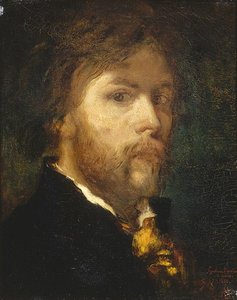
Gustave Moreau
1826 - 1898 , Frankreich
Kurzinfos
- Beeinflusste Künstler:
- Henri Matisse
- Georges Rouault
- Bemerkenswerte Werke:
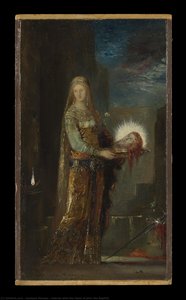
- Salomé im Gefängnis
- Selbstporträt
- Jupiter und Semele
- Orpheus
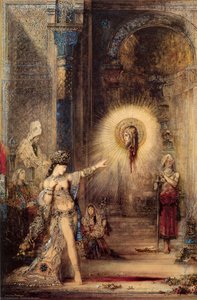
- Die Erscheinung
- Geburtsdatum: 6. April 1826
- Geburtsort: Paris, Frankreich
- Künstlerische Einflüsse:
- Eugène Delacroix
- Michelangelo
- Leonardo da Vinci
- Künstlerischer Stil: Symbolismus
- Nationalität: Französisch
- Sterbedatum: 1898
- Vollständiger Name: Gustave Moreau
Ähnliche Artikel
Gustav Klimt: Die 25 Meisterwerke des Wiener Jugendstils | ArtsDot
Entdecken Sie die 25 ikonischsten Gemälde von Gustav Klimt! Tauchen Sie ein in die Welt der Wiener Secession, des Jugendstils und der goldenen Phase. Hochwertige Reproduktionen & Inspiration für Ihr Zuhause auf ArtsDot.com.
The Enduring Allure of the Nude: A Historical & Artistic Exploration of the Human Form
Explore the captivating history of nude art! Discover iconic paintings & artists from classical to modern eras. Uncover symbolism, techniques & find museum-quality reproductions at ArtsDot.
Gustave Moreau: Der Enigmatische Visionär des Symbolismus und Wegbereiter moderner Fantasy-Kunst
Entdecken Sie das faszinierende Werk Gustave Moreaus, des wichtigsten Vertreters des Symbolismus! Analysen, Biografien und Einblicke in seine mythologischen Gemälde. Jetzt lesen!

Paul Cézanne: Die 25 Meisterwerke des Impressionismus | ArtsDot
Entdecken Sie die 25 Meisterwerke von Paul Cézanne! Tauchen Sie ein in die Welt des Impressionismus und Postimpressionismus. Erfahren Sie mehr über seine Stillleben, Landschaften & berühmten Gemälde – jetzt hochwertige Kunstdrucke auf ArtsDot.com.
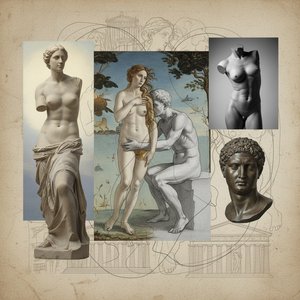
The Eloquent Form: A Historical & Aesthetic Exploration of the Nude in Art
Explore the captivating history of the nude in art! From ancient Greece to modern masters, discover its evolving symbolism, techniques & enduring beauty. Expert insights for collectors and enthusiasts.