 Vorschau anzeigen
 Versenden
 Teilen
 Details anzeigen

 Herunterladen
 Ähnliche Objekte
 Röntgenaufnahme
 Diashow
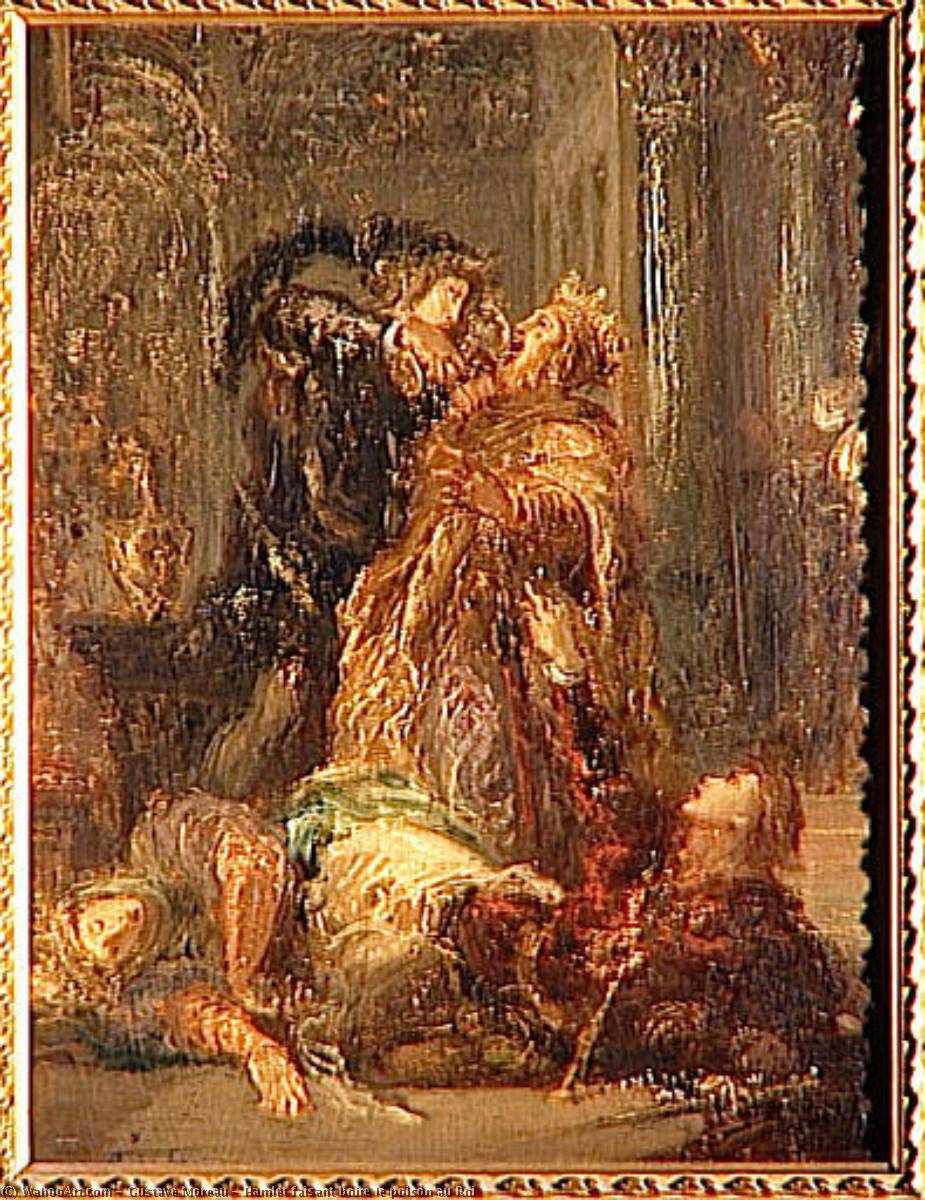
Hamlet faisant boire le poison au Roi


 Weiterlesen
Giclée / Kunstdruck
Giclée- oder Leinwanddruck in Museumsqualität mit schneller Produktion und flexiblen Veredelungsoptionen. ( Handgemalte Reproduktion bestellen Bild kaufen)




P118B $10

P118H $10

P118W $10

P438Z $10

P508JH $12

P508YH $12

P805H $10

P805Z $10

P919BZ $10

P919G $10

P919XJ $10

P959ZH $10

P968JZ $12

W106C $8

W218G $10

W218JH $8

W218Y $10

W307PJ $10

W316G $10

W316PJ $8

W316Y $10

W398PJ $8

W4111J $10

W500HY $15

W500JH $15

W692G $12

W849H $8

W940BG $15

W953PJ $8




Wählen Sie aus unseren vordefinierten Formaten, die den ursprünglichen Proportionen des Kunstwerks entsprechen.

Sie können Ihre eigenen Maße eingeben, um ein bestimmtes Format oder einen speziellen Platz einzupassen. Wenn das von Ihnen gewählte Format nicht den Proportionen des Originalbildes entspricht, werden wir das Kunstwerk entweder beschneiden oder das Bild mit einem gespiegelten oder einfarbigen Rand erweitern. Ein digitaler Entwurf wird Ihnen zur Genehmigung zugesandt, bevor die Produktion beginnt.
Bitte beachten Sie, dass die Vorschau auf dem Bildschirm nicht den tatsächlichen Zuschnitt oder die Erweiterung widerspiegelt. Nur der Entwurf zeigt die endgültige Komposition präzise an.
Obwohl Sondermaße verfügbar sind, empfehlen wir die Auswahl eines Maßes aus der vordefinierten Liste, um die ursprünglichen Proportionen zu bewahren.
Weltweiter Versand () innerhalb von 2 Wochen statt der üblichen 4/5 Wochen. (24 August)

Kostenloser weltweiter Expressversand

Hochwertige Leinenleinwand

Umfassender Versicherungsschutz beim Versand

Zollgebühren-Rückerstattungsgarantie

Garantie für exakte Farbtreue

60 Tage Rückgaberecht (nur bei Mängeln)

100% Geld-zurück-Garantie

Mengenrabatt verfügbar
 Die Glasoption ist nur für Größen unter 110 cm verfügbar.

Hamlet faisant boire le poison au Roi
Giclée / Kunstdruck
Format der Reproduktion
-


Gesamtpreis
$ 62
Sammlerstück-Beschreibung
A Descent into Melancholy: Exploring Moreau’s “Hamlet faisant boire le poison au Roi”
Gustave Moreau's "Hamlet faisant boire le poison au Roi" (Hamlet Giving the Poison to the King) is not merely a depiction of a dramatic moment from Shakespeare; it’s an immersion into a world steeped in psychological torment and symbolic dread. Painted during the height of Symbolism – a movement that prioritized subjective experience and emotional resonance over literal representation – this work exemplifies Moreau's profound engagement with myth, religion, and the darker aspects of human nature. The painting, shrouded in a palpable sense of tragedy, invites viewers to confront uncomfortable truths about power, betrayal, and ultimately, mortality.
- Subject Matter: The scene unfolds with chilling precision – Hamlet, clad in black, administers poison to his ailing father, the King. Yet, it’s not a straightforward portrayal of murder; rather, it's an intensely intimate tableau, suggesting a profound sense of duty and perhaps even reluctant compassion.
- Style & Technique: Moreau’s style is immediately recognizable for its opulent detail and dreamlike quality. He employs rich, saturated colors – deep blues, blacks, and reds – to create a visually arresting effect. The brushwork is meticulous, layering textures and creating an almost sculptural quality within the figures and architectural elements.
The Symbolist Palette: Color, Light, and Atmosphere
Moreau’s masterful use of color is central to the painting's emotional impact. The dominant blacks and blues evoke a sense of mourning and despair, while flashes of crimson – representing both the poison and perhaps Hamlet’s inner turmoil – punctuate the scene with dramatic intensity. Light plays a crucial role, filtering through the arched doorway in the background, casting long, distorted shadows that heighten the atmosphere of unease. This deliberate manipulation of light and shadow is characteristic of Symbolist painting, aiming to evoke mood and emotion rather than simply depicting reality.
- Architectural Setting: The arched doorway, reminiscent of Renaissance architecture, adds a layer of classical allusion, subtly elevating the scene beyond a simple narrative. It suggests a timelessness, a connection to ancient myths and tragedies.
- Compositional Dynamics: Moreau expertly uses composition to draw the viewer’s eye through the painting. The figures are arranged in a triangular format, creating a sense of stability amidst the chaos of the moment.
Decoding the Symbolism: Myth, Guilt, and Redemption
"Hamlet faisant boire le poison au Roi" is rich with symbolic meaning, reflecting Moreau’s fascination with classical mythology and psychological themes. The act of poisoning itself represents a corruption of innocence and the destructive consequences of revenge. Hamlet's posture – his arm gently supporting the dying king – suggests not just an act of violence but also a profound sense of guilt and perhaps even a desperate attempt at redemption. The presence of other figures in the background, partially obscured, hints at the wider web of relationships and secrets that contribute to the tragedy.
- Historical Context: Moreau’s work emerged during a period of significant social and intellectual change in France. The Symbolist movement was a reaction against the perceived materialism and superficiality of bourgeois society, seeking instead to explore deeper truths about human existence.
- Moreau's Influences: Moreau drew inspiration from a wide range of sources, including Dante’s *Inferno*, medieval religious iconography, and the works of William Blake.
Emotional Resonance & Artistic Value
More than just a historical painting, “Hamlet faisant boire le poison au Roi” remains powerfully evocative today. Moreau's ability to capture the psychological complexities of his subject matter – the burden of guilt, the weight of responsibility, and the inevitability of death – continues to resonate with viewers. A hand-painted reproduction offers an unparalleled opportunity to experience the full impact of this masterpiece, bringing its haunting beauty and profound symbolism into your home or studio.
Ähnliche Kunstwerke

Über den Künstler
**frühes Leben und Ausbildung**
Gustav Moreau, ein französischer Künstler, wurde am 6. April 1826 in Paris geboren. Er erhielt eine traditionelle akademische Ausbildung in der Malerei an der École des Beaux-Arts und zeigte von frühester Kindheit eine Begabung für Zeichnen.**Die Symbolismusbewegung**
Moreaus Werk, das durch allegorische und mythologische Themen geprägt ist, machte ihn zu einem führenden Symbolistenmaler, insbesondere in den 1890er Jahren. Seine Kunst (und der Symbolismus im Allgemeinen) verlor an Beliebtheit, wurde aber seit den 1960er Jahren neu bewertet und Moreau gilt heute als einer der wichtigsten Symbolistenmaler.**Bekannte Werke und Ausstellungen**
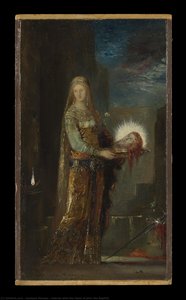
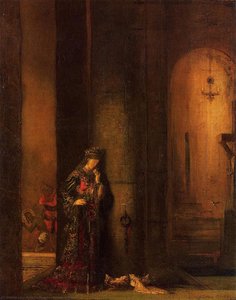
* Salomé im Gefängnis (Gemälde von 'Gustav Moreau') ist ein bemerkenswertes Beispiel für seine Arbeit und zeigt seine Meisterschaft im Symbolismus. * Das Selbstporträt (Gemälde von 'Gustav Moreau') ist eine weitere kraftvolle Darstellung des Künstlers selbst.**Musée Gustave Moreau**
Das Nationalmuseum Gustave Moreau (Musée Gustave Moreau Paris, Frankreich) in Paris ist dem Werk Moreaus gewidmet und beherbergt über 1.200 Gemälde, Aquarelle und Zeichnungen. Das Museum ist ein Zeugnis seines künstlerischen Erbes.**Vermächtnis und Einfluss**
Moreaus Einfluss auf die Symbolismusbewegung ist unbestreitbar. Er lehrte an der École des Beaux-Arts und beeinflusste namhafte Künstler wie Henri Matisse und Georges Rouault. Seine zurückgezogene Art hat seinen Einfluss auf die Kunstwelt nicht gemindert.- Entdecken Sie mehr über das Leben und Werk von Gustav Moreau auf ArtsDot.com
- Erkunden Sie das Nationalmuseum Gustave Moreau und seine beeindruckende Sammlung von Kunstwerken auf Musée Gustave Moreau Paris, Frankreich
- Erfahren Sie mehr über die Symbolismusbewegung und ihre Bedeutung für die Kunstgeschichte auf die Symbolismus-Kunstbewegung
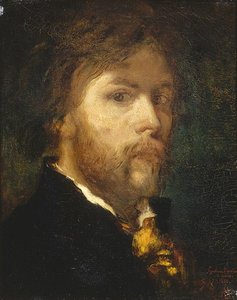
Gustave Moreau
1826 - 1898 , Frankreich
Kurzinfos
- Beeinflusste Künstler:
- Henri Matisse
- Georges Rouault
- Bemerkenswerte Werke:
- Salomé im Gefängnis
- Selbstporträt
- Jupiter und Semele
- Orpheus
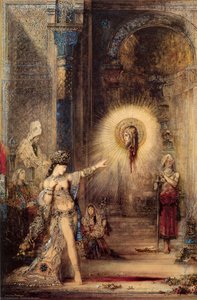
- Die Erscheinung
- Geburtsdatum: 6. April 1826
- Geburtsort: Paris, Frankreich
- Künstlerische Einflüsse:
- Eugène Delacroix
- Michelangelo
- Leonardo da Vinci
- Künstlerischer Stil: Symbolismus
- Nationalität: Französisch
- Sterbedatum: 1898
- Vollständiger Name: Gustave Moreau
Ähnliche Artikel

Die Top 10 berühmter Gemälde im Reich der dunklen Töne |
Entdecken Sie die Top 10 berühmter Gemälde, beherrscht von dunklen Tönen! Von Caravaggio bis Manet – erfahren Sie die Geschichten hinter Meisterwerken der Kunstgeschichte. Finden Sie Ihre perfekte Reproduktion auf .
Gustave Moreau: Der Enigmatische Visionär des Symbolismus und Wegbereiter moderner Fantasy-Kunst
Entdecken Sie das faszinierende Werk Gustave Moreaus, des wichtigsten Vertreters des Symbolismus! Analysen, Biografien und Einblicke in seine mythologischen Gemälde. Jetzt lesen!
Die Top 10 Gemälde der Kunstgeschichte – Dominiert von tiefem Schwarz
Entdecken Sie die Top 10 Gemälde, die von tiefem Schwarz und dramatischer Atmosphäre geprägt sind. Von Caravaggio bis Manet – Kunstgeschichte erleben & hochwertige Reproduktionen auf finden! Jetzt entdecken.
Meisterwerke der Dunkelheit: 10 berühmte Gemälde im Lampenschwarzton |
Entdecken Sie 10 berühmte Gemälde, die von Lampenschwarz und düsterer Schönheit geprägt sind. Von Rembrandt bis Caravaggio – erleben Sie Kunstgeschichte neu! Hochwertige Reproduktionen & Inspiration für Ihr Zuhause auf .
Meisterwerke in Schwarz: Die 10 berühmtesten Gemälde mit Elfenbeinsschattierungen |
Entdecken Sie die düsteren Schönheiten der Kunst! Unsere Top 10 Gemälde dominieren durch Elfenbeinschwarz – von Rembrandt bis Goya. Erfahren Sie mehr über Künstler, Techniken & Bedeutung. Hochwertige Reproduktionen auf