 Vorschau anzeigen
 Versenden
 Teilen
 Details anzeigen

 Herunterladen
 Ähnliche Objekte
 Röntgenaufnahme
 Diashow
 Statistiken
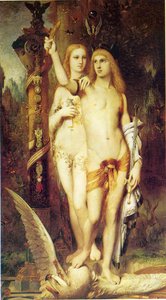
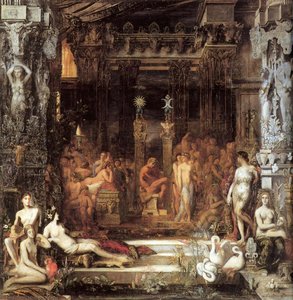
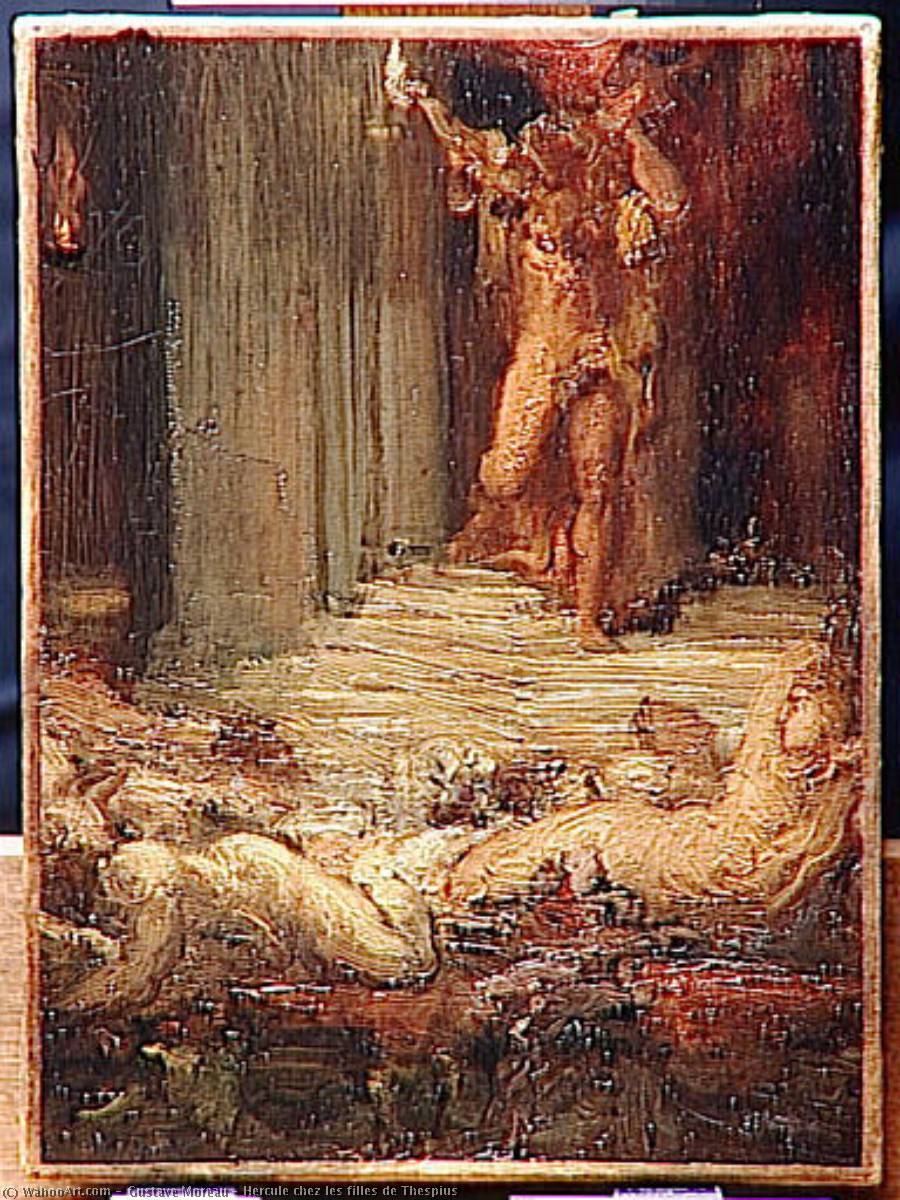
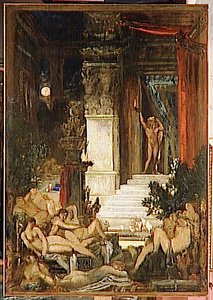
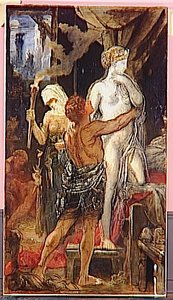
Hercule chez les filles de Thespius


 Weiterlesen
Giclée / Kunstdruck
Giclée- oder Leinwanddruck in Museumsqualität mit schneller Produktion und flexiblen Veredelungsoptionen. ( Handgemalte Reproduktion bestellen Zum digitalen Bild wechseln)




P118B $10

P118H $10

P118W $10

P438Z $10

P508JH $12

P508YH $12

P805H $10

P805Z $10

P919BZ $10

P919G $10

P919XJ $10

P959ZH $10

P968JZ $12

W106C $8

W218G $10

W218JH $8

W218Y $10

W307PJ $10

W316G $10

W316PJ $8

W316Y $10

W398PJ $8

W4111J $10

W500HY $15

W500JH $15

W692G $12

W849H $8

W940BG $15

W953PJ $8




Wählen Sie aus unseren vordefinierten Formaten, die den ursprünglichen Proportionen des Kunstwerks entsprechen.

Sie können Ihre eigenen Maße eingeben, um ein bestimmtes Format oder einen speziellen Platz einzupassen. Wenn das von Ihnen gewählte Format nicht den Proportionen des Originalbildes entspricht, werden wir das Kunstwerk entweder beschneiden oder das Bild mit einem gespiegelten oder einfarbigen Rand erweitern. Ein digitaler Entwurf wird Ihnen zur Genehmigung zugesandt, bevor die Produktion beginnt.
Bitte beachten Sie, dass die Vorschau auf dem Bildschirm nicht den tatsächlichen Zuschnitt oder die Erweiterung widerspiegelt. Nur der Entwurf zeigt die endgültige Komposition präzise an.
Obwohl Sondermaße verfügbar sind, empfehlen wir die Auswahl eines Maßes aus der vordefinierten Liste, um die ursprünglichen Proportionen zu bewahren.
Weltweiter Versand () innerhalb von 2 Wochen statt der üblichen 4/5 Wochen. (8 September)

Kostenloser weltweiter Expressversand

Hochwertige Leinenleinwand

Umfassender Versicherungsschutz beim Versand

Zollgebühren-Rückerstattungsgarantie

Garantie für exakte Farbtreue

100-Tage-Rückgaberecht (nur bei Mängeln)

100% Geld-zurück-Garantie

Mengenrabatt verfügbar
 Die Glasoption ist nur für Größen unter 110 cm verfügbar.

Hercule chez les filles de Thespius
Giclée / Kunstdruck
Format der Reproduktion
-


Gesamtpreis
$ 62
A Descent into Mythic Reverie: Gustave Moreau’s *Hercule chez les filles de Thespius*
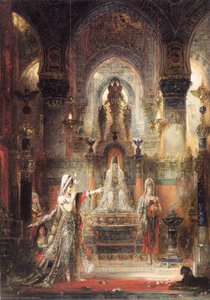
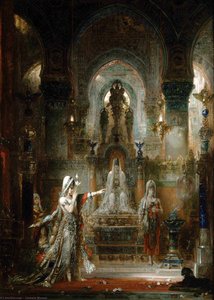
Gustave Moreau's Hercule chez les filles de Thespius (Hercules Among the Daughters of Thespius) is not merely a depiction of a classical hero; it’s an immersion into a dreamscape, a meticulously constructed tableau born from the artist’s profound engagement with Symbolist aesthetics. Painted during his lifetime, this work exemplifies Moreau's unique approach – one that deliberately eschewed the naturalism favored by contemporary movements in favor of exploring the realms of myth, religion, and the subconscious. The painting immediately arrests the viewer with its opulent atmosphere, a deliberate layering of textures and colors designed to evoke a sense of timelessness and mystery. Moreau’s meticulous brushwork, combined with his masterful use of color, creates an almost palpable sense of weight and volume, drawing the eye deeper into the scene's enigmatic narrative.
Subject Matter and Narrative Ambiguity
The subject itself – Hercules amidst a group of women identified as the daughters of Thespius – is steeped in Greek mythology. Thespius was the son of Creusa and Electryion, and his abduction by Hercules forms the basis of this particular narrative. However, Moreau doesn’t present a straightforward heroic tale. Instead, he transforms the story into something far more complex and suggestive. The central figure of Hercules, depicted with raised hands, suggests both triumph and vulnerability, while the nude figures surrounding him introduce an element of ambiguity – are they admirers, temptresses, or perhaps even embodiments of temptation itself? This deliberate lack of clarity is a hallmark of Symbolist art, inviting viewers to actively participate in constructing their own interpretations.
Symbolism and the Language of Dreams
Moreau’s work is saturated with symbolism, drawing heavily from sources such as medieval bestiaries, alchemical texts, and esoteric traditions. The opulent setting – reminiscent of a decadent palace or temple – contributes to this sense of otherworldly grandeur. The use of rich jewel tones—deep reds, blues, and golds—evokes a feeling of luxury and spiritual intensity. The inclusion of the naked figures is particularly significant; they represent not just physical beauty but also primal instincts and the untamed forces of nature. Moreau’s meticulous attention to detail – from the intricate folds of drapery to the expressive faces of his figures – creates a world that feels both familiar and utterly alien, mirroring the experience of dreaming.
Technique and Artistic Influences
Moreau's technique is characterized by its meticulous layering of glazes, creating a luminous effect that was revolutionary for its time. He built up his compositions gradually, allowing each layer to dry before applying the next, resulting in a depth and richness of color rarely achieved. His artistic training at the École des Beaux-Arts provided him with a solid foundation in traditional academic techniques, but he quickly surpassed these conventions, developing a highly personal style that combined elements of Byzantine icon painting, Pre-Raphaelite aesthetics, and his own unique Symbolist vision. The influence of artists like William Blake is also evident in Moreau’s exploration of mythology and symbolism.
Emotional Impact and Artistic Legacy
Hercule chez les filles de Thespius possesses a profound emotional impact, inviting viewers to confront themes of desire, temptation, and the struggle between reason and instinct. It’s a painting that lingers in the memory long after viewing, prompting reflection on the nature of myth, beauty, and the human condition. Gustave Moreau's work continues to resonate with audiences today, solidifying his place as one of the most important figures in the Symbolist movement and demonstrating the power of art to transport us beyond the confines of reality.
Ähnliche Kunstwerke
Über den Künstler
**frühes Leben und Ausbildung**
Gustav Moreau, ein französischer Künstler, wurde am 6. April 1826 in Paris geboren. Er erhielt eine traditionelle akademische Ausbildung in der Malerei an der École des Beaux-Arts und zeigte von frühester Kindheit eine Begabung für Zeichnen.**Die Symbolismusbewegung**
Moreaus Werk, das durch allegorische und mythologische Themen geprägt ist, machte ihn zu einem führenden Symbolistenmaler, insbesondere in den 1890er Jahren. Seine Kunst (und der Symbolismus im Allgemeinen) verlor an Beliebtheit, wurde aber seit den 1960er Jahren neu bewertet und Moreau gilt heute als einer der wichtigsten Symbolistenmaler.**Bekannte Werke und Ausstellungen**
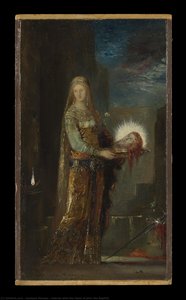
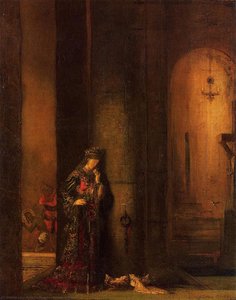
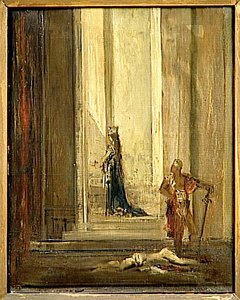
* Salomé im Gefängnis (Gemälde von 'Gustav Moreau') ist ein bemerkenswertes Beispiel für seine Arbeit und zeigt seine Meisterschaft im Symbolismus. * Das Selbstporträt (Gemälde von 'Gustav Moreau') ist eine weitere kraftvolle Darstellung des Künstlers selbst.**Musée Gustave Moreau**
Das Nationalmuseum Gustave Moreau (Musée Gustave Moreau Paris, Frankreich) in Paris ist dem Werk Moreaus gewidmet und beherbergt über 1.200 Gemälde, Aquarelle und Zeichnungen. Das Museum ist ein Zeugnis seines künstlerischen Erbes.**Vermächtnis und Einfluss**
Moreaus Einfluss auf die Symbolismusbewegung ist unbestreitbar. Er lehrte an der École des Beaux-Arts und beeinflusste namhafte Künstler wie Henri Matisse und Georges Rouault. Seine zurückgezogene Art hat seinen Einfluss auf die Kunstwelt nicht gemindert.- Entdecken Sie mehr über das Leben und Werk von Gustav Moreau auf ArtsDot.com
- Erkunden Sie das Nationalmuseum Gustave Moreau und seine beeindruckende Sammlung von Kunstwerken auf Musée Gustave Moreau Paris, Frankreich
- Erfahren Sie mehr über die Symbolismusbewegung und ihre Bedeutung für die Kunstgeschichte auf die Symbolismus-Kunstbewegung
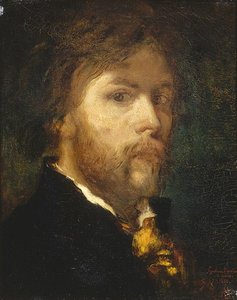
Gustave Moreau
1826 - 1898 , Frankreich
Kurzinfos
- Beeinflusste Künstler:
- Henri Matisse
- Georges Rouault
- Bemerkenswerte Werke:
- Salomé im Gefängnis
- Selbstporträt
- Jupiter und Semele
- Orpheus
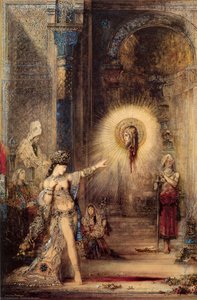
- Die Erscheinung
- Geburtsdatum: 6. April 1826
- Geburtsort: Paris, Frankreich
- Künstlerische Einflüsse:
- Eugène Delacroix
- Michelangelo
- Leonardo da Vinci
- Künstlerischer Stil: Symbolismus
- Nationalität: Französisch
- Sterbedatum: 1898
- Vollständiger Name: Gustave Moreau
Ähnliche Artikel
The Enduring Legacy of Printmaking: Techniques, Themes & Artistic Innovation Across Centuries
Explore the rich history of printmaking with ArtsDot. Discover techniques from intaglio to lithography, learn about collecting valuable prints & find museum-quality reproductions. Expert insights for art enthusiasts and collectors.

The Enduring Legacy of Fine Art Prints: Technique, History & Aesthetic Impact
Explore the rich history & techniques of fine art prints. Discover investment potential, assess authenticity, and learn how to preserve your collection with expert guidance. Trusted insights for discerning collectors.

Giclée Prints: Archival Quality & Aesthetic Nuances for the Discerning Collector
Explore the world of giclée prints with ArtsDot. Learn about archival quality, aesthetic nuances & investment potential. Expert guidance for discerning art collectors seeking museum-quality reproductions and lasting value.
Gustave Moreau: Der Enigmatische Visionär des Symbolismus und Wegbereiter moderner Fantasy-Kunst
Entdecken Sie das faszinierende Werk Gustave Moreaus, des wichtigsten Vertreters des Symbolismus! Analysen, Biografien und Einblicke in seine mythologischen Gemälde. Jetzt lesen!

Echoes of Time: Exploring the Enduring Appeal & Historical Context of Vintage Art Prints
Explore the captivating world of vintage art prints! Discover their history, collecting tips & enduring appeal. Expert insights on chromolithography and building a legacy collection with ArtsDot.