 Vorschau anzeigen
 Versenden
 Teilen
 Details anzeigen

 Herunterladen
 Ähnliche Objekte
 Röntgenaufnahme
 Diashow
L'Enfant prodigue


 Weiterlesen
Handgefertigte Ölreproduktion
Handgemaltes Ölgemälde auf Leinwand in Ihrer Wunschgröße und mit Rahmen, auf Bestellung von unseren Künstlern angefertigt. ( Druck bestellen Bild kaufen)




P118B $10

P118H $10

P118W $10

P438Z $10

P508JH $12

P508YH $12

P805H $10

P805Z $10

P919BZ $10

P919G $10

P919XJ $10

P959ZH $10

P968JZ $12

W106C $8

W218G $10

W218JH $8

W218Y $10

W307PJ $10

W316G $10

W316PJ $8

W316Y $10

W398PJ $8

W4111J $10

W500HY $15

W500JH $15

W692G $12

W849H $8

W940BG $15

W953PJ $8




Wählen Sie aus unseren vordefinierten Formaten, die den ursprünglichen Proportionen des Kunstwerks entsprechen.

Sie können Ihre eigenen Maße eingeben, um einen bestimmten Rahmen oder Platz auszufüllen. Wenn die gewählte Größe nicht den Proportionen des Originalbildes entspricht, werden wir das Kunstwerk entweder beschneiden oder das Gemälde durch zusätzliche, handgemalte Elemente erweitern. Ein digitales Mockup wird Ihnen zur Genehmigung zugesandt, bevor die Produktion beginnt.
Bitte beachten Sie, dass die Bildschirmvorschau nicht die tatsächliche Beschneidung oder Erweiterung widerspiegelt. Nur das Mockup zeigt die endgültige Komposition exakt an.
Obwohl Sondermaße verfügbar sind, empfehlen wir, eine Größe aus der vordefinierten Liste zu wählen, um die ursprünglichen Proportionen beizubehalten.
Nach der Bestellung wird das ArtsDot.com-Team dem Kunden Anweisungen per E-Mail zusenden und eine Mockup-Vorschau bereitstellen.
Weltweiter Versand () in nur 3 bis 4 Wochen statt der üblichen 5 Wochen. (31 August). Keine Kompromisse bei der Qualität.

Kostenloser weltweiter Expressversand

Hochwertige Leinenleinwand

Umfassender Versicherungsschutz beim Versand

Zollgebühren-Rückerstattungsgarantie

Garantie für exakte Farbtreue

60 Tage Rückgaberecht (nur bei Mängeln)

100% Geld-zurück-Garantie

Mengenrabatt verfügbar
 Die Glasoption ist nur für Größen unter 110 cm verfügbar.

L'Enfant prodigue
Art der Reproduktion
Format der Reproduktion
-


Gesamtpreis
$ 263
L'Enfant Prodigue: A Descent into Symbolist Dreamscapes
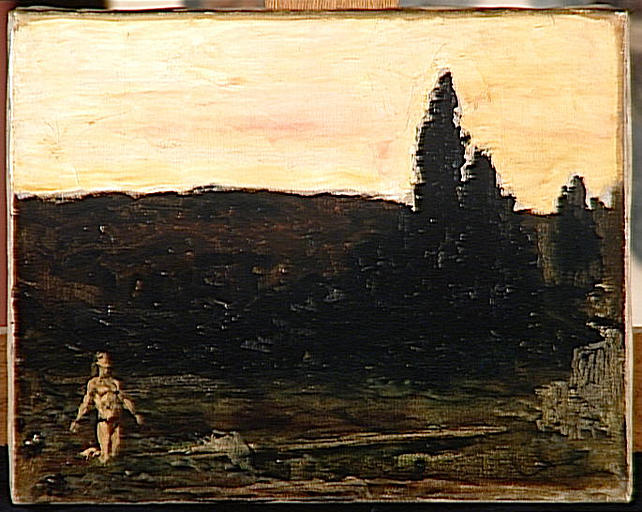
Gustave Moreau’s “L’Enfant Prodigue” (The Prodigal Son) is not merely a depiction of biblical narrative; it’s an immersion into the profoundly subjective and emotionally charged world of Symbolism. Painted during his most intensely creative period, between 1883 and 1885, this monochrome masterpiece exemplifies Moreau's fascination with myth, religion, and the darker recesses of the human psyche. The painting immediately arrests the viewer with its stark simplicity – a nude woman stands alone within a skeletal forest, her gaze fixed upon us, an invitation to contemplate themes of loss, redemption, and the inherent loneliness of existence.
- Subject Matter: While referencing the biblical story of the Prodigal Son, Moreau strips away the traditional narrative elements. There is no father, no return, no explicit forgiveness. Instead, we are presented with a solitary figure, adrift in a landscape that mirrors her internal state.
- Style & Technique: Moreau’s style is characterized by meticulous detail and a deliberate avoidance of naturalism. He employs a highly polished technique, creating an almost porcelain-like surface to the woman's skin, contrasting sharply with the rough textures of the trees. The use of black and white amplifies the painting’s dramatic effect, intensifying the sense of isolation and emphasizing the symbolic weight of each element.
The Symbolist Vision: A Journey into the Unconscious
Moreau was a key figure in the burgeoning Symbolist movement, which rejected the objective realism championed by earlier artistic movements. Instead, Symbolists sought to evoke emotions and ideas through suggestive imagery, drawing inspiration from dreams, folklore, and esoteric traditions. “L’Enfant Prodigue” perfectly embodies this approach. The bare trees, devoid of leaves, represent barrenness, regret, or perhaps a spiritual wasteland. The woman herself is an ambiguous figure – a representation of the lost soul, a symbol of feminine vulnerability, or even a personification of shame and repentance. Her pose, reminiscent of classical sculptures, adds to the painting’s timeless quality, elevating it beyond a simple illustration.
- Historical Context: Moreau's work emerged during a period of significant social and intellectual change in France. The rise of industrialization, coupled with anxieties about modernity, fueled a desire for spiritual renewal and a return to traditional values – themes that resonated deeply within the Symbolist movement.
- Influence of Mythology & Religion: Moreau frequently drew upon classical mythology and religious iconography, often reinterpreting these sources through a distinctly personal lens. The painting’s atmosphere evokes a sense of ancient mystery, reminiscent of medieval religious art.
Decoding the Symbolism: A Landscape of Emotion
The composition of “L’Enfant Prodigue” is deliberately unsettling. The woman's placement in the foreground, dwarfed by the towering trees, creates a sense of vulnerability and isolation. Her gaze, direct and unwavering, forces the viewer to confront their own feelings about sin, forgiveness, and redemption. The lack of color further intensifies this emotional impact, stripping away any distractions and focusing solely on the raw essence of the scene. Moreau’s masterful use of light and shadow adds to the painting's dramatic effect, creating a sense of depth and mystery.
- The Woman as Archetype: The figure can be interpreted as an archetype – a representation of universal human experiences rather than a specific individual.
- Monochrome Palette: The deliberate choice of monochrome amplifies the painting’s emotional intensity, creating a sense of timelessness and universality.
Collecting Moreau's Legacy: A Timeless Masterpiece
A hand-painted reproduction of “L’Enfant Prodigue” offers an unparalleled opportunity to bring this iconic Symbolist work into your home or office. ArtsDot.com meticulously recreates Moreau’s original techniques, ensuring that the texture, detail, and emotional impact are faithfully preserved. This is more than just a print; it's a tangible connection to one of the most significant artistic movements of the 19th century – a testament to Gustave Moreau’s visionary genius. Consider this artwork as an investment in beauty, history, and the enduring power of Symbolist art.
Ähnliche Kunstwerke
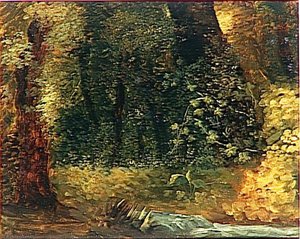
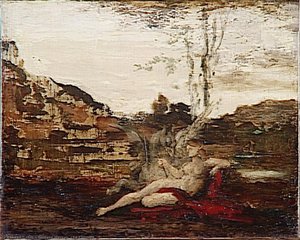
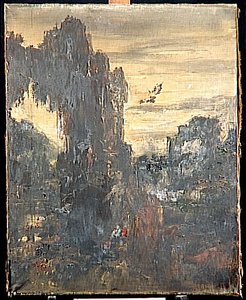
Über den Künstler
**frühes Leben und Ausbildung**
Gustav Moreau, ein französischer Künstler, wurde am 6. April 1826 in Paris geboren. Er erhielt eine traditionelle akademische Ausbildung in der Malerei an der École des Beaux-Arts und zeigte von frühester Kindheit eine Begabung für Zeichnen.**Die Symbolismusbewegung**
Moreaus Werk, das durch allegorische und mythologische Themen geprägt ist, machte ihn zu einem führenden Symbolistenmaler, insbesondere in den 1890er Jahren. Seine Kunst (und der Symbolismus im Allgemeinen) verlor an Beliebtheit, wurde aber seit den 1960er Jahren neu bewertet und Moreau gilt heute als einer der wichtigsten Symbolistenmaler.**Bekannte Werke und Ausstellungen**
* Salomé im Gefängnis (Gemälde von 'Gustav Moreau') ist ein bemerkenswertes Beispiel für seine Arbeit und zeigt seine Meisterschaft im Symbolismus. * Das Selbstporträt (Gemälde von 'Gustav Moreau') ist eine weitere kraftvolle Darstellung des Künstlers selbst.**Musée Gustave Moreau**
Das Nationalmuseum Gustave Moreau (Musée Gustave Moreau Paris, Frankreich) in Paris ist dem Werk Moreaus gewidmet und beherbergt über 1.200 Gemälde, Aquarelle und Zeichnungen. Das Museum ist ein Zeugnis seines künstlerischen Erbes.**Vermächtnis und Einfluss**
Moreaus Einfluss auf die Symbolismusbewegung ist unbestreitbar. Er lehrte an der École des Beaux-Arts und beeinflusste namhafte Künstler wie Henri Matisse und Georges Rouault. Seine zurückgezogene Art hat seinen Einfluss auf die Kunstwelt nicht gemindert.- Entdecken Sie mehr über das Leben und Werk von Gustav Moreau auf ArtsDot.com
- Erkunden Sie das Nationalmuseum Gustave Moreau und seine beeindruckende Sammlung von Kunstwerken auf Musée Gustave Moreau Paris, Frankreich
- Erfahren Sie mehr über die Symbolismusbewegung und ihre Bedeutung für die Kunstgeschichte auf die Symbolismus-Kunstbewegung
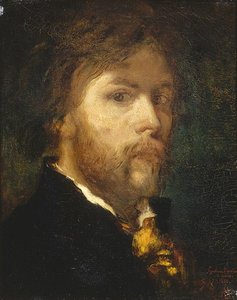
Gustave Moreau
1826 - 1898 , Frankreich
Kurzinfos
- Beeinflusste Künstler:
- Henri Matisse
- Georges Rouault
- Bemerkenswerte Werke:
- Salomé im Gefängnis
- Selbstporträt
- Jupiter und Semele
- Orpheus
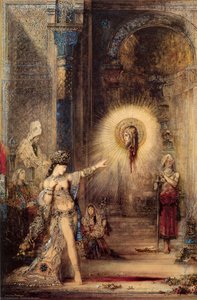
- Die Erscheinung
- Geburtsdatum: 6. April 1826
- Geburtsort: Paris, Frankreich
- Künstlerische Einflüsse:
- Eugène Delacroix
- Michelangelo
- Leonardo da Vinci
- Künstlerischer Stil: Symbolismus
- Nationalität: Französisch
- Sterbedatum: 1898
- Vollständiger Name: Gustave Moreau
Ähnliche Artikel

Die Top 10 berühmter Gemälde im Reich der dunklen Töne |
Entdecken Sie die Top 10 berühmter Gemälde, beherrscht von dunklen Tönen! Von Caravaggio bis Manet – erfahren Sie die Geschichten hinter Meisterwerken der Kunstgeschichte. Finden Sie Ihre perfekte Reproduktion auf .
Die Top 10 Gemälde der Kunstgeschichte – Dominiert von tiefem Schwarz
Entdecken Sie die Top 10 Gemälde, die von tiefem Schwarz und dramatischer Atmosphäre geprägt sind. Von Caravaggio bis Manet – Kunstgeschichte erleben & hochwertige Reproduktionen auf finden! Jetzt entdecken.
Meisterwerke der Dunkelheit: 10 berühmte Gemälde im Lampenschwarzton |
Entdecken Sie 10 berühmte Gemälde, die von Lampenschwarz und düsterer Schönheit geprägt sind. Von Rembrandt bis Caravaggio – erleben Sie Kunstgeschichte neu! Hochwertige Reproduktionen & Inspiration für Ihr Zuhause auf .
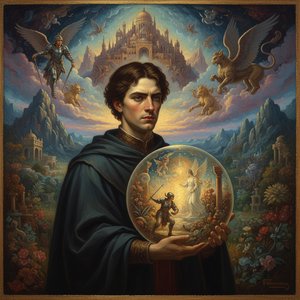
Gustave Moreau: Der Enigmatische Visionär des Symbolismus und Wegbereiter moderner Fantasy-Kunst
Entdecken Sie das faszinierende Werk Gustave Moreaus, des wichtigsten Vertreters des Symbolismus! Analysen, Biografien und Einblicke in seine mythologischen Gemälde. Jetzt lesen!
Meisterwerke in Schwarz: Die 10 berühmtesten Gemälde mit Elfenbeinsschattierungen |
Entdecken Sie die düsteren Schönheiten der Kunst! Unsere Top 10 Gemälde dominieren durch Elfenbeinschwarz – von Rembrandt bis Goya. Erfahren Sie mehr über Künstler, Techniken & Bedeutung. Hochwertige Reproduktionen auf