 Vorschau anzeigen
 Versenden
 Teilen
 Details anzeigen

 Herunterladen
 Ähnliche Objekte
 Röntgenaufnahme
 Diashow
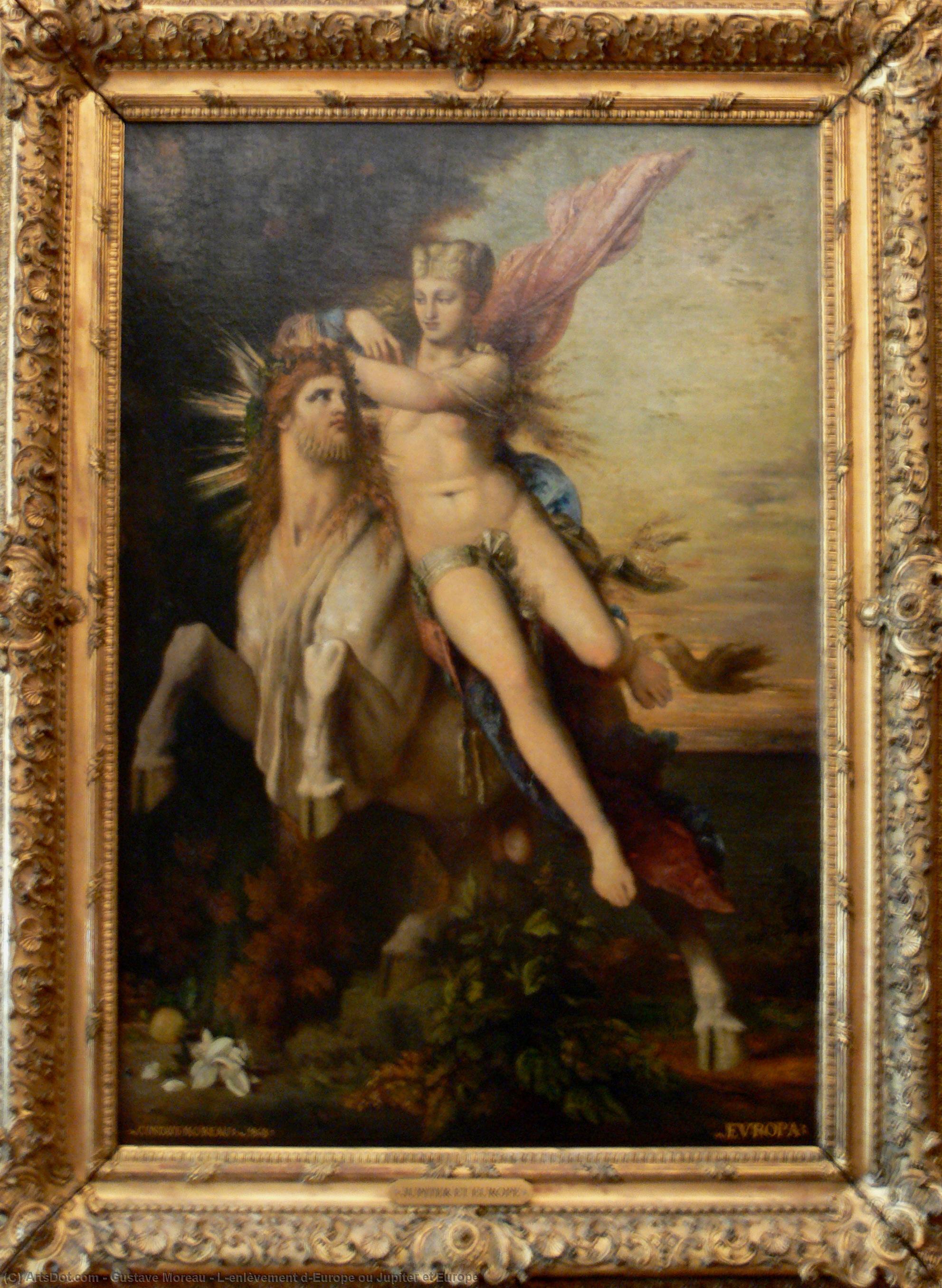
L'enlèvement d'Europe ou Jupiter et Europe


 Weiterlesen
Handgefertigte Ölreproduktion
Handgemaltes Ölgemälde auf Leinwand in Ihrer Wunschgröße und mit Rahmen, auf Bestellung von unseren Künstlern angefertigt. ( Druck bestellen Bild kaufen)




P118B $10

P118H $10

P118W $10

P438Z $10

P508JH $12

P508YH $12

P805H $10

P805Z $10

P919BZ $10

P919G $10

P919XJ $10

P959ZH $10

P968JZ $12

W106C $8

W218G $10

W218JH $8

W218Y $10

W307PJ $10

W316G $10

W316PJ $8

W316Y $10

W398PJ $8

W4111J $10

W500HY $15

W500JH $15

W692G $12

W849H $8

W940BG $15

W953PJ $8




Wählen Sie aus unseren vordefinierten Formaten, die den ursprünglichen Proportionen des Kunstwerks entsprechen.

Sie können Ihre eigenen Maße eingeben, um einen bestimmten Rahmen oder Platz auszufüllen. Wenn die gewählte Größe nicht den Proportionen des Originalbildes entspricht, werden wir das Kunstwerk entweder beschneiden oder das Gemälde durch zusätzliche, handgemalte Elemente erweitern. Ein digitales Mockup wird Ihnen zur Genehmigung zugesandt, bevor die Produktion beginnt.
Bitte beachten Sie, dass die Bildschirmvorschau nicht die tatsächliche Beschneidung oder Erweiterung widerspiegelt. Nur das Mockup zeigt die endgültige Komposition exakt an.
Obwohl Sondermaße verfügbar sind, empfehlen wir, eine Größe aus der vordefinierten Liste zu wählen, um die ursprünglichen Proportionen beizubehalten.
Nach der Bestellung wird das ArtsDot.com-Team dem Kunden Anweisungen per E-Mail zusenden und eine Mockup-Vorschau bereitstellen.
Weltweiter Versand () in nur 3 bis 4 Wochen statt der üblichen 5 Wochen. (28 August). Keine Kompromisse bei der Qualität.

Kostenloser weltweiter Expressversand

Hochwertige Leinenleinwand

Umfassender Versicherungsschutz beim Versand

Zollgebühren-Rückerstattungsgarantie

Garantie für exakte Farbtreue

60 Tage Rückgaberecht (nur bei Mängeln)

100% Geld-zurück-Garantie

Mengenrabatt verfügbar
 Die Glasoption ist nur für Größen unter 110 cm verfügbar.

L'enlèvement d'Europe ou Jupiter et Europe
Art der Reproduktion
Format der Reproduktion
-


Gesamtpreis
$ 263
A Dream Weaver of Symbolism: Gustave Moreau’s L'Enlèvement d'Europe
Gustave Moreau’s “L’Enlèvement d’Europe” – housed prominently in the Musée d’Orsay – isn’t merely a depiction of Greek mythology; it’s an immersive journey into the subconscious, meticulously crafted by one of Symbolism’s foremost practitioners. Painted in 1891, this monumental canvas transcends simple narrative representation, opting instead for a layered tapestry of imagery designed to provoke contemplation and evoke profound emotional responses. Moreau didn't aim to simply recount Zeus’ abduction of Europa; he sought to distill the essence of desire, fear, and divine intervention into a single unforgettable tableau.Style and Technique: The Language of Dreams
Moreau’s stylistic approach firmly establishes him within the Symbolist movement—a reaction against Impressionism’s focus on optical perception. Rejecting naturalistic color palettes and fleeting impressions, he embraced a deliberately muted tonal range dominated by dusky blues, browns, and ochres. These colors aren't chosen for their representational accuracy but rather for their ability to convey mood and atmosphere, mirroring the shadowy recesses of the human psyche. The technique itself is characterized by meticulous detail—a hallmark of Moreau’s oeuvre—executed with tempera on canvas. This medium lends itself beautifully to achieving luminous surfaces and conveying a sense of ethereal stillness, qualities crucial to capturing the dreamlike quality of the scene. He employed glazing techniques extensively, applying thin layers of translucent pigment over thicker undercoats to build up depth and luminosity, creating an illusionistic effect that defies conventional realism.Historical Context: Challenging Victorian Ideals
“L’Enlèvement d'Europe” emerged during a period of significant intellectual ferment in Europe—the waning years of the Victorian era. Artists like Moreau were actively rebelling against the moral conservatism and social conventions prevalent at the time, prioritizing subjective experience and exploring esoteric themes rooted in folklore and mythology. The Symbolist movement drew inspiration from sources as diverse as Nietzschean philosophy, Wagnerian opera, and occultism, reflecting a broader cultural preoccupation with spirituality and the mysteries of existence. Moreau’s work deliberately eschewed didactic pronouncements, instead inviting viewers to engage in an active process of interpretation—to confront unsettling images and grapple with complex psychological ideas.Symbolism Unleashed: Layers of Meaning
The painting's symbolism is extraordinarily rich and multifaceted. Zeus, rendered as a colossal bull adorned with intricate ornamentation – referencing Minoan frescoes – dominates the composition, embodying brute force and primal instinct. Europa, portrayed as a serene princess bathed in ethereal light, represents innocence and vulnerability, symbolizing the allure of the unknown. The angelic figures flanking the scene serve as guardians of virtue and protectors against evil, reinforcing the overarching narrative of moral struggle. Notably, Moreau incorporates elements of Islamic art—particularly geometric patterns—into the background, subtly suggesting connections between Eastern and Western spiritual traditions. These motifs contribute to the painting’s sense of timeless grandeur and underscore its exploration of universal themes concerning desire, transformation, and divine grace.Emotional Impact: A Vision of Transcendence
Ultimately, “L’Enlèvement d'Europe” succeeds in transporting viewers beyond the confines of rational thought into a realm of emotional intensity. The painting evokes feelings of awe, apprehension, and longing—reflecting the profound psychological complexities inherent in the myth itself. Moreau’s masterful manipulation of color, texture, and composition compels us to confront our own anxieties about vulnerability and surrender, while simultaneously offering glimpses of transcendent beauty and spiritual illumination. It remains a testament to Moreau's ability to transform mythological narrative into an enduring emblem of Symbolist artistic vision—a dream woven in pigment that continues to captivate audiences today.Ähnliche Kunstwerke
Über den Künstler
**frühes Leben und Ausbildung**
Gustav Moreau, ein französischer Künstler, wurde am 6. April 1826 in Paris geboren. Er erhielt eine traditionelle akademische Ausbildung in der Malerei an der École des Beaux-Arts und zeigte von frühester Kindheit eine Begabung für Zeichnen.**Die Symbolismusbewegung**
Moreaus Werk, das durch allegorische und mythologische Themen geprägt ist, machte ihn zu einem führenden Symbolistenmaler, insbesondere in den 1890er Jahren. Seine Kunst (und der Symbolismus im Allgemeinen) verlor an Beliebtheit, wurde aber seit den 1960er Jahren neu bewertet und Moreau gilt heute als einer der wichtigsten Symbolistenmaler.**Bekannte Werke und Ausstellungen**
* Salomé im Gefängnis (Gemälde von 'Gustav Moreau') ist ein bemerkenswertes Beispiel für seine Arbeit und zeigt seine Meisterschaft im Symbolismus. * Das Selbstporträt (Gemälde von 'Gustav Moreau') ist eine weitere kraftvolle Darstellung des Künstlers selbst.**Musée Gustave Moreau**
Das Nationalmuseum Gustave Moreau (Musée Gustave Moreau Paris, Frankreich) in Paris ist dem Werk Moreaus gewidmet und beherbergt über 1.200 Gemälde, Aquarelle und Zeichnungen. Das Museum ist ein Zeugnis seines künstlerischen Erbes.**Vermächtnis und Einfluss**
Moreaus Einfluss auf die Symbolismusbewegung ist unbestreitbar. Er lehrte an der École des Beaux-Arts und beeinflusste namhafte Künstler wie Henri Matisse und Georges Rouault. Seine zurückgezogene Art hat seinen Einfluss auf die Kunstwelt nicht gemindert.- Entdecken Sie mehr über das Leben und Werk von Gustav Moreau auf ArtsDot.com
- Erkunden Sie das Nationalmuseum Gustave Moreau und seine beeindruckende Sammlung von Kunstwerken auf Musée Gustave Moreau Paris, Frankreich
- Erfahren Sie mehr über die Symbolismusbewegung und ihre Bedeutung für die Kunstgeschichte auf die Symbolismus-Kunstbewegung
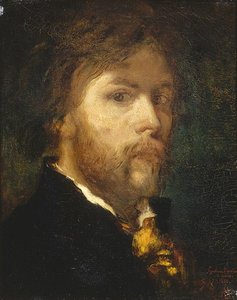
Gustave Moreau
1826 - 1898 , Frankreich
Kurzinfos
- Beeinflusste Künstler:
- Henri Matisse
- Georges Rouault
- Bemerkenswerte Werke:
- Salomé im Gefängnis
- Selbstporträt
- Jupiter und Semele
- Orpheus
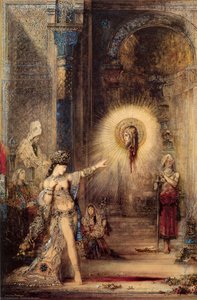
- Die Erscheinung
- Geburtsdatum: 6. April 1826
- Geburtsort: Paris, Frankreich
- Künstlerische Einflüsse:
- Eugène Delacroix
- Michelangelo
- Leonardo da Vinci
- Künstlerischer Stil: Symbolismus
- Nationalität: Französisch
- Sterbedatum: 1898
- Vollständiger Name: Gustave Moreau
Ähnliche Artikel

Gustav Klimt: Die 25 Meisterwerke des Wiener Jugendstils | ArtsDot
Entdecken Sie die 25 ikonischsten Gemälde von Gustav Klimt! Tauchen Sie ein in die Welt der Wiener Secession, des Jugendstils und der goldenen Phase. Hochwertige Reproduktionen & Inspiration für Ihr Zuhause auf ArtsDot.com.
Gustave Moreau: Der Enigmatische Visionär des Symbolismus und Wegbereiter moderner Fantasy-Kunst
Entdecken Sie das faszinierende Werk Gustave Moreaus, des wichtigsten Vertreters des Symbolismus! Analysen, Biografien und Einblicke in seine mythologischen Gemälde. Jetzt lesen!
Echoes of Olympus: Mythological Narratives in Western Art Through the Ages
Explore the captivating history of mythological narratives in Western art! From ancient Greece to modern masterpieces, discover iconic artworks & symbolism. Expert analysis and high-quality reproductions at ArtsDot.
Symbolismus in der Kunst: Die 10 Meisterwerke, die eine Ära prägten | ArtsDot
Entdecken Sie die 10 Meisterwerke des Symbolismus! Von Klimt bis Munch – erfahren Sie die Geschichten hinter ikonischen Gemälden, ihre Techniken & Bedeutung. Finden Sie Ihre perfekte Reproduktion auf ArtsDot.com.
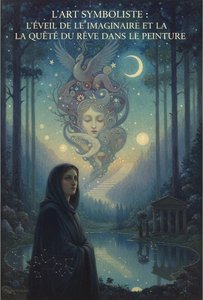
Beyond Reality: Exploring the Mystical Depths of Symbolist Painting (1880-1910)
Explore the captivating world of Symbolist painting (1880-1910). Discover key artists like Moreau & Klimt, decode iconic motifs, and understand its lasting impact on modern art. Expert analysis for collectors.