 Vorschau anzeigen
 Versenden
 Teilen
 Details anzeigen

 Herunterladen
 Ähnliche Objekte
 Röntgenaufnahme
 Diashow
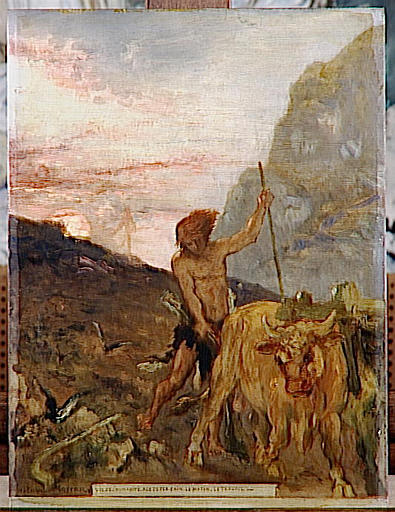
La Vie de l'Humanité l'Age de fer, Caïn. Le matin. Le Travail


 Weiterlesen
Giclée / Kunstdruck
Giclée- oder Leinwanddruck in Museumsqualität mit schneller Produktion und flexiblen Veredelungsoptionen. ( Handgemalte Reproduktion bestellen Bild kaufen)




P118B $10

P118H $10

P118W $10

P438Z $10

P508JH $12

P508YH $12

P805H $10

P805Z $10

P919BZ $10

P919G $10

P919XJ $10

P959ZH $10

P968JZ $12

W106C $8

W218G $10

W218JH $8

W218Y $10

W307PJ $10

W316G $10

W316PJ $8

W316Y $10

W398PJ $8

W4111J $10

W500HY $15

W500JH $15

W692G $12

W849H $8

W940BG $15

W953PJ $8




Wählen Sie aus unseren vordefinierten Formaten, die den ursprünglichen Proportionen des Kunstwerks entsprechen.

Sie können Ihre eigenen Maße eingeben, um ein bestimmtes Format oder einen speziellen Platz einzupassen. Wenn das von Ihnen gewählte Format nicht den Proportionen des Originalbildes entspricht, werden wir das Kunstwerk entweder beschneiden oder das Bild mit einem gespiegelten oder einfarbigen Rand erweitern. Ein digitaler Entwurf wird Ihnen zur Genehmigung zugesandt, bevor die Produktion beginnt.
Bitte beachten Sie, dass die Vorschau auf dem Bildschirm nicht den tatsächlichen Zuschnitt oder die Erweiterung widerspiegelt. Nur der Entwurf zeigt die endgültige Komposition präzise an.
Obwohl Sondermaße verfügbar sind, empfehlen wir die Auswahl eines Maßes aus der vordefinierten Liste, um die ursprünglichen Proportionen zu bewahren.
Weltweiter Versand () innerhalb von 2 Wochen statt der üblichen 4/5 Wochen. (31 August)

Kostenloser weltweiter Expressversand

Hochwertige Leinenleinwand

Umfassender Versicherungsschutz beim Versand

Zollgebühren-Rückerstattungsgarantie

Garantie für exakte Farbtreue

60 Tage Rückgaberecht (nur bei Mängeln)

100% Geld-zurück-Garantie

Mengenrabatt verfügbar
 Die Glasoption ist nur für Größen unter 110 cm verfügbar.

La Vie de l'Humanité l'Age de fer, Caïn. Le matin. Le Travail
Giclée / Kunstdruck
Format der Reproduktion
-


Gesamtpreis
$ 62
Gustave Moreau’s ‘La Vie de l'Humanité l’Age de Fer, Caïn. Le Matin. Le Travail’: A Symphony of Myth and Emotion
Gustave Moreau’s monumental canvas, “La Vie de l'Humanité l’Age de Fer, Caïn. Le Matin. Le Travail,” is a profoundly evocative work that plunges the viewer into the heart of ancient myth and the enduring struggle of human labor. Painted in 1887, this piece exemplifies Moreau’s pivotal role as a leading figure within the Symbolist movement, a reaction against the perceived superficiality of Realism and Impressionism. More than simply depicting a scene, Moreau sought to translate subjective experience—the weight of toil, the grandeur of heroic endeavor—into a powerfully symbolic visual language. The painting's dramatic composition immediately commands attention: a colossal male figure, undoubtedly Hercules, stands poised amidst a turbulent landscape, interacting with an ox – a creature intrinsically linked to labor and struggle. This isn’t a celebration of brute strength; rather, it’s a meditation on the human condition, rendered with a Romantic sensibility that prioritizes emotional intensity and idealized forms.
- Subject Matter: The scene draws directly from classical mythology, specifically the story of Hercules' labors. The inclusion of Caïn (the biblical figure) adds another layer of complexity, suggesting themes of guilt, punishment, and redemption.
- Style & Technique: Moreau’s style is characterized by a deliberate departure from naturalism. He employs flattened perspective, reminiscent of classical antiquity, but infuses it with a dynamic energy that anticipates the later Expressionist movement. The impasto technique—thickly applied paint—creates a tactile surface, emphasizing the physicality of the figures and the ruggedness of the landscape.
Decoding the Symbolism: Myth, Labor, and the Human Psyche
The painting’s symbolism is rich and layered. The muscular figure of Hercules represents not just physical strength but also heroic virtue and the burden of responsibility. The ox, a symbol of toil and hardship, underscores the theme of labor – a central preoccupation in Moreau's work. The dramatic landscape—mountains shrouded in mist, a turbulent sky hinting at an impending storm—serves as a metaphorical representation of the challenges and uncertainties inherent in human existence. Moreau wasn’t interested in literal depiction; he aimed to evoke emotional responses through carefully chosen symbols. The color palette – dominated by earthy tones punctuated by cooler blues and pinks – further enhances this effect, creating a sense of both grandeur and melancholy.
A Window into the Symbolist Movement
Moreau’s work is inextricably linked to the broader context of the Symbolist movement, which flourished in late 19th-century Paris. Rejecting the objective observation championed by Realism and Impressionism, Symbolists sought to access deeper truths through subjective experience and symbolism. Moreau's meticulous attention to detail—the rough texture of the paint, the directional lines guiding the viewer’s eye—reflects a desire to create an immersive, emotionally resonant artwork. His use of classical motifs – Hercules, Caïn – demonstrates his engagement with Western artistic tradition while simultaneously forging a new path for modern art.
Emotional Impact and Artistic Legacy
"La Vie de l'Humanité l’Age de Fer, Caïn. Le Matin. Le Travail" possesses a haunting beauty that continues to captivate viewers today. Moreau’s masterful use of light and shadow, combined with his profound understanding of human psychology, creates an image that is both powerful and deeply moving. This painting stands as a testament to Moreau's artistic vision—a visionary exploration of myth, emotion, and the enduring challenges faced by humankind. Its legacy endures as a cornerstone of Symbolist art and a compelling example of Gustave Moreau’s unique ability to transform historical narratives into timeless works of emotional intensity.
Ähnliche Kunstwerke


Über den Künstler
**frühes Leben und Ausbildung**
Gustav Moreau, ein französischer Künstler, wurde am 6. April 1826 in Paris geboren. Er erhielt eine traditionelle akademische Ausbildung in der Malerei an der École des Beaux-Arts und zeigte von frühester Kindheit eine Begabung für Zeichnen.**Die Symbolismusbewegung**
Moreaus Werk, das durch allegorische und mythologische Themen geprägt ist, machte ihn zu einem führenden Symbolistenmaler, insbesondere in den 1890er Jahren. Seine Kunst (und der Symbolismus im Allgemeinen) verlor an Beliebtheit, wurde aber seit den 1960er Jahren neu bewertet und Moreau gilt heute als einer der wichtigsten Symbolistenmaler.**Bekannte Werke und Ausstellungen**
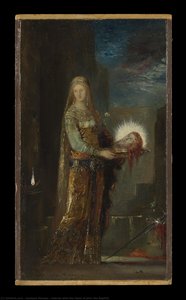
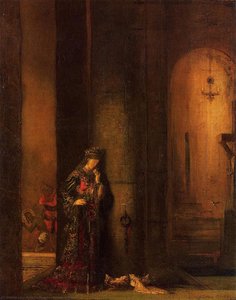
* Salomé im Gefängnis (Gemälde von 'Gustav Moreau') ist ein bemerkenswertes Beispiel für seine Arbeit und zeigt seine Meisterschaft im Symbolismus. * Das Selbstporträt (Gemälde von 'Gustav Moreau') ist eine weitere kraftvolle Darstellung des Künstlers selbst.**Musée Gustave Moreau**
Das Nationalmuseum Gustave Moreau (Musée Gustave Moreau Paris, Frankreich) in Paris ist dem Werk Moreaus gewidmet und beherbergt über 1.200 Gemälde, Aquarelle und Zeichnungen. Das Museum ist ein Zeugnis seines künstlerischen Erbes.**Vermächtnis und Einfluss**
Moreaus Einfluss auf die Symbolismusbewegung ist unbestreitbar. Er lehrte an der École des Beaux-Arts und beeinflusste namhafte Künstler wie Henri Matisse und Georges Rouault. Seine zurückgezogene Art hat seinen Einfluss auf die Kunstwelt nicht gemindert.- Entdecken Sie mehr über das Leben und Werk von Gustav Moreau auf ArtsDot.com
- Erkunden Sie das Nationalmuseum Gustave Moreau und seine beeindruckende Sammlung von Kunstwerken auf Musée Gustave Moreau Paris, Frankreich
- Erfahren Sie mehr über die Symbolismusbewegung und ihre Bedeutung für die Kunstgeschichte auf die Symbolismus-Kunstbewegung
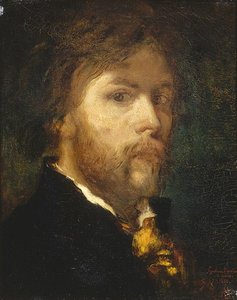
Gustave Moreau
1826 - 1898 , Frankreich
Kurzinfos
- Beeinflusste Künstler:
- Henri Matisse
- Georges Rouault
- Bemerkenswerte Werke:
- Salomé im Gefängnis
- Selbstporträt
- Jupiter und Semele
- Orpheus
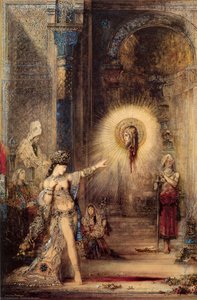
- Die Erscheinung
- Geburtsdatum: 6. April 1826
- Geburtsort: Paris, Frankreich
- Künstlerische Einflüsse:
- Eugène Delacroix
- Michelangelo
- Leonardo da Vinci
- Künstlerischer Stil: Symbolismus
- Nationalität: Französisch
- Sterbedatum: 1898
- Vollständiger Name: Gustave Moreau
Ähnliche Artikel

Gustav Klimt: Die 25 Meisterwerke des Wiener Jugendstils | ArtsDot
Entdecken Sie die 25 ikonischsten Gemälde von Gustav Klimt! Tauchen Sie ein in die Welt der Wiener Secession, des Jugendstils und der goldenen Phase. Hochwertige Reproduktionen & Inspiration für Ihr Zuhause auf ArtsDot.com.
Gustave Moreau: Der Enigmatische Visionär des Symbolismus und Wegbereiter moderner Fantasy-Kunst
Entdecken Sie das faszinierende Werk Gustave Moreaus, des wichtigsten Vertreters des Symbolismus! Analysen, Biografien und Einblicke in seine mythologischen Gemälde. Jetzt lesen!
Romantic Realism's Finest: 10 Masterpieces for Your Home | ArtsDot
Explore 10 defining masterpieces of Romantic Realism! Discover Courbet, Millet & Daumier's powerful paintings—capturing emotion and social realities. Find museum-quality reproductions for your home at ArtsDot.com.
Symbolism & the Subconscious: How 19th-Century Artists Painted Dreams and Emotion
Explore the evocative world of 19th-century Symbolism. Discover how masters like Gustave Moreau used dreams, myth, and metaphor to paint the subconscious, moving beyond realism to capture profound human emotion and spiritual truth.
Symbolismus in der Kunst: Die 10 Meisterwerke, die eine Ära prägten | ArtsDot
Entdecken Sie die 10 Meisterwerke des Symbolismus! Von Klimt bis Munch – erfahren Sie die Geschichten hinter ikonischen Gemälden, ihre Techniken & Bedeutung. Finden Sie Ihre perfekte Reproduktion auf ArtsDot.com.