

 Vorschau anzeigen
 Versenden
 Teilen
 Details anzeigen

 Herunterladen
 Ähnliche Objekte
 Röntgenaufnahme
 Diashow
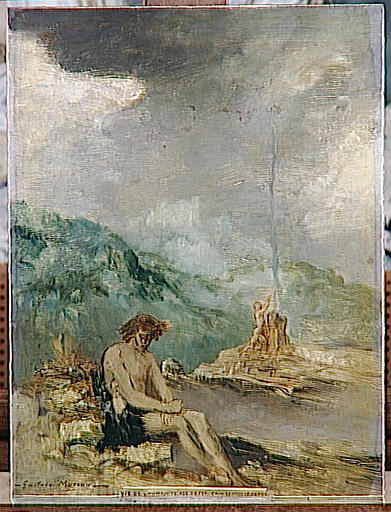
La Vie de l'Humanité l'Age de fer, Caïn. Le Midi. Le Repos


 Weiterlesen
Erwerben Sie ein hochauflösendes, optimiertes digitales Bild, das der Online-Vorschau weit überlegen ist.
Jede Datei wird von unseren hauseigenen Spezialisten mit modernsten Werkzeugen und fachmännischer manueller Retusche sorgfältig vorbereitet. Wir stellen sicher, dass jedes Bild eine außergewöhnliche Klarheit, präzise Farbgenauigkeit und feinste Details aufweist.
Die endgültige Datei wird innerhalb von 72 Stunden per E-Mail zugestellt und ist für den sofortigen Einsatz in professionellen, redaktionellen und Druckumgebungen optimiert. Es handelt sich um dieselbe Qualität, der führende Designstudios, Verlage und Galerien vertrauen.
Digitales Bild
Laden Sie eine hochauflösende Datei für die persönliche Präsentation, den Druck und kreative Projekte herunter. ( Druck bestellen Handgemalte Reproduktion bestellen)
In jeder Bestellung digitaler Bilder enthalten
Professionelle digitale Bereitstellung, garantiert
Wenn Sie sich für ArtsDot.com entscheiden, erhalten Sie nicht nur ein Bild – Sie erhalten ein professionell aufbereitetes digitales Kunstwerk, das mit höchster Präzision erstellt und durch eine Zufriedenheitsgarantie abgesichert wird. Hier ist alles, was automatisch mit Ihrer Bestellung geliefert wird:

Schnelle E-Mail-Zustellung
Ihre hochauflösende digitale Bilddatei wird Ihnen innerhalb von 72 Stunden nach der Bestellung per E-Mail zugestellt – bereit zur sofortigen Verwendung.

KI-optimierte digitale Datei
Ihre Kunstwerke werden professionell mithilfe fortschrittlicher KI-Tools und manueller Bearbeitung optimiert, um maximale Detailtreue, Klarheit und Farbgenauigkeit zu gewährleisten.

Lebenslanger kostenloser Neudruckservice
Datei versehentlich gelöscht oder verloren? Keine Sorge – wir senden sie Ihnen jederzeit kostenlos erneut zu.

Keine Einfuhrgebühren – jemals
Genießen Sie Ihr Kunstwerk sofort ohne Zollgebühren, Einfuhrabgaben oder Versandkosten – digitale Downloads sind immer steuerfrei.

Garantierte Farbtreue
Wir garantieren, dass Ihr digitales Bild mithilfe professioneller Werkzeuge und Farbmanagement die Originalfarben so präzise wie möglich wiedergibt.

60-Tage-Zufriedenheitsgarantie
Sollten Sie mit Ihrem digitalen Bild nicht zufrieden sein, werden wir es überarbeiten oder Ihnen innerhalb von 60 Tagen 100% erstatten – ohne Wenn und Aber.

100% Geld-zurück-Garantie
Nicht zufrieden? Erhalten Sie innerhalb von 60 Tagen nach Erhalt Ihrer digitalen Datei eine vollständige Rückerstattung – ohne Angabe von Gründen.

Rabatte bei Großbestellungen
3 Bilder kaufen, 10% sparen – 5 Bilder kaufen, 15% sparen – Ab 10 Bildern 20% sparen. Ideal für kreative Projekte, Galerien und Agenturen.
A Meditation on Isolation Amidst Turbulent Beauty
Moreau’s “La Vie de l'Humanité l’Age de fer, Caïn. Le Midi.” isn’t merely a depiction of a landscape; it’s an embodiment of Romantic contemplation—a profound exploration into the human condition filtered through the lens of Symbolist aesthetics. Painted circa 1875-76, this monumental oil on canvas captures a solitary male figure perched upon a weathered rock face overlooking a dramatic vista dominated by jagged mountains and swirling mist. The scene immediately resonates with an atmosphere of melancholy and introspection, mirroring Moreau’s own artistic preoccupation with psychological depth and spiritual resonance.Style and Technique: Impressionistic Echoes Within Symbolism
While superficially reminiscent of Impressionist techniques—particularly in its atmospheric perspective and loose brushwork—Moreau deliberately eschewed the pursuit of optical realism. Instead, he prioritized conveying emotion and suggestion over precise representation. The thick impasto applied to the rock surface and around the central figure isn’t simply textural; it serves as a conduit for channeling inner turmoil and amplifying the painting's expressive power. Visible brushstrokes dance across the canvas, creating movement and dynamism that contrasts sharply with the stillness of the seated man—a deliberate juxtaposition designed to heighten the viewer’s experience. The artist skillfully utilizes color palettes dominated by cool blues and greens, reflecting the subdued light of midday, yet punctuated by warmer hues in the distant peaks, hinting at an underlying tension between serenity and struggle.Historical Context: Embracing Romantic Ideals
Moreau's work emerged during a pivotal moment in European art history—the waning years of Romanticism. Artists like Wordsworth and Coleridge had championed imagination and emotion as paramount to artistic expression, rejecting the rational constraints of Enlightenment thought. Moreau wholeheartedly embraced these ideals, drawing inspiration from mythology and folklore—specifically referencing the biblical tale of Cain and Abel—to imbue his canvases with symbolic narratives that delve into themes of guilt, innocence, and the confrontation between humanity and divine judgment. The painting speaks to a broader preoccupation with confronting existential anxieties and grappling with the complexities of human morality.Symbolism: Landscape as Mirror of Inner Psyche
The desolate landscape itself functions as a powerful metaphor for the human psyche—a representation of inner turmoil mirroring the turbulent skies above. The solitary figure embodies introspection, representing humanity’s confrontation with its own vulnerabilities and limitations. Moreau's masterful use of color and texture isn’t accidental; it underscores the painting’s symbolic intent, inviting viewers to contemplate the profound relationship between nature and human consciousness. The rock face symbolizes resilience and steadfastness amidst adversity—a visual embodiment of inner fortitude.Emotional Impact: A Vision of Sublime Beauty
Ultimately, “La Vie de l'Humanité l’Age de fer, Caïn. Le Midi.” transcends mere visual representation; it aspires to evoke a visceral emotional response. The painting’s subdued palette and expressive brushwork capture the essence of Romantic melancholy—a feeling of profound sadness mingled with awe at the grandeur of the natural world. It compels contemplation on themes of isolation, morality, and the inescapable confrontation with mortality. Reproductions crafted by ArtsDot offer an opportunity to experience this sublime beauty firsthand, preserving Moreau’s artistic legacy for generations to come.Ähnliche Kunstwerke
Biografie des Künstlers
**frühes Leben und Ausbildung**
Gustav Moreau, ein französischer Künstler, wurde am 6. April 1826 in Paris geboren. Er erhielt eine traditionelle akademische Ausbildung in der Malerei an der École des Beaux-Arts und zeigte von frühester Kindheit eine Begabung für Zeichnen.**Die Symbolismusbewegung**
Moreaus Werk, das durch allegorische und mythologische Themen geprägt ist, machte ihn zu einem führenden Symbolistenmaler, insbesondere in den 1890er Jahren. Seine Kunst (und der Symbolismus im Allgemeinen) verlor an Beliebtheit, wurde aber seit den 1960er Jahren neu bewertet und Moreau gilt heute als einer der wichtigsten Symbolistenmaler.**Bekannte Werke und Ausstellungen**
* Salomé im Gefängnis (Gemälde von 'Gustav Moreau') ist ein bemerkenswertes Beispiel für seine Arbeit und zeigt seine Meisterschaft im Symbolismus. * Das Selbstporträt (Gemälde von 'Gustav Moreau') ist eine weitere kraftvolle Darstellung des Künstlers selbst.**Musée Gustave Moreau**
Das Nationalmuseum Gustave Moreau (Musée Gustave Moreau Paris, Frankreich) in Paris ist dem Werk Moreaus gewidmet und beherbergt über 1.200 Gemälde, Aquarelle und Zeichnungen. Das Museum ist ein Zeugnis seines künstlerischen Erbes.**Vermächtnis und Einfluss**
Moreaus Einfluss auf die Symbolismusbewegung ist unbestreitbar. Er lehrte an der École des Beaux-Arts und beeinflusste namhafte Künstler wie Henri Matisse und Georges Rouault. Seine zurückgezogene Art hat seinen Einfluss auf die Kunstwelt nicht gemindert.- Entdecken Sie mehr über das Leben und Werk von Gustav Moreau auf ArtsDot.com
- Erkunden Sie das Nationalmuseum Gustave Moreau und seine beeindruckende Sammlung von Kunstwerken auf Musée Gustave Moreau Paris, Frankreich
- Erfahren Sie mehr über die Symbolismusbewegung und ihre Bedeutung für die Kunstgeschichte auf die Symbolismus-Kunstbewegung
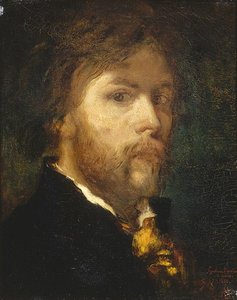
Gustave Moreau
1826 - 1898 , Frankreich
Kurzinfos
- Beeinflusste Künstler:
- Henri Matisse
- Georges Rouault
- Bemerkenswerte Werke:
- Salomé im Gefängnis
- Selbstporträt
- Jupiter und Semele
- Orpheus
- Die Erscheinung
- Geburtsdatum: 6. April 1826
- Geburtsort: Paris, Frankreich
- Künstlerische Einflüsse:
- Eugène Delacroix
- Michelangelo
- Leonardo da Vinci
- Künstlerischer Stil: Symbolismus
- Nationalität: Französisch
- Sterbedatum: 1898
- Vollständiger Name: Gustave Moreau

