 Vorschau anzeigen
 Versenden
 Teilen
 Details anzeigen

 Herunterladen
 Ähnliche Objekte
 Röntgenaufnahme
 Diashow
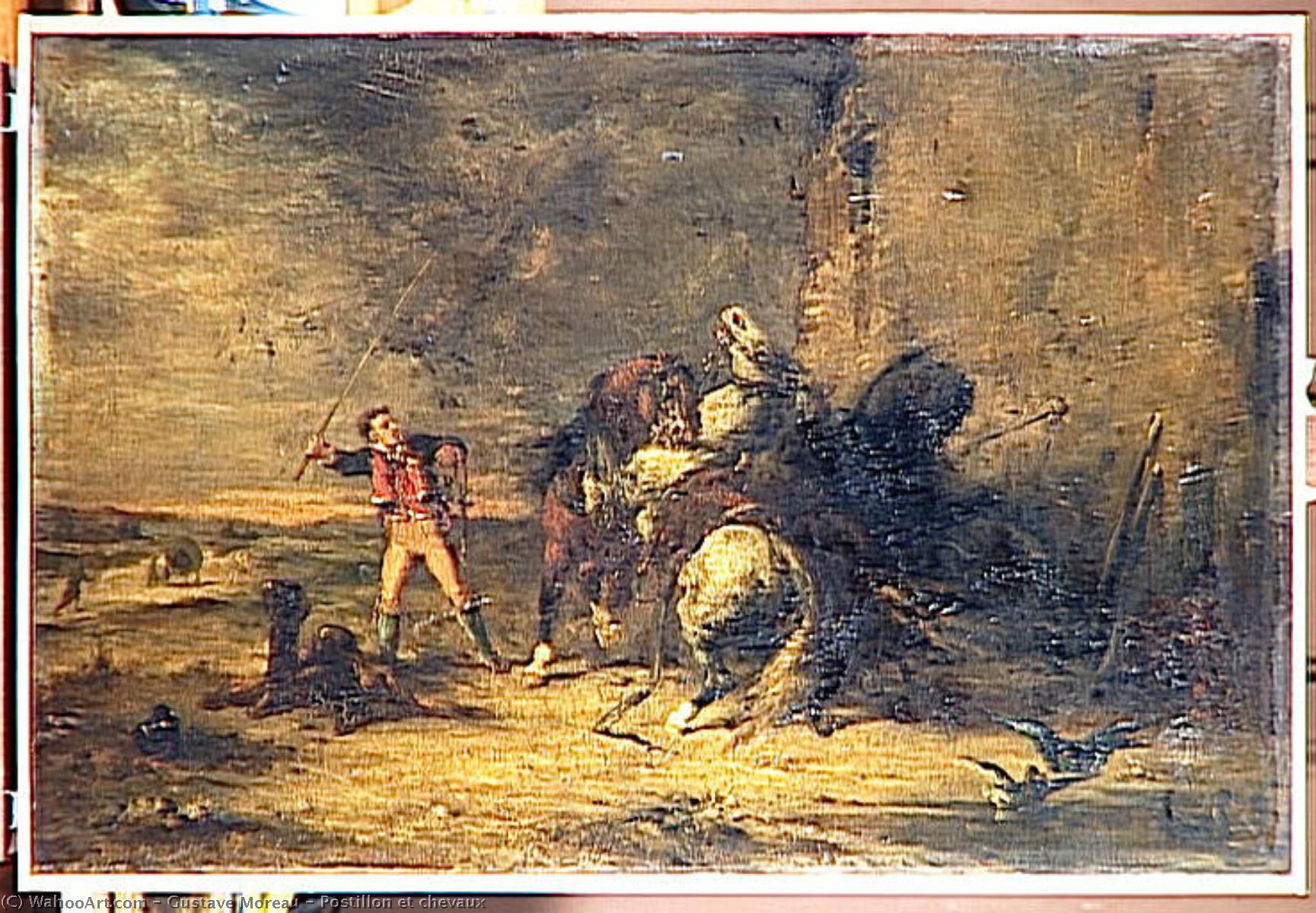
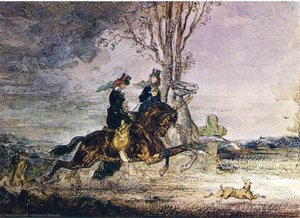
Postillon et chevaux


 Weiterlesen
Handgefertigte Ölreproduktion
Handgemaltes Ölgemälde auf Leinwand in Ihrer Wunschgröße und mit Rahmen, auf Bestellung von unseren Künstlern angefertigt. ( Druck bestellen Bild kaufen)




P118B $10

P118H $10

P118W $10

P438Z $10

P508JH $12

P508YH $12

P805H $10

P805Z $10

P919BZ $10

P919G $10

P919XJ $10

P959ZH $10

P968JZ $12

W106C $8

W218G $10

W218JH $8

W218Y $10

W307PJ $10

W316G $10

W316PJ $8

W316Y $10

W398PJ $8

W4111J $10

W500HY $15

W500JH $15

W692G $12

W849H $8

W940BG $15

W953PJ $8




Wählen Sie aus unseren vordefinierten Formaten, die den ursprünglichen Proportionen des Kunstwerks entsprechen.

Sie können Ihre eigenen Maße eingeben, um einen bestimmten Rahmen oder Platz auszufüllen. Wenn die gewählte Größe nicht den Proportionen des Originalbildes entspricht, werden wir das Kunstwerk entweder beschneiden oder das Gemälde durch zusätzliche, handgemalte Elemente erweitern. Ein digitales Mockup wird Ihnen zur Genehmigung zugesandt, bevor die Produktion beginnt.
Bitte beachten Sie, dass die Bildschirmvorschau nicht die tatsächliche Beschneidung oder Erweiterung widerspiegelt. Nur das Mockup zeigt die endgültige Komposition exakt an.
Obwohl Sondermaße verfügbar sind, empfehlen wir, eine Größe aus der vordefinierten Liste zu wählen, um die ursprünglichen Proportionen beizubehalten.
Nach der Bestellung wird das ArtsDot.com-Team dem Kunden Anweisungen per E-Mail zusenden und eine Mockup-Vorschau bereitstellen.
Weltweiter Versand () in nur 3 bis 4 Wochen statt der üblichen 5 Wochen. (24 August). Keine Kompromisse bei der Qualität.

Kostenloser weltweiter Expressversand

Hochwertige Leinenleinwand

Umfassender Versicherungsschutz beim Versand

Zollgebühren-Rückerstattungsgarantie

Garantie für exakte Farbtreue

60 Tage Rückgaberecht (nur bei Mängeln)

100% Geld-zurück-Garantie

Mengenrabatt verfügbar
 Die Glasoption ist nur für Größen unter 110 cm verfügbar.

Postillon et chevaux
Art der Reproduktion
Format der Reproduktion
-


Gesamtpreis
$ 263
Beschreibung des Kunstwerks
Gustave Moreau’s Dreamlike Vision of Myth and Power
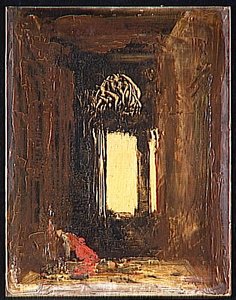
Moreau's "Postillon et chevaux" (Horse Rider and Horses) stands as a cornerstone of Symbolist painting, encapsulating the movement’s fascination with psychological depth and evocative imagery rather than literal representation. Painted around 1895, this monumental canvas—measuring approximately 247 x 183 cm—immediately draws the eye into a meticulously crafted tableau that transcends mere observation. It's not simply a depiction of a rural scene; it’s an invitation to delve into a realm where mythology intertwines with human emotion and where visual symbols carry profound spiritual significance.A Symphony of Color and Texture: Technique and Style
Moreau employed a masterful blend of oil paints, layering them in thick impasto—a technique characterized by prominent brushstrokes—to achieve remarkable textural richness. The dominant hues are muted browns, ochres, and reds, creating an atmosphere of subdued grandeur that contrasts sharply with the vibrant greens of the foliage. This deliberate choice of color palette isn’t accidental; it aligns perfectly with Symbolist aesthetics, prioritizing mood and emotion over accurate coloration. Moreau's meticulous attention to detail—evident in the rendering of horse musculature, rider posture, and the subtle nuances of light—demonstrates his unwavering commitment to capturing not just what he saw but also what he felt. The artist’s style is undeniably influenced by Byzantine iconography and decorative arts, reflecting a desire to evoke timeless beauty and spiritual contemplation.Historical Context: Symbolism's Quest for Inner Truth
The Symbolist movement emerged in France during the Belle Époque—a period marked by optimism alongside anxieties about societal change—as a reaction against Impressionism’s focus on capturing fleeting sensory impressions. Artists like Moreau rejected Naturalism’s pursuit of objective reality, arguing instead that art should explore the subconscious mind and grapple with universal themes of mortality, desire, and faith. “Postillon et chevaux” embodies this ethos by presenting a stylized figure—a horse rider—amidst a fantastical landscape populated by symbolic animals and plants. This deliberate distortion serves to elevate the image beyond the mundane, transforming it into a vehicle for conveying profound psychological states. Moreau’s work aligns with broader intellectual currents of his time, including Nietzschean philosophy and Wagnerian opera, which championed mythic narratives and explored the complexities of human experience.Symbolism Unleashed: Decoding Visual Language
The painting's symbolism is multilayered and deliberately ambiguous. The horse rider himself represents authority and nobility, yet he’s positioned in a desolate environment—a visual metaphor for spiritual isolation. The three horses symbolize strength, fertility, and dominion, mirroring the biblical imagery of Adam and Eve banished from Paradise. Furthermore, the dogs flanking the scene could represent vigilance and guardianship, guarding against evil influences. Moreau skillfully employs these symbols to create an emotionally resonant experience for the viewer, prompting contemplation on themes of heroism, vulnerability, and the eternal struggle between darkness and light.Emotional Resonance: A Legacy of Dreamlike Beauty
“Postillon et chevaux” continues to captivate audiences today with its haunting beauty and evocative atmosphere. Moreau’s ability to distill complex psychological ideas into a visually arresting composition speaks to the enduring power of Symbolist art—a testament to its capacity to transcend time and inspire viewers with its profound meditations on human existence. Its reproduction offers an opportunity to bring this masterpiece into any interior space, fostering contemplation and enriching one's appreciation for artistic vision that prioritizes emotion and symbolism above all else.Ähnliche Kunstwerke

Über den Künstler
**frühes Leben und Ausbildung**
Gustav Moreau, ein französischer Künstler, wurde am 6. April 1826 in Paris geboren. Er erhielt eine traditionelle akademische Ausbildung in der Malerei an der École des Beaux-Arts und zeigte von frühester Kindheit eine Begabung für Zeichnen.**Die Symbolismusbewegung**
Moreaus Werk, das durch allegorische und mythologische Themen geprägt ist, machte ihn zu einem führenden Symbolistenmaler, insbesondere in den 1890er Jahren. Seine Kunst (und der Symbolismus im Allgemeinen) verlor an Beliebtheit, wurde aber seit den 1960er Jahren neu bewertet und Moreau gilt heute als einer der wichtigsten Symbolistenmaler.**Bekannte Werke und Ausstellungen**
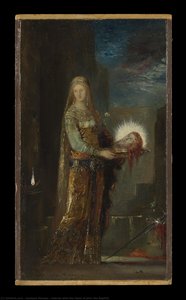
* Salomé im Gefängnis (Gemälde von 'Gustav Moreau') ist ein bemerkenswertes Beispiel für seine Arbeit und zeigt seine Meisterschaft im Symbolismus. * Das Selbstporträt (Gemälde von 'Gustav Moreau') ist eine weitere kraftvolle Darstellung des Künstlers selbst.**Musée Gustave Moreau**
Das Nationalmuseum Gustave Moreau (Musée Gustave Moreau Paris, Frankreich) in Paris ist dem Werk Moreaus gewidmet und beherbergt über 1.200 Gemälde, Aquarelle und Zeichnungen. Das Museum ist ein Zeugnis seines künstlerischen Erbes.**Vermächtnis und Einfluss**
Moreaus Einfluss auf die Symbolismusbewegung ist unbestreitbar. Er lehrte an der École des Beaux-Arts und beeinflusste namhafte Künstler wie Henri Matisse und Georges Rouault. Seine zurückgezogene Art hat seinen Einfluss auf die Kunstwelt nicht gemindert.- Entdecken Sie mehr über das Leben und Werk von Gustav Moreau auf ArtsDot.com
- Erkunden Sie das Nationalmuseum Gustave Moreau und seine beeindruckende Sammlung von Kunstwerken auf Musée Gustave Moreau Paris, Frankreich
- Erfahren Sie mehr über die Symbolismusbewegung und ihre Bedeutung für die Kunstgeschichte auf die Symbolismus-Kunstbewegung
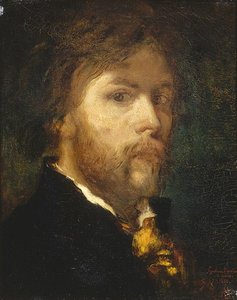
Gustave Moreau
1826 - 1898 , Frankreich
Kurzinfos
- Beeinflusste Künstler:
- Henri Matisse
- Georges Rouault
- Bemerkenswerte Werke:
- Salomé im Gefängnis
- Selbstporträt
- Jupiter und Semele
- Orpheus
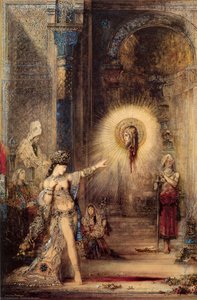
- Die Erscheinung
- Geburtsdatum: 6. April 1826
- Geburtsort: Paris, Frankreich
- Künstlerische Einflüsse:
- Eugène Delacroix
- Michelangelo
- Leonardo da Vinci
- Künstlerischer Stil: Symbolismus
- Nationalität: Französisch
- Sterbedatum: 1898
- Vollständiger Name: Gustave Moreau
Ähnliche Artikel
Gustave Moreau: Der Enigmatische Visionär des Symbolismus und Wegbereiter moderner Fantasy-Kunst
Entdecken Sie das faszinierende Werk Gustave Moreaus, des wichtigsten Vertreters des Symbolismus! Analysen, Biografien und Einblicke in seine mythologischen Gemälde. Jetzt lesen!
Die Rückkehr des Freskos: Wandgemälde als Luxusstatement für exklusive Innenräume
Entdecken Sie die Welt der Wandgemälde! Exklusive Designs für Hotels & Wohnräume. Expertenberatung, hochwertige Materialien & individuelle Kunstprojekte – Ihr Partner für einzigartige Raumgestaltung.
The Noble Steed on Canvas: A Historical & Artistic Exploration of Horse Painting Across Cultures
Explore the rich history of horse painting! Discover masterpieces from Stubbs to Munnings & learn about symbolism, techniques & artists. Find museum-quality reproductions at ArtsDot.
The Equine Muse: A Historical & Artistic Exploration of Horses in Painting
Explore the captivating history of horses in painting! Discover Renaissance masterpieces, Baroque grandeur & expert insights for collecting equestrian art. Learn about symbolism, techniques & lasting value with ArtsDot.
Transforming Spaces: A Comprehensive Exploration of Wall Decor Through Art History & Contemporary Practice
Explore the art of transforming spaces with our comprehensive guide to wall decor. From historical movements to contemporary trends, discover how to curate impactful interiors and commission bespoke artwork for a truly personalized aesthetic.