

 Vorschau anzeigen
 Versenden
 Teilen
 Details anzeigen

 Herunterladen
 Ähnliche Objekte
 Röntgenaufnahme
 Diashow
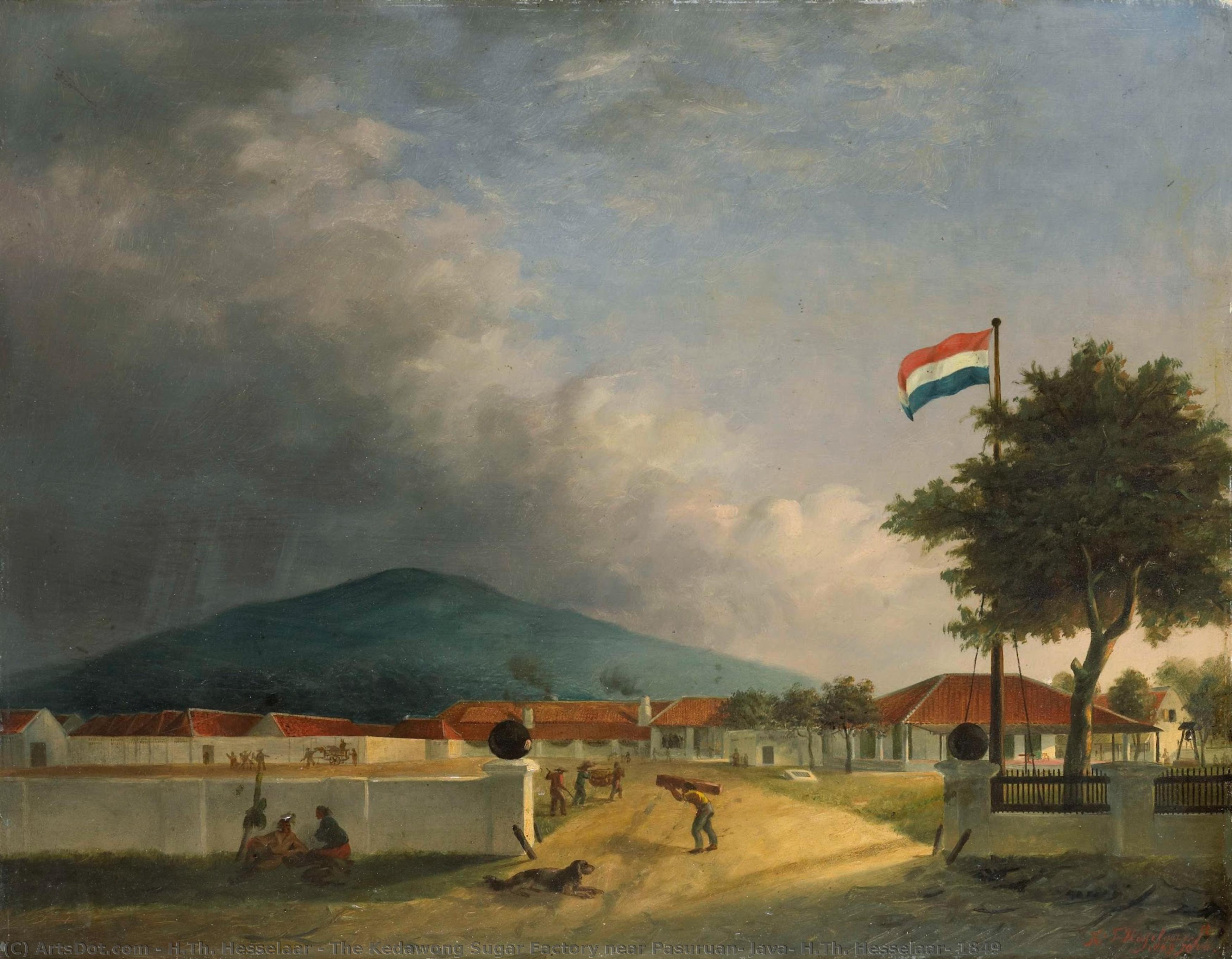
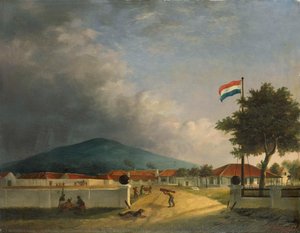
The Kedawong Sugar Factory near Pasuruan, Java, H.Th. Hesselaar, 1849
 1849
1849 43.0 x 54.0 cm
 Weiterlesen
Erwerben Sie ein hochauflösendes, optimiertes digitales Bild, das der Online-Vorschau weit überlegen ist.
Jede Datei wird von unseren hauseigenen Spezialisten mit modernsten Werkzeugen und fachmännischer manueller Retusche sorgfältig vorbereitet. Wir stellen sicher, dass jedes Bild eine außergewöhnliche Klarheit, präzise Farbgenauigkeit und feinste Details aufweist.
Die endgültige Datei wird innerhalb von 72 Stunden per E-Mail zugestellt und ist für den sofortigen Einsatz in professionellen, redaktionellen und Druckumgebungen optimiert. Es handelt sich um dieselbe Qualität, der führende Designstudios, Verlage und Galerien vertrauen.
Digitales Bild
Laden Sie eine hochauflösende Datei für die persönliche Präsentation, den Druck und kreative Projekte herunter. ( Druck bestellen Handgemalte Reproduktion bestellen)
In jeder Bestellung digitaler Bilder enthalten
Professionelle digitale Bereitstellung, garantiert
Wenn Sie sich für ArtsDot.com entscheiden, erhalten Sie nicht nur ein Bild – Sie erhalten ein professionell aufbereitetes digitales Kunstwerk, das mit höchster Präzision erstellt und durch eine Zufriedenheitsgarantie abgesichert wird. Hier ist alles, was automatisch mit Ihrer Bestellung geliefert wird:

Schnelle E-Mail-Zustellung
Ihre hochauflösende digitale Bilddatei wird Ihnen innerhalb von 72 Stunden nach der Bestellung per E-Mail zugestellt – bereit zur sofortigen Verwendung.

KI-optimierte digitale Datei
Ihre Kunstwerke werden professionell mithilfe fortschrittlicher KI-Tools und manueller Bearbeitung optimiert, um maximale Detailtreue, Klarheit und Farbgenauigkeit zu gewährleisten.

Lebenslanger kostenloser Neudruckservice
Datei versehentlich gelöscht oder verloren? Keine Sorge – wir senden sie Ihnen jederzeit kostenlos erneut zu.

Keine Einfuhrgebühren – jemals
Genießen Sie Ihr Kunstwerk sofort ohne Zollgebühren, Einfuhrabgaben oder Versandkosten – digitale Downloads sind immer steuerfrei.

Garantierte Farbtreue
Wir garantieren, dass Ihr digitales Bild mithilfe professioneller Werkzeuge und Farbmanagement die Originalfarben so präzise wie möglich wiedergibt.

100-Tage-Zufriedenheitsgarantie
Sollten Sie mit Ihrem digitalen Bild nicht zufrieden sein, werden wir es überarbeiten oder Ihnen innerhalb von 100 Tagen 100% erstatten – ohne Wenn und Aber.

100% Geld-zurück-Garantie
Nicht zufrieden? Erhalten Sie innerhalb von 100 Tagen nach Erhalt Ihrer digitalen Datei eine vollständige Rückerstattung – ohne Angabe von Gründen.

Rabatte bei Großbestellungen
3 Bilder kaufen, 10% sparen – 5 Bilder kaufen, 15% sparen – Ab 10 Bildern 20% sparen. Ideal für kreative Projekte, Galerien und Agenturen.
Ähnliche Kunstwerke







Biografie des Künstlers
The Dutch Visionary of Javanese Industry: H.Th. Hesselaar
Hendrik Thijmen Hesselaar, often known as H.Th. Hesselaar, remains a fascinating yet relatively obscure figure in the history of 19th-century art and colonial representation. Born in the Netherlands, his artistic legacy is inextricably linked to his time spent on Java, then part of the Dutch East Indies. While biographical details surrounding his early life are scarce, it’s clear that Hesselaar possessed a keen eye for detail and a talent for capturing the burgeoning industrial landscape unfolding within the island nation. He wasn't merely documenting scenes; he was offering a unique perspective on the intersection of European enterprise and Javanese life—a viewpoint shaped by both observation and participation in the colonial project.A Witness to Transformation: Hesselaar’s Artistic Focus
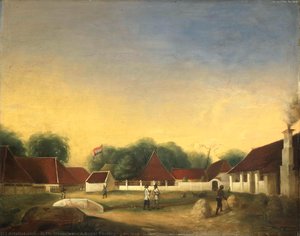
Hesselaar’s artistic output centers almost entirely around depictions of sugar factories on Java during the 1840s. This singular focus is telling. The sugar industry was, at this time, a cornerstone of the Dutch colonial economy, and these factories represented not just economic power but also a significant transformation of the Javanese landscape and social structure. Unlike many artists who focused on romanticized depictions of native cultures or sweeping landscapes, Hesselaar chose to portray the mechanics of production—the steam engines, the milling processes, the laborers at work. His paintings, such as “A Sugar Factory (?) on Java” (1849) and “The Kedawong Sugar Factory near Pasuruan, Java” (1849), are meticulously rendered, almost topographical in their precision. They reveal a fascination with the technology itself, but also subtly acknowledge the human element driving these operations. The scale of his works often emphasizes the factories’ dominance over the surrounding environment, hinting at the profound impact of colonial industry on the island's ecology and traditional ways of life.Technique and Style: Realism and Colonial Perspective
Hesselaar’s style is firmly rooted in realism, a prevalent artistic movement of the mid-19th century. However, his realism isn’t simply about accurate representation; it's imbued with a distinctly colonial sensibility. His paintings lack the dramatic flair or emotional intensity often found in Romantic art. Instead, they present a detached, almost clinical observation. The light is typically clear and bright, illuminating every detail of the machinery and architecture. This clarity can be interpreted as an attempt to convey a sense of order and control—a visual assertion of European rationality imposed upon a foreign landscape. While he depicts Javanese workers in his scenes, they are often presented as part of the industrial process rather than as individuals with their own agency or stories. This is not necessarily indicative of malice on Hesselaar’s part, but rather reflects the prevailing attitudes and power dynamics of the colonial era.Historical Significance: Documenting a Colonial Economy
The importance of Hesselaar's work lies in its unique documentation of a specific moment in colonial history. His paintings offer valuable insights into the infrastructure and operations of the Javanese sugar industry, providing a visual record that complements historical accounts. They are not simply aesthetic objects; they are artifacts of a complex economic and political system. Furthermore, Hesselaar’s work challenges traditional narratives about colonial art. While many artists focused on exoticism or idealized landscapes, he chose to depict the less glamorous aspects of colonialism—the factories, the labor, the environmental impact. This makes his paintings particularly relevant today, as scholars and audiences grapple with the legacies of colonialism and its representation in art. His works serve as a reminder that even seemingly objective depictions can be imbued with power dynamics and ideological assumptions.Legacy and Rediscovery
Despite their historical significance, Hesselaar’s paintings remained relatively unknown for many years. In recent decades, however, there has been growing interest in his work, fueled by a broader re-evaluation of colonial art and history. His paintings are now held in various collections, including those of the Rijksmuseum and other institutions dedicated to Dutch colonial heritage.- His works provide a crucial visual counterpoint to romanticized depictions of Java.
- They offer valuable insights into the economic infrastructure of the Dutch East Indies.
- Hesselaar’s paintings prompt critical reflection on the power dynamics inherent in colonial representation.
Kurzinfos
- Date Of Death: Living
- Full Name: H.Th. Hesselaar
- Notable Artworks:
- A Sugar Factory on Java
- The Kedawong Sugar Factory