

 Vorschau anzeigen
 Versenden
 Teilen
 Details anzeigen

 Herunterladen
 Ähnliche Objekte
 Röntgenaufnahme
 Diashow
 Statistiken
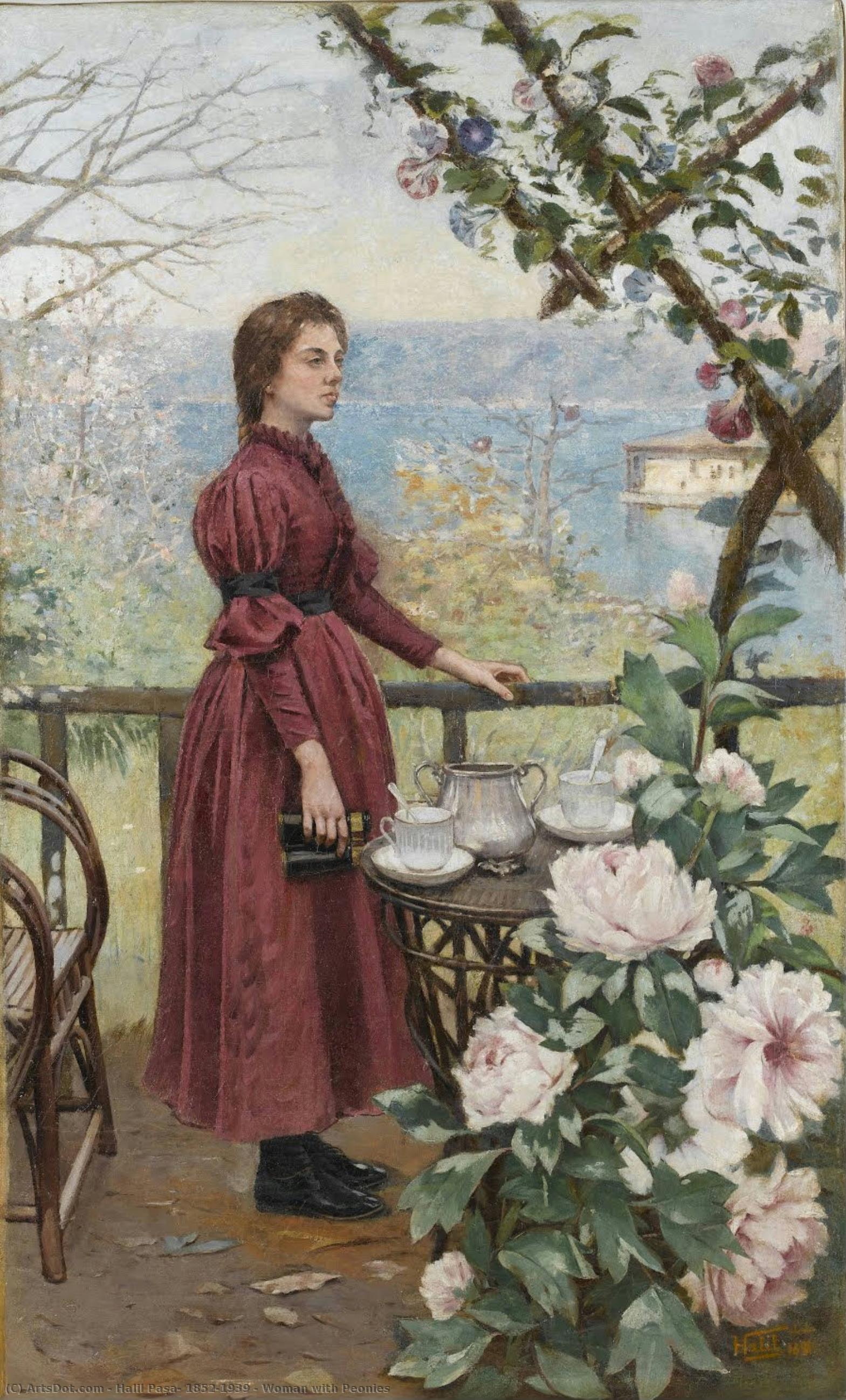
Woman with Peonies
 Oil
Oil- WallArt
- Impressionism
 1898
1898- 19th Century
 119.0 x 72.0 cm
 Sakıp Sabancı Müzesi
 Weiterlesen
Handgefertigte Ölreproduktion
Handgemaltes Ölgemälde auf Leinwand in Ihrer Wunschgröße und mit Rahmen, auf Bestellung von unseren Künstlern angefertigt. ( Zu Druck wechseln Zum digitalen Bild wechseln)




P118B $10

P118H $10

P118W $10

P438Z $10

P508JH $12

P508YH $12

P805H $10

P805Z $10

P919BZ $10

P919G $10

P919XJ $10

P959ZH $10

P968JZ $12

W106C $8

W218G $10

W218JH $8

W218Y $10

W307PJ $10

W316G $10

W316PJ $8

W316Y $10

W398PJ $8

W4111J $10

W500HY $15

W500JH $15

W692G $12

W849H $8

W940BG $15

W953PJ $8




Wählen Sie aus unseren vordefinierten Formaten, die den ursprünglichen Proportionen des Kunstwerks entsprechen.

Sie können Ihre eigenen Maße eingeben, um einen bestimmten Rahmen oder Platz auszufüllen. Wenn die gewählte Größe nicht den Proportionen des Originalbildes entspricht, werden wir das Kunstwerk entweder beschneiden oder das Gemälde durch zusätzliche, handgemalte Elemente erweitern. Ein digitales Mockup wird Ihnen zur Genehmigung zugesandt, bevor die Produktion beginnt.
Bitte beachten Sie, dass die Bildschirmvorschau nicht die tatsächliche Beschneidung oder Erweiterung widerspiegelt. Nur das Mockup zeigt die endgültige Komposition exakt an.
Obwohl Sondermaße verfügbar sind, empfehlen wir, eine Größe aus der vordefinierten Liste zu wählen, um die ursprünglichen Proportionen beizubehalten.
Nach der Bestellung wird das ArtsDot.com-Team dem Kunden Anweisungen per E-Mail zusenden und eine Mockup-Vorschau bereitstellen.
Weltweiter Versand () in nur 3 bis 4 Wochen statt der üblichen 5 Wochen. (10 September). Keine Kompromisse bei der Qualität.

Kostenloser weltweiter Expressversand

Hochwertige Leinenleinwand

Umfassender Versicherungsschutz beim Versand

Zollgebühren-Rückerstattungsgarantie

Garantie für exakte Farbtreue

100-Tage-Rückgaberecht (nur bei Mängeln)

100% Geld-zurück-Garantie

Mengenrabatt verfügbar
 Die Glasoption ist nur für Größen unter 110 cm verfügbar.

Woman with Peonies
Art der Reproduktion
Format der Reproduktion
-


Gesamtpreis
$ 263
A Moment of Serenity: The Elegance of Halil Paşa
In the quietude of an afternoon by the water, Halil Paşa captures a scene that transcends mere portraiture to become a meditation on peace and refinement. His 1898 masterpiece, Woman with Peonies, invites the viewer into a lush, idyllic world where the boundaries between nature and domestic grace dissolve. The subject, draped in a striking red dress that commands the eye, stands upon a sun-drenched porch, her presence anchored by the gentle ritual of tea or coffee. As she holds her cup and spoon, there is a profound sense of stillness; she is not merely a figure in a landscape, but an integral part of a harmonious ecosystem of flowers, furniture, and distant horizons.
The painting serves as a breathtaking window into the late 19th-century aesthetic, blending the structured elegance of European academic traditions with the soulful, atmospheric light characteristic of the Ottoman era. The artist’s ability to render the delicate textures of the surrounding peonies—their soft, layered petals contrasting against the solid wood of the porch and the distant, shimmering water—demonstrates a masterful command of light and shadow. For the collector or interior designer, this piece offers more than just visual beauty; it provides a focal point of warmth and sophistication, capable of anchoring a room with its rich color palette and tranquil narrative.
Technique and the Art of Atmosphere
Halil Paşa’s technical prowess is most evident in his treatment of light and the interplay between the foreground and the background. The composition is expertly balanced, using the placement of chairs and a dining table to guide the viewer's gaze from the intimate details of the woman's hands toward the expansive view of the water. This depth creates an immersive experience, making the porch feel like a real, reachable space. The brushwork, while precise enough to capture the intricate details of the garden, possesses a fluid quality that allows the light to dance across the surface of the painting, evoking the humid, fragrant air of a summer day.
The choice of a vibrant red for the woman's attire is a brilliant compositional stroke. It acts as a visual heartbeat within the verdant greens and soft floral hues of the garden, ensuring that the human element remains the soul of the work. This splash of color against the more muted, natural tones of the landscape creates a dynamic tension that keeps the eye moving, discovering new details with every glance—from the glint of the spoon to the way the sunlight filters through the surrounding foliage.
A Legacy of Cultural Synthesis
To understand Woman with Peonies is to understand the unique historical position of Halil Paşa himself. As a figure who bridged the gap between military discipline and artistic expression, his work embodies a fascinating cultural synthesis. Having been trained in the imperial school of military engineering, he brought a structural rigor to his canvases that is balanced by an exquisite sensitivity to beauty and leisure. This painting stands as a testament to a period of transition, where Western-style realism met the deep-seated aesthetic values of Istanbul, resulting in a style that is both globally resonant and uniquely local.
For those seeking to adorn a space with art that tells a story of elegance and historical depth, this reproduction offers an unparalleled opportunity. It is a piece that speaks to the timeless human desire for tranquility and the appreciation of life's quietest, most beautiful moments. Whether placed in a grand salon or a private study, Woman with Peonies brings with it an aura of sophisticated nostalgia and an enduring sense of grace.
Ähnliche Kunstwerke
Über den Künstler
Frühes Leben und Ausbildung
Halil Paşa, ein renommierter türkischer Künstler, wurde 1852 im Stadtteil Beylerbeyi in Istanbul, Türkei, geboren. Er war der Sohn von Ferit Selim Paşa, dem Direktor des kaiserlichen Artilleriearsenals. Die Familie von Halil Paşa stammte ursprünglich aus Rhodos, und sein Vater Selim war einer der Mitbegründer der türkischen Militärakademie. Im Jahr 1869 schrieb sich Halil Paşa an der kaiserlichen Schule für Militärtechnik ein und schloss 1873 als Leutnant ab. Sein künstlerisches Talent wurde vom Direktor der Militärakademie erkannt, der ihn als Assistenten für Kunstunterricht ernannte.Künstlerische Karriere
Halil Paşa gilt als die führende Figur unter den Malern mit militärischem Hintergrund, die die westlich geprägte Kunst in der Türkei einleiteten. Sein Werk zeichnet sich durch eine einzigartige Verschmelzung türkischer und europäischer Einflüsse aus. Zu seinen bemerkenswerten Gemälden gehören:- Nude (61 x 45 cm, Sakıp Sabancı Museum, Istanbul, Türkei), ein Kohlezeichnung, die seine Meisterschaft in der Darstellung der menschlichen Form zeigt.
- Frau mit Pfingstrosen (119 x 72 cm, Sakıp Sabancı Museum, Istanbul, Türkei), ein Ölgemälde auf Leinwand, das seine Fähigkeit beispielhaft unterstreicht, die Essenz der türkischen Kultur einzufangen.
- Çengelköy-Anlegestelle (27 x 46 cm, Sakıp Sabancı Museum, Istanbul, Türkei), ein bewegendes Ölgemälde auf Leinwand, das seine tiefe Verbundenheit zu seiner Geburtsstadt widerspiegelt.
Das Werk Nude repräsentiert Halil Pashas frühe Experimente mit westlichen Kunststilen.
Frau mit Pfingstrosen demonstriert seine Fähigkeit, türkische und europäische Einflüsse harmonisch zu vereinen.
Die Çengelköy-Anlegestelle spiegelt seine tiefe emotionale Bindung an Istanbul wider.
Vermächtnis
Die Beiträge von Halil Paşa zur türkischen Kunst sind unbestreitbar. Seine Pionierarbeit in der westlich orientierten Kunst ebnete den Weg für zukünftige Generationen türkischer Künstler. Um mehr über die Werke von Halil Paşa zu erfahren und andere einflussreiche türkische Künstler kennenzulernen, besuchen Sie Halil Paschas Seite auf ArtsDot und entdecken Sie das reiche kulturelle Erbe der Türkei durch die byzantinische Kunstbewegung.Referenzen
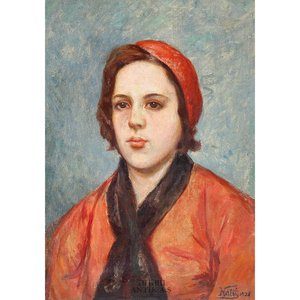
Halil Paşa
1852 - 1939 , Türkei
Kurzinfos
- Artistic Movement Or Style: Naturalismus
- Artists Or Movements Influenced By This Artist:
- Anna Ancher
- Michael Ancher
- Artists Who Influenced This Artist:
- Frits Thaulow
- Hans Gude
- Karl Gussow
- Date Of Birth: 13. August 1852
- Date Of Death: 16. Oktober 1925
- Full Name: Christian Krohg
- Nationality: Norwegisch
- Notable Artworks:
- Skagen-Gemälde
- Szenen des täglichen Lebens
- Place Of Birth: Oslo, Norwegen
Ähnliche Artikel

Crimson Threads of Narrative: Exploring Symbolism & Representation in Artworks Featuring the Red Dress
Explore the rich symbolism of the red dress in art history! From ancient power displays to iconic portraits like Cézanne’s 'Madame Cezanne', discover the cultural and artistic significance behind this captivating color. Expert analysis & insights.
Mark Rothkos Meisterwerke: Die Top 25 für Kunstliebhaber | ArtsDot
Entdecken Sie die 25 Meisterwerke von Mark Rothko! Tauchen Sie ein in die Welt der abstrakten Kunst, des Expressionismus und der Farbfeldmalerei. Hochwertige Kunstdrucke & Reproduktionen auf ArtsDot.com – für Ihre Wohnräume.
Henri Matisse: Die 25 Meisterwerke des Farbgenies – Kunst für Ihr Zuhause | ArtsDot
Entdecken Sie die 25 Meisterwerke von Henri Matisse! Tauchen Sie ein in die Welt des Fauvismus, der leuchtenden Farben und ikonischen Formen. Kunstreproduktionen & Inspiration für Ihr Zuhause – exklusiv auf ArtsDot.com.
Ruhe und Harmonie: Die 10 schönsten Kunstwerke für ein friedvolles Zuhause |
Entdecken Sie die 10 schönsten Kunstwerke für ein friedvolles Zuhause! Von Monets Seerosen bis Van Goghs Sternennacht – erfahren Sie die Geschichten hinter den Meisterwerken und finden Sie Inspiration für Ihre Inneneinrichtung. Museum-Qualität auf
Marianne North: Die 25 schönsten Blumenmalereien der viktorianischen Reisenden | ArtsDot
Entdecken Sie die 25 schönsten Werke der viktorianischen Blumenmalerin Marianne North! Erleben Sie ihre exotischen Reisebilder & botanischen Illustrationen. Hochwertige Kunst Reproduktionen für Ihr Zuhause auf ArtsDot.com.