

 Vorschau anzeigen
 Versenden
 Teilen
 Details anzeigen

 Herunterladen
 Ähnliche Objekte
 Röntgenaufnahme
 Diashow
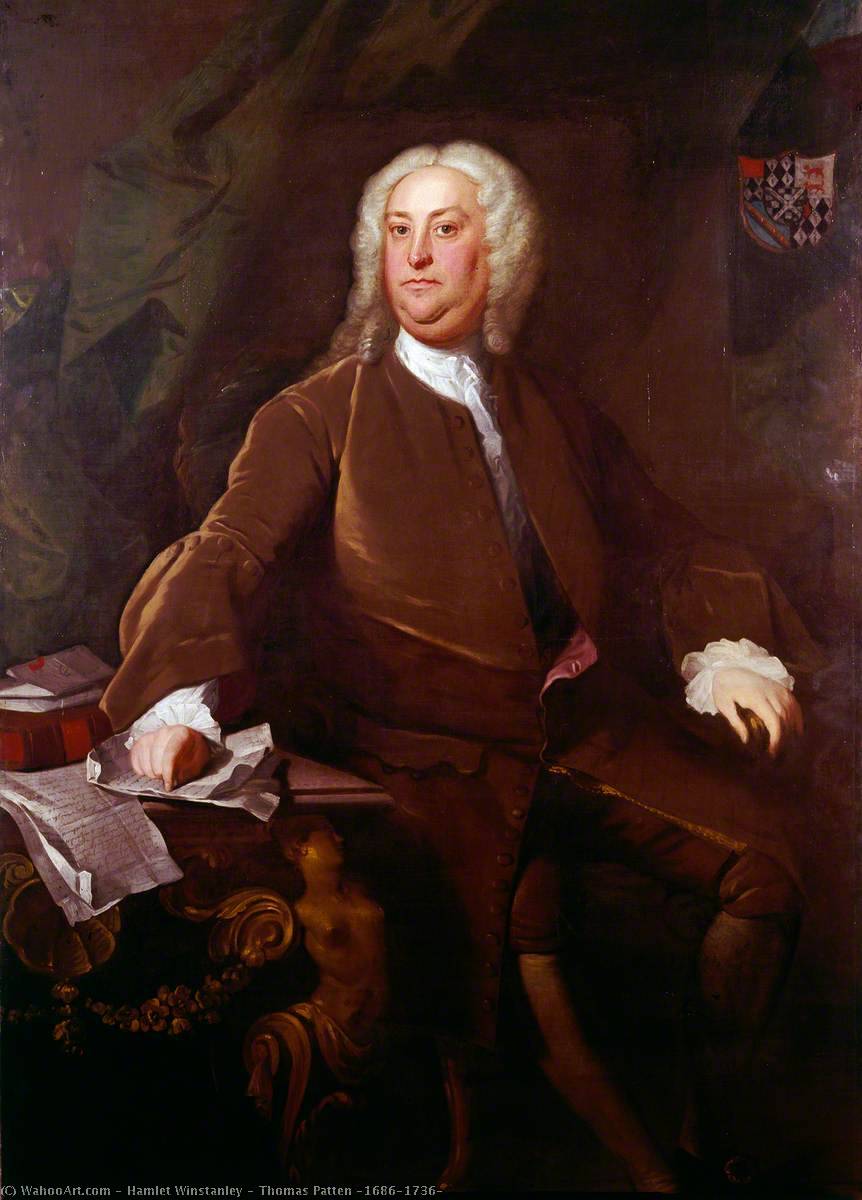
Thomas Patten (1686–1736)
 1737
1737 193.0 x 120.0 cm
 Weiterlesen
Erwerben Sie ein hochauflösendes, optimiertes digitales Bild, das der Online-Vorschau weit überlegen ist.
Jede Datei wird von unseren hauseigenen Spezialisten mit modernsten Werkzeugen und fachmännischer manueller Retusche sorgfältig vorbereitet. Wir stellen sicher, dass jedes Bild eine außergewöhnliche Klarheit, präzise Farbgenauigkeit und feinste Details aufweist.
Die endgültige Datei wird innerhalb von 72 Stunden per E-Mail zugestellt und ist für den sofortigen Einsatz in professionellen, redaktionellen und Druckumgebungen optimiert. Es handelt sich um dieselbe Qualität, der führende Designstudios, Verlage und Galerien vertrauen.
Digitales Bild
Laden Sie eine hochauflösende Datei für die persönliche Präsentation, den Druck und kreative Projekte herunter. ( Druck bestellen Handgemalte Reproduktion bestellen)
In jeder Bestellung digitaler Bilder enthalten
Professionelle digitale Bereitstellung, garantiert
Wenn Sie sich für ArtsDot.com entscheiden, erhalten Sie nicht nur ein Bild – Sie erhalten ein professionell aufbereitetes digitales Kunstwerk, das mit höchster Präzision erstellt und durch eine Zufriedenheitsgarantie abgesichert wird. Hier ist alles, was automatisch mit Ihrer Bestellung geliefert wird:

Schnelle E-Mail-Zustellung
Ihre hochauflösende digitale Bilddatei wird Ihnen innerhalb von 72 Stunden nach der Bestellung per E-Mail zugestellt – bereit zur sofortigen Verwendung.

KI-optimierte digitale Datei
Ihre Kunstwerke werden professionell mithilfe fortschrittlicher KI-Tools und manueller Bearbeitung optimiert, um maximale Detailtreue, Klarheit und Farbgenauigkeit zu gewährleisten.

Lebenslanger kostenloser Neudruckservice
Datei versehentlich gelöscht oder verloren? Keine Sorge – wir senden sie Ihnen jederzeit kostenlos erneut zu.

Keine Einfuhrgebühren – jemals
Genießen Sie Ihr Kunstwerk sofort ohne Zollgebühren, Einfuhrabgaben oder Versandkosten – digitale Downloads sind immer steuerfrei.

Garantierte Farbtreue
Wir garantieren, dass Ihr digitales Bild mithilfe professioneller Werkzeuge und Farbmanagement die Originalfarben so präzise wie möglich wiedergibt.

60-Tage-Zufriedenheitsgarantie
Sollten Sie mit Ihrem digitalen Bild nicht zufrieden sein, werden wir es überarbeiten oder Ihnen innerhalb von 60 Tagen 100% erstatten – ohne Wenn und Aber.

100% Geld-zurück-Garantie
Nicht zufrieden? Erhalten Sie innerhalb von 60 Tagen nach Erhalt Ihrer digitalen Datei eine vollständige Rückerstattung – ohne Angabe von Gründen.

Rabatte bei Großbestellungen
3 Bilder kaufen, 10% sparen – 5 Bilder kaufen, 15% sparen – Ab 10 Bildern 20% sparen. Ideal für kreative Projekte, Galerien und Agenturen.
Ähnliche Kunstwerke










Biografie des Künstlers
The Artistry of Hamlet Winstanley: A Bridge Between Eras
In the grand tapestry of English art history, few figures embody the transition from the ornate flourishes of the Rococo to the grounded realism of the Georgian era as gracefully as Hamlet Winstanley. Born in 1698 in Warrington, Lancashire, Winstanley was a man whose very name suggests a certain theatricality, yet his artistic soul was rooted in meticulous precision and classical reverence. As the son of a tradesman and the second son of William Winstanley, his path was paved not by inherited titles, but by an early, profound immersion in the visual language of his time. His formative years were shaped by the scholarly guidance of Samuel Shaw and the generous patronage of John Finch, whose vast collection of paintings provided Winstanley with a silent, magnificent classroom where he could study the masters through the act of copying.
The trajectory of his talent took him from the quiet rectories of Lancashire to the vibrant, competitive atmosphere of London’s Kneller Academy of Painting and Drawing. Under the direct tutelage of the legendary Sir Godfrey Kneller, Winstanley refined a technique that would become his signature: a masterful command of chiaroscuro, using the dramatic interplay of light and shadow to breathe life into the human form. This period of intense study instilled in him a commitment to capturing not just the outward likeness of his subjects, but their psychological essence—a quality that would later define his celebrated portraiture.
A Life of Patronage and Cosmopolitan Vision
Winstanley’s career was inextricably linked to the aristocratic circles of 18th-century England, most notably through his relationship with the Earl of Derby. Following a triumphant commission for the portrait of Sir Edward Stanley in 1721, Winstanley found himself ensconced at Knowsley Hall, serving as both an artist and an influential art agent. This dual role allowed him to traverse the cultural epicenters of Europe. Supported by the Earl’s generosity, Winstanley journeyed to Rome between 1723 and 1725, a transformative period that expanded his artistic vocabulary far beyond the borders of England.
In Italy, he functioned as a sophisticated conduit for classical taste, tasked with acquiring paintings and sculptures from Roman collections. This exposure to the grandeur of antiquity deeply influenced his later work as a copyist. He did not merely replicate Roman sculptures; he reinterpreted them through a subtle, burgeoning sensibility that prioritized accuracy and an understated elegance. His ability to navigate the complex world of art auctions and international dealers solidified his reputation as a man of immense cultural intellect, capable of bridging the gap between the ancient classical world and the contemporary British nobility.
Legacy of the Portraitist and Engraver
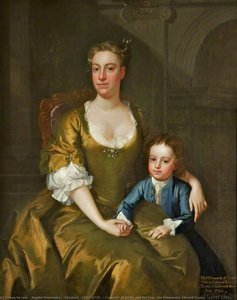
The artistic output of Hamlet Winstanley was diverse, encompassing the delicate precision of engraving, the expansive vision of landscape painting, and the intimate depth of portraiture. His portraits of the nobility and gentry are characterized by a certain dignified restraint, eschewing the flamboyant ornamentation of earlier decades in favor of muted palettes and carefully considered compositions. Whether he was capturing the regal presence of George II or the tender familial bonds seen in his depictions of the Countess of Derby and her son, Winstanley’s work remains a testament to his ability to convey status through subtle nuance rather than overt display.
Though history often remembers the more tempestuous figures of his era, such as William Hogarth, Winstanley’s significance lies in his role as a foundational pillar of the English school. His life's work represents a crucial moment of artistic evolution:
- Technical Mastery: The integration of Kneller’s academic rigor with the meticulous detail of engraving.
- Cultural Mediation: Acting as an essential link between the classical treasures of Rome and the burgeoning collections of the English aristocracy.
- Stylistic Transition: Moving away from Rococo excess toward a more disciplined, realistic approach that prefigured the Georgian aesthetic.
Kurzinfos
- Artistic Movement Or Style: Victorian Portraiture
- Date Of Death: Living
- Full Name: Hamlet Winstanley
- Nationality: English
- Notable Artworks: ['Roman Copies']

