 Vorschau anzeigen
 Versenden
 Teilen
 Details anzeigen

 Herunterladen
 Ähnliche Objekte
 Röntgenaufnahme
 Diashow
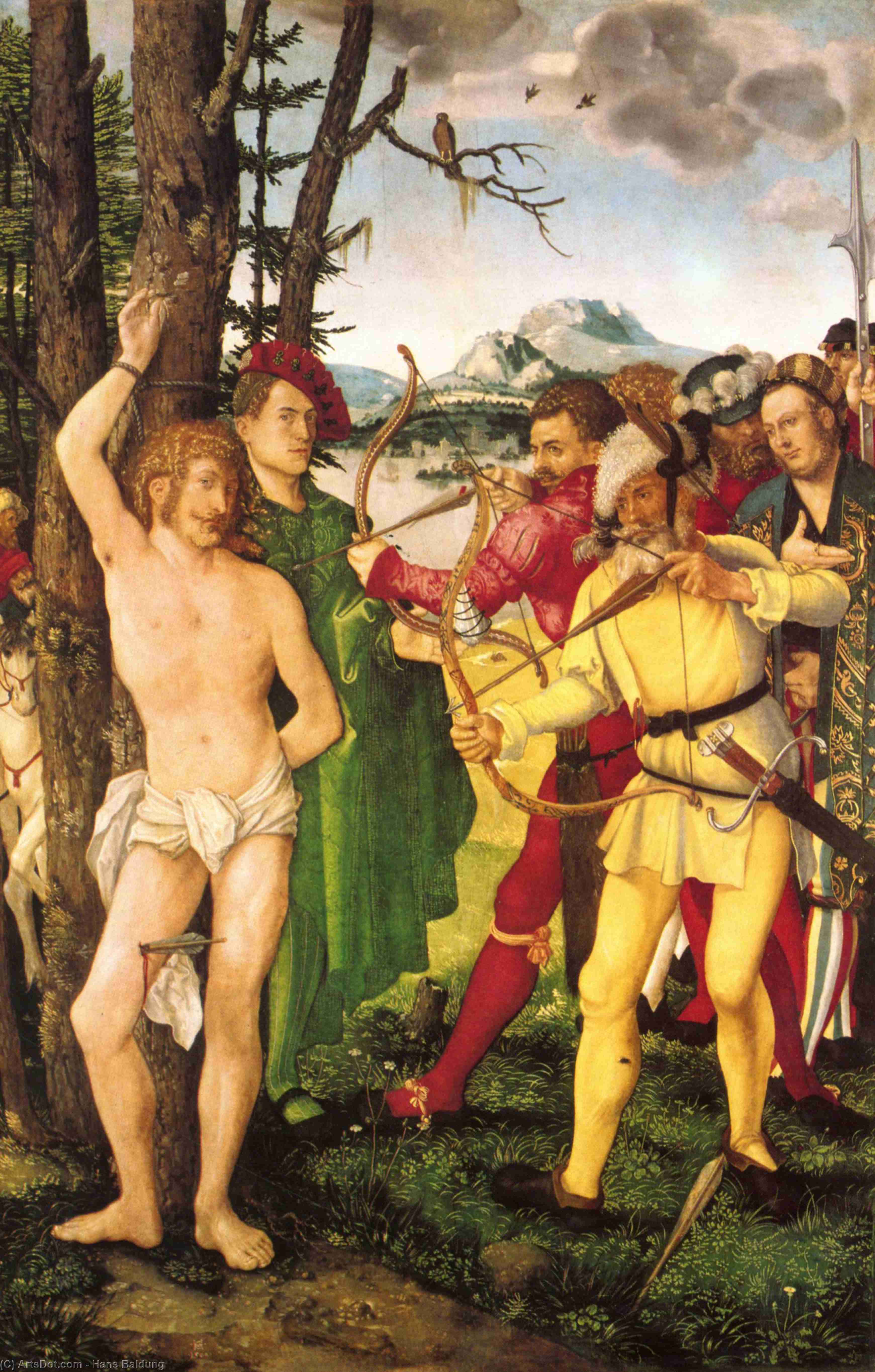
Altarpiece with The Martyrdom of St. Sebastian
 Oil On Panel
- German Renaissance
 1507
1507- Renaissance
 78.0 x 121.0 cm
 Weiterlesen
Handgefertigte Ölreproduktion
Handgemaltes Ölgemälde auf Leinwand in Ihrer Wunschgröße und mit Rahmen, auf Bestellung von unseren Künstlern angefertigt. ( Druck bestellen Bild kaufen)




P118B $10

P118H $10

P118W $10

P438Z $10

P508JH $12

P508YH $12

P805H $10

P805Z $10

P919BZ $10

P919G $10

P919XJ $10

P959ZH $10

P968JZ $12

W106C $8

W218G $10

W218JH $8

W218Y $10

W307PJ $10

W316G $10

W316PJ $8

W316Y $10

W398PJ $8

W4111J $10

W500HY $15

W500JH $15

W692G $12

W849H $8

W940BG $15

W953PJ $8




Wählen Sie aus unseren vordefinierten Formaten, die den ursprünglichen Proportionen des Kunstwerks entsprechen.

Sie können Ihre eigenen Maße eingeben, um einen bestimmten Rahmen oder Platz auszufüllen. Wenn die gewählte Größe nicht den Proportionen des Originalbildes entspricht, werden wir das Kunstwerk entweder beschneiden oder das Gemälde durch zusätzliche, handgemalte Elemente erweitern. Ein digitales Mockup wird Ihnen zur Genehmigung zugesandt, bevor die Produktion beginnt.
Bitte beachten Sie, dass die Bildschirmvorschau nicht die tatsächliche Beschneidung oder Erweiterung widerspiegelt. Nur das Mockup zeigt die endgültige Komposition exakt an.
Obwohl Sondermaße verfügbar sind, empfehlen wir, eine Größe aus der vordefinierten Liste zu wählen, um die ursprünglichen Proportionen beizubehalten.
Nach der Bestellung wird das ArtsDot.com-Team dem Kunden Anweisungen per E-Mail zusenden und eine Mockup-Vorschau bereitstellen.
Weltweiter Versand () in nur 3 bis 4 Wochen statt der üblichen 5 Wochen. (27 August). Keine Kompromisse bei der Qualität.

Kostenloser weltweiter Expressversand

Hochwertige Leinenleinwand

Umfassender Versicherungsschutz beim Versand

Zollgebühren-Rückerstattungsgarantie

Garantie für exakte Farbtreue

60 Tage Rückgaberecht (nur bei Mängeln)

100% Geld-zurück-Garantie

Mengenrabatt verfügbar
 Die Glasoption ist nur für Größen unter 110 cm verfügbar.

Altarpiece with The Martyrdom of St. Sebastian
Art der Reproduktion
Format der Reproduktion
-


Gesamtpreis
$ 263
Beschreibung des Kunstwerks
A Moment of Divine Agony and Resilience
In the profound depths of the German Renaissance, few works capture the visceral intersection of human suffering and spiritual fortitude as poignantly as Hans Baldung’s Altarpiece with The Martyrdom of St. Sebastian. Created in 1507, this masterpiece serves as a window into a period where the boundaries between the physical agony of the flesh and the ethereal triumph of the soul were strikingly thin. The painting centers on the iconic figure of Saint Sebastian, caught in the harrowing moment of his execution. As arrows pierce his body, the viewer is not merely an observer but a witness to a dramatic struggle for faith. Baldung employs a masterful command of composition to guide the eye through a scene teeming with movement, from the archer’s focused tension to the surrounding figures whose expressions range from grim determination to silent observation.
The stylistic brilliance of this work lies in Baldung's ability to blend the meticulous detail characteristic of the Upper Rhineland tradition with an almost proto-Baroque sense of drama. His technique allows for a textured realism that makes the skin of the martyr appear vulnerable against the cold, sharp instruments of his torment. The interplay of light and shadow—a precursor to the dramatic chiaroscuro that would later define much of European art—creates a heavy, atmospheric tension. This is not a static religious icon; it is a living, breathing narrative where every brushstroke contributes to the palpable intensity of the martyrdom.
Symbolism and the Renaissance Spirit
Beyond the immediate violence of the scene, Baldung weaves a complex tapestry of symbolism that invites deep contemplation. The presence of birds scattered throughout the composition serves as more than mere decorative elements; they act as spiritual messengers, perhaps representing the watchful eyes of angels or the fleeting nature of earthly life in the face of eternal salvation. This layer of meaning elevates the painting from a historical depiction to a profound theological meditation. For the discerning collector, these subtle details offer an intellectual richness that rewards repeated viewing, making the piece a centerpiece of conversation and spiritual reflection.
The artist’s background, rooted in a scholarly lineage yet driven by a rebellious artistic passion, is evident in the way he handles the subject matter. There is an enigmatic quality to his work—a characteristic often referred to as "Grien"—that infuses the martyrdom with a sense of mystery and psychological depth. The composition does not merely recount a legend; it explores the very essence of human endurance. For interior designers and art enthusiasts, this painting offers a commanding presence, bringing a sense of historical gravity and dramatic elegance to any curated space.
An Essential Addition to the Connoisseur's Collection
Owning a high-quality reproduction of such a significant work allows one to bring the transformative power of the German Renaissance into a contemporary setting. The Altarpiece with The Martyrdom of St. Sebastian is more than an object of beauty; it is an emotional experience. Its scale and intensity make it an ideal focal point for grand halls or sophisticated studies, where its rich textures and historical weight can inspire awe. Whether you are drawn to the technical mastery of Hans Baldung or the profound narrative of Saint Sebastian, this piece stands as a testament to the enduring power of art to capture the most intense moments of the human condition.
Ähnliche Kunstwerke
Über den Künstler
Frühe Jahre und Ausbildung
Hans Baldung, ein deutscher Maler und Grafiker, wurde um 1484 in Schwäbisch Gmünd (damals eine freie Reichsstadt) geboren. Er war der erste Mann seiner Familie, der kein Universitätsstudium aufnahm, sondern sich stattdessen dem künstlerischen Beruf widmete. Seine Ausbildung begann gegen 1500 im Oberrheinland bei einem Straßburger Künstler.Meisterlehre bei Albrecht Dürer
Im Jahr 1503 wurde Hans Baldung Lehrling in der Werkstatt von Albrecht Dürer in Nürnberg. Diese Zeit hatte einen tiefgreifenden Einfluss auf seine künstlerische Entwicklung. Er eignete sich schnell Dürers Stil und Techniken an und die beiden wurden enge Freunde. Während Dürers zweiter Reise nach Venedig leitete Baldung dessen Werkstatt.Künstlerischer Stil und Themen
Hans Baldung entwickelte einen unverwechselbaren Stil, der sich durch Farbenreichtum, Ausdruckskraft und Vorstellungskraft auszeichnete. Seine Talente waren vielfältig, und er schuf eine große Bandbreite an Werken, darunter:- Porträts
- Holzschnitte
- Altarbilder
- Zeichnungen
- Tapestries
- Allegorien
- mythologische Motive
Hauptwerke und Vermächtnis
Viele von Hans Baldungs Gemälden sind kleinformatig und zeigen rätselhafte, oft erotische Allegorien und mythologische Szenen. Seine Arbeit am Hochaltar in Münster zeigt seine Unterstützung für die Reformation.Museen und Sammlungen
Die Gemäldegalerie Alte Meister in Deutschland beherbergt eine bedeutende Sammlung europäischer Gemälde aus dem 15. bis 18. Jahrhundert. Sie bietet einen Kontext für das Verständnis der Epoche, in der Baldung lebte und wirkte. erfahren Sie mehr über die Gemäldegalerie Alte Meister auf ArtsDotSchlussfolgerung
Hans Baldung Grien oder Grün bleibt eine bedeutende Figur in der deutschen Kunstgeschichte, dank seiner einzigartigen Mischung aus Farbe, Ausdruckskraft und Vorstellungskraft. Seine Auseinandersetzung mit Themen wie Hexerei und dem Übernatürlichen verleiht seinem Werk eine faszinierende Dimension.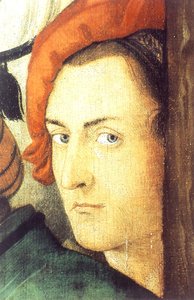
Hans Baldung
1485 - 1545 , Deutschland
Kurzinfos
- Beeinflusste Künstler: ['Albrecht Dürer']
- Bemerkenswerte Werke:
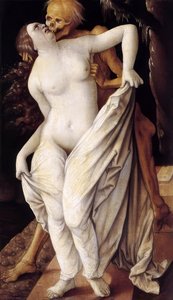
- Tod und die Weise
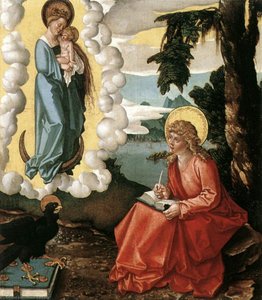
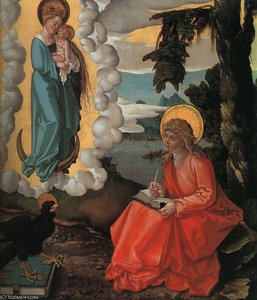
- Grien Johannes auf Patmos
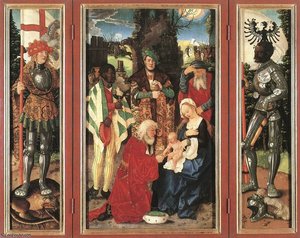
- Dreikönigsaltar (offen)
- Geburtsdatum: ca. 1484
- Geburtsort: Schwäbisch Gmünd, Deutschland
- Künstlerische Bewegung: Deutsche Renaissance
- Nationalität: Deutsch
- Todatum: 1545
- Vollständiger Name: Hans Baldung Grien
Ähnliche Artikel
Hans Baldung Grien: Allegorie, Innovation und das Groteske – Ein Renaissance-Meister zwischen Reformation und Mystik
Entdecken Sie das faszinierende Werk von Hans Baldung Grien! Analysieren Sie mit uns die allegorischen Gemälde, grotesken Motive und den einzigartigen Stil dieses Renaissance-Meisters. Expertenwissen zur deutschen Kunstgeschichte.
El Greco: Die 25 Meisterwerke – Kunst für Ihr Zuhause | ArtsDot
Entdecken Sie die 25 bedeutendsten Meisterwerke von El Greco! Erleben Sie die spirituelle Tiefe und den dramatischen Stil des griechischen Malers. Hochwertige Kunstdrucke & Inspiration für Ihr Zuhause auf ArtsDot.com.

Deutsche Expressionismus Meisterwerke: Die 10 wichtigsten Kunstwerke für Ihr Zuhause
Entdecken Sie die 10 bedeutendsten Werke des Deutschen Expressionismus! Kirchner, Nolde & Co. – ihre Geschichten, Techniken und zeitlose Schönheit. Hochwertige Kunstdrucke auf ArtsDot.com kaufen und Ihr Zuhause mit emotionaler Kunst bereichern. Jetzt entdecken!
The Northern Awakening: Artistic Innovation & Cultural Transformation in the German Renaissance
Explore the artistic innovation of the German Renaissance! Discover Dürer, the Danube School & Reformation art. Learn about techniques, materials & lasting influence. Find museum-quality reproductions at ArtsDot.
Hans Holbein der Jüngere: Realismus, Psychologie und die Meisterschaft des Renaissance-Porträts
Entdecken Sie das Werk von Hans Holbein dem Jüngeren! Erfahren Sie mehr über seinen revolutionären Realismus, die psychologische Tiefe seiner Porträts und seine Meistertechnik. Jetzt lesen!