 Vorschau anzeigen
 Versenden
 Teilen
 Details anzeigen

 Herunterladen
 Ähnliche Objekte
 Röntgenaufnahme
 Diashow
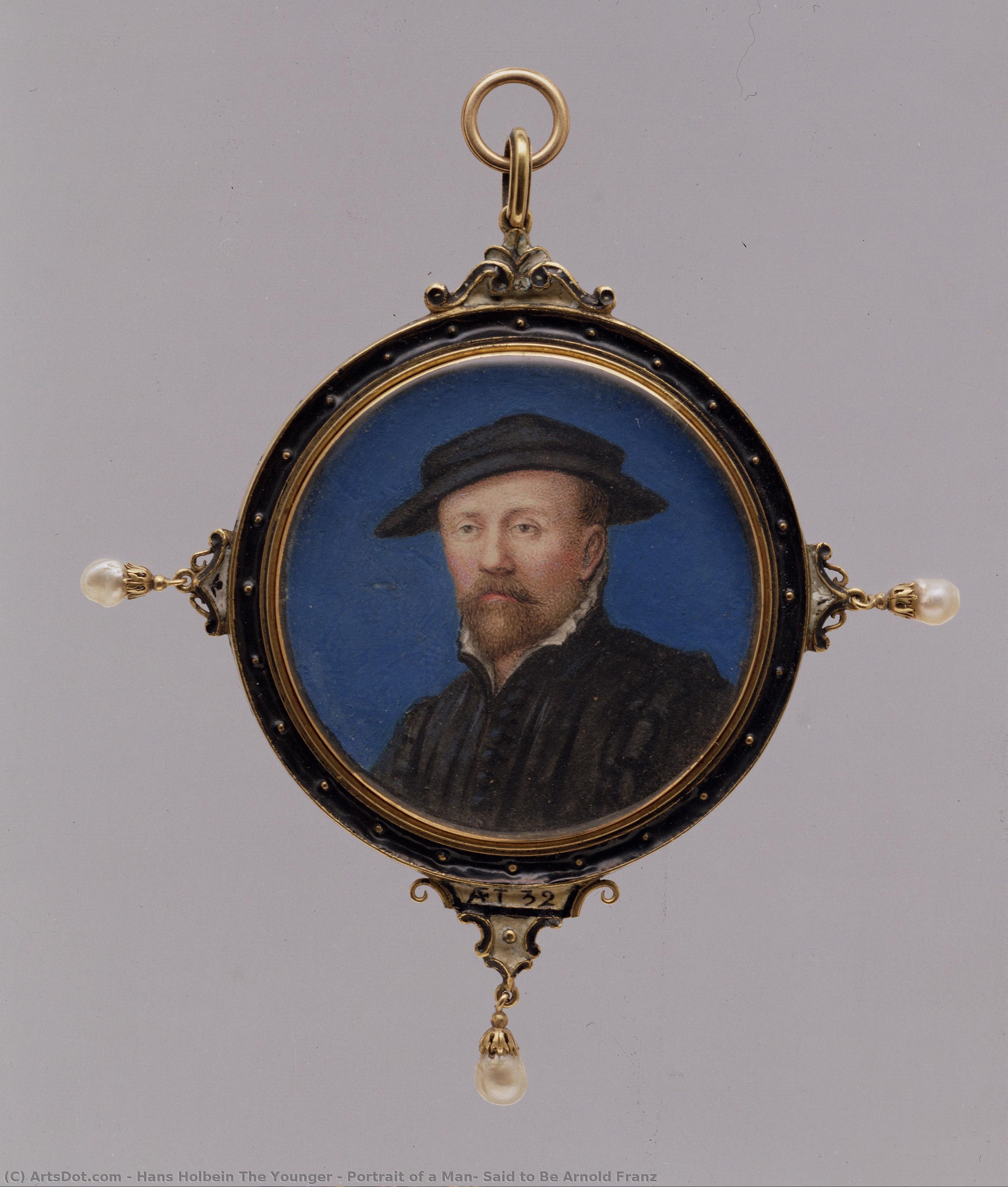
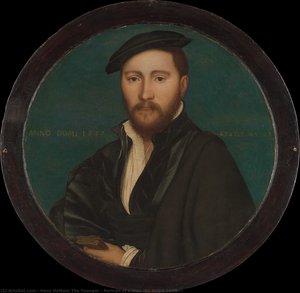
Portrait of a Man, Said to Be Arnold Franz

 Weiterlesen
Giclée / Kunstdruck
Giclée- oder Leinwanddruck in Museumsqualität mit schneller Produktion und flexiblen Veredelungsoptionen. ( Handgemalte Reproduktion bestellen Bild kaufen)




P118B $10

P118H $10

P118W $10

P438Z $10

P508JH $12

P508YH $12

P805H $10

P805Z $10

P919BZ $10

P919G $10

P919XJ $10

P959ZH $10

P968JZ $12

W106C $8

W218G $10

W218JH $8

W218Y $10

W307PJ $10

W316G $10

W316PJ $8

W316Y $10

W398PJ $8

W4111J $10

W500HY $15

W500JH $15

W692G $12

W849H $8

W940BG $15

W953PJ $8




Wählen Sie aus unseren vordefinierten Formaten, die den ursprünglichen Proportionen des Kunstwerks entsprechen.

Sie können Ihre eigenen Maße eingeben, um ein bestimmtes Format oder einen speziellen Platz einzupassen. Wenn das von Ihnen gewählte Format nicht den Proportionen des Originalbildes entspricht, werden wir das Kunstwerk entweder beschneiden oder das Bild mit einem gespiegelten oder einfarbigen Rand erweitern. Ein digitaler Entwurf wird Ihnen zur Genehmigung zugesandt, bevor die Produktion beginnt.
Bitte beachten Sie, dass die Vorschau auf dem Bildschirm nicht den tatsächlichen Zuschnitt oder die Erweiterung widerspiegelt. Nur der Entwurf zeigt die endgültige Komposition präzise an.
Obwohl Sondermaße verfügbar sind, empfehlen wir die Auswahl eines Maßes aus der vordefinierten Liste, um die ursprünglichen Proportionen zu bewahren.
Weltweiter Versand () innerhalb von 2 Wochen statt der üblichen 4/5 Wochen. (6 September)

Kostenloser weltweiter Expressversand

Hochwertige Leinenleinwand

Umfassender Versicherungsschutz beim Versand

Zollgebühren-Rückerstattungsgarantie

Garantie für exakte Farbtreue

100 Tage Rückgaberecht (nur bei Mängeln)

100% Geld-zurück-Garantie

Mengenrabatt verfügbar
 Die Glasoption ist nur für Größen unter 110 cm verfügbar.

Portrait of a Man, Said to Be Arnold Franz
Giclée / Kunstdruck
Format der Reproduktion
-


Gesamtpreis
$ 62
A Window into Tudor Dignity: Examining Hans Holbein the Younger’s Portrait of Arnold Franz
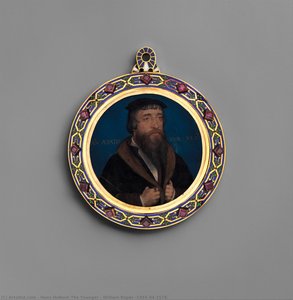
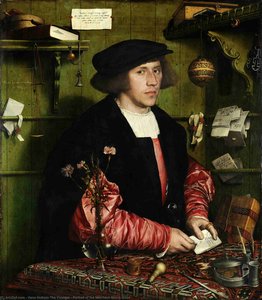
The painting “Portrait of a Man, Said to Be Arnold Franz,” attributed to Hans Holbein the Younger, stands as a testament to the meticulous artistry and psychological acuity characteristic of the Northern Renaissance. More than just a depiction of an individual's appearance, it offers a glimpse into the cultural milieu of Tudor England—a period defined by ambition, patronage, and a fervent desire for visual representation that conveyed status and intellect. The artwork’s enduring appeal lies not only in its striking realism but also in Holbein’s masterful manipulation of light and shadow to sculpt form and imbue the sitter with an aura of dignified composure.- Subject Matter & Composition: At first glance, the portrait presents a man dressed impeccably—a black hat adorned with gold trim—seated against a serene blue backdrop. Alongside him are two figures whose identities remain somewhat enigmatic, adding layers of narrative complexity to the scene. Holbein’s compositional choices deliberately guide the viewer's gaze, emphasizing the central figure while subtly incorporating supporting elements that contribute to the overall atmosphere.
- Style & Technique: Holbein’s signature style is undeniably defined by his unparalleled ability to achieve photographic accuracy—a feat accomplished through painstaking observation and meticulous layering of glazes. This technique allowed him to capture subtle nuances in skin tone, fabric texture, and facial expression with astonishing precision. The use of oil paint on panel ensured a luminous surface that brilliantly reflected light, enhancing the portrait’s visual impact.
Historical Context: Tudor England & Portraiture Traditions
The painting emerged during Henry VIII's reign—a pivotal moment in English history marked by religious upheaval and royal consolidation. Portraiture flourished during this era as a means of asserting power and demonstrating wealth. Commissioned by influential patrons like Arnold Franz, these portraits served not merely as likenesses but as symbols of social standing and intellectual accomplishment. Holbein skillfully captured the spirit of the times—the confidence and grandeur associated with Tudor nobility—reflecting the prevailing artistic sensibilities of the period.- Symbolism & Detail: Beyond mere representation, Holbein incorporated symbolic elements into the portrait that speak to broader cultural values. The gold trim on Franz’s hat signifies prestige and authority, mirroring the ambitions of the Tudor monarchs. Furthermore, Holbein's attention to detail—the folds of Franz’s clothing, the subtle expressions on his face—demonstrates a profound understanding of human psychology and elevates the portrait beyond a simple visual record.
- Emotional Impact: The painting evokes a sense of quiet dignity and contemplative introspection. Holbein’s masterful use of chiaroscuro—the dramatic interplay between light and dark—creates an illusionistic depth that draws the viewer into Franz's inner world. This technique effectively conveys not only physical appearance but also emotional state, fostering a connection between the sitter and the observer.
Legacy & Reproduction Considerations
“Portrait of a Man, Said to Be Arnold Franz” remains an iconic example of Renaissance portraiture—a masterpiece admired for its technical brilliance and artistic vision. ArtsDot.com offers high-quality reproductions that faithfully capture the essence of Holbein’s original artwork, allowing collectors and interior designers alike to experience the beauty and sophistication of Tudor England firsthand. Each reproduction is crafted with archival pigments on canvas or paper, ensuring lasting vibrancy and preserving the artist's legacy for generations to come.Ähnliche Kunstwerke
Über den Künstler
frühes Leben und Ausbildung
Hans Holbein der Jüngere, eine bedeutende Figur in der Nordischen Renaissance, wurde 1497 in Augsburg, Deutschland, geboren. Obwohl er oft mit seinem Vater, Hans Holbein dem Älteren, einem renommierten Künstler und Grafiker verwechselt wird, ist Holbeins Werk der Jüngeren eigenständig und herausragend.Künstlerische Karriere
Holbeins künstlerische Karriere begann unter der Anleitung seines Vaters. Später reiste er nach England, wo er Hofmaler für König Heinrich VIII. wurde. Diese Position ermöglichte es ihm, die Essenz der königlichen Familie und des aufkommenden englischen Adels einzufangen. Sein Werk ist durch folgende Merkmale gekennzeichnet:- Außergewöhnliche Realismus: Holbeins Porträts sind für ihre lebensechte Qualität bekannt, wie in Portrait einer unbekannten Dame (Nordische Renaissance).
- Innovative Komposition: Seine Verwendung von Kompositionen ist in Sir William Butts (37 x 46 cm, Nordische Renaissance, Öl auf Holzpanel) erkennbar.
- Studie für das Familienporträt von Thomas More (38 x 52 cm, Nordische Renaissance) zeigt seine Fähigkeit, die Essenz einer Familie einzufangen.
Bekannte Werke und Vermächtnis
Holbeins Werk befindet sich in verschiedenen Museen, darunter die Staatlichen Museen zu Berlin (Deutschland), wo sein unbekannter Gelehrter mit Musikbüchern und Laute (Öl auf Holzpanel) ausgestellt ist. Sein Einfluss auf die Nordische Renaissance ist unbestreitbar, und sein Werk inspiriert bis heute Künstler. Holbein der Jüngere starb 1543, aber sein Vermächtnis lebt durch seine fesselnden Porträts und detaillierten Studien weiter. Weitere Werke von Hans Holbein dem Jüngeren ansehen auf ArtsDot.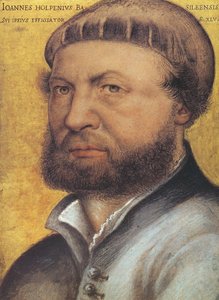
Hans Holbein der Jüngere
1497 - 1543 , Italien
Kurzinfos
- Bemerkenswerte Werke:
- Porträt einer Unbekannten
- Sir William Butts
- Studie zum Familienschloss More
- Die Familie des Bürgermeisters Meyer
- Das Grab Jesu
- Porträt Heinrichs VIII.
- Geburtsdatum: 1497
- Geburtsort: Augsburg, Italien
- Künstlerische Bewegung: Nordische Renaissance
- Künstlerische Einflüsse:
- Hans Holbein der Ältere
- Albrecht Dürer
- Nationalität: Deutsch
- Sterbedatum: 1543
- Vollständiger Name: Hans Holbein der Jüngere
Ähnliche Artikel

Die Top 10 Gemälde in Schattierungen von 'Slate Blue': Kunst für Ihr Zuhause
Entdecken Sie die Top 10 Gemälde in faszinierenden 'Slate Blue' Tönen! Von Monet bis Manet – erleben Sie Kunstgeschichte und lassen Sie sich von Meisterwerken inspirieren. Hochwertige Kunstdrucke auf

Serene Blue Backgrounds: Discover Soulful Art to Transform Your Space with Timeless Elegance
Transform your home with soulful blue art. From serene Monet impressions to modern textured sculptures, discover curated masterpieces designed to inspire calm. Explore expert art consultations and bespoke hand-painted reproductions to create your personal sanctuary.
Deutsche Expressionismus Meisterwerke: Die 10 wichtigsten Kunstwerke für Ihr Zuhause
Entdecken Sie die 10 bedeutendsten Werke des Deutschen Expressionismus! Kirchner, Nolde & Co. – ihre Geschichten, Techniken und zeitlose Schönheit. Hochwertige Kunstdrucke auf ArtsDot.com kaufen und Ihr Zuhause mit emotionaler Kunst bereichern. Jetzt entdecken!
The Allure of Azure: Exploring the Symbolic & Aesthetic Depths of Blue in Art History
Explore the rich history of blue in art! Discover its symbolism, from ancient pigments to modern masterpieces by Kandinsky & Seurat. Uncover the psychological impact and cultural meanings behind this captivating hue.
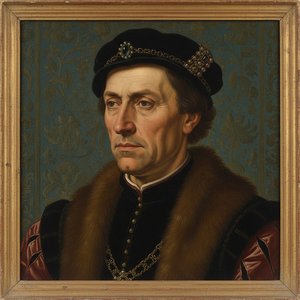
Hans Holbein der Jüngere: Realismus, Psychologie und die Meisterschaft des Renaissance-Porträts
Entdecken Sie das Werk von Hans Holbein dem Jüngeren! Erfahren Sie mehr über seinen revolutionären Realismus, die psychologische Tiefe seiner Porträts und seine Meistertechnik. Jetzt lesen!

![Doppelporträt von Jean de Dinteville und Georges de Selve (auch bekannt als Die Gesandten) [Detail]](/media/artworks/images-thumb/bb/ab/bbab7ce77b7dd15d23d21114a63b51a4.jpg)