Vorschau anzeigen
 Versenden
 Teilen
 Details anzeigen

 Herunterladen
 Ähnliche Objekte
 Röntgenaufnahme
 Diashow
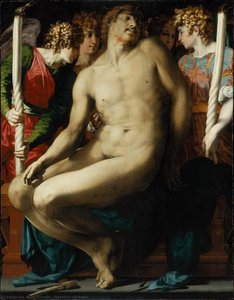
The Body of the Dead Christ in the Tomb

 Weiterlesen
Giclée / Kunstdruck
Giclée- oder Leinwanddruck in Museumsqualität mit schneller Produktion und flexiblen Veredelungsoptionen. ( Handgemalte Reproduktion bestellen Bild kaufen)




P118B $10

P118H $10

P118W $10

P438Z $10

P508JH $12

P508YH $12

P805H $10

P805Z $10

P919BZ $10

P919G $10

P919XJ $10

P959ZH $10

P968JZ $12

W106C $8

W218G $10

W218JH $8

W218Y $10

W307PJ $10

W316G $10

W316PJ $8

W316Y $10

W398PJ $8

W4111J $10

W500HY $15

W500JH $15

W692G $12

W849H $8

W940BG $15

W953PJ $8




Wählen Sie aus unseren vordefinierten Formaten, die den ursprünglichen Proportionen des Kunstwerks entsprechen.

Sie können Ihre eigenen Maße eingeben, um ein bestimmtes Format oder einen speziellen Platz einzupassen. Wenn das von Ihnen gewählte Format nicht den Proportionen des Originalbildes entspricht, werden wir das Kunstwerk entweder beschneiden oder das Bild mit einem gespiegelten oder einfarbigen Rand erweitern. Ein digitaler Entwurf wird Ihnen zur Genehmigung zugesandt, bevor die Produktion beginnt.
Bitte beachten Sie, dass die Vorschau auf dem Bildschirm nicht den tatsächlichen Zuschnitt oder die Erweiterung widerspiegelt. Nur der Entwurf zeigt die endgültige Komposition präzise an.
Obwohl Sondermaße verfügbar sind, empfehlen wir die Auswahl eines Maßes aus der vordefinierten Liste, um die ursprünglichen Proportionen zu bewahren.
Weltweiter Versand () innerhalb von 2 Wochen statt der üblichen 4/5 Wochen. (5 September)

Kostenloser weltweiter Expressversand

Hochwertige Leinenleinwand

Umfassender Versicherungsschutz beim Versand

Zollgebühren-Rückerstattungsgarantie

Garantie für exakte Farbtreue

60 Tage Rückgaberecht (nur bei Mängeln)

100% Geld-zurück-Garantie

Mengenrabatt verfügbar
 Die Glasoption ist nur für Größen unter 110 cm verfügbar.

The Body of the Dead Christ in the Tomb
Giclée / Kunstdruck
Format der Reproduktion
-


Gesamtpreis
$ 62
Hans Holbein the Younger’s Profound Meditation on Mortality: *The Body of the Dead Christ in the Tomb*
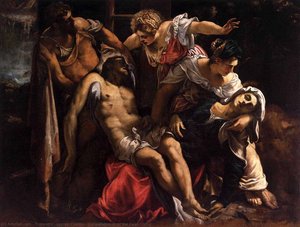
Hans Holbein the Younger's The Body of the Dead Christ in the Tomb, painted around 1520-1521, is not merely a depiction of a religious scene; it’s a visceral exploration of grief, loss, and the profound human condition. This monumental work, executed with Holbein’s signature meticulous detail and psychological acuity, transcends simple representation to become a deeply moving meditation on mortality – a theme particularly resonant during the tumultuous period of the Reformation in Northern Europe.
The painting immediately confronts the viewer with the stark reality of Christ's lifeless form. Lying supine upon a simple wooden bed, his body is rendered with an almost unsettling realism. Holbein’s mastery of anatomy is evident in the careful depiction of musculature and bone structure, yet he avoids any sense of idealized beauty, instead presenting a vulnerable, decaying figure – a deliberate choice that underscores the brutal truth of death. The composition itself is deliberately claustrophobic, drawing the viewer into the intimate space of the tomb, intensifying the emotional impact.
A Symphony of Grief and Observation
Holbein’s genius lies not just in his technical skill but also in his ability to capture human emotion with breathtaking accuracy. The scene surrounding Christ's body is populated by a diverse group of mourners – women primarily, though men are present – each engaged in their own private act of grief. Some kneel in silent contemplation, others weep openly, while still others reach out to touch the deceased Christ. This carefully observed tableau speaks volumes about the universal experience of loss and the myriad ways individuals respond to profound sorrow.
The figures’ clothing reflects the social diversity of the time, offering a glimpse into the lives of those who gathered to witness this pivotal moment. The attention to detail extends beyond mere fashion; each garment is rendered with a subtle understanding of texture and drape, further enhancing the painting's realism. Holbein was renowned for his ability to capture not just physical likeness but also the inner life of his subjects – a characteristic vividly displayed here in the expressions of sorrow and reverence.
Technique and Historical Context
Executed in oil on oak panel, The Body of the Dead Christ exemplifies Holbein’s mastery of oil painting techniques. His use of glazing—applying thin layers of translucent paint over one another—creates a luminous effect that imbues the scene with an ethereal quality. The subtle gradations of light and shadow contribute to the sense of depth and realism, while also emphasizing the vulnerability of Christ's body.
Painted during the early years of the Reformation, the work reflects the growing emphasis on personal piety and the direct experience of faith. Holbein’s unflinching portrayal of death aligns with a broader trend in Northern European art – a move away from idealized religious imagery towards more emotionally charged representations of biblical events. This painting was likely commissioned for a private chapel or devotional setting, intended to inspire contemplation and reflection on the themes of mortality and redemption.
A Timeless Masterpiece
The Body of the Dead Christ in the Tomb remains one of Holbein’s most powerful and enduring works. Its raw emotional intensity, combined with his unparalleled technical skill, continues to captivate viewers centuries after its creation. A hand-painted reproduction offers a unique opportunity to experience this masterpiece firsthand, bringing its profound beauty and unsettling truth into your home or workspace.
Ähnliche Kunstwerke


Über den Künstler
frühes Leben und Ausbildung
Hans Holbein der Jüngere, eine bedeutende Figur in der Nordischen Renaissance, wurde 1497 in Augsburg, Deutschland, geboren. Obwohl er oft mit seinem Vater, Hans Holbein dem Älteren, einem renommierten Künstler und Grafiker verwechselt wird, ist Holbeins Werk der Jüngeren eigenständig und herausragend.Künstlerische Karriere
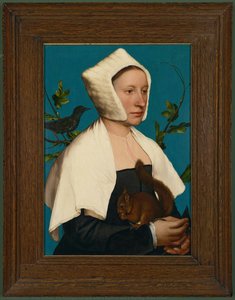
Holbeins künstlerische Karriere begann unter der Anleitung seines Vaters. Später reiste er nach England, wo er Hofmaler für König Heinrich VIII. wurde. Diese Position ermöglichte es ihm, die Essenz der königlichen Familie und des aufkommenden englischen Adels einzufangen. Sein Werk ist durch folgende Merkmale gekennzeichnet:- Außergewöhnliche Realismus: Holbeins Porträts sind für ihre lebensechte Qualität bekannt, wie in Portrait einer unbekannten Dame (Nordische Renaissance).
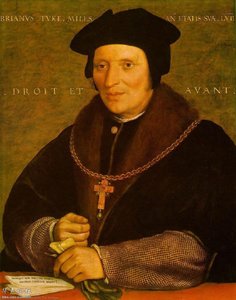
- Innovative Komposition: Seine Verwendung von Kompositionen ist in Sir William Butts (37 x 46 cm, Nordische Renaissance, Öl auf Holzpanel) erkennbar.
- Studie für das Familienporträt von Thomas More (38 x 52 cm, Nordische Renaissance) zeigt seine Fähigkeit, die Essenz einer Familie einzufangen.
Bekannte Werke und Vermächtnis
Holbeins Werk befindet sich in verschiedenen Museen, darunter die Staatlichen Museen zu Berlin (Deutschland), wo sein unbekannter Gelehrter mit Musikbüchern und Laute (Öl auf Holzpanel) ausgestellt ist. Sein Einfluss auf die Nordische Renaissance ist unbestreitbar, und sein Werk inspiriert bis heute Künstler. Holbein der Jüngere starb 1543, aber sein Vermächtnis lebt durch seine fesselnden Porträts und detaillierten Studien weiter. Weitere Werke von Hans Holbein dem Jüngeren ansehen auf ArtsDot.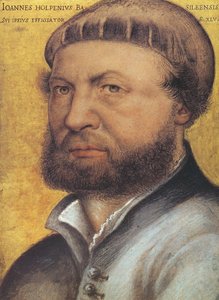
Hans Holbein der Jüngere
1497 - 1543 , Italien
Kurzinfos
- Bemerkenswerte Werke:
- Porträt einer Unbekannten
- Sir William Butts
- Studie zum Familienschloss More
- Die Familie des Bürgermeisters Meyer
- Das Grab Jesu
- Porträt Heinrichs VIII.
- Geburtsdatum: 1497
- Geburtsort: Augsburg, Italien
- Künstlerische Bewegung: Nordische Renaissance
- Künstlerische Einflüsse:
- Hans Holbein der Ältere
- Albrecht Dürer
- Nationalität: Deutsch
- Sterbedatum: 1543
- Vollständiger Name: Hans Holbein der Jüngere
Ähnliche Artikel

Giclée Prints: Archival Quality & Aesthetic Nuances for the Discerning Collector
Explore the world of giclée prints with ArtsDot. Learn about archival quality, aesthetic nuances & investment potential. Expert guidance for discerning art collectors seeking museum-quality reproductions and lasting value.
Hans Holbein der Jüngere: Realismus, Psychologie und die Meisterschaft des Renaissance-Porträts
Entdecken Sie das Werk von Hans Holbein dem Jüngeren! Erfahren Sie mehr über seinen revolutionären Realismus, die psychologische Tiefe seiner Porträts und seine Meistertechnik. Jetzt lesen!

Echoes of Time: Exploring the Enduring Appeal & Historical Context of Vintage Art Prints
Explore the captivating world of vintage art prints! Discover their history, collecting tips & enduring appeal. Expert insights on chromolithography and building a legacy collection with ArtsDot.

The Enduring Legacy of Fine Art Prints: Technique, History & Aesthetic Impact
Explore the rich history & techniques of fine art prints. Discover investment potential, assess authenticity, and learn how to preserve your collection with expert guidance. Trusted insights for discerning collectors.
The Enduring Legacy of Printmaking: Techniques, Themes & Artistic Innovation Across Centuries
Explore the rich history of printmaking with ArtsDot. Discover techniques from intaglio to lithography, learn about collecting valuable prints & find museum-quality reproductions. Expert insights for art enthusiasts and collectors.
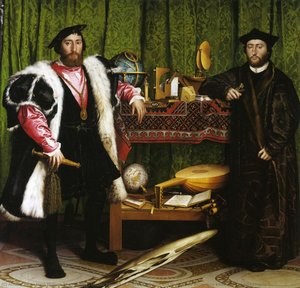
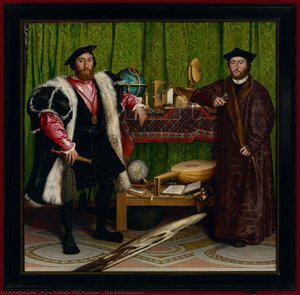
![Doppelporträt von Jean de Dinteville und Georges de Selve (auch bekannt als Die Gesandten) [Detail]](/media/artworks/images-thumb/bb/ab/bbab7ce77b7dd15d23d21114a63b51a4.jpg)