 Vorschau anzeigen
 Versenden
 Teilen
 Details anzeigen

 Herunterladen
 Ähnliche Objekte
 Röntgenaufnahme
 Diashow
Untitled (975)


 Weiterlesen
Handgefertigte Ölreproduktion
Handgemaltes Ölgemälde auf Leinwand in Ihrer Wunschgröße und mit Rahmen, auf Bestellung von unseren Künstlern angefertigt. ( Druck bestellen Bild kaufen)




P118B $10

P118H $10

P118W $10

P438Z $10

P508JH $12

P508YH $12

P805H $10

P805Z $10

P919BZ $10

P919G $10

P919XJ $10

P959ZH $10

P968JZ $12

W106C $8

W218G $10

W218JH $8

W218Y $10

W307PJ $10

W316G $10

W316PJ $8

W316Y $10

W398PJ $8

W4111J $10

W500HY $15

W500JH $15

W692G $12

W849H $8

W940BG $15

W953PJ $8




Wählen Sie aus unseren vordefinierten Formaten, die den ursprünglichen Proportionen des Kunstwerks entsprechen.

Sie können Ihre eigenen Maße eingeben, um einen bestimmten Rahmen oder Platz auszufüllen. Wenn die gewählte Größe nicht den Proportionen des Originalbildes entspricht, werden wir das Kunstwerk entweder beschneiden oder das Gemälde durch zusätzliche, handgemalte Elemente erweitern. Ein digitales Mockup wird Ihnen zur Genehmigung zugesandt, bevor die Produktion beginnt.
Bitte beachten Sie, dass die Bildschirmvorschau nicht die tatsächliche Beschneidung oder Erweiterung widerspiegelt. Nur das Mockup zeigt die endgültige Komposition exakt an.
Obwohl Sondermaße verfügbar sind, empfehlen wir, eine Größe aus der vordefinierten Liste zu wählen, um die ursprünglichen Proportionen beizubehalten.
Nach der Bestellung wird das ArtsDot.com-Team dem Kunden Anweisungen per E-Mail zusenden und eine Mockup-Vorschau bereitstellen.
Weltweiter Versand () in nur 3 bis 4 Wochen statt der üblichen 5 Wochen. (24 August). Keine Kompromisse bei der Qualität.

Kostenloser weltweiter Expressversand

Hochwertige Leinenleinwand

Umfassender Versicherungsschutz beim Versand

Zollgebühren-Rückerstattungsgarantie

Garantie für exakte Farbtreue

60 Tage Rückgaberecht (nur bei Mängeln)

100% Geld-zurück-Garantie

Mengenrabatt verfügbar
 Die Glasoption ist nur für Größen unter 110 cm verfügbar.

Untitled (975)
Art der Reproduktion
Format der Reproduktion
-


Gesamtpreis
$ 263
Beschreibung des Kunstwerks
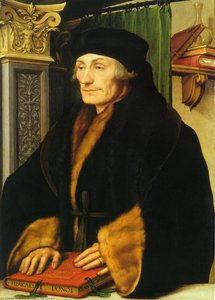
A Portrait of Authority: Unveiling Hans Holbein’s “Untitled (975)”
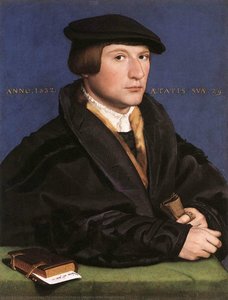
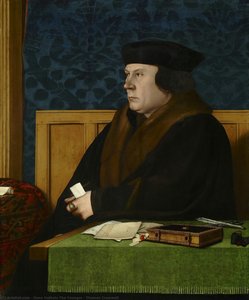
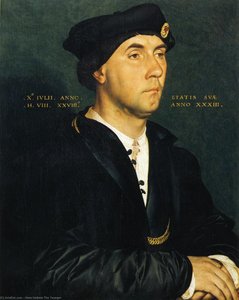
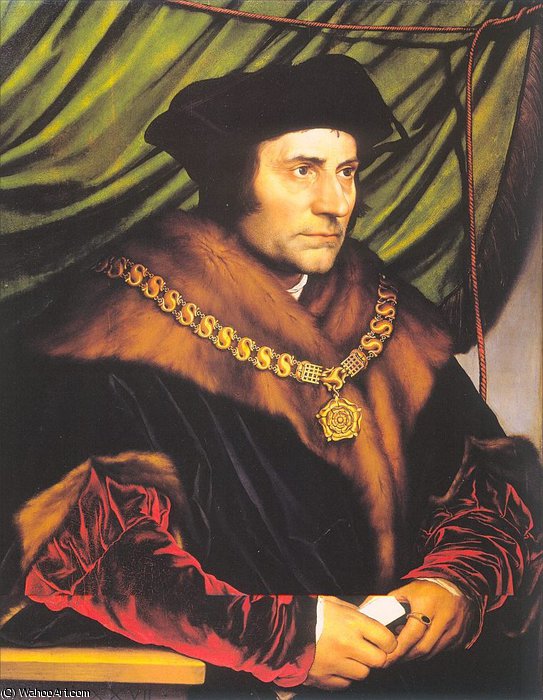
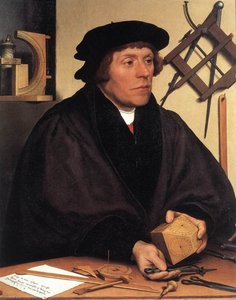
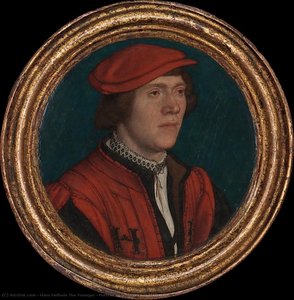
Hans Holbein the Younger's "Untitled (975)" presents a compelling and enigmatic portrait, a quintessential example of the Northern Renaissance master’s unparalleled ability to capture not just physical appearance but also the very soul of his subjects. The painting depicts a man – identified only by this designation – rendered with an almost unnerving realism, immediately drawing the viewer into a direct confrontation. His stern gaze, fixed upon us across the centuries, speaks of authority, perhaps religious or secular, yet simultaneously hints at a profound inner contemplation. The meticulous detail evident in every fold of his robe and the glint of the gold chain surrounding his neck underscores Holbein’s dedication to precise observation and masterful technique – hallmarks that defined his artistic legacy.
The Precision of Detail: Holbein's Technique
Holbein was renowned for his painstaking approach, a direct inheritance from his father, Hans Holbein the Elder. This wasn't simply about replicating what he saw; it was about dissecting reality and reconstructing it on canvas with an almost scientific precision. The use of oil paint allowed him to build up layers of color – glazes – achieving luminous effects and subtle gradations that were revolutionary for his time. Notice the way light catches the folds of the robe, creating a sense of volume and texture. Similarly, the rendering of the man’s face is remarkable for its psychological depth; the slight furrow in his brow, the set of his jaw, all contribute to an impression of quiet intensity. The inclusion of two secondary figures – one at the upper left and another near the bottom right – adds a layer of complexity, suggesting a scene of observation or perhaps even judgment, further enriching the narrative potential of the portrait.
Symbolism and Context: A Tudor Portrait
Created during Holbein’s time in England (approximately 1532-1536), this work reflects the artistic currents of the Tudor court. The subject's attire – a robe with a gold chain – strongly suggests a figure of high status, likely a religious dignitary or an important member of the court. Such portraits were not merely decorative; they served as powerful statements of identity and authority within a hierarchical society. Holbein’s commissions for Henry VIII and other prominent figures demonstrate his ability to navigate the complex political landscape of the era while simultaneously producing works of enduring artistic merit. The painting's ambiguity – the lack of a clear title or identifying details – adds to its mystique, inviting viewers to project their own interpretations onto the subject.
Emotional Impact and Legacy
"Untitled (975)" continues to captivate audiences with its arresting realism and psychological depth. Holbein’s ability to convey not just appearance but also character and mood is a testament to his genius. This portrait exemplifies the Northern Renaissance's focus on humanism, exploring the complexities of individual identity within a broader historical context. A hand-painted reproduction offers an unparalleled opportunity to experience the power and beauty of this iconic work firsthand, bringing Holbein’s masterful technique and profound insights into your own space.
Ähnliche Kunstwerke
Über den Künstler
frühes Leben und Ausbildung
Hans Holbein der Jüngere, eine bedeutende Figur in der Nordischen Renaissance, wurde 1497 in Augsburg, Deutschland, geboren. Obwohl er oft mit seinem Vater, Hans Holbein dem Älteren, einem renommierten Künstler und Grafiker verwechselt wird, ist Holbeins Werk der Jüngeren eigenständig und herausragend.Künstlerische Karriere
Holbeins künstlerische Karriere begann unter der Anleitung seines Vaters. Später reiste er nach England, wo er Hofmaler für König Heinrich VIII. wurde. Diese Position ermöglichte es ihm, die Essenz der königlichen Familie und des aufkommenden englischen Adels einzufangen. Sein Werk ist durch folgende Merkmale gekennzeichnet:- Außergewöhnliche Realismus: Holbeins Porträts sind für ihre lebensechte Qualität bekannt, wie in Portrait einer unbekannten Dame (Nordische Renaissance).
- Innovative Komposition: Seine Verwendung von Kompositionen ist in Sir William Butts (37 x 46 cm, Nordische Renaissance, Öl auf Holzpanel) erkennbar.
- Studie für das Familienporträt von Thomas More (38 x 52 cm, Nordische Renaissance) zeigt seine Fähigkeit, die Essenz einer Familie einzufangen.
Bekannte Werke und Vermächtnis
Holbeins Werk befindet sich in verschiedenen Museen, darunter die Staatlichen Museen zu Berlin (Deutschland), wo sein unbekannter Gelehrter mit Musikbüchern und Laute (Öl auf Holzpanel) ausgestellt ist. Sein Einfluss auf die Nordische Renaissance ist unbestreitbar, und sein Werk inspiriert bis heute Künstler. Holbein der Jüngere starb 1543, aber sein Vermächtnis lebt durch seine fesselnden Porträts und detaillierten Studien weiter. Weitere Werke von Hans Holbein dem Jüngeren ansehen auf ArtsDot.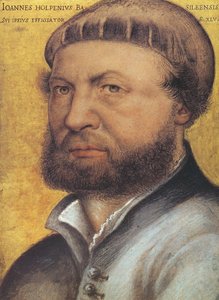
Hans Holbein der Jüngere
1497 - 1543 , Italien
Kurzinfos
- Bemerkenswerte Werke:
- Porträt einer Unbekannten
- Sir William Butts
- Studie zum Familienschloss More
- Die Familie des Bürgermeisters Meyer
- Das Grab Jesu
- Porträt Heinrichs VIII.
- Geburtsdatum: 1497
- Geburtsort: Augsburg, Italien
- Künstlerische Bewegung: Nordische Renaissance
- Künstlerische Einflüsse:
- Hans Holbein der Ältere
- Albrecht Dürer
- Nationalität: Deutsch
- Sterbedatum: 1543
- Vollständiger Name: Hans Holbein der Jüngere
Ähnliche Artikel
Reproduktionsmedien im Vergleich: Handgemalte Ölgemälde, Leinwanddrucke und gerahmte Papierdrucke
Expertenrat für Innenarchitekten: Vergleichen Sie handgemalte Ölgemälde, Leinwanddrucke & Papierdrucke. Finden Sie die perfekte Kunstreproduktion für Ihr Projekt!

Giclée Prints: Archival Quality & Aesthetic Nuances for the Discerning Collector
Explore the world of giclée prints with ArtsDot. Learn about archival quality, aesthetic nuances & investment potential. Expert guidance for discerning art collectors seeking museum-quality reproductions and lasting value.
Die bleibende Ästhetik des Pinsels: Handgemalte Ölmalerei als Ausdruck von Zeitlosigkeit und emotionaler Tiefe im Vergleich zum digitalen Druck
Entdecken Sie die bleibende Schönheit handgemalter Ölmalerei! Expertenrat zur Authentizität, Wertsteigerung & individuellen Kunstauswahl. Vertrauen Sie auf Qualität und Tradition.
Die 10 Meisterwerke der Nordischen Renaissance: Kunst für Ihr Zuhause |
Entdecken Sie die 10 prägendsten Meisterwerke der Nordischen Renaissance! Von Jan van Eyck bis Dürer – Kunstgeschichte, Techniken & Geschichten. Hochwertige Reproduktionen für Ihr Zuhause auf
Paul Klee: Die 25 Meisterwerke des Abstrakten – Kunst für Ihr Zuhause | ArtsDot
Entdecken Sie die 25 Meisterwerke von Paul Klee! Tauchen Sie ein in seine abstrakte Welt, voller Expressionismus und Bauhaus-Einflüsse. Hochwertige Kunst für Ihr Zuhause – jetzt bei ArtsDot entdecken!
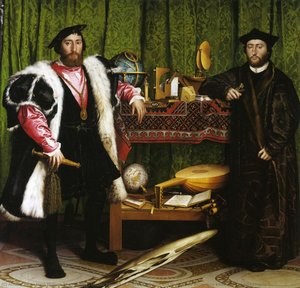

![Doppelporträt von Jean de Dinteville und Georges de Selve (auch bekannt als Die Gesandten) [Detail]](/media/artworks/images-thumb/bb/ab/bbab7ce77b7dd15d23d21114a63b51a4.jpg)