

 Vorschau anzeigen
 Versenden
 Teilen
 Details anzeigen

 Herunterladen
 Ähnliche Objekte
 Röntgenaufnahme
 Diashow
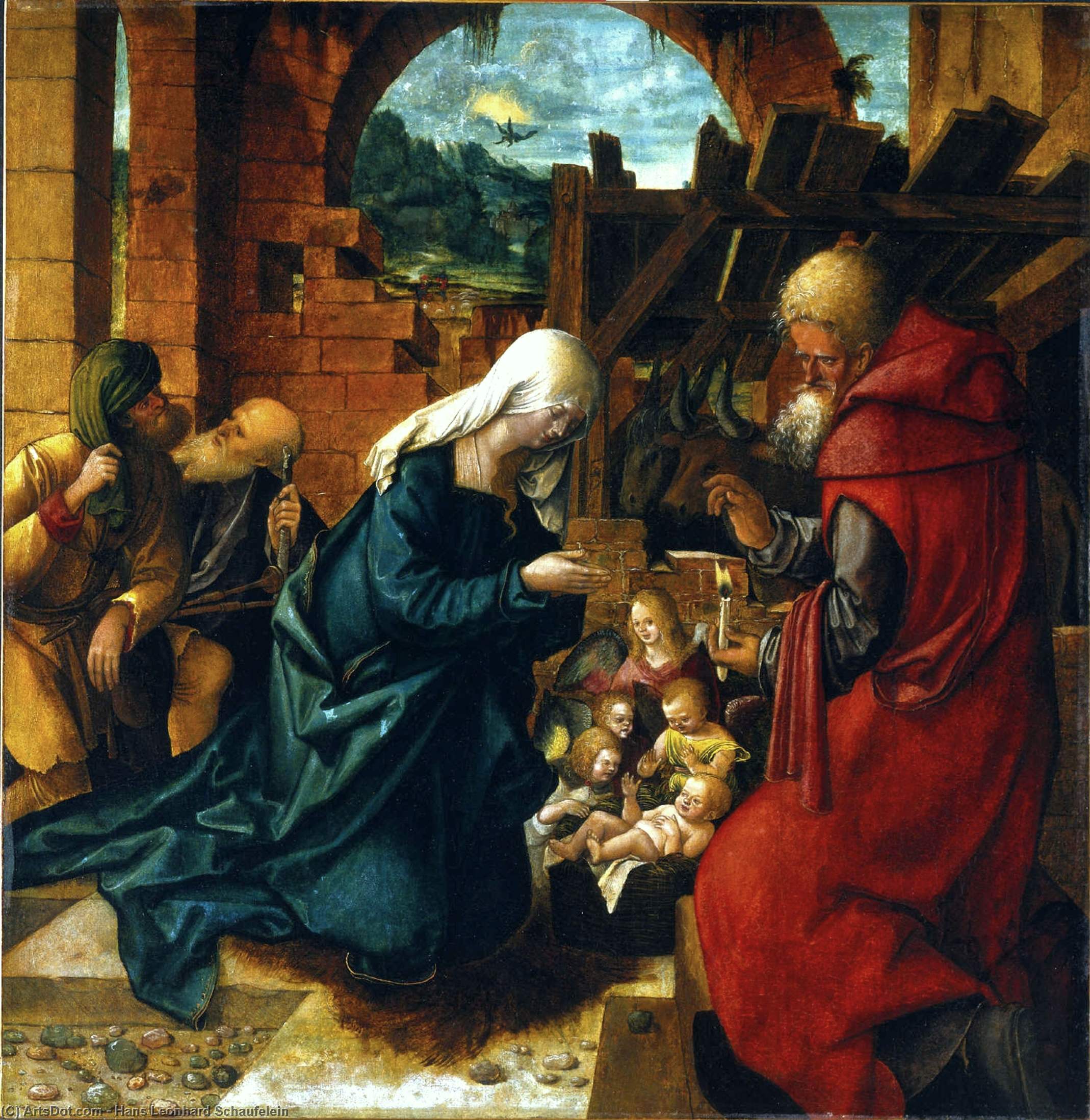
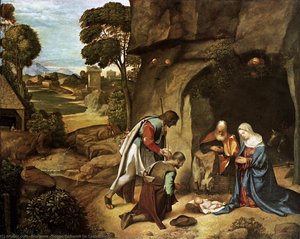
The Adoration of the Shepherds
 Weiterlesen
Giclée / Kunstdruck
Giclée- oder Leinwanddruck in Museumsqualität mit schneller Produktion und flexiblen Veredelungsoptionen. ( Handgemalte Reproduktion bestellen Bild kaufen)




































Wählen Sie aus unseren vordefinierten Formaten, die den ursprünglichen Proportionen des Kunstwerks entsprechen.

Sie können Ihre eigenen Maße eingeben, um ein bestimmtes Format oder einen speziellen Platz einzupassen. Wenn das von Ihnen gewählte Format nicht den Proportionen des Originalbildes entspricht, werden wir das Kunstwerk entweder beschneiden oder das Bild mit einem gespiegelten oder einfarbigen Rand erweitern. Ein digitaler Entwurf wird Ihnen zur Genehmigung zugesandt, bevor die Produktion beginnt.
Bitte beachten Sie, dass die Vorschau auf dem Bildschirm nicht den tatsächlichen Zuschnitt oder die Erweiterung widerspiegelt. Nur der Entwurf zeigt die endgültige Komposition präzise an.
Obwohl Sondermaße verfügbar sind, empfehlen wir die Auswahl eines Maßes aus der vordefinierten Liste, um die ursprünglichen Proportionen zu bewahren.
Weltweiter Versand () innerhalb von 2 Wochen statt der üblichen 4/5 Wochen. (23 August)

Kostenloser weltweiter Expressversand

Hochwertige Leinenleinwand

Umfassender Versicherungsschutz beim Versand

Zollgebühren-Rückerstattungsgarantie

Garantie für exakte Farbtreue

60 Tage Rückgaberecht (nur bei Mängeln)

100% Geld-zurück-Garantie

Mengenrabatt verfügbar
 Die Glasoption ist nur für Größen unter 110 cm verfügbar.

The Adoration of the Shepherds
Giclée / Kunstdruck
Format der Reproduktion
-


Gesamtpreis
$ 62
Ähnliche Kunstwerke
Über den Künstler
Hans Leonhard Schäufelein (1480-1540): Bridging Flemish Tradition and Nuremberg Innovation
Hans Leonhard Schäufelein stands as a pivotal figure in German Renaissance art, representing a fascinating confluence of Flemish artistic sensibilities with the meticulous craftsmanship characteristic of Nuremberg. Born around 1480 in Nuremberg, he emerged from a milieu steeped in artistic excellence, notably influenced by Matthias Grünewald and Johann Wohlgemut – artists whose expressive techniques would undoubtedly shape Schäufelein’s own approach to painting.
Early Training & Durrer's Influence: Schäufelein’s formative years coincided with Johannes Vermeer’s time in Delft, where he honed his skills under the tutelage of Albrecht Dürer. This association proved invaluable, fostering an admiration for Dürer’s precision and compositional mastery—a stylistic imprint that is palpable throughout Schäufelein's oeuvre. Dürer’s unwavering dedication to detail and geometric rigor profoundly impacted Schäufelein’s artistic vision.
Notable Works: Schäufelein gained renown for his altarpiece at Ober Sankt Veit near Vienna (1502), depicting scenes from the life of Christ, a piece celebrated for its serene beauty and masterful execution. The painting embodies a harmonious blend of Flemish idealism and Nuremberg’s refined aesthetic sensibilities. Similarly impressive was “St. Jerome,” housed in the Germanisches Nationalmuseum in Nuremberg, showcasing Schäufelein’s ability to convey emotion through subtle shading and nuanced detail—a testament to his mastery of chiaroscuro.
Woodcut Art & Imperial Patronage: Schäufelein excelled as a wood engraver, producing stunning prints for Emperor Maximilian I—particularly his celebrated “Tiegeraltar” (Tiger Altar) for St. George’s Church in Nordlingen, which remains a testament to his skill and vision. This altar, alongside “Judith Slaying Holofernes,” adorns the town hall of Nordlingen, demonstrating Schäufelein's capacity for dramatic storytelling through woodcut technique—a medium he skillfully employed to convey complex narratives with remarkable clarity.
Nordlingen Period & Artistic Style: Schäufelein’s work during his Nordlingen years solidified his reputation as a painter who prioritized grace and elegance. While lacking the forceful dynamism of some contemporaries, he possessed an undeniable knack for capturing atmospheric perspective and conveying spiritual contemplation—traits reminiscent of Flemish Primitive painters like Rogier van der Weyden. His palette favored muted tones and delicate brushstrokes, reflecting the prevailing artistic tastes of the time.
Legacy & Playing Card Designs: Schäufelein’s contribution to German art extends beyond monumental paintings; his intricately designed playing cards from 1535 represent a remarkable achievement in decorative arts, reflecting the artistic tastes of the era and showcasing Schäufelein's meticulous attention to detail. These cards exemplify Schäufelein’s ability to transform a commonplace object into an exquisite work of art.
Schäufelein’s enduring legacy resides not merely in his individual artworks but also in his role as a conduit between Flemish artistic traditions and Nuremberg’s burgeoning Renaissance spirit. He stands as a symbol of artistic innovation within a conservative context, securing his place among the most significant artists of his time.
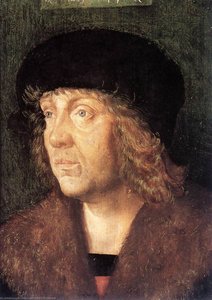
Hans Leonhard Schäufelein
1480 - 1540 , Deutschland
Kurzinfos
- Artistic Movement Or Style: Flemish Primitive
- Artists Or Movements Influenced By This Artist: ['Matthias Grünewald']
- Artists Who Influenced This Artist:
- Albrecht Dürer
- Johannes Wohlgemut
- Date Of Birth: Nuremberg, Germany (1480)
- Date Of Death: Um 1538 oder 1540
- Full Name: Hans Leonhard Schäufelein
- Nationality: Deutsch
- Notable Artworks:
- Altäre
- Holzschnitte
- Die Flucht nach Ägypten
- Place Of Birth: Nürnberg

