

 Vorschau anzeigen
 Versenden
 Teilen
 Details anzeigen

 Herunterladen
 Ähnliche Objekte
 Röntgenaufnahme
 Diashow
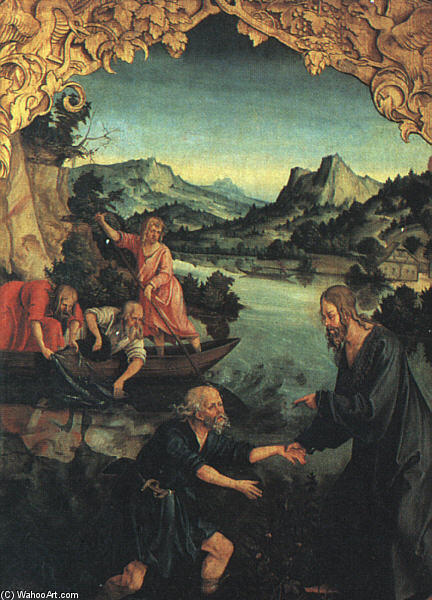
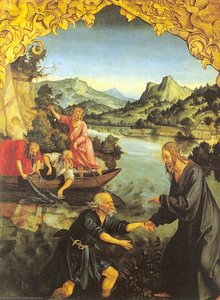
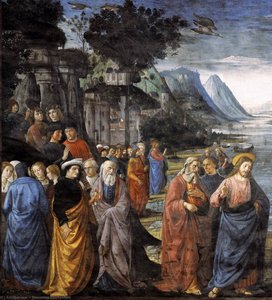
The Calling of St Peter
 Oil On Canvas
- WallArt
- Early Netherlandish Painting
 1514
1514 130.0 x 100.0 cm
 Galleria degli Uffizi
 Weiterlesen
Handgefertigte Ölreproduktion
Handgemaltes Ölgemälde auf Leinwand in Ihrer Wunschgröße und mit Rahmen, auf Bestellung von unseren Künstlern angefertigt. ( Druck bestellen Bild kaufen)




P118B $10

P118H $10

P118W $10

P438Z $10

P508JH $12

P508YH $12

P805H $10

P805Z $10

P919BZ $10

P919G $10

P919XJ $10

P959ZH $10

P968JZ $12

W106C $8

W218G $10

W218JH $8

W218Y $10

W307PJ $10

W316G $10

W316PJ $8

W316Y $10

W398PJ $8

W4111J $10

W500HY $15

W500JH $15

W692G $12

W849H $8

W940BG $15

W953PJ $8




Wählen Sie aus unseren vordefinierten Formaten, die den ursprünglichen Proportionen des Kunstwerks entsprechen.

Sie können Ihre eigenen Maße eingeben, um einen bestimmten Rahmen oder Platz auszufüllen. Wenn die gewählte Größe nicht den Proportionen des Originalbildes entspricht, werden wir das Kunstwerk entweder beschneiden oder das Gemälde durch zusätzliche, handgemalte Elemente erweitern. Ein digitales Mockup wird Ihnen zur Genehmigung zugesandt, bevor die Produktion beginnt.
Bitte beachten Sie, dass die Bildschirmvorschau nicht die tatsächliche Beschneidung oder Erweiterung widerspiegelt. Nur das Mockup zeigt die endgültige Komposition exakt an.
Obwohl Sondermaße verfügbar sind, empfehlen wir, eine Größe aus der vordefinierten Liste zu wählen, um die ursprünglichen Proportionen beizubehalten.
Nach der Bestellung wird das ArtsDot.com-Team dem Kunden Anweisungen per E-Mail zusenden und eine Mockup-Vorschau bereitstellen.
Weltweiter Versand () in nur 3 bis 4 Wochen statt der üblichen 5 Wochen. (22 August). Keine Kompromisse bei der Qualität.

Kostenloser weltweiter Expressversand

Hochwertige Leinenleinwand

Umfassender Versicherungsschutz beim Versand

Zollgebühren-Rückerstattungsgarantie

Garantie für exakte Farbtreue

60 Tage Rückgaberecht (nur bei Mängeln)

100% Geld-zurück-Garantie

Mengenrabatt verfügbar
 Die Glasoption ist nur für Größen unter 110 cm verfügbar.

The Calling of St Peter
Art der Reproduktion
Format der Reproduktion
-


Gesamtpreis
$ 263
Beschreibung des Kunstwerks
The Calling of St Peter: A Masterpiece of Early Netherlandish Painting
Hans Süß von Kulmbach’s “The Calling of St Peter,” completed in 1514, stands as a testament to the artistic fervor of the High Renaissance’s formative years—a period marked by profound intellectual and spiritual renewal. Executed in oil on wood panel, this monumental altarpiece embodies the stylistic hallmarks of Early Netherlandish painting, showcasing meticulous detail, luminous color palettes, and an unwavering devotion to religious narrative.
Subject Matter and Narrative Depth
The artwork depicts a pivotal moment from Christian tradition: Jesus Christ consoling Saint Peter amidst a gathering of his disciples. Captured in serene repose, Jesus extends his hand towards Peter, conveying compassion and divine guidance—a gesture laden with symbolic significance that speaks to the core tenets of faith and repentance. The scene unfolds within an ornate sculpted archway at the top, creating an immersive environment that underscores the sanctity of the depicted event.
Technique: Glazing and Atmospheric Perspective
Kulmbach’s masterful technique relies heavily on glazing—a layering process wherein thin washes of oil paint are applied sequentially to build up color and luminosity. This method allows for unparalleled subtlety and depth, capturing the nuances of light and shadow with remarkable accuracy. Furthermore, the artist employs atmospheric perspective—a deliberate manipulation of tonal values to simulate the effects of distance—resulting in a landscape backdrop that evokes the grandeur of mountainous terrain bathed in diffused sunlight. These techniques contribute significantly to the painting’s three-dimensional illusionism.
Symbolism and Artistic Influences
“The Calling of St Peter” resonates deeply with its symbolic vocabulary, reflecting the humanist preoccupation with moral virtue and spiritual contemplation prevalent during the Renaissance. The composition echoes the stylistic conventions established by Albrecht Dürer—Kulmbach’s mentor—particularly in his masterful use of perspective and anatomical realism. The figures are rendered with careful attention to drapery folds and musculature, demonstrating a commitment to portraying human form with scientific precision.
Emotional Impact and Legacy
More than just a depiction of biblical scripture, “The Calling of St Peter” communicates an enduring message of hope and reassurance. Its tranquil atmosphere invites contemplation, prompting viewers to consider themes of faith, humility, and divine grace. Today, reproductions of this iconic artwork continue to inspire artists and collectors alike—a testament to Kulmbach’s artistic genius and the enduring power of religious art.
- Artist: Hans Süß von Kulmbach
- Year Created: 1514
- Medium: Oil on Wood Panel
- Style: Early Netherlandish Painting
- Location: Currently housed in the Uffizi Gallery, Florence
For a high-quality reproduction of “The Calling of St Peter,” visit 1st Art Gallery.
Ähnliche Kunstwerke
Über den Künstler
Hans von Kulmbach: A Master of Stained Glass and Altarpiece Decoration
Hans von Kulmbach (c. 1480 – December 3, 1522) stands as a pivotal figure in German Renaissance art, primarily recognized for his breathtaking stained glass windows and monumental altar paintings that adorn churches across Bavaria and Kraków. Born around 1480 in Kulmbach, Franconia—a region steeped in medieval tradition yet embracing the burgeoning humanist spirit of the era—Kulmbach’s artistic journey unfolded against a backdrop of significant cultural transformation. His formative years were spent honing his craft under the tutelage of Albrecht Dürer, arguably Germany's most celebrated artist of the time, an association that profoundly shaped his stylistic sensibilities and technical prowess. This apprenticeship instilled in him a meticulous attention to detail and a masterful command of perspective—elements characteristic of Dürer’s groundbreaking achievements.Early Influences: The Seeds of Renaissance Vision
Kulmbach's artistic vision was undeniably influenced by the prevailing aesthetic trends of the Renaissance, particularly those championed by artists like Filippo Brunelleschi and Piero della Francesca. These masters emphasized geometric precision and idealized proportions—concepts that resonated deeply within Kulmbach’s creative process. They rejected the stylized conventions of Gothic art in favor of a more rational and harmonious approach to representation, reflecting a broader intellectual shift toward humanism. Observing Dürer's innovative techniques and compositional strategies undoubtedly broadened Kulmbach’s artistic horizons and solidified his commitment to mastering the principles of classical art.Training Under Dürer: An Artistic Partnership
The collaboration with Dürer proved invaluable, extending beyond mere instruction in painting techniques. Dürer imparted a profound understanding of artistic philosophy—a belief in the power of art to elevate the human spirit and convey moral truths—which would permeate Kulmbach’s subsequent works. Furthermore, Dürer's insistence on meticulous observation and anatomical accuracy honed Kulmbach’s technical skills and instilled in him a disciplined approach to artistic practice. This mentorship fostered not only mastery of technique but also a deep appreciation for the ethical dimensions of artmaking—a legacy that would endure throughout Kulmbach’s career.Establishing His Workshop: Nuremberg's Artistic Crucible
Around 1505, Kulmbach established his workshop in Nuremberg, attracting talented assistants and fostering a vibrant artistic environment. This period witnessed a prolific output of commissions, cementing his reputation as one of the foremost artists of his generation. Nuremberg’s burgeoning merchant class—particularly Hans Boner—provided Kulmbach with crucial patronage and stimulated demand for elaborate artworks reflecting humanist ideals. The workshop became a hub of innovation, experimenting with new materials and techniques while upholding the highest standards of craftsmanship—a testament to Kulmbach's leadership and artistic vision.Notable Achievements: Stained Glass Windows – A Legacy of Light and Color
Kulmbach’s fame rests largely upon his extraordinary stained glass windows—a testament to his unparalleled skill in manipulating color and light. He achieved particular renown for the Maximilian Stained Glass at St. Sebald Cathedral in Nuremberg, a monumental undertaking that showcased his mastery of compositional design and chromatic harmony. This ambitious project involved painstaking planning and execution, reflecting Kulmbach’s dedication to artistic excellence. The resulting windows—featuring vibrant hues and intricate geometric patterns—transformed the cathedral's interior into an immersive experience of divine beauty. Similarly impressive were the Welser Stained Glass at St. Lorenz Church and the Nikolaus Altar at St. Lorenz Kirche—each window depicting biblical narratives with exquisite detail and vibrant hues. These windows weren’t merely decorative; they served as conduits for spiritual contemplation, reflecting the humanist preoccupation with moral virtue and aesthetic harmony.- The Maximilian Stained Glass: This ambitious project involved painstaking planning and execution, reflecting Kulmbach’s dedication to artistic excellence.
- St Lorenz Windows: The Welser Stained Glass at St Lorenz Church exemplifies Kulmbach’s ability to create impactful visual narratives.
The Kraków Altarpiece – A Collaborative Triumph
Perhaps Kulmbach's most celebrated achievement was the Kraków Altarpiece, a collaborative effort undertaken alongside Johann Georg Andreas Stein—a pioneering piano maker who brought his expertise in craftsmanship to bear on the project. This monumental artwork, housed in St. Catherine’s Church in Kraków, represents a pinnacle of Renaissance art and embodies the spirit of humanist patronage. The altarpiece's intricate iconography—featuring depictions of Saint Catherine and Saint John—demonstrates Kulmbach’s meticulous attention to detail and his ability to convey profound theological themes. Stein’s contribution ensured that the altar was not only aesthetically stunning but also structurally sound, a remarkable feat considering the scale of the undertaking.Historical Significance
Hans von Kulmbach died prematurely in Nuremberg in 1522, leaving behind an enduring legacy as one of Germany’s most influential artists of the Renaissance. His stylistic innovations—particularly his masterful use of stained glass and altar painting—established him as a leader among his contemporaries and continue to inspire admiration today. More importantly, Kulmbach's work embodies the humanist ideals that characterized the era—a belief in human reason and artistic creativity as instruments for spiritual enrichment. He remains an exemplar of artistic excellence and a symbol of Nuremberg’s cultural heritage.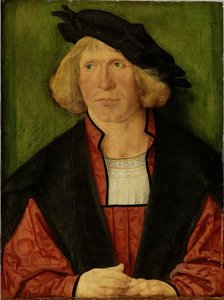
Hans von Kulmbach
1480 - 1522 , Deutschland
Kurzinfos
- Artistic Movement Or Style: Renaissance Kunst
- Artists Who Influenced This Artist: ['Albrecht Dürer']
- Date Of Birth: Um 1480
- Full Name: Hans Süß von Kulmbach
- Nationality: Deutsch
- Notable Artworks:
- Nikolaus Altar
- Maximilian Stained Glass
- Dreikönigsaltar
- Place Of Birth: Kulmbach, Deutschland
Ähnliche Artikel
Illuminating Realism: Early Netherlandish Painting (15th-16th Centuries)
Explore the captivating world of Early Netherlandish painting! Discover Jan van Eyck, Hans Memling & more. Uncover symbolism, techniques & the legacy of these Flemish masters. A comprehensive guide for art enthusiasts.
Hans von Aachen: Mannerism's Courtly Visionary & Imperial Portraiture
Explore the captivating world of Hans von Aachen, a leading Mannerist painter renowned for his exquisite imperial portraits & mythological scenes. Discover his legacy and influence on 16th-century European art.
Illuminating Realism: Early Netherlandish Painting (15th-16th Centuries)
Explore the captivating world of Early Netherlandish painting (15th-16th centuries). Discover Jan van Eyck, Hans Memling & more. Uncover revolutionary techniques and hidden symbolism in this definitive guide.

Frühniederländische Meisterwerke: 10 Gemälde, die eine Epoche prägten | ArtsDot
Entdecken Sie die 10 prägendsten Meisterwerke der Frühniederländischen Malerei! Von Jan van Eyck bis Rogier van der Weyden – erleben Sie Kunstgeschichte hautnah. Hochwertige Reproduktionen & Inspiration für Ihr Interieur auf ArtsDot.com.
Illuminating Realism: A Comprehensive Exploration of the Early Netherlandish Renaissance Movement
Explore the captivating world of Early Netherlandish painting! Discover Jan van Eyck & other Flemish masters, their revolutionary techniques, hidden symbolism, and lasting legacy. A comprehensive guide for art enthusiasts.

