

 Vorschau anzeigen
 Versenden
 Teilen
 Details anzeigen

 Herunterladen
 Ähnliche Objekte
 Röntgenaufnahme
 Diashow
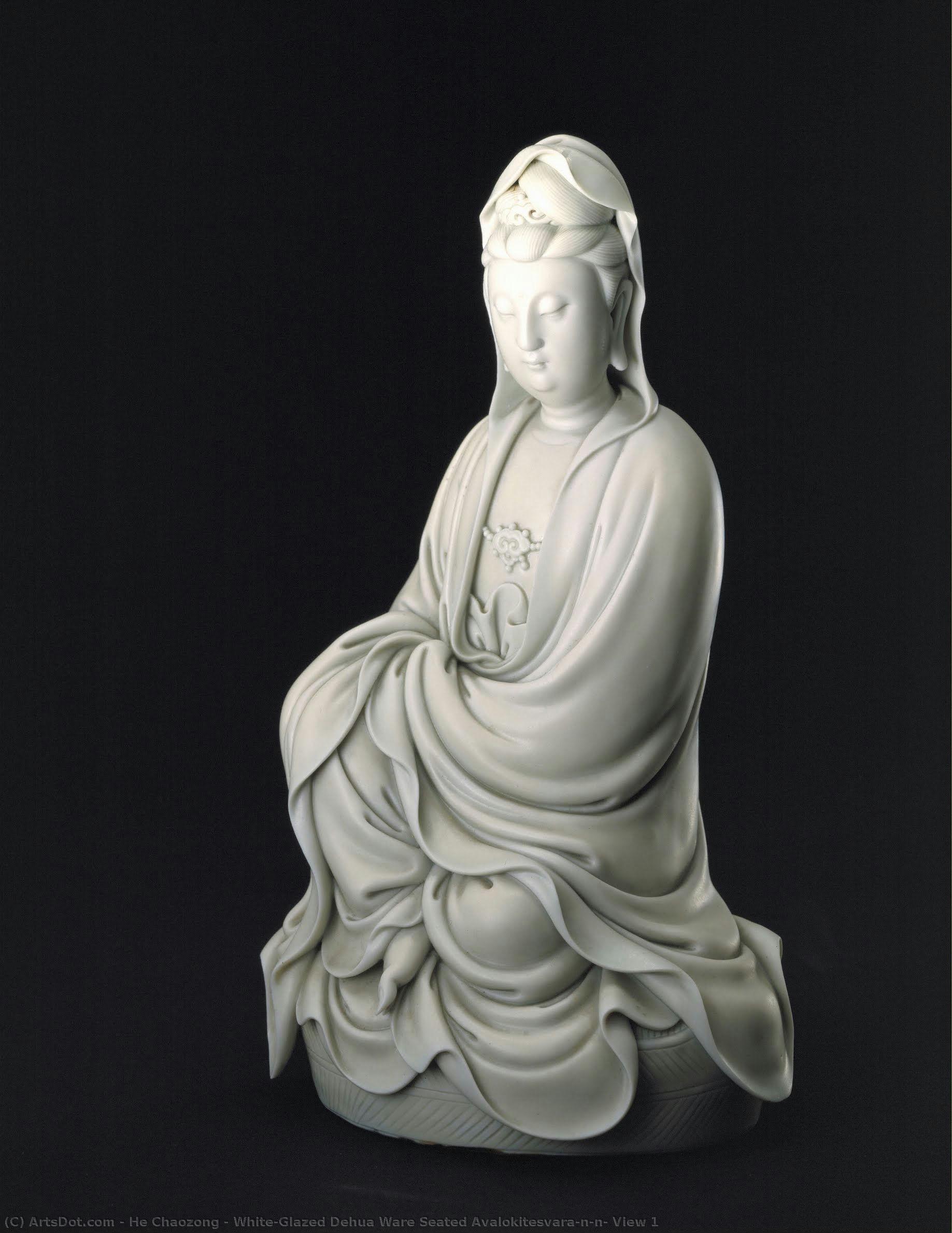
White-Glazed Dehua Ware Seated Avalokitesvara\n\n- View 1
 Weiterlesen
Handgefertigte Ölreproduktion
Handgemaltes Ölgemälde auf Leinwand in Ihrer Wunschgröße und mit Rahmen, auf Bestellung von unseren Künstlern angefertigt. ( Druck bestellen Bild kaufen)




































Wählen Sie aus unseren vordefinierten Formaten, die den ursprünglichen Proportionen des Kunstwerks entsprechen.

Sie können Ihre eigenen Maße eingeben, um einen bestimmten Rahmen oder Platz auszufüllen. Wenn die gewählte Größe nicht den Proportionen des Originalbildes entspricht, werden wir das Kunstwerk entweder beschneiden oder das Gemälde durch zusätzliche, handgemalte Elemente erweitern. Ein digitales Mockup wird Ihnen zur Genehmigung zugesandt, bevor die Produktion beginnt.
Bitte beachten Sie, dass die Bildschirmvorschau nicht die tatsächliche Beschneidung oder Erweiterung widerspiegelt. Nur das Mockup zeigt die endgültige Komposition exakt an.
Obwohl Sondermaße verfügbar sind, empfehlen wir, eine Größe aus der vordefinierten Liste zu wählen, um die ursprünglichen Proportionen beizubehalten.
Nach der Bestellung wird das ArtsDot.com-Team dem Kunden Anweisungen per E-Mail zusenden und eine Mockup-Vorschau bereitstellen.
Weltweiter Versand () in nur 3 bis 4 Wochen statt der üblichen 5 Wochen. (3 September). Keine Kompromisse bei der Qualität.

Kostenloser weltweiter Expressversand

Hochwertige Leinenleinwand

Umfassender Versicherungsschutz beim Versand

Zollgebühren-Rückerstattungsgarantie

Garantie für exakte Farbtreue

60 Tage Rückgaberecht (nur bei Mängeln)

100% Geld-zurück-Garantie

Mengenrabatt verfügbar
 Die Glasoption ist nur für Größen unter 110 cm verfügbar.

White-Glazed Dehua Ware Seated Avalokitesvara\n\n- View 1
Art der Reproduktion
Format der Reproduktion
-


Gesamtpreis
$ 263
Ähnliche Kunstwerke





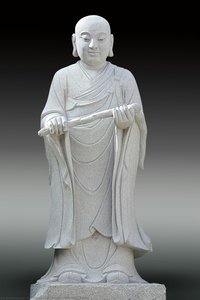

Über den Künstler
He Chaozong: The Silent Master of Blanc-de-Chine
The world of 17th-century Chinese ceramics holds a profound mystery, and within that realm, few figures are as enigmatic and revered as He Chaozong. More than just a potter; he was a sculptor of light and shadow, a master of texture and form, whose exquisite blanc-de-chine Buddhist statues continue to captivate collectors and scholars alike. Born in the late Ming dynasty, during a period of immense political upheaval and artistic experimentation, He Chaozong’s legacy rests largely on his remarkable skill and the scarcity of direct documentary evidence surrounding his life – a testament to both his exceptional talent and the relative anonymity afforded to artisans within the vast imperial workshops of the time. His work stands apart from the more standardized productions of the Dehua kilns, exhibiting an unparalleled level of artistic expression and a deeply personal touch that has secured his place as one of China’s most significant ceramic artists.
The Dehua Legacy and Early Training
He Chaozong’s artistry flourished within the renowned Dehua kilns, located in Fujian Province – a region already celebrated for its exceptional porcelain. The Dehua kilns were particularly famed for their “blanc-de-chine,” a translucent white porcelain prized by Western collectors and connoisseurs. However, He Chaozong didn't simply replicate existing styles; he elevated them to new heights of sophistication. While the Dehua kilns had long been producing Buddhist statues, He Chaozong’s sculptures possessed a distinct character – a sense of depth, volume, and emotional resonance that set them apart from the more formally executed pieces produced during that era. It is believed he received his initial training within the established workshops of Dehua, absorbing the techniques and traditions of generations of potters. However, it was through his own meticulous observation, experimentation, and innate artistic sensibility that He Chaozong developed his unique style.
A Style Defined by Depth and Emotion
What distinguishes He Chaozong’s work is not merely the technical mastery of porcelain – though this was undoubtedly exceptional. It lies in the profound emotional depth conveyed through his sculptures. His figures, particularly those depicting Bodhisattvas like Guanyin (Avalokitesvara) and Manjusri, are imbued with a sense of serenity, compassion, and quiet contemplation. The thick, lustrous glaze of the blanc-de-chine creates an ethereal quality, highlighting the subtle nuances of form and expression. The carving is remarkably detailed, capturing the folds of robes, the delicate features of faces, and the intricate patterns adorning garments – all rendered with a remarkable sensitivity to texture and light. Unlike many contemporary Dehua sculptures which were often characterized by flowing, stylized robes, He Chaozong’s figures possess a more grounded, realistic quality, lending them an air of dignified solemnity.
The Seal and the Revival
Adding to the intrigue surrounding He Chaozong is the presence of his seal – often impressed in reverse – on many of his works. This practice, documented by scholars like Blumenfield, suggests that seals were used not only as signatures but also as a form of branding, particularly during periods when individual attribution was less common. The discovery of reversed seals on pieces attributed to He Chaozong has fueled ongoing debate among experts, with some suggesting they represent later imitations or works created by disciples attempting to emulate the master’s style. Interestingly, in the late 19th and early 20th centuries, a revival of He Chaozong's manner emerged, spearheaded by ceramicist Su Xuejin, who meticulously recreated the artist’s distinctive style. This revival demonstrates the enduring appeal of He Chaozong’s work and its continued influence on Chinese porcelain art.
Legacy and Significance
Despite the relative lack of biographical information, He Chaozong's impact on Chinese ceramic history is undeniable. His sculptures represent a pinnacle of blanc-de-chine artistry – a testament to the skill, sensitivity, and artistic vision of a truly exceptional craftsman. His works are now prized by museums and private collectors worldwide, serving as windows into a fascinating period of Chinese art and culture. The enduring mystery surrounding his life only adds to the allure of He Chaozong, solidifying his position as one of China’s most enigmatic and celebrated ceramic masters – a silent voice whose artistry continues to resonate across centuries.
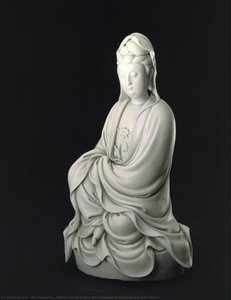
he chaozong
China
Kurzinfos
- Artistic Movement Or Style: Blanc-de-Chine
- Artists Or Movements Influenced By This Artist: ['Dehua Kiln']
- Full Name: He Chaozong
- Nationality: Chinese
- Notable Artworks:
- Bodhidharma Statue
- Avalokitesvara Statue
- Place Of Birth: Dehua, Fujian, China

