

 Vorschau anzeigen
 Versenden
 Teilen
 Details anzeigen

 Herunterladen
 Ähnliche Objekte
 Röntgenaufnahme
 Diashow
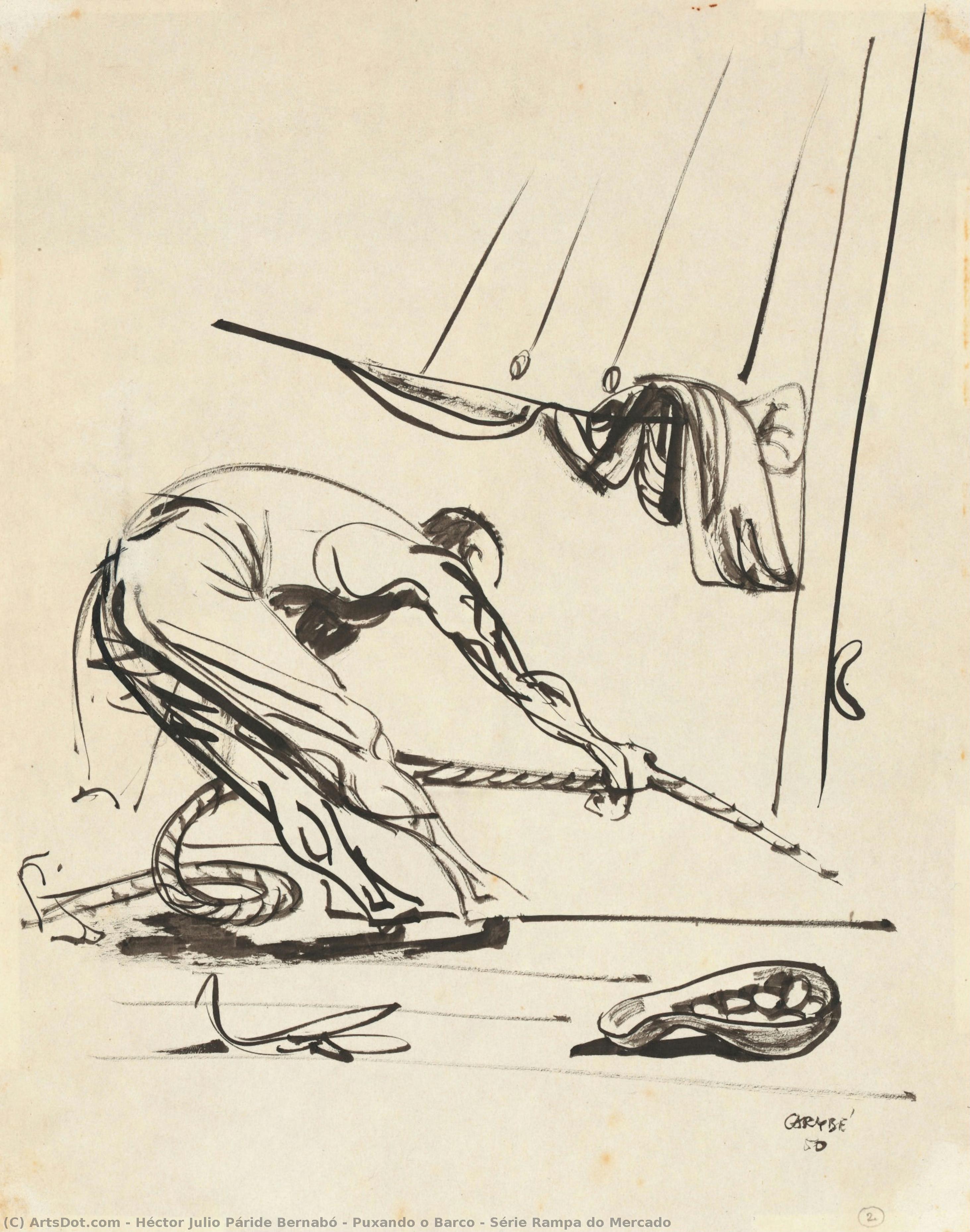
Puxando o Barco - Série Rampa do Mercado
 Drawing
- WallArt
- Contemporary Realism
 1950
1950- Modern
 27.0 x 21.0 cm
 Museu de Arte da Bahia
 Weiterlesen
Giclée / Kunstdruck
Giclée- oder Leinwanddruck in Museumsqualität mit schneller Produktion und flexiblen Veredelungsoptionen. ( Handgemalte Reproduktion bestellen Bild kaufen)




P118B $10

P118H $10

P118W $10

P438Z $10

P508JH $12

P508YH $12

P805H $10

P805Z $10

P919BZ $10

P919G $10

P919XJ $10

P959ZH $10

P968JZ $12

W106C $8

W218G $10

W218JH $8

W218Y $10

W307PJ $10

W316G $10

W316PJ $8

W316Y $10

W398PJ $8

W4111J $10

W500HY $15

W500JH $15

W692G $12

W849H $8

W940BG $15

W953PJ $8




Wählen Sie aus unseren vordefinierten Formaten, die den ursprünglichen Proportionen des Kunstwerks entsprechen.

Sie können Ihre eigenen Maße eingeben, um ein bestimmtes Format oder einen speziellen Platz einzupassen. Wenn das von Ihnen gewählte Format nicht den Proportionen des Originalbildes entspricht, werden wir das Kunstwerk entweder beschneiden oder das Bild mit einem gespiegelten oder einfarbigen Rand erweitern. Ein digitaler Entwurf wird Ihnen zur Genehmigung zugesandt, bevor die Produktion beginnt.
Bitte beachten Sie, dass die Vorschau auf dem Bildschirm nicht den tatsächlichen Zuschnitt oder die Erweiterung widerspiegelt. Nur der Entwurf zeigt die endgültige Komposition präzise an.
Obwohl Sondermaße verfügbar sind, empfehlen wir die Auswahl eines Maßes aus der vordefinierten Liste, um die ursprünglichen Proportionen zu bewahren.
Weltweiter Versand () innerhalb von 2 Wochen statt der üblichen 4/5 Wochen. (26 August)

Kostenloser weltweiter Expressversand

Hochwertige Leinenleinwand

Umfassender Versicherungsschutz beim Versand

Zollgebühren-Rückerstattungsgarantie

Garantie für exakte Farbtreue

60 Tage Rückgaberecht (nur bei Mängeln)

100% Geld-zurück-Garantie

Mengenrabatt verfügbar
 Die Glasoption ist nur für Größen unter 110 cm verfügbar.

Puxando o Barco - Série Rampa do Mercado
Giclée / Kunstdruck
Format der Reproduktion
-


Gesamtpreis
$ 62
Sammlerstück-Beschreibung
The Rhythm of Labor: A Glimpse into Carybé’s World
In the evocative monochrome of Puxando o Barco - Série Rampa do Mercado, we are transported to a moment of raw, unadorned human effort. Created in 1950 by the master Héctor Julio Páride Bernabó—affectionately known as Carybé—this drawing captures the visceral essence of coastal life. The scene depicts a man engaged in the strenuous task of pulling a boat across the land, a moment caught between the stillness of the shore and the fluidity of the water. Through his masterful use of line, Carybé does more than merely document a physical action; he invites the viewer to feel the tension in the rope, the weight of the vessel, and the rhythmic struggle inherent in the daily survival of maritime communities.
The composition is a masterclass in narrative movement. While the central figure commands our attention through his concentrated exertion, the artist subtly populates the periphery with life. Figures in the background and small, unexpected details ground the work in a specific, lived reality. The stark contrast of the black and white medium strips away any potential for distraction, forcing the eye to focus on the interplay of light and shadow, and the structural integrity of the man’s form against the landscape. It is a piece that celebrates the dignity of manual labor, turning a routine task into a monumental feat of strength and perseverance.
A Legacy of Line and Light
Carybé’s technique in this work reflects his profound connection to the cultural landscapes of Argentina and Brazil. As an artist who functioned as both a researcher and a journalist, his hand possessed a unique ability to translate ethnographic truth into aesthetic beauty. In Puxando o Barco, the linework is purposeful and energetic, characteristic of his celebrated pen and ink style. There is a certain poetic economy in how he uses darkness to define the boat's hull and light to suggest the sun-drenched atmosphere of the market ramp. This stylistic choice creates a sense of timelessness, making the 1950s scene feel as though it could belong to any era of human history defined by the sea.
For the discerning collector or interior designer, this artwork offers a sophisticated touch of historical depth. The monochromatic palette makes it an incredibly versatile piece for modern curation, capable of anchoring a minimalist gallery wall or adding a layer of soulful texture to a classic study. A high-quality reproduction of this work allows the subtle nuances of Carybé’s strokes to shine, bringing the quiet, powerful drama of the Brazilian coast into any contemporary space. It is not merely a decoration, but an invitation to contemplate the enduring strength of the human spirit and the beautiful, heavy rhythms of life on the water's edge.
Ähnliche Kunstwerke
Über den Künstler
early life and career
Héctor Julio Páride Bernabó, known artistically as Carybé (Argentina, 1911 - Brazil, 1997), was a multifaceted Argentinian-Brazilian artist whose oeuvre spanned painting, engraving, illustration, sculpture, mural art, research, historical scholarship, and journalism. Born in Buenos Aires on February 7th, 1911, Carybé’s formative years were steeped in artistic exploration and intellectual curiosity—a passion that would define his entire life's trajectory. From a young age, he demonstrated an exceptional talent for visual arts, honing his skills through self-study and experimentation before embarking on formal artistic training. His early works showcased a distinctive style characterized by bold lines and vibrant colors, hinting at the stylistic innovations that would characterize his mature oeuvre. Carybé’s artistic journey began in Buenos Aires where he cultivated connections with prominent figures in the Argentine art scene—influences that would shape his worldview and artistic sensibilities. He quickly gained recognition for his ability to capture the essence of human emotion and experience through evocative imagery, establishing himself as a respected artist within Argentina's cultural landscape.artistic contributions
Carybé’s prolific output encompassed an astonishing range of mediums and subjects—a testament to his boundless creativity and versatility. He produced approximately five thousand artworks, including paintings, drawings, sculptures, and sketches that explored themes ranging from indigenous Brazilian culture to the complexities of human psychology. His artistic style evolved over time, reflecting influences from Surrealism, Expressionism, and Art Deco—styles he skillfully integrated into his distinctive visual language. Carybé’s paintings are renowned for their masterful use of color and texture, capturing the dynamism of tropical landscapes and the solemn beauty of religious iconography. He meticulously crafted intricate compositions that conveyed profound emotional resonance, inviting viewers to contemplate universal human experiences. Beyond painting, Carybé excelled as an engraver, producing stunning prints that showcased his technical prowess and artistic vision. His engravings often depicted scenes from Brazilian folklore and mythology—subjects he approached with meticulous detail and sensitivity. Furthermore, Carybé’s illustrations graced the pages of celebrated literary works by Jorge Amado and Gabriel García Márquez—most notably “One Hundred Years of Solitude,” where he brought to life unforgettable characters and landscapes.major achievements
Carybé achieved considerable acclaim for his artistic accomplishments and scholarly pursuits—solidifying his position as a leading figure in Argentinian and Brazilian art history. He was honored with the honorary title of Obá de Xangô at Ilê Axé Opô Afonjá, recognizing his profound understanding of Afro-Brazilian spirituality and culture. This distinction underscored Carybé’s commitment to preserving indigenous traditions and promoting intercultural dialogue—values that permeated his artistic practice and intellectual endeavors. His contributions extended beyond visual arts into the realm of historical research and journalism—where he investigated social issues with unwavering integrity and pursued narratives that challenged conventional perspectives. Carybé's meticulous documentation of Brazilian cultural heritage ensured its preservation for future generations, cementing his legacy as a champion of knowledge and artistic excellence.historical significance
Carybé’s artwork continues to inspire artists and scholars alike—serving as a beacon of creativity and intellectual curiosity. His distinctive style—characterized by bold lines, vibrant colors, and masterful composition—remains influential in contemporary art practice. Moreover, Carybé's exploration of Brazilian folklore and mythology—particularly his depictions of Xangô—contributed significantly to the understanding of Afro-Brazilian religious traditions. He fostered a dialogue between artistic expression and cultural heritage—demonstrating that art can serve as a powerful tool for promoting empathy and fostering appreciation for diverse cultures. Carybé’s enduring legacy resides in his unwavering dedication to artistic innovation, scholarly rigor, and humanist values—a testament to the transformative power of creativity and intellectual curiosity.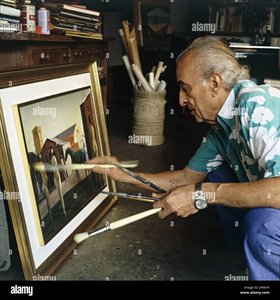
Carybé
1911 - 1997 , Argentinien
Kurzinfos
- Artistic Movement Or Style: Arte Deco
- Date Of Birth: Feb 7, 1911
- Date Of Death: Oct 2, 1997
- Full Name: Héctor Julio Páride Bernabó
- Nationality: Argentino-Brasileño
- Notable Artworks:
- Torso Retangular Ou Pano Da Costa I
- The Pier
- Baiana Sambando - Série Bonfim
- Place Of Birth: Buenos Aires, Argentina
Ähnliche Artikel

Weiße Meisterwerke: Die Top 10 berühmtesten Gemälde und ihre zeitlose Eleganz
Entdecken Sie die Top 10 berühmter Gemälde, dominiert von Weiß! Von Malewitsch bis Rothko – erfahren Sie Geschichten hinter ikonischen Kunstwerke und lassen Sie sich für Ihre Wohnraumgestaltung inspirieren. Kunstreproduktionen in Museumsqualiät auf

Monochrome Visions: Exploring the Aesthetic & Historical Significance of Black & White Photography
Explore the rich history & artistic power of black and white photography. From early techniques to iconic masters like Ansel Adams, discover why monochrome continues to captivate art lovers today. Expert insights for collectors.

Die Top 10 berühmter Gemälde im Reich der dunklen Töne |
Entdecken Sie die Top 10 berühmter Gemälde, beherrscht von dunklen Tönen! Von Caravaggio bis Manet – erfahren Sie die Geschichten hinter Meisterwerken der Kunstgeschichte. Finden Sie Ihre perfekte Reproduktion auf .
Boote in der Kunst: Die 10 schönsten Meisterwerke & ihre Geschichten | ArtsDot
Entdecken Sie die 10 schönsten Bootsgemälde der Kunstgeschichte! Von Monet bis Van Gogh – erfahren Sie die Geschichten hinter ikonischen Werken, Techniken & Marinemalerei. Hochwertige Reproduktionen auf ArtsDot.com.

Chromatic Absence: Exploring the Aesthetic Power of Black & White Art
Explore the captivating world of monochrome art! Discover its rich history, influential artists like Malevich & Klein, and profound emotional impact. Expert insights for collectors & design enthusiasts.

