

 Vorschau anzeigen
 Versenden
 Teilen
 Details anzeigen

 Herunterladen
 Ähnliche Objekte
 Röntgenaufnahme
 Diashow
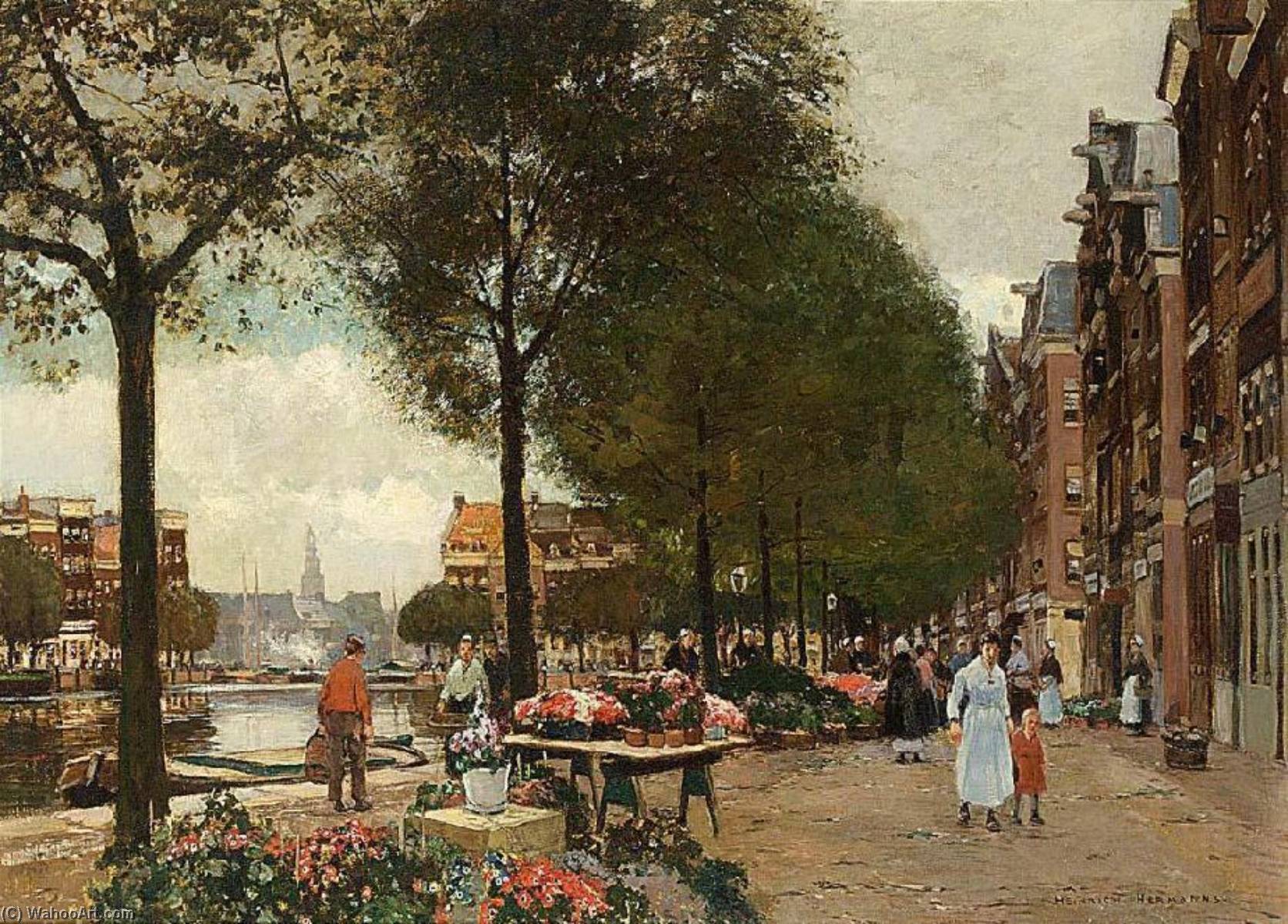
Flower market on the Singel in Amsterdam
 Weiterlesen
Giclée / Kunstdruck
Giclée- oder Leinwanddruck in Museumsqualität mit schneller Produktion und flexiblen Veredelungsoptionen. ( Handgemalte Reproduktion bestellen Bild kaufen)




































Wählen Sie aus unseren vordefinierten Formaten, die den ursprünglichen Proportionen des Kunstwerks entsprechen.

Sie können Ihre eigenen Maße eingeben, um ein bestimmtes Format oder einen speziellen Platz einzupassen. Wenn das von Ihnen gewählte Format nicht den Proportionen des Originalbildes entspricht, werden wir das Kunstwerk entweder beschneiden oder das Bild mit einem gespiegelten oder einfarbigen Rand erweitern. Ein digitaler Entwurf wird Ihnen zur Genehmigung zugesandt, bevor die Produktion beginnt.
Bitte beachten Sie, dass die Vorschau auf dem Bildschirm nicht den tatsächlichen Zuschnitt oder die Erweiterung widerspiegelt. Nur der Entwurf zeigt die endgültige Komposition präzise an.
Obwohl Sondermaße verfügbar sind, empfehlen wir die Auswahl eines Maßes aus der vordefinierten Liste, um die ursprünglichen Proportionen zu bewahren.
Weltweiter Versand () innerhalb von 2 Wochen statt der üblichen 4/5 Wochen. (7 September)

Kostenloser weltweiter Expressversand

Hochwertige Leinenleinwand

Umfassender Versicherungsschutz beim Versand

Zollgebühren-Rückerstattungsgarantie

Garantie für exakte Farbtreue

100 Tage Rückgaberecht (nur bei Mängeln)

100% Geld-zurück-Garantie

Mengenrabatt verfügbar
 Die Glasoption ist nur für Größen unter 110 cm verfügbar.

Flower market on the Singel in Amsterdam
Giclée / Kunstdruck
Format der Reproduktion
-


Gesamtpreis
$ 62
Ähnliche Kunstwerke









Über den Künstler
Heinrich Hermanns (1862 – 1942): A Landscape Painter Rooted in Tradition
Heinrich Hermanns was born in Düsseldorf, Germany, on May 19, 1862, into a family with artistic inclinations. His father, Wilhelm Hermanns, was a professor of German language and literature at the University of Düsseldorf, fostering an environment that encouraged intellectual curiosity and creative pursuits. From a young age, Heinrich demonstrated a passion for drawing and painting, honing his skills through self-study and informal instruction. He enrolled in the Düsseldorf Art Academy in 1883, where he studied under Eugen Dücker, a prominent landscape painter who championed the Düsseldorf School of Painting—a movement characterized by its meticulous observation of nature and its commitment to tonal realism. This formative experience profoundly shaped Hermanns’ artistic vision and technique.- Early Influences: Hermanns' artistic sensibilities were deeply influenced by Romanticism, particularly the works of Caspar David Friedrich and Wilhelm Leibl. These artists emphasized sublime landscapes imbued with spiritual significance, inspiring Hermanns to explore similar themes in his own paintings.
- The Düsseldorf School of Painting: Hermanns joined forces with fellow students—including Karl Böcklin, Wilhelm Trübschenne, and Max Liebermann—to establish the ‘Lucas-Club’ in 1889. This collective aimed to advance landscape painting through rigorous study and experimentation, prioritizing tonal harmony and atmospheric perspective.
- Notable Works: Hermanns gained recognition for his depictions of the Hümmling landscapes—particularly “The Hümmlinger Moor” (1893)—which exemplify the Düsseldorf School’s aesthetic principles. His paintings also captured scenes from Venice, showcasing his fascination with architectural grandeur and urban vistas.
Venetian Visions: Architectural Detail and Atmospheric Depth
Among Hermanns' most celebrated canvases is “Inside St. Mark’s, Venice” (1897), a monumental oil painting that captures the splendor of Saint Mark’s Basilica with remarkable precision. Hermanns meticulously rendered the basilica’s intricate façade—the Byzantine mosaics, soaring arches, and ornate sculptures—employing a masterful use of tonal gradation to convey depth and luminosity. The artist skillfully manipulated light and shadow, creating an immersive experience for the viewer that reflects the grandeur of Venetian architecture. This work stands as a testament to Hermanns' dedication to capturing both visual accuracy and emotional resonance.Dutch Landscapes: Impressionistic Sensibility
Inspired by the Dutch landscape tradition—particularly the works of Jacob Maris and Anton Mauve—Hermanns embraced an impressionistic approach in several paintings. “Early Autumn in the Countryside” (1903) exemplifies this style, characterized by loose brushstrokes and vibrant color palettes that convey fleeting moments of beauty. Hermanns skillfully blended pigments to achieve atmospheric effects—misty mornings, dappled sunlight—creating landscapes that pulse with life and immediacy.Recognition and Legacy
Heinrich Hermanns’ artistic achievements were recognized during his lifetime through participation in major German art exhibitions. His paintings were exhibited at Munich, Berlin and Düsseldorf until the 1930s, securing him a prominent position within the Düsseldorf School of Painting and cementing his reputation as one of Germany's foremost landscape painters. Hermanns died in Düsseldorf on December 21, 1942, leaving behind a substantial body of work that continues to inspire admiration for its tonal realism, compositional elegance, and profound engagement with the natural world. His legacy resides in his contribution to German art history and his embodiment of the Düsseldorf School’s enduring aesthetic ideals.
heinrich hermanns
1862 - 1942
Kurzinfos
- Artistic Movement Or Style: Düsseldorfer Malerschule
- Artists Or Movements Influenced By This Artist: ['Romanticism']
- Artists Who Influenced This Artist: ['Eugen Dücker']
- Date Of Death: 1942
- Full Name: Heinrich Hermanns
- Nationality: German
- Notable Artworks:
- A Morning Chat
- Inside St. Mark’s, Venice
- Early autumn in the countryside
- Place Of Birth: Düsseldorf, Germany