

 Vorschau anzeigen
 Versenden
 Teilen
 Details anzeigen

 Herunterladen
 Ähnliche Objekte
 Röntgenaufnahme
 Diashow
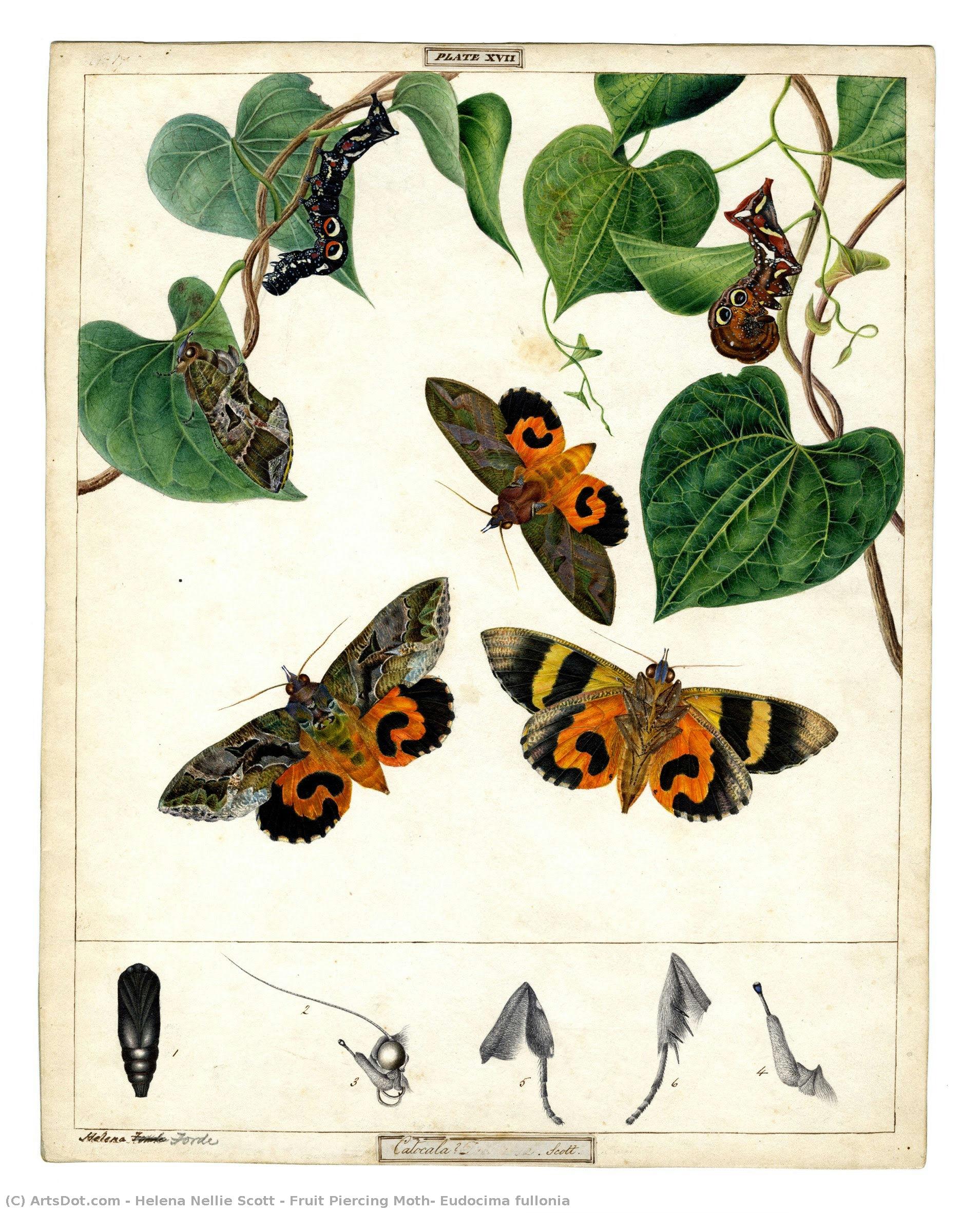
Fruit Piercing Moth, Eudocima fullonia


 Weiterlesen
Handgefertigte Ölreproduktion
Handgemaltes Ölgemälde auf Leinwand in Ihrer Wunschgröße und mit Rahmen, auf Bestellung von unseren Künstlern angefertigt. ( Druck bestellen Bild kaufen)




P118B $10

P118H $10

P118W $10

P438Z $10

P508JH $12

P508YH $12

P805H $10

P805Z $10

P919BZ $10

P919G $10

P919XJ $10

P959ZH $10

P968JZ $12

W106C $8

W218G $10

W218JH $8

W218Y $10

W307PJ $10

W316G $10

W316PJ $8

W316Y $10

W398PJ $8

W4111J $10

W500HY $15

W500JH $15

W692G $12

W849H $8

W940BG $15

W953PJ $8




Wählen Sie aus unseren vordefinierten Formaten, die den ursprünglichen Proportionen des Kunstwerks entsprechen.

Sie können Ihre eigenen Maße eingeben, um einen bestimmten Rahmen oder Platz auszufüllen. Wenn die gewählte Größe nicht den Proportionen des Originalbildes entspricht, werden wir das Kunstwerk entweder beschneiden oder das Gemälde durch zusätzliche, handgemalte Elemente erweitern. Ein digitales Mockup wird Ihnen zur Genehmigung zugesandt, bevor die Produktion beginnt.
Bitte beachten Sie, dass die Bildschirmvorschau nicht die tatsächliche Beschneidung oder Erweiterung widerspiegelt. Nur das Mockup zeigt die endgültige Komposition exakt an.
Obwohl Sondermaße verfügbar sind, empfehlen wir, eine Größe aus der vordefinierten Liste zu wählen, um die ursprünglichen Proportionen beizubehalten.
Nach der Bestellung wird das ArtsDot.com-Team dem Kunden Anweisungen per E-Mail zusenden und eine Mockup-Vorschau bereitstellen.
Weltweiter Versand () in nur 3 bis 4 Wochen statt der üblichen 5 Wochen. (22 August). Keine Kompromisse bei der Qualität.

Kostenloser weltweiter Expressversand

Hochwertige Leinenleinwand

Umfassender Versicherungsschutz beim Versand

Zollgebühren-Rückerstattungsgarantie

Garantie für exakte Farbtreue

60 Tage Rückgaberecht (nur bei Mängeln)

100% Geld-zurück-Garantie

Mengenrabatt verfügbar
 Die Glasoption ist nur für Größen unter 110 cm verfügbar.

Fruit Piercing Moth, Eudocima fullonia
Art der Reproduktion
Format der Reproduktion
-


Gesamtpreis
$ 263
Beschreibung des Kunstwerks
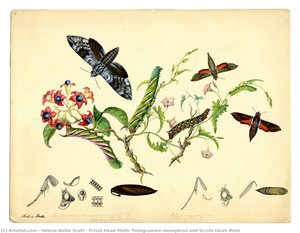
A Study in Transformation: Helena Scott’s “Fruit Piercing Moth”
Helena Nellie Scott's "Fruit Piercing Moth, Eudocima fullonia," a meticulously rendered botanical illustration from the late 19th century, is more than just a scientific record; it’s a captivating meditation on metamorphosis and the delicate beauty of the natural world. Created during a period when women were largely excluded from formal artistic training, Scott's work stands as a testament to her keen observational skills and unwavering dedication to documenting the intricate details of Australian entomology. The piece captures not just an insect, but a fleeting moment in its life cycle – a larval stage brimming with potential, poised on the cusp of transformation.
The illustration’s foundation lies within the burgeoning field of scientific art, driven by the Victorian fascination with classification and the desire to understand the natural world through empirical observation. Scott's work aligns perfectly with this trend, employing a precise, almost clinical approach to rendering her subject. However, beneath this apparent objectivity resides a remarkable sensitivity to detail – from the delicate veins of the leaf to the intricate patterns on the moth’s wings, every element is rendered with painstaking accuracy. The muted color palette—dominated by earthy greens and browns—creates a sense of quiet contemplation, drawing the viewer into the scene's serene stillness.
The Art of Observation: Technique and Style
Scott’s technique is characterized by a masterful command of watercolor on paper, a medium perfectly suited to capturing the subtle nuances of texture and light. She skillfully utilizes layering washes to build up depth and form, while precise hatching and cross-hatching create a sense of volume and shadow. The use of fine lines defines the intricate details of the insect’s anatomy – the segmented body, the delicate antennae, and the complex patterns on its wings. Notably, the illustration reflects the conventions of 19th-century botanical art: a flattened perspective, prioritizing clarity and scientific accuracy over dramatic composition or artistic interpretation. The symmetrical arrangement of the caterpillars clinging to leaves contributes to a sense of balance and order, mirroring the systematic approach inherent in scientific documentation.
The choice of hatching and cross-hatching is particularly noteworthy. These techniques not only define the shapes of the insects and leaves but also create a tactile quality, inviting the viewer to almost feel the texture of the natural world depicted. The muted colors further enhance this effect, lending the illustration a sense of realism that transcends mere representation.
Symbolism and the Cycle of Life
Beyond its scientific value, “Fruit Piercing Moth” is rich in symbolic meaning. The image encapsulates the profound beauty of transformation—the caterpillar’s seemingly chaotic form gradually giving way to the elegant grace of a butterfly. This metamorphosis serves as a potent metaphor for personal growth, resilience, and the cyclical nature of life itself. The scattered butterfly wings across the scene reinforce this theme, suggesting the potential for renewal and rebirth. The title itself – “Fruit Piercing Moth” – hints at both vulnerability and adaptation; the moth’s feeding habits represent its role within the ecosystem, while also highlighting its delicate existence.
Furthermore, Scott's meticulous documentation of the larval stage speaks to a deeper appreciation for the often-overlooked aspects of nature. By focusing on this seemingly insignificant phase of the moth’s life cycle, she elevates it to an object of artistic contemplation, reminding us that beauty and wonder can be found in even the smallest details.
A Legacy of Detail: Helena Scott's Contribution
Helena Nellie Scott’s legacy extends far beyond this single illustration. As a pioneering female artist and naturalist in Australia, she challenged conventional gender roles and made significant contributions to the field of entomology. Her work is now recognized as a cornerstone of Australian scientific art, offering invaluable insights into the biodiversity of the region. Reproductions of “Fruit Piercing Moth” provide a window into a bygone era—a time when meticulous observation, artistic skill, and a deep respect for the natural world converged to create works of enduring beauty and significance. The piece remains a poignant reminder of Scott’s dedication and her remarkable ability to capture the essence of life's intricate transformations.
Ähnliche Kunstwerke
Über den Künstler
Ein Leben, vertieft in die Details der Natur
Helena Nellie Scott, ein Name, der mit der stillen Hingabe der frühen australischen naturhistorischen Illustration widerhallt, wurde 1832 in Sydney geboren. Obwohl sie oft im Kontext ihrer Schwester Harriet Morgan genannt und manchmal unter ihrem Ehenamen Helena Forde angeführt wird, bahnte sich Scott einen einzigartigen Weg als Pionierin der Kunst und Naturwissenschaft zu einer Zeit, als solche Bestrebungen Frauen weitgehend verschlossen blieben. Ihre Erziehung war alles andere als konventionell; sie war geprägt von der wissenschaftlichen Neugenschaft ihres Vaters Alexander Walker Scott, eines renommierten Entomologen, dessen Leidenschaft jeden Aspekt ihres Familienlebens durchdrang. Dies war nicht bloß ein akademisches Interesse, sondern eine gelebte Erfahrung, besonders nachdem die Familie 1846 in das Ästuar des Hunter River nach Ash Island umzog. Dort, inmitten der unberührten Schönheit der australischen Landschaft, wurde ihr Zuhause zu einem Refugium für Beobachtung und künstlerische Dokumentation – ein Laboratorium, in dem die Feinheiten der Natur sowohl durch wissenschaftliche Studien als auch durch zarte Kunstfertigkeit akribisch festgehalten wurden. Die Integration der Töchter ihres Vaters aus früheren Beziehungen in diese Familiendynamik förderte zudem einen kollaborativen Geist, der einen Großteil von Scotts Berufsleben prägen sollte.Künstlerische Zusammenarbeit und wissenschaftlicher Beitrag
Scotts künstlerischer Stil entstand nicht in Isolation; er blühte durch die Zusammenarbeit auf, am deutlichesten mit ihrer Schwester Harriet. Gemeinsam illustrierten sie nicht einfach nur wissenschaftliche Erkenntnisse – sie trugen aktiv zum aufstrebenden Feld der Entomologie und Naturgeschichte bei. Ihre gemeinsamen Projekte wurden zu Meilensteinen: The Snakes of Australia (1869), The Mammals of Australia (1871) und der Catalogue of the Minerals and Rocks in the Australian Museum (1873) stehen als Zeugnisse ihres vereinten Könnens und ihrer Hingabe. Scotts Expertise lag in der Lithografie und dem Design, wodurch sie ihren Darstellungen ein bemerkenswertes Maß an Detailreichtum und Genauigkeit verlieh. Dies waren nicht bloß hübsche Bilder; sie waren essenzielle Werkzeuge für das wissenschaftliche Verständnis, die Nuancen einfingen, die Worte allein nicht vermitteln konnten. Hinter dieser technischen Brillanz verbarg sich jedoch auch eine aufrichtige Leidenschaft für die natürliche Welt – eine Ehrfurcht, die in jeder feinen Linie und jeder sorgfältig gesetzten Farbe spürbar ist. Ihr Wirken ging über die reine Darstellung hinaus; sie besaß ein frühes Bewusstsein für ökologische Belange und gehörte zu den Ersten, die vor den verheerenden Auswirkungen invasiver Arten auf die heimische australische Fauna warnten – eine für ihre Zeit bemerkenswert weitsichtige Beobachtung.Ein bleibendes Vermächtnis: Pioniergeist und fortwährender Einfluss
Helena Nellie Scott ist eine zentrale Figur der australischen Kunst und Wissenschaft. Als eine der ersten professionellen Illustratorinnen Australiens durchbrach sie Barrieren und ebnete den Weg für nachfolgende Generationen von Frauen, Berufe in diesen Feldern zu ergreifen. Ihre Beiträge beschränkten sich nicht nur auf ihr künstlerisches Talent; ihre frühen Warnungen vor invasiven Arten unterstreichen ihre Weitsicht und ihr Engagement für den Umweltschutz – ein Anliegen, das heute eine enorme Bedeutung hat. Sie dokumentierte die Natur nicht nur; sie setzte sich für deren Erhalt ein und erkannte das empfindliche Gleichgewicht der Ökosysteme lange bevor dies zu einem allgemeinen Thema wurde. Scotts Vermächtnis reicht weit über Museen und Publikationen hinaus; es lebt in der fortwährenden Wertschätzung ihrer exquisiten Kunstwerke und in der Inspiration weiter, die sie sowohl Künstlern als auch Wissenschaftlern bietet. Ihr Leben dient als Erinnerung daran, dass Kunst und Wissenschaft keine gegenseitig ausschließenden Disziplinen sind, sondern vielmehr komplementäre Wege, um die Welt um uns herum zu verstehen und zu feiern, wodurch sichergestellt wird, dass ihre bemerkenswerte Geschichte als Naturforscherin und Künstlerin über Generationen hinweg Bestand hat.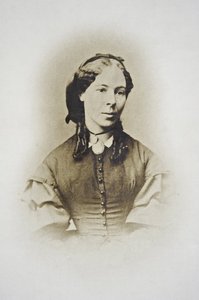
Helena Nellie Scott
1832 - 1910 , Australien
Kurzinfos
- Artistic Movement Or Style: Naturgeschichte-Kunst
- Artists Or Movements Influenced By This Artist:
- Australische Naturforscher
- Wissenschaftliche Illustratoren
- Artists Who Influenced This Artist:
- Alexander Walker Scott
- Conrad Martens
- Samuel Thomas Gill
- Date Of Birth: 1832
- Date Of Death: 1910
- Full Name: Helena Nellie Scott
- Nationality: Australisch
- Notable Artworks:
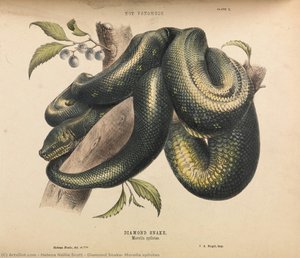
- Diamantschlange
- Gebogenflügel-Schnellmotte
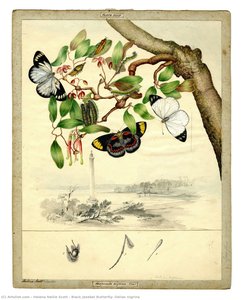
- Schwarzer Jezabel-Falter
- Place Of Birth: Sydney, Australien
Ähnliche Artikel
The Flourishing Canvas: A Historical & Artistic Exploration of Botanical Illustration
Explore the rich history of botanical illustration! Discover key artists like Havell & Barraband, learn about scientific accuracy & aesthetic beauty. Shop museum-quality reproductions at ArtsDot.
The Flourishing Canvas: A Historical Journey Through Botanical Illustration
Explore the captivating history of botanical illustration! Discover renowned artists like Robert Havell & Mary Walcott, learn about techniques, and find museum-quality art at ArtsDot.com.
Victorian Botanical Painting: Science, Art & Aesthetic Sensibility
Explore the exquisite world of Victorian botanical art! Discover the science & artistry behind stunning floral illustrations by Gould, Muckley & more. Learn about collecting, value & investment at ArtsDot.
The Flourishing Canvas: A Historical Journey Through Botanical Illustration
Explore the captivating history of botanical illustration! Discover renowned artists like Robert Havell & Mary Walcott, learn about techniques, and find museum-quality art at ArtsDot.com.
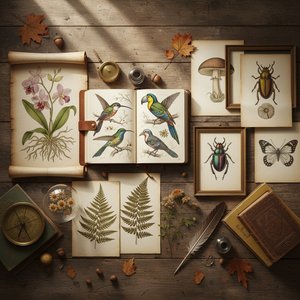
The Evocative Detail of Nature: A History of Naturalistic Illustration
Explore the rich history of botanical illustration! Discover pioneering artists like Maria Sibylla Merian & Marianne North. Learn about scientific precision, artistic expression, and find museum-quality reproductions at ArtsDot.

